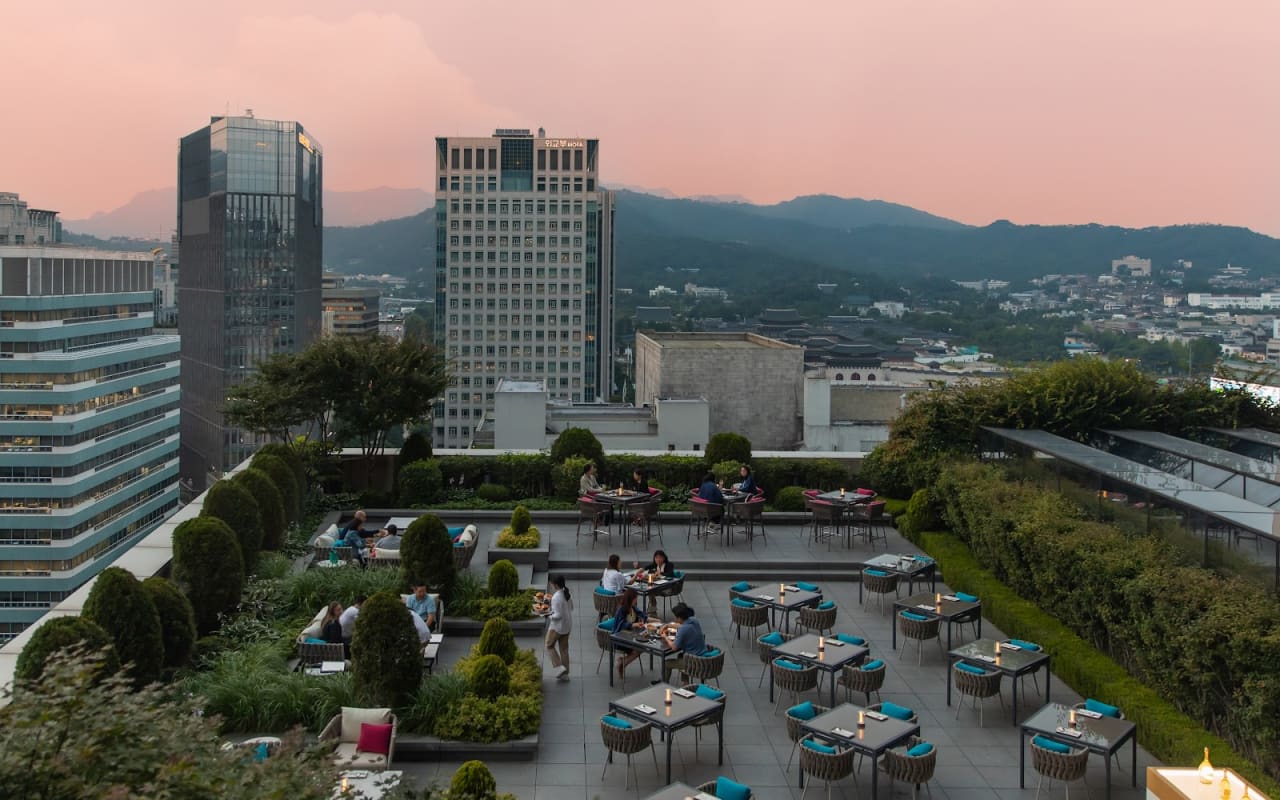
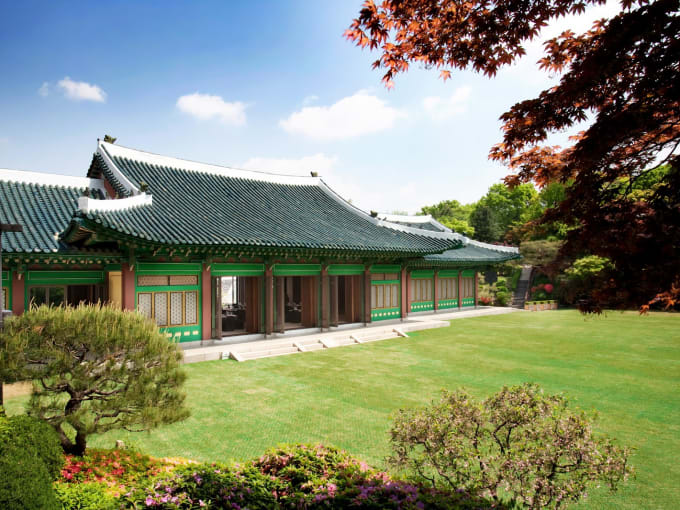
South Korea has established itself as a premier hotel destination. The country combines business capitals, creative districts, destination shopping, and exceptionally high service standards. In Seoul, luxury hospitality reflects a dynamic city, alternating between panoramic towers, heritage addresses, and more narrative boutique hotels. For this ranking, we intentionally focus on establishments that embody this diversity. Four Seasons Hotel Seoul, Park Hyatt Seoul, The Shilla Seoul, Signiel, Fairmont Ambassador Seoul, L’Escape, and Hotel28 Myeongdong together create a coherent portrait. It is important to note that the South Korean scene is no longer solely about efficiency. It now offers genuine atmospheric signatures, with clear positioning for the discerning traveller.
At MyConciergeHotel, a ranking is never just a simple aggregation of reputations. We first observe the consistency of the hotel product. This includes the address, the clarity of the experience, the perceived quality of service, and the ability to maintain its standing over time. We also consider the relevance of the location for a genuine stay. A large business hotel is not judged the same way as a neighbourhood boutique hotel. Finally, we prioritise verifiable facts. The brand, category, city, urban anchoring, and the coherence between promise and execution matter more than mere rhetoric. What our advisors often observe in South Korea is straightforward. The best hotels are those that manage to reduce friction without erasing personality.
The panorama presented here is more varied than it may seem. On one side, Four Seasons Hotel Seoul and Fairmont Ambassador Seoul cater to an international clientele. They seek immediate reference points, comprehensive facilities, and seamless logistics. Park Hyatt Seoul plays a more refined tune. Its name suggests a more design-oriented approach, often appreciated for well-calibrated urban stays. The Shilla Seoul embodies another family. Its status in the Korean landscape gives it a unique place, straddling local institution and grand international hotel. Signiel inscribes luxury in verticality and views. L’Escape and Hotel28 Myeongdong remind us that a national ranking can also highlight more embodied addresses. They focus on character, location, and a more boutique narrative.
For 2025 and 2026, several trends are solidifying in South Korea. The first concerns the demand for hotels capable of serving multiple purposes without dilution. The same stay can blend business meetings, shopping, wellness, and cultural exploration. The second relates to the rising expectations around views, light, and inner calm. In a dense metropolis like Seoul, these are decisive criteria. The third trend concerns discernible luxury. Travellers want to quickly understand why a property deserves its place. A major brand reassures, but it is no longer sufficient. My advice: observe the precision of positioning. Between an institution like The Shilla Seoul, a signature tower like Signiel, and a neighbourhood address like Hotel28 Myeongdong, the right choice primarily depends on the desired pace.
There is also, in South Korea, an interesting affinity with a certain idea of French luxury. Not a copy, but a proximity of values. The sense of detail, the discipline of service, and the pursuit of a seamless experience find very favourable ground here. This is particularly evident in hotels that manage to articulate elegance, discretion, and efficiency. L’Escape, with its more theatrical identity, demonstrates that a hotel can offer a strong imagination without losing clarity. Four Seasons Hotel Seoul and Fairmont Ambassador Seoul express a more international grammar of the grand hotel. The Shilla Seoul, on the other hand, reminds us that a property can be deeply rooted locally while appealing to a global clientele. It is worth noting that refinement here often comes through mastery rather than ostentation.
This ranking should therefore be read methodically. It does not claim that one hotel suits all travellers. It ranks different propositions according to their editorial strength, coherence, and ability to represent the best of the country today. A traveller seeking a large hotel operation will rarely choose the same as one wanting to experience Myeongdong on foot. Similarly, a very vertical address does not offer the same relationship to the city as a hotel more embedded in its neighbourhood. We reject hollow superlatives, as they obscure the essentials. Each establishment has its audience. Our role as concierges is to clarify the uses. What our advisors prioritise is the accuracy of the match between the hotel, the journey, and the individual.
Now, let’s turn to the Top 7. Here you will find institutions, international signatures, and more unique addresses. Each contributes, in its own way, to the hotel maturity of South Korea.