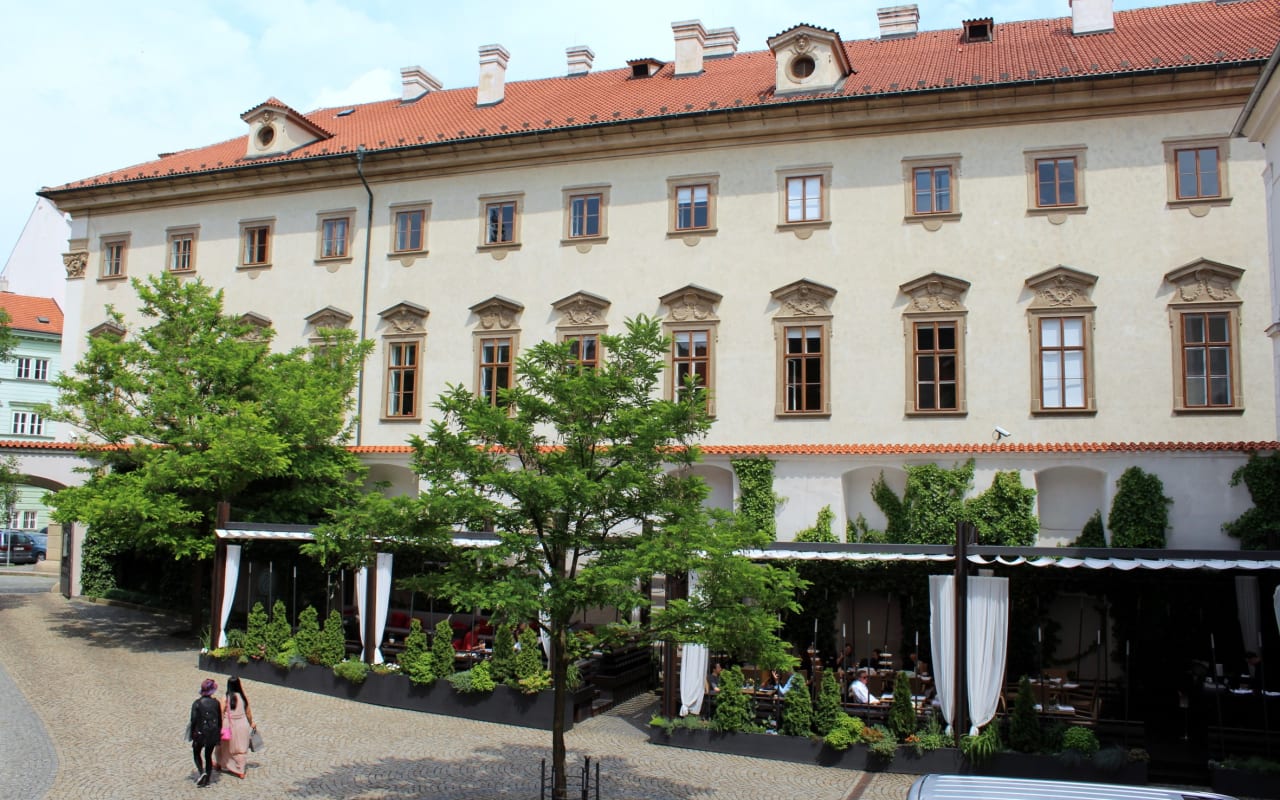
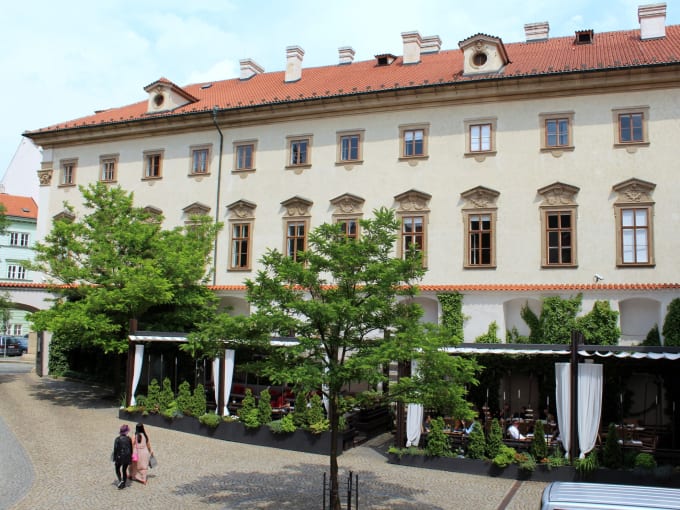
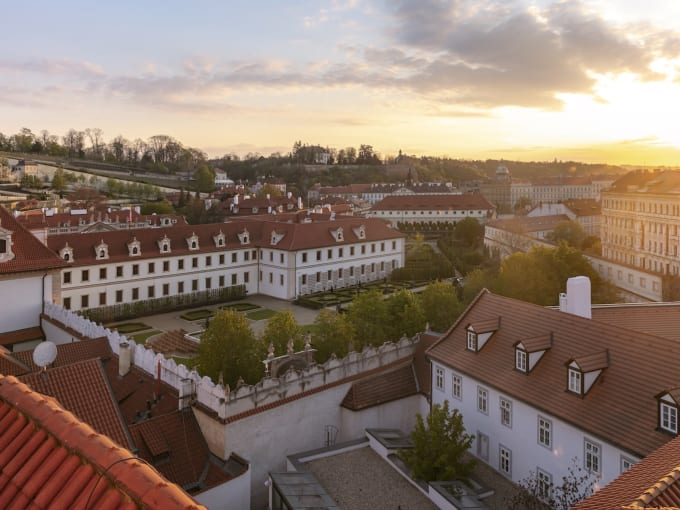
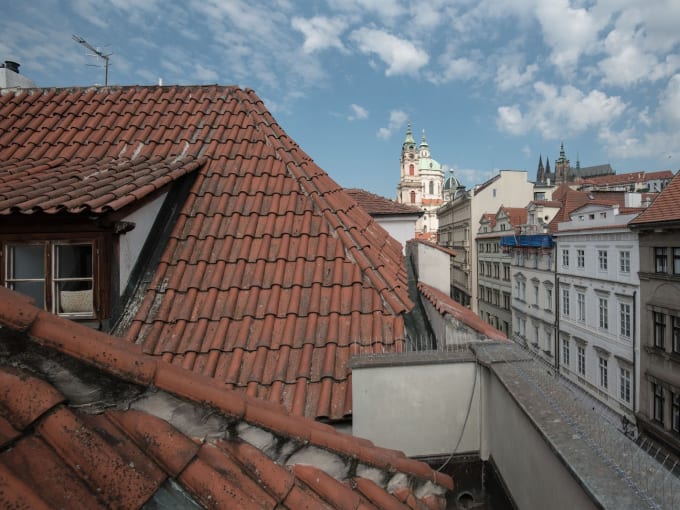
Prague is particularly well-suited to the concept of charming hotels. The city never truly separates an address from its urban backdrop. Here, a baroque façade converses with a cobbled courtyard. There, an ancient palace opens onto a quiet alley in Malá Strana. For a traveller attuned to heritage, the choice of hotel is as significant as the itinerary. It shapes the rhythm of the stay, the perception of the city, and sometimes even the quality of the memory. This is precisely what makes this ranking useful. Between the Kempinski Hybernska, the Mandarin Oriental Prague, the Four Seasons Hotel Prague, and the Golden Well Hotel, Prague showcases several facets of charm. None are truly alike. Each tells a different story of how to inhabit the local history.
At MyConciergeHotel, we do not confuse charm with mere decor. A charming hotel in Prague must first maintain a credible relationship with its surroundings. This encompasses the address, the scale of the venue, architectural coherence, and the ability to evoke the city upon arrival. We also consider the clarity of the experience. A grand palace can be charming if it retains a genuine intimacy. A boutique hotel may be less convincing if it relies solely on surface aesthetics. Our assessment is therefore based on several criteria. The built heritage is highly significant. The connection to a historic neighbourhood is equally important. We also examine the uniqueness of the spaces, the quality of the restoration of the building, and how the service complements this setting without overwhelming it.
The Prague panorama is more varied than one might imagine. Some hotels emphasise solemn heritage, such as the Mamaison Suite Hotel Pachtuv Palace, which is situated in an immediately recognisable palatial style. Others adopt a more discreet, almost residential tone, like Domus Balthasar. In Malá Strana, The Augustine Hotel and the Mandarin Oriental Prague are embedded in a dense historical fabric. They appeal equally to architecture enthusiasts and travellers who value tranquillity. In a different vein, the Alchymist Grand Hotel & Spa embraces a more theatrical interpretation of heritage. The Buddha Bar Hotel Prague introduces a more contemporary dimension in the old town. The Emblem offers a more urban approach. Finally, the Four Seasons Hotel Prague reminds us that a major international name can engage with a historic site without neutralising it.
For 2025 and 2026, we observe a more precise expectation from high-end travellers. Heritage alone is no longer a sufficient argument. It must be inhabited, legible, and genuinely accessible within the daily experience. Clients seek less of a museum effect and more of a sense of continuity between the city and the hotel. In Prague, this favours establishments capable of offering a true relationship with the neighbourhood. A terrace with a view of the rooftops, a reinterpreted former cloister, a suite that retains historical volumes, or seamless access to major sites on foot become more valuable. What our advisors also observe is the return of a more understated luxury. Travellers are requesting less demonstration. They favour authenticity, atmosphere, and the feeling of having chosen a meaningful address.
This perspective aligns with a certain idea of French luxury, which we advocate at Le Concierge. Refinement does not stem from accumulation. It lies in precision. A successful charming hotel knows how to highlight its history without turning it into a burdensome argument. It leaves space for the traveller. It encourages slowing down, opening the curtains early, and returning before dinner to fully enjoy the place. In Prague, this philosophy works particularly well. The city invites walking, observation, detours, and returns. A well-chosen hotel then becomes an extension of this experience. My advice is simple. In this destination, always prioritise the alignment between your travel style and the neighbourhood. Charm often depends more on this correspondence than on the number of amenities.
It is also essential to approach this ranking methodically. We do not seek to designate a universal winner. Each hotel meets a distinct expectation. The Golden Well Hotel will appeal more to travellers seeking an intimate address close to the Castle. The Four Seasons Hotel Prague will suit those desiring a grand classical setting, strongly located by the Vltava. The Mandarin Oriental Prague will resonate with fans of historically reinterpreted spaces. The Buddha Bar Hotel Prague caters to a clientele more sensitive to ambiance and design. The Alchymist Grand Hotel & Spa embraces a more opulent aesthetic. The right choice thus depends on the intended stay. Heritage weekend, anniversary, first discovery of Prague, or a return to the city with more targeted expectations.
Our top 8 fits within this logic. It does not reward a single definition of charm. It organises eight credible ways to experience Prague through its hotels. A key takeaway before reading further: the best charming hotel is not always the most famous. It is often the one that places you in the right spot, at the right tempo, with the right historical depth.