Cambodia holds a unique position in the realm of exceptional hospitality in Southeast Asia. The country boasts a concentration of historic city addresses alongside more intimate retreats. For discerning travellers, this density creates a choice that is less straightforward than it may seem. Between Siem Reap, the gateway to Angkor, and Phnom Penh, a capital in the midst of affirmation, the styles vary significantly. Some hotels emphasise colonial memory and grand volumes, while others focus on a more contemporary interpretation of the five-star experience. It is precisely this contrast that makes the subject intriguing. In Cambodia, luxury hospitality is not merely about decor or service; it is also expressed through the relationship to heritage, the rhythm of travel, and the manner of inhabiting a destination steeped in history.
To establish this ranking, we employ a straightforward and readable editorial method. We first observe the consistency of the hotel positioning, which includes the brand's reputation, local grounding, and the coherence between promise and experience. We then consider the geographical location, essential in a country where access to sites structures the stay. Architectural quality is also significant, whether it stems from historical heritage, convincing restoration, or a well-executed contemporary design. We assess a hotel's ability to offer a complete experience, encompassing communal spaces, service level, intimacy, and the relevance of amenities. Finally, our advisors look at a criterion that is often decisive: a great hotel is not just well-maintained; it must also inspire a desire to return or to stay longer than planned.
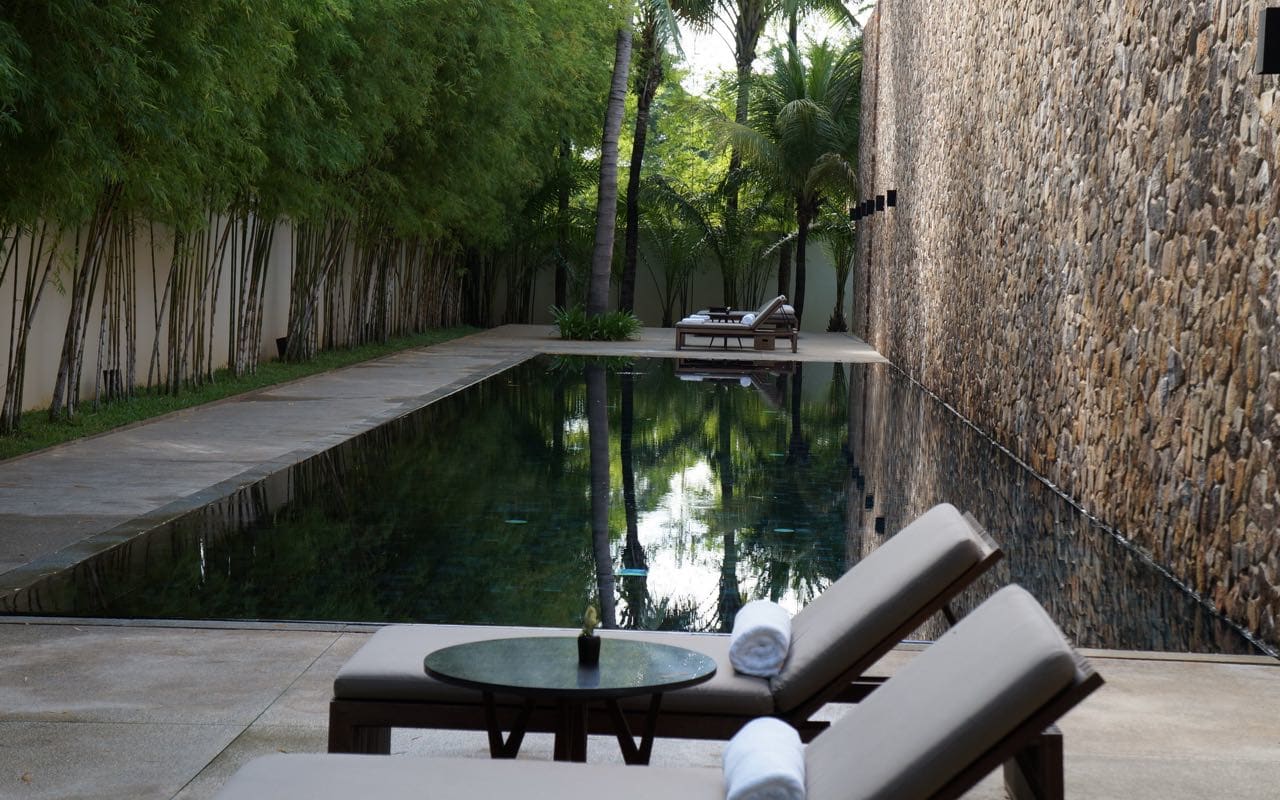
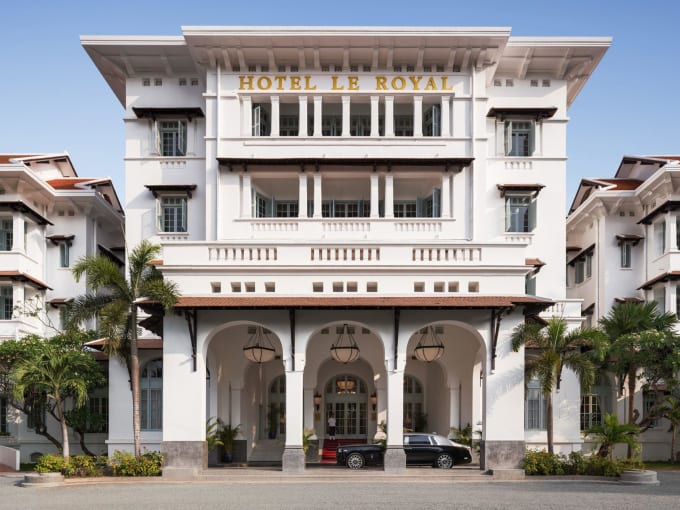
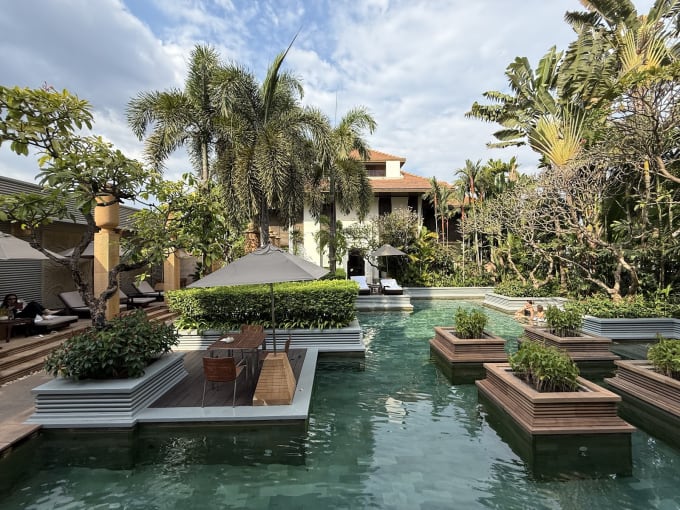
The Cambodian panorama presented here reveals a richness that goes beyond a simple juxtaposition of heritage and modernity. In Siem Reap, Amansara offers a very refined interpretation of cultural stays. Angkor Village Hotel champions a more intimate scale, with a spirit deeply rooted in the destination. Park Hyatt Siem Reap attracts those seeking an international address that is accessible and centrally located. Raffles Grand Hotel D'Angkor embodies a grand hotel tradition associated with the history of Angkor. In Phnom Penh, Raffles Hotel Le Royal remains a heritage reference for understanding the capital. Rosewood Phnom Penh represents another facet of Cambodian luxury, that of a city becoming more vertical, international, and embracing more urban codes. It is important to note that this ranking does not simply juxtapose six variations of the same model; it contrasts six ways of experiencing Cambodia.
For 2025 and 2026, several trends are emerging in this market. The first concerns the relationship with time. Travellers are less inclined to accumulate stops; they seek hotels capable of supporting longer stays with genuinely livable spaces. The second trend relates to the clarity of service. The most compelling addresses no longer overplay the spectacle; they prioritise precision, fluidity, and appropriate distance. We also observe a growing interest in hotels that serve as cultural bases, particularly around Siem Reap. Finally, the capital is gaining traction among clientele who no longer wish to treat it as a mere stopover. Phnom Penh is increasingly appealing in its own right, thanks to hotels that can reveal its energy, history, and ongoing transformation.
In this selection, the notion of French-style luxury does not imply a French decor or a façade nostalgia; it refers rather to a certain idea of moderation. A great hotel must know how to prioritise attentions, avoid excess, and leave space for the traveller. This philosophy seems particularly relevant in Cambodia, which calls for addresses that accompany discovery without overwhelming it. Well-trained service, a room designed for rest after visits, a clear dining experience, a coherent spa, or a garden that shields from the external pace—these are markers more substantial than any fleeting trend. What our advisors often observe is this: the best Cambodian hotels do not seek to impress at every turn; they instead organise a continuity of comfort, calm, and understanding of the place.
Thus, this ranking should be read as a tool for orientation, not as a universal verdict. The top hotel is not necessarily the best for everyone; it is the one that, according to our criteria, most strongly combines location, coherence, service, and hotel scope. However, each address caters to a distinct use. A trip centred on the temples of Angkor does not necessarily call for the same hotel as an urban stay in Phnom Penh. Similarly, some travellers will favour a grand historic house, while others may prefer a more contemporary address or a more discreet setting. My advice is simple: view this ranking with your itinerary in mind. The right question is not merely which hotel is the highest ranked; the real question is which hotel will allow you to experience Cambodia at the right tempo.
It is in this spirit that we have constructed this Top 6. You will find international signatures, historical institutions, and more intimate addresses. All have a clear legitimacy. The task remains to identify which one best corresponds to your way of travelling.