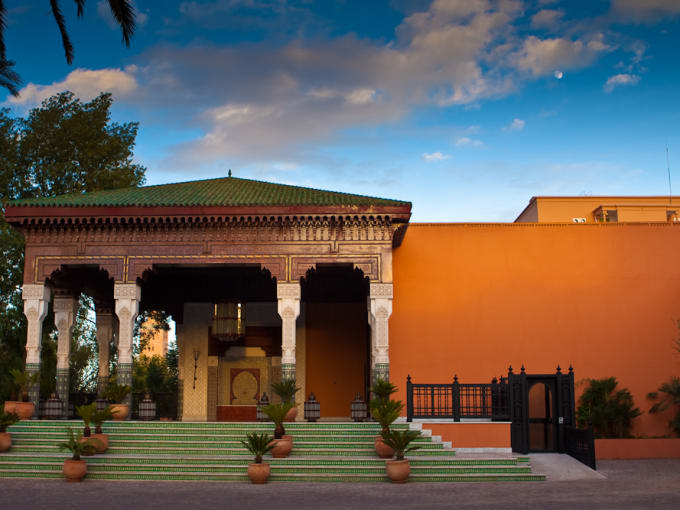
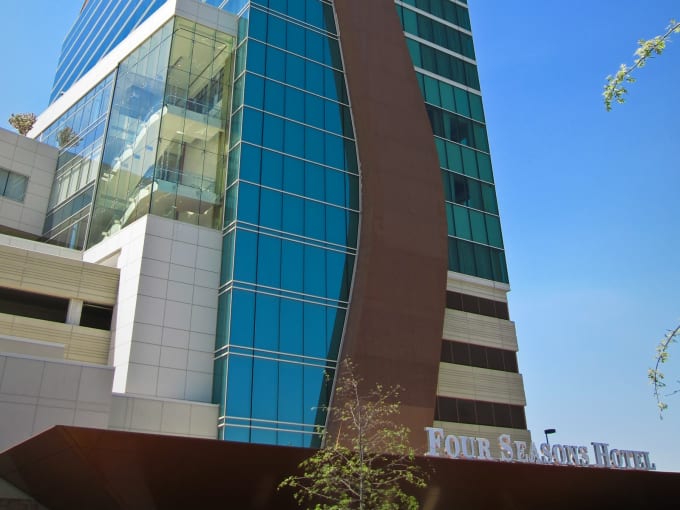
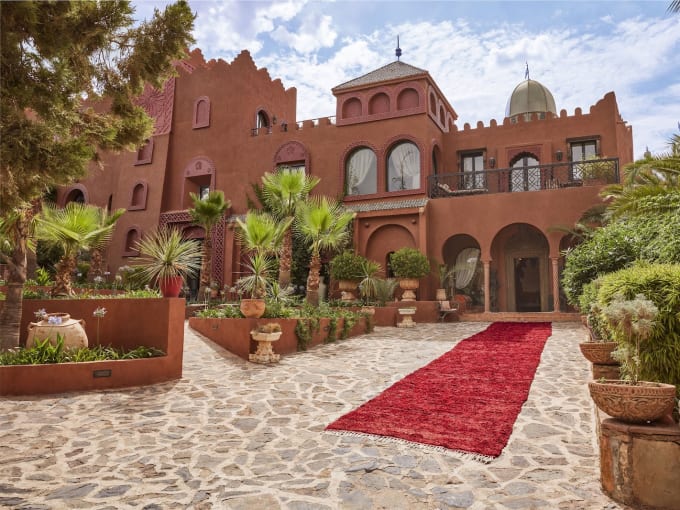
Morocco holds a unique position in the five-star hospitality sector. The country combines European proximity, profound culture, and a rare geographical diversity. In just a few days, a traveller can transition from a historic medina to an Atlantic resort. They may also opt for an urban palace, a discreet riad, or a more contemporary address. It is precisely this breadth that makes the segment so engaging to explore. In Marrakech, Amanjena, Four Seasons Hotel Marrakech, Hôtel Barrière Le Naoura, Hôtel Palais Ronsard, Ksar Char-Bagh, Dar Kemgia, and Club Med Exclusive Collection Marrakech le Riad already present several visions of a stay. Further afield, Fairmont Taghazout Bay, Kasbah Tamadot, Hotel Sahrai, Hôtel Riad Fès, Hôtel Heure Bleue Palais, Four Seasons Hotel Casablanca, Hôtel Le Doge, and Hôtel Château Roslane further expand the spectrum.
To establish a credible editorial ranking, we do not seek sensationalism. We first observe verifiable elements. The five-star category serves as the foundation. Next, we analyse the coherence of the experience. Does the address fulfil its promise according to its city, environment, and positioning? We also consider the quality of the location. A medina hotel cannot be judged in the same way as a coastal resort. A garden palace in Marrakech faces different challenges than a characterful house in Essaouira. Our advisors finally cross-reference the product's clarity, service consistency, and the hotel's ability to cater to different uses: couples, families, short stays, cultural getaways, or more contemplative retreats.
The Moroccan panorama deserves to be read as a collection of distinct worlds. Marrakech remains the driving force, with a unique density of five-star addresses. Here, one finds well-structured garden hotels, more intimate riads, and houses inspired by palatial vocabulary. Amanjena appeals to travellers who prioritise space, restraint, and a sense of retreat. Four Seasons Hotel Marrakech aligns more with the logic of a grand urban resort. Hôtel Barrière Le Naoura fits into a central and practical reading of the city. Ksar Char-Bagh and Hôtel Palais Ronsard attract with their more heritage-focused narratives. Outside Marrakech, Fès contrasts the historical refinement of Hôtel Riad Fès with the more contemporary line of Hotel Sahrai. Essaouira, Casablanca, Taghazout, Asni, and El Hajeb further enrich this mapping.
For 2025 and 2026, several trends are solidifying in Morocco. The first concerns the return of longer stays. Travellers are no longer seeking merely an elegant base. They desire an address that structures the rhythm of their journey. This favours hotels capable of articulating accommodation, wellness, dining, and spaciousness. The second trend relates to geography. The Atlantic is gaining desirability, making Fairmont Taghazout Bay particularly interesting in a contemporary reading of Moroccan beach luxury. The third pertains to discernible authenticity. Clients are becoming more attentive to the truth of a place. A riad must embrace its intimacy. A large hotel must embrace its scale. What our advisors observe is a clear preference for coherent addresses rather than overly general promises.
Hotel luxury in Morocco is also understood through a subtle relationship with hospitality. There exists a fertile meeting of international codes and local sensibilities of welcome. For us, the French reference does not imply uniformity. It entails precision, service standards, and attention to useful detail. A successful five-star hotel is not only beautiful; it is also comprehensible. It facilitates the stay without burdening it. It knows when to offer assistance and when to step back. This philosophy allows for a better understanding of very different hotels. Kasbah Tamadot does not tell the same story as Four Seasons Hotel Casablanca. Hôtel Heure Bleue Palais does not have the same tempo as Club Med Exclusive Collection Marrakech le Riad. Yet, each can embody a form of just luxury, provided the promise is consistently upheld.
Thus, this ranking should be read without a reflex for superlatives. The number one does not overshadow the number ten. It simply responds better, in our view, to a set of editorial criteria. Some travellers will seek the discretion of a small capacity. Others will want gardens, a large pool, or more fluid family logistics. Some will prioritise the historical anchoring of a medina. Others will prefer the openness to the ocean or the convenience of a major urban axis. My advice is simple. Always consider the alignment between the hotel and the actual journey you are planning. A weekend for two, a first trip to Morocco, a honeymoon, a business trip to Casablanca, or a retreat in the Atlas all require different addresses. It is this nuance that guides our selection.
Our Top 10 of the best five-star hotels in Morocco is grounded in this logic. It distinguishes solid signatures, relevant locations, and clearly defined experiences. You will find recognised institutions, more discreet refuges, and several distinctly Moroccan ways to experience contemporary luxury.