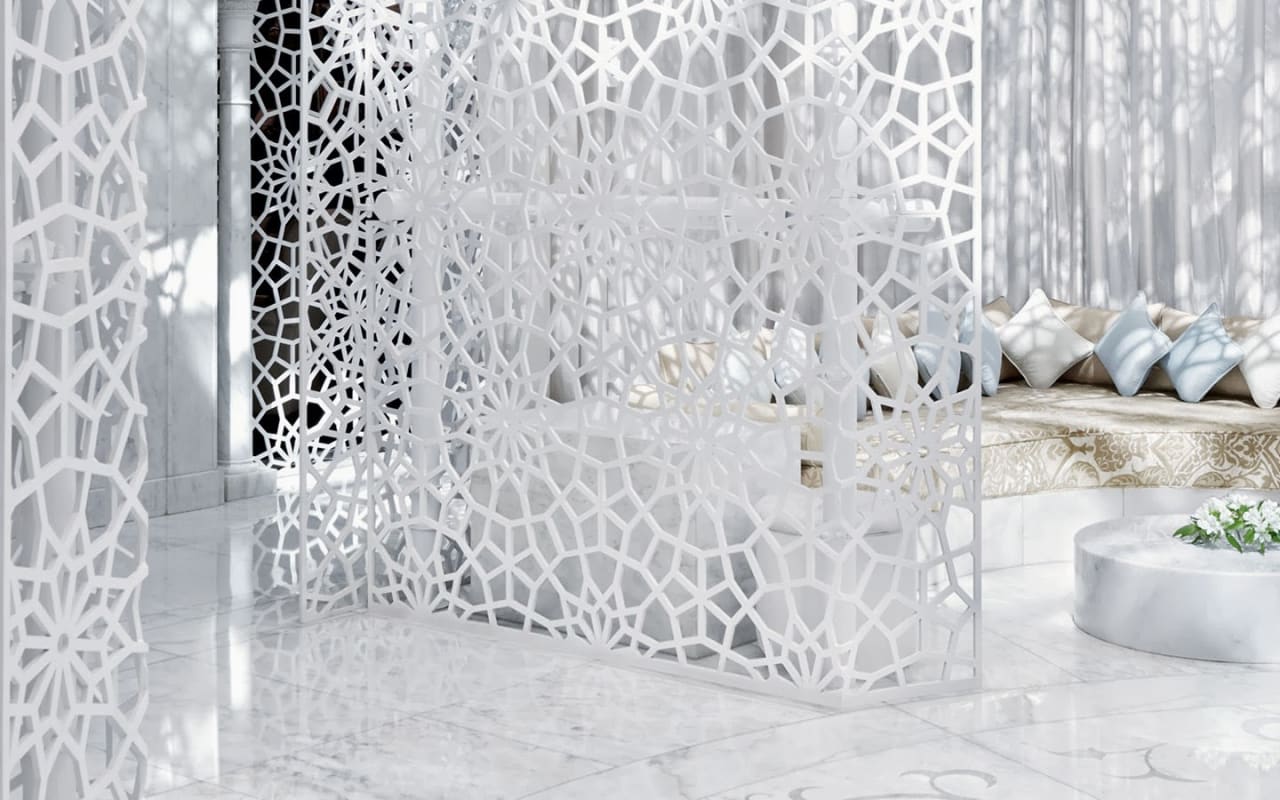
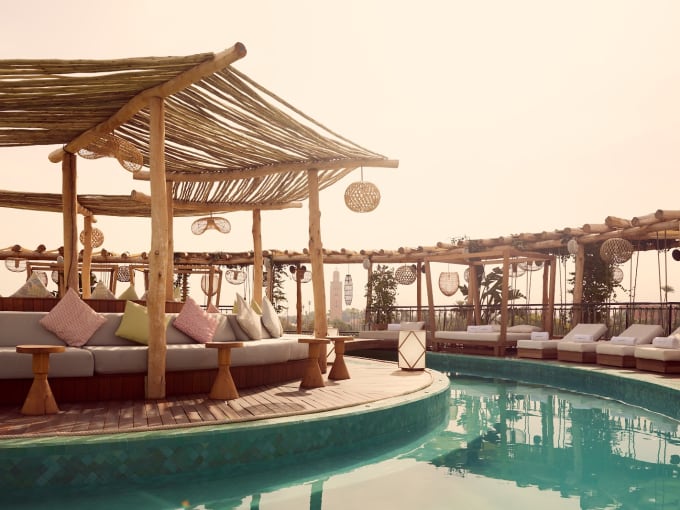
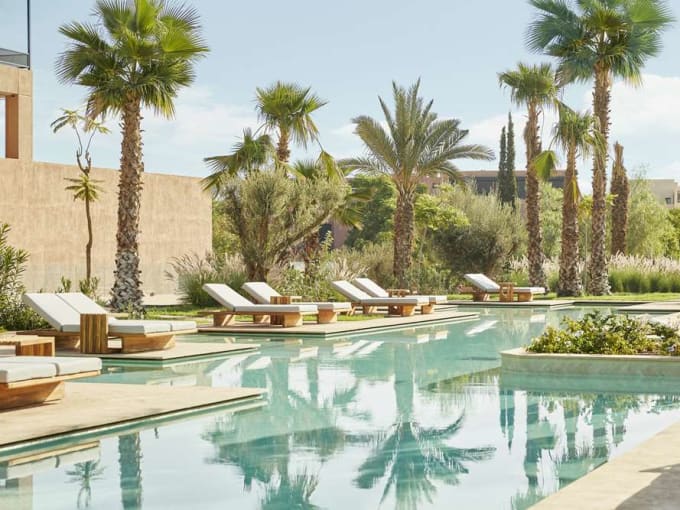
In Morocco, hotel design transcends mere decoration. It shapes a way of experiencing the country, its light and materials. From Marrakech, Fès, Essaouira, Taghazout, Asni to El Hajeb, the luxury hospitality scene presents a richly nuanced landscape. Here, one encounters urban palaces, sophisticated riads, ocean retreats, and more secluded estates. This subject warrants a dedicated ranking. In this context, design is neither limited to minimalism nor to signature effects. It pertains as much to the proportions of a patio as to the layout of a garden. It is reflected in the relationship between architecture, craftsmanship, and contemporary comfort. This dialogue is precisely what our travellers seek today. They desire character, but also coherence. They want a thoughtfully conceived address, not merely a stylised one.
To establish this overview, MyConciergeHotel relies on concrete criteria. We first observe the clarity of the architectural intent. A design hotel must express an identifiable vision, from the overall plan to the functional details. Next, we assess the quality of materials, the presence of artisanal work, and the integration into the locale. The relationship between indoor and outdoor spaces is particularly significant in Morocco. Light, shadow, water, and vegetation play a structuring role. We also consider the consistency of the experience. A beautiful reception is insufficient if the rooms, corridors, or wellness areas are poorly executed. Finally, we favour addresses where design genuinely enhances the stay. It is essential to note that aesthetics are never divorced from comfort, tranquillity, and functionality.
The authorised selection for this ranking showcases a rare diversity. Amanjena offers a refined interpretation of the Moorish palace, with a highly controlled aesthetic. La Mamounia remains a benchmark when it comes to orchestrating heritage, gardens, and Moroccan decorative codes. Nobu Hotel Marrakech presents a more urban, contemporary approach, designed for a clientele attuned to the rhythms of the city. Ksar Char-Bagh and Hôtel Palais Ronsard explore a more classical vein, yet with a true formal discipline. Les Deux Tours embodies a house-garden spirit, more organic in nature. In Essaouira, Hôtel Heure Bleue Palais recalls the strength of the maritime riad. In Fès, Hôtel Riad Fès highlights a more heritage-focused style. Fairmont Taghazout Bay introduces a coastal scale. Finally, Kasbah Tamadot shifts the gaze towards the Atlas and a different relationship with the landscape.
The trends for 2025 and 2026 confirm several underlying themes. Firstly, Moroccan hotel design is moving away from overly demonstrative decor. Experienced travellers now prefer more breathable compositions. They seek better-proportioned rooms, more subdued palettes, and less saturated communal spaces. Secondly, local anchoring is becoming more demanding. It is no longer sufficient to accumulate zelliges, tadelakt, and lanterns. What our advisors observe is a desire for authenticity. The best projects use Moroccan craftsmanship judiciously, without resorting to superficial folklore. Another clear evolution is that wellness is influencing architecture. Spas, quiet patios, shaded terraces, and pools are becoming structural elements. Lastly, sustainable design is on the rise. It encompasses natural ventilation, the role of greenery, and materials better suited to the climate.
This ranking also conveys something about French luxury, as we advocate it. It is not about imposing a French style in Morocco. Rather, it is a method of perception. We value composition, poise, discreet service, and overall coherence. A great design hotel is not one that multiplies effects. It is one that knows how to prioritise sensations. The entrance sets the rhythm. The room shields from visual noise. The restaurant, spa, and gardens extend a unified idea. In this interpretation, luxury remains a matter of balance. Generosity counts, but so does restraint. My advice in Morocco is simple. Always observe how a hotel manages transitions. The passage from the street to the patio, from the patio to the suite, or from the suite to the garden often reveals the true quality of the project.
It is also important to approach this ranking without absolute reflexes. We do not seek to designate a universal winner. Each address caters to a different expectation, and that is a good thing. Some travellers will favour the serene monumentality of a grand estate. Others will prefer the intimacy of a riad or the clarity of a coastal resort. Design can be heritage-inspired, modernist, landscape-oriented, or decorative, without losing its relevance. Our hierarchy distinguishes different styles, coherences, and uses. It does not penalise other sensitivities. A hotel can be remarkable for its service, location, or atmosphere, without ranking highly solely on design criteria. That is why our rankings are designed as tools for choice. They help guide, not homogenise. The right design hotel is primarily one that aligns with your way of travelling.
In the following Top 10, you will find very different signatures. Some addresses impress with their architecture. Others convince with the precision of their details. All share a clear vision. It is this vision that we have ranked.