Amsterdam holds a unique position in the European hotel landscape. The city boasts few addresses, yet many strong signatures. Here, luxury is not solely measured by the number of stars; it is also defined by location, the relationship to the canals, the quality of heritage dining, and an hotel's ability to present Amsterdam in an unfiltered manner. Between reinvented merchant houses, grand historical institutions, and highly anticipated openings, the discerning visitor finds a rich playground. This is precisely what makes a ranking useful. In Amsterdam, two hotels may offer the same level of service while providing very different experiences. Whether for a cultural stay, a romantic weekend, a discreet business trip, a wellness retreat, or a first discovery of the city, the right choice primarily depends on the style of the stay.
To establish this ranking, we employ a straightforward yet demanding method. We first examine verifiable fundamentals: five-star category, brand reputation, inclusion in a recognised collection, city location, quality of the building, and consistency of the experience weigh more heavily than mere marketing claims. We also consider the clarity of the offering. A large hotel may attract with its history but lose clarity if its spaces are scattered. Conversely, a more intimate address may gain points for its precise execution. What our advisors primarily observe is the alignment between promise and reality. In Amsterdam, this means being able to distinguish between a destination hotel, a neighbourhood retreat, an urban palace, or a house designed for experiencing the canals on foot.
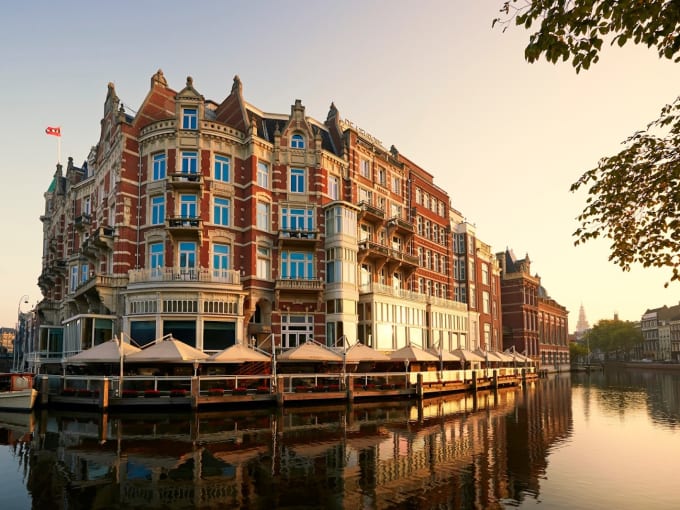
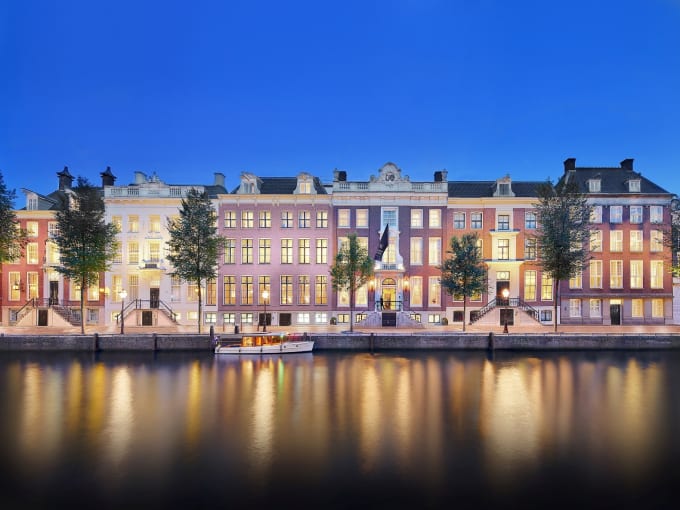
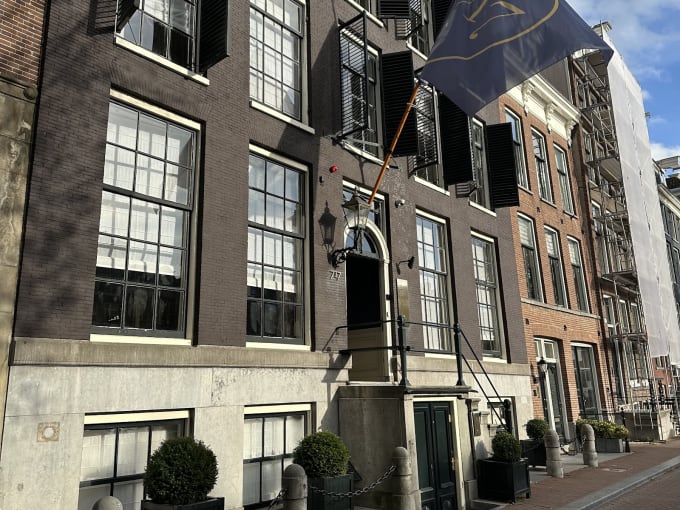
The Amsterdam panorama is more varied than it appears. Waldorf Astoria Amsterdam embodies the quintessential canal address, with a well-structured heritage narrative. De L'Europe remains a central institution, known for its historical roots and strategic location. Mandarin Oriental, Amsterdam plays a more contemporary tune in a major cultural district. Hotel Okura Amsterdam asserts an international stature, with a more vertical presence and a different relationship to the city. Hôtel Pulitzer and Canal House tell another story of Amsterdam, one of assembled houses, irregular volumes, and a more residential luxury. Anantara Grand Hotel Krasnapolsky Amsterdam, Tivoli Doelen, NH Collection Amsterdam Barbizon Palace, TwentySeven Hotel, 717 Hotel, and Rosewood Amsterdam complete a selection where each address offers a distinct interpretation of high-end stays.
For 2025 and 2026, several trends are clearly emerging. The first concerns the return of heritage as a central argument. Travellers are seeking less standardised spectacle and more places rooted in their city. Amsterdam responds well to this expectation. Facades, staircases, water views, and the plans of narrow houses are becoming desirable elements. The second trend is that luxury hospitality is seeking a better balance between intimacy and full services. Some guests desire an ambitious spa and multiple restaurants, while others favour a smaller capacity with highly personalised service. The third trend relates to the duration of stays. Amsterdam is no longer just a two-night getaway. We are seeing more longer stays that combine museums, shopping, meetings, and neighbourhood breaks. In this context, the exact location becomes crucial once again.
At MyConciergeHotel, we advocate a simple idea of luxury. Luxury is not about accumulation; it is about precision. A smooth arrival, a well-thought-out room, serious soundproofing, a meaningful view, and service that anticipates without intruding. This approach, closely aligned with a French concierge culture, is particularly suited to Amsterdam. The city does not favour ostentation; it prefers mastery, human scale, and details that reveal themselves over time. My advice here is to never choose solely based on a brand name. One must choose a relationship with the city. Sleeping on a grand canal does not offer the same experience as staying near the museums, Dam Square, or in the South. The right hotel is one that simplifies your Amsterdam experience without standardising it.
This ranking should therefore be viewed as a guiding framework, not as an absolute verdict. The number one spot is not the only answer; it corresponds to a sum of editorial criteria. Other hotels may be better suited depending on the purpose of the trip. A couple seeking intimacy may not choose the same address as a fan of large international brands. A regular visitor to Amsterdam may prefer a characterful house, while a first-time visitor might benefit from opting for a central institution. It is also important to note that Amsterdam's luxury operates largely through nuances. The difference lies in the atmosphere, size, interpretation of heritage, or the way one inhabits a neighbourhood. This is why we value each ranked address; each deserves its place for distinct and perfectly defensible reasons.
In the following top list, you will find twelve hotels capable of representing Amsterdam at a high level. Some excel due to their heritage, while others shine through their modernity, location, or sense of service. All provide a useful key to understanding the city.