Nos critères de sélection
Notre méthode part d’un principe simple. Un Six Senses doit exprimer sa promesse dans tout le séjour. Nous ne classons donc pas seulement un beau resort. Nous évaluons une vision cohérente, lisible du spa à la table, de l’architecture au rythme des journées. Le wellness pèse le plus lourd dans notre lecture. Nous regardons la qualité du spa, la profondeur des programmes, la présence d’approches intégratives et la capacité de l’hôtel à proposer plus qu’une carte de soins. Un établissement gagne des points quand le bien-être structure l’expérience. Cela concerne aussi le sommeil, le mouvement, la récupération, la nutrition et le rapport au temps. À retenir, nous privilégions les adresses où l’on sent une méthode. Pas un simple décor de bien-être.
Le deuxième pilier est la cohérence durable. Le sujet ne se résume pas à quelques gestes visibles. Nous observons la manière dont la durabilité s’inscrit dans l’exploitation quotidienne. Cela inclut les matériaux, l’énergie, l’eau, la gestion des déchets, les jardins, l’approvisionnement et la pédagogie proposée aux hôtes. Nous valorisons les hôtels où ces choix restent concrets et compréhensibles. La durabilité doit soutenir l’expérience, pas la parasiter. Mon conseil est de lire ce critère comme un test de crédibilité. Quand un Six Senses est convaincant, la responsabilité environnementale se lit dans les détails. Elle se voit dans l’architecture, dans la restauration, dans les activités et dans la relation au territoire. Ce que nos conseillers observent souvent est très simple. Les meilleures adresses n’affichent pas seulement des intentions. Elles organisent le séjour autour de pratiques tangibles.
La destination compte ensuite, mais jamais seule. Nous ne récompensons pas uniquement un site spectaculaire. Nous cherchons l’accord juste entre le lieu et la marque. Une île isolée, une vallée viticole, une baie, une montagne ou un contexte urbain n’offrent pas les mêmes possibilités. Le classement favorise les hôtels qui exploitent intelligemment leur environnement. Cela peut passer par une topographie remarquable, une immersion dans la nature, un accès privilégié à la mer, ou une lecture sensible d’un paysage culturel. Le design entre ici en jeu. Nous examinons la qualité architecturale, l’usage des matériaux, l’intimité des espaces, la circulation, la lumière et la manière dont les chambres prolongent le cadre naturel. Un Six Senses bien classé ne se contente pas d’être photogénique. Il doit rendre le lieu plus lisible, plus habitable, plus apaisant.
Enfin, nous jugeons l’expérience globale. C’est souvent là que se jouent les écarts entre deux très belles adresses. Nous regardons la fluidité du service, la sensation d’espace, la qualité du sommeil, la pertinence de la restauration et la capacité de l’hôtel à maintenir un niveau constant. Le concept Six Senses doit rester perceptible du début à la fin. Un excellent spa ne suffit pas si la table semble déconnectée. Une architecture forte ne suffit pas si le séjour manque de rythme. Nous valorisons donc les hôtels où chaque composante renforce l’autre. Le classement final reflète cet équilibre. Le wellness reste le premier filtre. La durabilité crédible vient ensuite. Puis la destination, le design et l’expérience complète affinent la hiérarchie. C’est cette lecture qui nous intéresse chez MyConciergeHotel.com. Identifier les adresses où la signature Six Senses ne se raconte pas seulement. Elle se vit, avec constance, dans chaque détail.
Pourquoi Six Senses compte dans l'hôtellerie contemporaine
Six Senses compte dans l’hôtellerie contemporaine parce que la marque a formulé tôt une promesse devenue centrale aujourd’hui. Elle n’a pas seulement ajouté un spa à l’expérience de séjour. Elle a organisé l’hôtel autour du bien-être, du rythme et du lieu. Cette nuance est importante. Dans beaucoup d’adresses de luxe, le wellness reste un département. Chez Six Senses, il devient une grammaire de séjour. Nos conseillers observent cette cohérence depuis plusieurs années. Le client comprend vite ce qu’il vient chercher. Du temps, de l’espace, un sommeil mieux protégé, une cuisine plus lisible et un rapport plus direct à l’environnement. Cette clarté explique la place de la marque dans les conversations actuelles sur le luxe. Elle a donné un vocabulaire simple à des attentes qui étaient encore dispersées. Retraite bien-être, immersion locale, durabilité concrète et standards internationaux peuvent cohabiter. C’est l’un de ses apports les plus nets.
L’autre point décisif concerne l’éco-conception et la gestion des ressources. Bien avant que la durabilité devienne un argument généralisé, Six Senses l’a intégrée au récit hôtelier. Le sujet n’est pas présenté comme une couche de communication. Il touche la manière de construire, d’exploiter et d’expliquer l’hôtel. Cela se voit dans des implantations souvent pensées avec le paysage, dans l’attention portée aux matériaux et dans le refus d’un luxe trop démonstratif. Le résultat n’est pas uniforme, car chaque adresse dépend de son contexte. Mais la ligne reste lisible. Le luxe n’est pas défini par l’accumulation. Il l’est par le confort, l’intelligence d’usage et la relation au site. À retenir, cette approche a contribué à déplacer les attentes d’une partie de la clientèle haut de gamme. Le voyageur ne demande plus seulement une belle chambre et un service fluide. Il veut aussi comprendre comment l’hôtel s’insère dans son territoire. Six Senses a aidé à rendre cette question légitime, sans renoncer au niveau d’exigence international.
La marque a aussi compté parce qu’elle a donné une forme concrète au slow travel. Là encore, l’idée semble évidente aujourd’hui. Elle l’était moins quand le luxe restait largement associé à la vitesse, à la multiplication des étapes et à la consommation de destinations. Six Senses a défendu une autre temporalité. On y vient pour rester, pour ralentir et pour se reconnecter à un environnement précis. Cette logique change la conception du séjour. Les espaces communs, les programmes de bien-être, les activités liées à la nature et la lecture du territoire ne sont plus périphériques. Ils deviennent le cœur de l’expérience. Ce que nos conseillers observent, c’est que cette promesse parle à des profils variés. Couples, familles et voyageurs solo y trouvent un cadre lisible. Chacun peut y projeter un besoin différent. Repos, remise en forme, pause numérique ou immersion locale. Cette polyvalence renforce la pertinence de la marque dans un marché du luxe devenu plus segmenté.
Enfin, Six Senses compte parce qu’elle a réussi un équilibre rarement simple. Elle propose une identité forte, sans effacer totalement la singularité des destinations. C’est un point essentiel dans l’hôtellerie internationale. Trop de marques standardisent le séjour au point de neutraliser le lieu. À l’inverse, une approche trop locale peut fragiliser la cohérence de service. Six Senses a structuré un langage clair entre ces deux pôles. Le client retrouve des repères. Il attend un certain rapport au bien-être, à la nature, à la nutrition et au sommeil. Mais il attend aussi une interprétation locale crédible. Mon conseil, c’est de lire la collection comme un marqueur d’époque. Elle a accompagné la transformation du luxe, puis elle l’a en partie accélérée. Aujourd’hui, beaucoup d’enseignes parlent de wellness, de durabilité et d’expérience ancrée. Six Senses fait partie des marques qui ont contribué à rendre cette combinaison intelligible, désirable et commercialement solide.
Questions sur cette section
Pourquoi Six Senses est-il devenu une référence du wellness haut de gamme ?
Six Senses s’est imposé en associant hospitalité de luxe, destination forte et vision du bien-être plus large que le spa traditionnel. La marque a développé une identité claire, centrée sur le sommeil, l’équilibre, le mouvement, la nutrition et la reconnexion au lieu. Cette cohérence compte beaucoup dans notre classement. Elle permet au voyageur de savoir ce qu’il vient chercher. Ce n’est pas seulement une collection de beaux resorts. C’est une promesse de séjour pensée autour du mieux-être.
Spa, longévité et programmes signatures
Pour lire Six Senses, il faut commencer par le spa. Dans cette collection, le wellness n'arrive pas après la chambre ou la plage. Il organise souvent le rythme du séjour. C'est particulièrement net dans les adresses qui articulent consultation initiale, suivi quotidien et programme ciblé. Le Wellness Screening joue ici un rôle central. Cette évaluation sert de point de départ à des recommandations plus précises. Elle oriente ensuite le sommeil, le mouvement, la nutrition et la récupération. À retenir, donc, une idée simple. Deux hôtels Six Senses peuvent partager le même niveau de luxe. Ils ne proposent pourtant pas la même lecture du corps, du stress ou de l'énergie. Mon conseil est toujours le même. Regardez d'abord les protocoles, puis seulement le décor.
Questions sur cette section
Dans ce classement, quelle place prend réellement le spa par rapport au reste de l’expérience ?
Le spa est central, mais il n’est jamais évalué seul. Dans notre lecture, un grand Six Senses doit articuler soins, hébergement, environnement, restauration et rythme du séjour. Un spa remarquable perd de sa force si le lieu manque de calme, de cohérence ou d’ancrage. Inversement, un spa bien conçu peut devenir exceptionnel dans un resort très juste dans son ensemble. À retenir : nous classons des expériences complètes, pas des cartes de soins isolées.
Tendances 2025-2026 : wellness mesuré et durabilité concrète
En 2025 et 2026, le voyage wellness change de nature. Les clients ne demandent plus seulement un spa bien dessiné. Ils veulent comprendre ce que le séjour améliore réellement. Sommeil, récupération, stress, mobilité, énergie, digestion, concentration. Le vocabulaire devient plus précis. Les attentes aussi. Ce que nos conseillers observent est net. Les séjours les plus recherchés combinent diagnostic initial, programme lisible et suivi concret. La promesse émotionnelle reste importante. Mais elle ne suffit plus. Dans ce contexte, Six Senses conserve une longueur d’avance éditoriale. La marque a installé depuis longtemps un dialogue crédible entre bien-être, science douce et hospitalité de grand luxe. Elle parle à une clientèle qui veut ralentir, sans renoncer au niveau de service. Elle parle aussi à des voyageurs qui veulent repartir avec des habitudes utiles, pas seulement avec de belles images.
Autre évolution forte, le retour du temps long. Le séjour de trois nuits existe toujours. Mais la demande monte pour des parenthèses plus structurées. Les clients cherchent des formats qui laissent une trace. Cela passe par des programmes de plusieurs jours, des routines répétées et des environnements qui favorisent la déconnexion. Le lieu compte donc autant que le soin. Un resort isolé, une île, une vallée, une baie ou un désert offrent un cadre plus cohérent qu’un simple empilement de traitements. Six Senses a bien compris cette attente. Son langage n’oppose pas luxe et lenteur. Il les réconcilie. Mon conseil est simple. Quand un voyageur veut un reset crédible, il faut regarder la qualité du rythme proposé. Horaires, sommeil, lumière, mouvement, silence, alimentation et immersion locale doivent former un ensemble. C’est cette cohérence qui devient désirable. Pas l’accumulation.
La durabilité suit la même logique. Le discours général ne convainc plus s’il reste abstrait. Les voyageurs veulent des preuves tangibles. Ils regardent la gestion de l’eau, la réduction du plastique, le compost, les jardins, l’approvisionnement local, la pédagogie sur place et la capacité d’un hôtel à montrer ses pratiques. Le zéro déchet devient un marqueur fort. Pas comme slogan. Comme système visible dans l’expérience. Le design biophilique progresse aussi, car il répond à une attente très concrète. Les clients veulent sentir le paysage, la ventilation, les matériaux, la lumière naturelle et le lien avec le vivant. Là encore, Six Senses reste une référence. La marque a installé une lecture opérationnelle de la durabilité, souvent intégrée aux espaces, aux ateliers et à la narration du séjour. À retenir, la crédibilité se joue désormais dans les détails observables. Une fontaine d’eau, un potager, un laboratoire de recyclage ou une architecture pensée pour le climat parlent plus fort qu’une formule marketing.
Enfin, la reconnexion devient un axe majeur. Elle ne se limite pas à l’absence d’écrans. Elle concerne la relation au corps, au sommeil, à la nature et au temps. Elle touche aussi les familles et les couples, qui cherchent des expériences partagées sans agitation permanente. Les hôtels les plus pertinents sont ceux qui savent proposer des rituels simples, répétés et accessibles. Marche, respiration, bains, méditation, mouvement doux, cuisine attentive, observation du ciel, contact avec le paysage. Rien de spectaculaire. Tout repose sur la qualité de l’orchestration. C’est précisément là que Six Senses reste central dans la conversation mondiale. La collection a contribué à installer un luxe plus conscient, sans rigidité démonstrative. Pour 2025 et 2026, cette position paraît particulièrement juste. Le marché ne demande pas moins de rêve. Il demande un rêve mieux prouvé, mieux conçu et plus responsable.
Questions sur cette section
La durabilité chez Six Senses est-elle un argument marketing ou un vrai critère de choix ?
C’est un vrai critère de choix, à condition de l’examiner avec nuance. Dans cette collection, la durabilité compte lorsqu’elle se traduit dans l’expérience concrète. Cela peut passer par l’architecture, la gestion des ressources, le lien au territoire ou une pédagogie discrète auprès du voyageur. Nous ne valorisons pas les discours seuls. Ce que nos conseillers observent : les adresses les plus convaincantes sont celles où l’engagement environnemental améliore le séjour, au lieu de le rendre démonstratif.
Gastronomie, nutrition et voyage conscient
Dans l’univers Six Senses, la table n’est pas un chapitre séparé. Elle prolonge le spa, le sommeil, le mouvement et l’attention portée au corps. C’est particulièrement net dans des adresses comme Six Senses Vana, Six Senses Ibiza et Six Senses Rome. Le discours n’oppose pas plaisir et discipline. Il cherche plutôt une forme d’équilibre durable, lisible sur plusieurs jours. Pour nos conseillers, c’est un critère décisif. Un séjour wellness convainc mieux quand l’assiette soutient réellement le programme.
Cette cohérence passe d’abord par le produit. Chez Six Senses, les jardins potagers, les herbes, les circuits courts et les approvisionnements locaux occupent souvent une place centrale. Six Senses Douro Valley, au cœur d’une région viticole historique, illustre bien cette logique territoriale. Six Senses Ninh Van Bay et Six Senses Yao Noi s’appuient aussi sur leur environnement immédiat. La mer, les fermes locales et la saison structurent l’offre. À retenir, la démonstration technique n’est pas le sujet principal. La marque privilégie généralement une cuisine lisible, fraîche et ancrée dans le lieu.
L’autre point fort concerne la nutrition pensée comme un service hôtelier, pas comme une contrainte. Six Senses Vana occupe ici une place à part. L’adresse est connue pour son approche intégrée du bien-être. L’alimentation y dialogue naturellement avec les consultations et les programmes. Six Senses Ibiza pousse aussi cette lecture contemporaine du wellness. L’hôtel a développé un positionnement très clair autour de la longévité, du mouvement et de la nutrition. Six Senses Rome, en contexte urbain, montre que cette philosophie peut fonctionner sans isolement insulaire. Pour un voyageur qui reste quatre ou cinq nuits, cette continuité compte beaucoup. Elle évite la fatigue des menus trop riches ou trop répétitifs.
Dans les resorts balnéaires, l’intérêt est ailleurs. Il tient à la capacité de maintenir une cuisine désirable sous climat chaud, avec des rythmes de séjour différents. Six Senses Laamu, Six Senses Kanuhura et Six Senses Zil Pasyon répondent bien à cet enjeu. Les voyageurs y alternent plage, activités nautiques, spa et repas plus légers. Une restauration trop démonstrative pèserait vite. Une restauration trop austère lasserait tout autant. Ce que nos conseillers observent, c’est que Six Senses cherche souvent la bonne ligne de crête. Des saveurs nettes, des produits identifiables, des options végétales crédibles et une sensation de confort digestif. Pour des vacances longues, cette précision fait une vraie différence.
Certaines adresses renforcent encore cette lecture par leur contexte agricole ou insulaire. Six Senses Krabey Island, Six Senses Samui et Six Senses Fiji bénéficient d’écosystèmes où la proximité du produit soutient naturellement le récit culinaire. Six Senses Kaplankaya et Six Senses Kocatas Mansions, Istanbul montrent une autre facette. La première s’inscrit dans un paysage égéen propice à une cuisine méditerranéenne simple et structurée. La seconde profite de la richesse gastronomique d’Istanbul, avec une lecture plus urbaine. Mon conseil est simple. Pour un séjour centré sur la nutrition, regardez d’abord Vana, Ibiza et Rome. Pour l’équilibre entre destination balnéaire et table cohérente, Laamu, Yao Noi et Douro Valley restent des choix très solides. Dans toute la collection, la restauration vise moins l’effet que la continuité. C’est souvent là que se joue la réussite d’un séjour conscient.
Les Six Senses les plus convaincants pour un voyage à deux
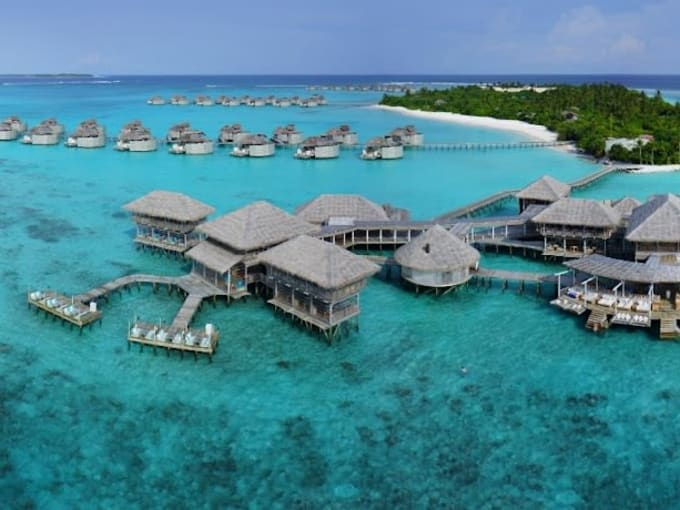
Pour un voyage à deux, tous les Six Senses ne racontent pas la même histoire. C’est précisément ce qui rend la collection intéressante. Nos conseillers observent trois familles très nettes. D’abord, les îles privées, pensées pour la coupure franche. Ensuite, les resorts intimistes, où l’espace et la topographie protègent naturellement la relation. Enfin, les retraites plus introspectives, où le spa, le silence et le rythme du lieu comptent davantage que la carte postale. Dans cette lecture, Six Senses Laamu reste une référence pour les couples qui veulent l’océan comme décor principal. L’adresse occupe une île reculée des Maldives. L’expérience se construit autour des villas sur pilotis, des trajets en bateau et d’un rapport immédiat au lagon. Pour une lune de miel, c’est souvent l’un des choix les plus cohérents. Six Senses Kanuhura parle aussi aux couples, mais avec une tonalité différente. L’île privée, les plages très étirées et la sensation d’espace créent une intimité plus légère, moins dramatique, plus balnéaire.
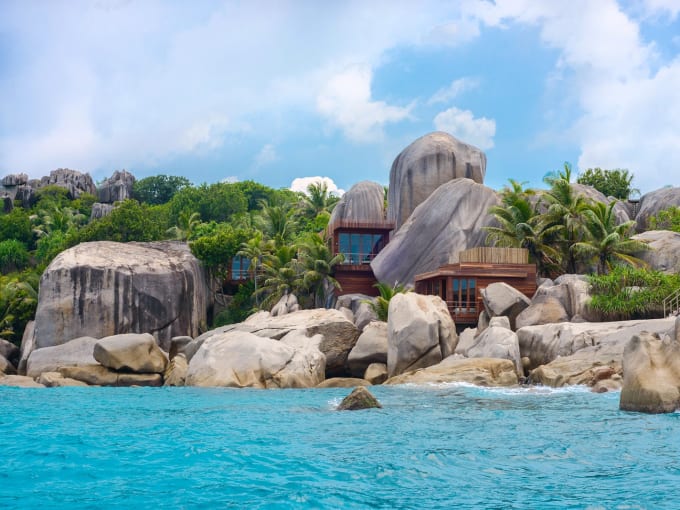
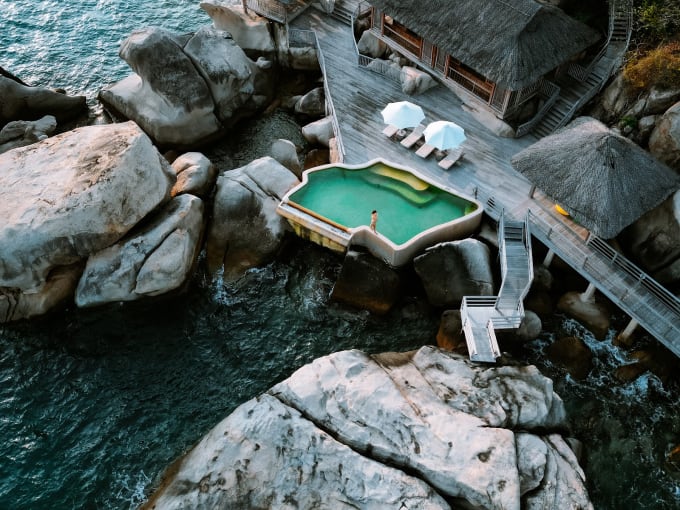
Dans le registre de l’île privée, Six Senses Zil Pasyon conserve une place à part. L’adresse se situe sur Félicité, aux Seychelles. Le relief granitique, les anses découpées et les villas dispersées renforcent la sensation d’isolement choisi. À retenir si vous cherchez un séjour à deux avec beaucoup d’autonomie. Le cadre favorise les journées peu structurées. On alterne plage, spa, terrasse et dîners sans quitter un périmètre très protégé. Six Senses Ninh Van Bay, au Vietnam, joue une autre partition. Le resort n’est pas sur une île privée, mais son accès par bateau produit un effet comparable. La baie, les rochers et la végétation créent une impression de retrait rare. C’est une adresse que nos conseillers citent souvent pour des couples qui veulent de l’intimité sans renoncer à une vraie diversité d’hébergements. Certaines villas conviennent aux séjours très romantiques. D’autres offrent davantage d’espace pour s’installer plusieurs nuits.
Pour les couples qui privilégient le spa et la déconnexion, d’autres Six Senses s’imposent naturellement. Six Senses Douro Valley, au Portugal, fonctionne très bien pour une parenthèse à deux hors saison balnéaire. Le vignoble, le rythme plus lent et l’ancrage dans une vallée habitée changent la dynamique du séjour. On vient moins pour se couper du monde que pour ralentir ensemble. Le spa y prend une place structurante. Même logique à Six Senses Rome, mais dans un contexte urbain. Cela peut sembler contre-intuitif pour une escapade romantique. Pourtant, l’adresse convient aux couples qui veulent mêler ville, bien-être et temps de qualité. Mon conseil : la choisir pour un court séjour, quand l’objectif n’est pas l’isolement total, mais une respiration très confortable au cœur d’une capitale. Six Senses Ibiza parle aussi à ce segment. L’hôtel ne joue pas la carte de l’isolement absolu. En revanche, il séduit les couples sensibles au rythme, au bien-être et à une forme de déconnexion contemporaine.
Enfin, certaines adresses conviennent mieux aux couples introspectifs qu’aux lunes de miel classiques. Six Senses Bhutan, avec son circuit de lodges, s’adresse à ceux qui veulent faire du voyage lui-même un projet commun. Le romantisme y passe par le mouvement, l’altitude et la progression d’une vallée à l’autre. Ce n’est pas le choix le plus simple. C’est souvent l’un des plus marquants. Six Senses Kyoto mérite aussi l’attention. L’adresse favorise une intimité plus feutrée, plus culturelle, presque méditative. Pour des voyageurs qui préfèrent les jardins, les rituels et le calme à la démonstration balnéaire, c’est une option très convaincante. Si je devais résumer, Laamu et Kanuhura parlent clairement aux lunes de miel. Zil Pasyon et Ninh Van Bay excellent dans l’isolement élégant. Douro Valley, Rome, Ibiza, Bhutan et Kyoto dessinent des voyages à deux plus nuancés. C’est là que Six Senses se distingue vraiment. La collection ne propose pas un seul modèle romantique. Elle propose plusieurs façons crédibles d’être seuls ensemble.
Où le rapport expérience-prestation est le plus cohérent
Parler de rapport expérience-prestation chez Six Senses demande une lecture fine. Le tarif seul ne dit pas grand-chose. Ce qui compte, c'est la densité réelle du séjour. Dans cette collection, deux nuits peuvent se ressembler sur le papier. Sur place, l'écart se joue ailleurs. La taille des villas, l'accès direct à la nature, la qualité du spa, et le nombre d'activités incluses changent fortement la perception du prix. Mon conseil est simple. Comparez toujours la profondeur de l'offre, pas seulement la catégorie de chambre. Un resort insulaire avec transferts, snorkeling, programmes wellness et grandes surfaces privées ne se lit pas comme une adresse urbaine. À l'inverse, un Six Senses en ville peut sembler plus direct dans sa proposition. Il compense souvent par l'emplacement, le design, et un spa très structuré. Ce que nos conseillers observent, c'est que la cohérence tarifaire apparaît surtout quand le lieu donne accès à plusieurs usages du séjour. Repos, mouvement, soin, gastronomie et nature doivent dialoguer sans surcoût permanent.
Dans cette logique, les Six Senses où l'espace est généreux paraissent souvent les plus cohérents. C'est particulièrement vrai dans les destinations de nature. Une villa vaste, une vraie intimité, et un environnement immédiatement exploitable renforcent la valeur perçue. Quand l'hôtel ajoute un spa complet, des expériences outdoor, et une restauration alignée avec l'identité du lieu, le tarif devient plus lisible. Le voyageur paie alors un écosystème, pas une simple nuitée. C'est aussi là que la durabilité prend un sens concret. Potagers, conservation, architecture adaptée au site, et réduction des plastiques ne sont pas des slogans. Ils participent à l'expérience quotidienne. Chez Six Senses, cette cohérence est souvent plus convaincante dans les resorts où l'on vit pleinement le domaine. Les séjours de trois à cinq nuits y sont généralement les plus pertinents. On amortit mieux le prix quand on utilise vraiment le spa, les activités, et les temps de pause.
Les écarts apparaissent davantage dans les destinations très aspirantes, ou logistiquement complexes. Une île iconique, un accès en bateau, ou une destination rare créent mécaniquement une prime. Elle peut être parfaitement assumée. Mais elle doit être lue comme un coût d'isolement et d'exception géographique, pas seulement comme une promesse hôtelière. Dans ces cas, la bonne question n'est pas de savoir si le tarif est élevé. Il faut se demander si l'on cherche un séjour-resort total, ou une simple parenthèse balnéaire. Si vous utilisez peu le spa, peu les expériences, et passez vos journées hors site, la cohérence perçue baisse. À l'inverse, certaines adresses plus accessibles, ou moins dépendantes de transferts complexes, offrent une lecture plus immédiate du prix. Elles conviennent mieux à ceux qui veulent découvrir l'univers Six Senses sans engager un budget d'expédition. C'est souvent là que le rapport expérience-prestation devient le plus convaincant pour un premier séjour dans la marque.
Les adresses urbaines et patrimoniales demandent un autre regard. Leur valeur ne repose pas sur l'isolement, mais sur la rareté de l'implantation. Un bâtiment historique, un quartier central, et un spa de destination peuvent justifier un tarif soutenu. Ici, l'espace extérieur compte moins. La cohérence vient de la combinaison entre adresse, architecture, sommeil, soins et service. Pour un court séjour, ce format peut être plus rationnel qu'un resort. On profite vite des installations, sans payer une logistique lourde. À retenir, donc. Le meilleur rapport expérience-prestation chez Six Senses n'est pas universel. Il dépend du type de voyage. Pour une retraite wellness, privilégiez les resorts où le spa, la nature et les activités sont intégrés au rythme du séjour. Pour une découverte de marque, regardez les adresses où l'emplacement et le programme bien-être créent de la valeur dès la première nuit. Et comparez toujours ce qui est inclus. Chez Six Senses, c'est souvent là que se joue la vraie cohérence du prix.
Notre lecture finale de la collection Six Senses
Au terme de ce classement, une idée s’impose. Six Senses ne se résume pas à une recette répétée d’une adresse à l’autre. La collection partage un socle clair. Le spa y tient une place structurante. La durabilité y dépasse le discours. L’expérience y cherche un rythme plus conscient. Mais chaque hôtel interprète ce cadre avec son territoire, son architecture et son rapport au paysage. C’est ce qui rend l’ensemble éditorialement intéressant. Ce n’est pas une série d’objets interchangeables. C’est une famille d’hôtels où le wellness, la nature et l’hospitalité prennent des formes très différentes selon les lieux.
Pour le wellness pur, certains hôtels dominent par la lisibilité de leur proposition. Six Senses Vana s’impose pour les voyageurs qui veulent une immersion structurée, centrée sur les programmes et l’accompagnement. Six Senses Ibiza compte parmi les adresses les plus visibles sur les enjeux de longévité et de régénération. Six Senses Rome traduit cette ambition dans un contexte urbain, ce qui reste rare à ce niveau. À retenir, le meilleur Six Senses pour le bien-être dépend moins du prestige perçu que du cadre recherché. Certains voyageurs ont besoin d’un isolement insulaire. D’autres progressent mieux avec une base urbaine, plus simple à intégrer dans un itinéraire. Ce que nos conseillers observent, c’est une attente plus précise qu’avant. On ne réserve plus seulement un spa. On cherche un programme, un tempo et une méthode.
Sur l’ancrage durable, la collection reste l’une des plus cohérentes du luxe contemporain. Cette cohérence ne signifie pas uniformité. Elle se lit différemment selon les sites. Dans les îles, elle passe souvent par la relation aux ressources, à l’énergie, à l’eau et aux écosystèmes marins. Des adresses comme Six Senses Laamu ou Six Senses Fiji parlent immédiatement aux voyageurs sensibles à cette dimension. Dans des contextes plus ruraux ou montagneux, l’ancrage se mesure davantage dans le dialogue avec le relief, l’agriculture locale et les matériaux. Six Senses Bhutan, pensé comme un circuit de lodges, illustre bien cette lecture territoriale. Six Senses Douro Valley montre, lui, comment une marque globale peut s’inscrire dans une région viticole forte. Mon conseil, ici, est simple. Il faut choisir l’hôtel pour son environnement réel, pas seulement pour la promesse de marque.
Le bon fit voyageur varie donc fortement. Pour une retraite transformationnelle, Vana reste une référence naturelle. Pour un séjour balnéaire où le bien-être structure les journées sans les enfermer, Six Senses Zil Pasyon, Six Senses Kanuhura ou Six Senses Krabey Island répondent à des attentes distinctes. Pour un couple, l’équilibre entre intimité, paysage et rituels spa ne sera pas le même à Six Senses Ninh Van Bay, à Six Senses Uluwatu ou à Six Senses Kaplankaya. Pour une parenthèse plus culturelle, Six Senses Rome ou Six Senses Kyoto parlent à ceux qui veulent conjuguer ville, patrimoine et récupération. C’est là que la collection devient utile. Elle permet de viser un style de voyage, pas seulement un niveau de luxe.
Notre lecture finale tient en peu de mots. Les meilleurs Six Senses ne dominent pas tous pour les mêmes raisons. Certains excellent par la profondeur du wellness. D’autres marquent par leur cohérence écologique. D’autres encore trouvent le bon équilibre entre destination, design et qualité de séjour. Cette diversité n’affaiblit pas la collection. Elle lui donne, au contraire, sa pertinence. Pour le voyageur averti, c’est une bonne nouvelle. Il existe un Six Senses pour un projet précis, à condition de bien poser son intention de départ. C’est exactement le rôle du Concierge. Traduire une envie en adresse juste.