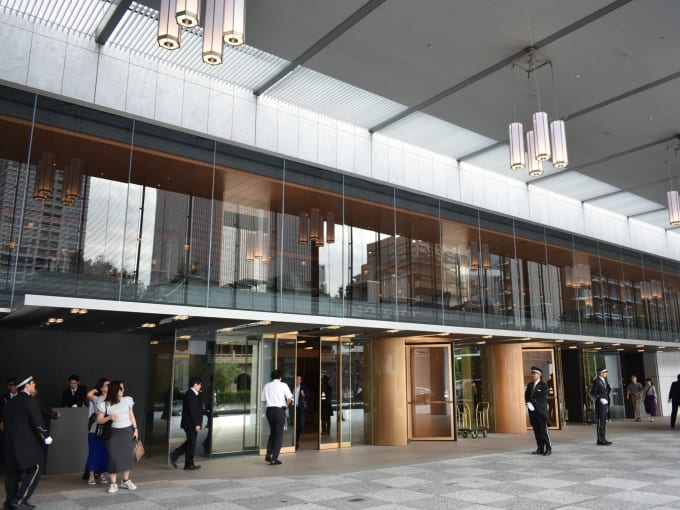
Nos critères de sélection à Tokyo
À Tokyo, nous ne cherchons pas une adresse simplement prestigieuse. Nous cherchons une adresse juste pour cette ville. Notre méthode commence donc par l’emplacement. Il ne s’agit pas seulement d’une belle vue. Nous regardons la relation entre l’hôtel et les quartiers que l’on veut vraiment vivre. Marunouchi, Nihonbashi, Toranomon, Shiodome, Roppongi ou Shibuya ne racontent pas le même séjour. Un hôtel peut être excellent sur le papier. Il sera moins pertinent si ses accès compliquent les rendez-vous, les visites ou les dîners. À Tokyo, la fluidité compte autant que le standing. Ce que nos conseillers observent, c’est la capacité d’une adresse à faire gagner du temps. Proximité d’une grande gare, liaisons simples vers les quartiers d’affaires, accès clair depuis les aéroports, promenade agréable autour de l’hôtel, tout cela pèse dans notre lecture.
Le deuxième critère est la régularité du service. Dans une ville où le niveau d’exécution est souvent élevé, la différence se joue dans la constance. Nous valorisons les hôtels capables de maintenir le même niveau d’attention à chaque étape. L’accueil, la conciergerie, le housekeeping, le service en chambre et la gestion des demandes particulières doivent parler d’une seule voix. Nous faisons aussi la différence entre un service formel et un service utile. Le premier impressionne parfois. Le second simplifie réellement le séjour. À retenir, un grand hôtel de Tokyo doit savoir accompagner plusieurs rythmes. Voyage d’affaires très cadré, week-end culturel, escale en famille ou séjour plus contemplatif. La meilleure adresse n’est pas celle qui en fait trop. C’est celle qui comprend vite, puis ajuste sans friction.
Nous intégrons ensuite la réputation internationale, mais jamais seule. Une grande marque, une distinction reconnue ou une signature historique créent un cadre de confiance. Cela compte, surtout pour un premier séjour à Tokyo. Pourtant, nous ne classons pas une adresse sur son seul nom. Nous regardons comment cette réputation se traduit concrètement. La qualité des chambres est ici décisive. À Tokyo, où l’espace est une donnée sensible, le confort se mesure avec précision. Surface bien pensée, silence réel, qualité de literie, vues dégagées, salles de bains fonctionnelles, technologies discrètes, rangements cohérents. Une chambre réussie doit offrir un refuge lisible après l’intensité urbaine. Mon conseil, ne pas confondre hauteur et qualité. Une vue spectaculaire peut compter. Elle ne compense pas une circulation mal pensée ou un confort inégal.
La restauration entre aussi pleinement dans notre méthode, car elle structure l’expérience tokyoïte. Nous n’évaluons pas seulement le nombre de restaurants. Nous regardons leur rôle dans la vie réelle de l’hôtel. Un bon petit-déjeuner, un bar où l’on a envie de revenir, une table de destination, ou une offre japonaise crédible changent le séjour. À Tokyo, la concurrence extérieure est immense. Un hôtel qui retient ses hôtes à table doit donc proposer une identité claire. Nous tenons aussi compte de la pertinence des horaires, de l’ambiance et de la capacité à servir des profils différents. Clientèle locale, voyageurs internationaux, repas rapide avant un train, dîner plus posé. Cette polyvalence est souvent un signe de maturité opérationnelle.
Enfin, nous jugeons chaque hôtel selon les usages concrets d’un séjour à Tokyo. C’est un point essentiel de notre sélection. Certaines adresses conviennent mieux à une première découverte. D’autres excellent pour un voyage d’affaires, un séjour à deux ou une parenthèse plus discrète. Nous cherchons donc la cohérence entre la promesse et l’expérience. Un grand hôtel de Tokyo n’a pas besoin de convenir à tout le monde. Il doit être très bon pour le bon voyageur. C’est cette adéquation que nous privilégions dans le classement. Elle permet de comparer des styles différents sans les opposer artificiellement. Notre méthode n’élit pas un décor. Elle distingue une adresse capable de répondre, avec précision, à ce que Tokyo exige vraiment.
Questions sur cette section
À Tokyo, faut-il privilégier un hôtel pour la vue, l’adresse, ou la taille des chambres ?
Il faut choisir selon l’usage du séjour. Pour un premier voyage, l’adresse et la connectivité sont souvent prioritaires. Pour un séjour plus contemplatif, la vue peut transformer l’expérience. La taille des chambres compte aussi, car Tokyo n’offre pas toujours les mêmes volumes qu’ailleurs. Ce que nos conseillers observent : un bon arbitrage entre quartier, vue, et circulation quotidienne vaut souvent mieux qu’une chambre simplement plus grande.
Tendances 2025-2026 de l’hôtellerie haut de gamme à Tokyo
À Tokyo, le haut de gamme 2025-2026 confirme d’abord le poids des grandes signatures internationales. Four Seasons Hotel Tokyo at Otemachi, Aman Tokyo, The Ritz-Carlton Tokyo, Mandarin Oriental, Tokyo et The Peninsula Tokyo structurent clairement le sommet du marché. Leur force ne tient pas seulement au nom. Elle repose sur une exécution très régulière, des standards lisibles et des emplacements qui parlent immédiatement au voyageur international. Otemachi, Marunouchi, Hibiya, Nihonbashi ou Roppongi restent des repères très demandés. À retenir, la marque rassure encore, mais elle ne suffit plus. Ce que nos conseillers observent, c’est une attente plus fine. Les clients veulent une identité tokyoïte perceptible, même dans un cadre très globalisé. C’est là que des adresses comme Palace Hotel Tokyo ou The Okura Tokyo gardent une place particulière. Elles combinent une notoriété forte avec une lecture plus locale de la ville, de ses vues et de ses rythmes.
Deuxième évolution nette, le bien-être n’est plus un simple service annexe. Il devient un motif de réservation à part entière. Aman Tokyo a installé depuis longtemps cette idée d’un refuge vertical dans la ville. Four Seasons Hotel Tokyo at Otemachi et The Peninsula Tokyo répondent aussi à cette recherche de respiration, avec des espaces wellness pensés pour des séjours courts comme pour des pauses plus longues. Dans une métropole dense, le spa, la piscine et les cabines de soin ne sont plus seulement des agréments. Ils servent à rééquilibrer l’expérience urbaine. Mon conseil, pour lire le marché tokyoïte, est simple. Regardez comment l’hôtel articule chambre, lumière naturelle, installations humides et vues. C’est souvent là que se joue la différence. Les voyageurs haut de gamme demandent désormais un séjour qui ménage des temps de récupération réels. Cette attente profite aussi aux hôtels dont l’architecture crée une sensation d’espace, comme HOSHINOYA Tokyo, avec une proposition plus singulière dans le paysage local.
La troisième tendance concerne les vues. À Tokyo, elles sont devenues un langage hôtelier complet. Les chambres en hauteur, les baies vitrées, les restaurants panoramiques et les lounges avec horizon urbain sont particulièrement recherchés. The Ritz-Carlton Tokyo, situé dans Midtown Tower, reste une référence évidente sur ce terrain. Mandarin Oriental, Tokyo capitalise aussi sur son rapport à la skyline et au tissu de Nihonbashi. Four Seasons Hotel Tokyo at Otemachi et Shangri-La Tokyo bénéficient également de cette demande pour des perspectives dégagées. Il ne s’agit pas seulement de voir la ville. Il s’agit de la comprendre depuis un point de vue calme, ordonné et photogénique. Cette logique influence même les arbitrages de réservation. Entre deux hôtels comparables, beaucoup de clients choisissent aujourd’hui la meilleure lecture visuelle de Tokyo, surtout pour un premier séjour ou un voyage célébration.
Enfin, l’attention portée à la flexibilité progresse. Elle prend plusieurs formes. Les voyageurs veulent des séjours plus modulables, des espaces adaptés aux arrivées matinales ou aux départs tardifs, et une expérience capable d’absorber des rythmes mixtes. Un même voyage peut combiner affaires, shopping, table, spa et temps familial. Dans ce contexte, des hôtels comme The Peninsula Tokyo, Palace Hotel Tokyo, Shangri-La Tokyo ou Four Seasons Hotel Tokyo at Marunouchi conservent un avantage. Leur positionnement permet de relier efficacement plusieurs usages de la ville. Ce que nos conseillers observent aussi, c’est une montée des séjours fractionnés. Deux nuits très urbaines peuvent être suivies d’une étape plus introspective. Tokyo n’est plus seulement une destination de passage rapide. Les meilleurs hôtels accompagnent cette évolution avec des services plus souples et des cadres qui supportent plusieurs scénarios de voyage. Pour 2025-2026, le luxe tokyoïte se lit donc ainsi. Des marques fortes, oui, mais au service d’expériences plus personnalisées, plus réparatrices et plus adaptables.
Questions sur cette section
Pourquoi Tokyo concentre-t-elle autant de grandes marques hôtelières de luxe ?
Parce que Tokyo réunit plusieurs moteurs puissants. La ville attire une clientèle d’affaires internationale, un tourisme haut de gamme, et une demande domestique exigeante. Elle permet aussi aux grandes marques d’exprimer des positionnements différents selon les quartiers. Certaines misent sur la vue, d’autres sur la discrétion, le bien-être, ou la gastronomie. À retenir : Tokyo n’est pas une scène uniforme. C’est un marché sophistiqué, où chaque adresse doit justifier sa place.
Tokyo, entre héritage hôtelier et modernité
Tokyo raconte une histoire hôtelière différente de Paris, Londres ou New York. La ville n’a pas bâti son prestige sur une concentration de palaces anciens. Elle l’a construit par strates. D’abord avec de grandes adresses liées aux quartiers d’affaires et aux gares. Ensuite avec des hôtels internationaux installés dans des tours mixtes. Enfin avec une génération plus récente, très attentive au design, à la vue et à l’intimité. Cette chronologie compte. Elle explique pourquoi l’excellence tokyoïte se lit souvent dans la précision du service. Elle se lit aussi dans l’efficacité des circulations, la qualité du sommeil et le rapport à la skyline.
L’hôtellerie haut de gamme de Tokyo s’est développée dans une métropole dense, verticale et mouvante. Ici, l’hôtel n’est pas seulement un lieu de séjour. Il sert aussi de refuge calme au-dessus de la ville. Ce modèle a favorisé les étages élevés, les lobbies panoramiques et les chambres ouvertes sur le mont Fuji, la baie ou les lumières de Shinjuku. À retenir. Cette verticalité n’est pas un effet de style. Elle répond à la rareté du foncier et à la logique urbaine de Tokyo. Elle a aussi permis l’arrivée de standards internationaux très codifiés. Les grandes marques y ont trouvé un terrain naturel. Elles pouvaient y déployer leurs signatures, tout en s’adaptant aux attentes japonaises en matière de discrétion, de ponctualité et de détail.
Ce qui distingue Tokyo, c’est justement cette rencontre entre hospitalité japonaise et grammaire mondiale du luxe. Le voyageur y retrouve des repères connus. Une marque internationale rassure, surtout pour un premier séjour. Mais il découvre aussi une exécution locale souvent plus retenue. Le service parle moins fort. Il anticipe davantage. Les espaces communs privilégient souvent la fluidité plutôt que l’ostentation. Ce que nos conseillers observent souvent, c’est cette capacité tokyoïte à rendre le très haut de gamme presque silencieux. Le luxe ne cherche pas toujours à impressionner. Il cherche à fonctionner parfaitement. Cette culture de la maîtrise explique la régularité de certaines maisons. Elle explique aussi pourquoi Tokyo séduit autant les voyageurs d’affaires que les séjours plus contemplatifs.
L’autre évolution majeure concerne la diversification des formats. Longtemps, le sommet du marché s’est identifié aux grands hôtels de centre-ville. Aujourd’hui, le paysage est plus nuancé. Certaines adresses misent sur la monumentalité et les infrastructures complètes. D’autres privilégient un nombre de chambres plus contenu, une identité architecturale forte ou une relation plus directe avec un quartier. Cette évolution accompagne les attentes des voyageurs. Beaucoup ne cherchent plus seulement une adresse statutaire. Ils veulent un point de vue sur la ville, un bon restaurant sur place, un spa crédible, et un accès simple aux centres d’intérêt. À Tokyo, ces critères prennent une importance particulière. Les distances psychologiques peuvent être plus grandes que les distances réelles. Une localisation bien pensée change fortement l’expérience du séjour.
Il faut enfin lire le marché tokyoïte à l’échelle de son calendrier et de son rayonnement international. Les grandes périodes de demande, les événements mondiaux et la reprise du tourisme ont renforcé la visibilité de la destination. En parallèle, l’offre haut de gamme s’est professionnalisée encore davantage. Les hôtels doivent parler à une clientèle japonaise exigeante, mais aussi à des voyageurs venus d’Asie, d’Europe, du Golfe et d’Amérique du Nord. Cette pression a élevé le niveau moyen. Mon conseil. À Tokyo, l’histoire hôtelière ne se résume pas à l’ancienneté d’une adresse. Elle se lit dans sa capacité à interpréter la ville. Les meilleurs hôtels comprennent sa densité, son rythme et ses contrastes. Ils offrent un cadre lisible dans une métropole complexe. C’est cette alliance entre héritage de service, modernité verticale et standards internationaux qui donne aujourd’hui sa singularité au luxe hôtelier tokyoïte.
Les hôtels de Tokyo où la table compte vraiment
À Tokyo, la restauration n’est jamais un simple service annexe. Elle pèse directement dans la qualité du séjour. Dans cette ville, beaucoup d’hôtels de haut niveau proposent plusieurs tables, souvent avec des identités très distinctes. Pourtant, tous ne transforment pas vraiment l’expérience. Ce que nous retenons ici, ce sont les adresses où restaurants, bars et vues prolongent la destination. Le dîner ne doit pas seulement être pratique. Il doit donner une lecture du quartier, du rythme tokyoïte et du niveau réel de la maison.
Dans cette logique, les grands hôtels perchés dans les étages élevés gardent un avantage net. À l’Aman Tokyo, la restauration s’inscrit dans une mise en scène très maîtrisée. Les volumes, la hauteur et la vue sur la ville renforcent le moment de table. Au Mandarin Oriental, Tokyo, l’adresse bénéficie aussi d’une position spectaculaire dans Nihonbashi. Cela compte beaucoup le soir. Un restaurant ou un bar panoramique peut éviter un déplacement, tout en donnant une vraie sensation de Tokyo. Même lecture au Park Hyatt Tokyo, dont l’identité reste fortement liée à ses espaces de restauration en hauteur. Quand un hôtel réussit ce point, le retour en chambre paraît plus cohérent. Le repas fait partie du séjour, pas de la logistique.
Les hôtels de marque internationale les plus solides à Tokyo savent aussi segmenter leurs offres avec précision. Le Four Seasons Hotel Tokyo at Otemachi et le Four Seasons Hotel Tokyo at Marunouchi n’occupent pas le même registre, mais chacun comprend l’importance d’une proposition culinaire lisible. Le Peninsula Tokyo reste également une référence utile pour les voyageurs qui veulent plusieurs options dans la même maison. Le Shangri-La Tokyo et le Palace Hotel Tokyo jouent, eux aussi, sur cette capacité à combiner restauration, bar et vues urbaines. Ce que nos conseillers observent souvent, c’est qu’un très bon programme de restauration simplifie le séjour. Après une journée dense, rester dans l’hôtel pour dîner devient un choix, pas un renoncement.
Il faut aussi distinguer les hôtels où la table sert la scène sociale de ceux où elle soutient une atmosphère plus résidentielle. The Tokyo EDITION, Toranomon s’adresse clairement à une clientèle sensible au design, aux bars et à l’énergie du lieu. The Tokyo Station Hotel adopte une autre logique. Son ancrage patrimonial et sa situation dans la gare de Tokyo donnent un cadre différent à l’expérience culinaire. The Okura Tokyo mérite également l’attention, car son statut dans le paysage hôtelier local renforce le poids de ses espaces de réception et de restauration. Dans un registre plus intimiste, Trunk Hotel Yoyogi Park ou Hotel Chinzanso Tokyo peuvent séduire les voyageurs qui cherchent un rythme moins vertical. Mon conseil est simple. Si la table compte vraiment pour vous, regardez d’abord la cohérence entre quartier, vues, nombre de restaurants et ambiance du soir.
Enfin, certains hôtels excellent parce qu’ils offrent une lecture précise de leur environnement. The Ritz-Carlton, Tokyo profite pleinement de sa position à Roppongi. Andaz Tokyo Toranomon Hills capitalise sur un ancrage urbain très contemporain. Bvlgari Hotel Tokyo et Janu Tokyo incarnent une nouvelle génération de luxe, où la restauration participe fortement à l’image de la maison. À retenir, la meilleure adresse n’est pas forcément celle qui aligne le plus de couverts. C’est celle où le petit-déjeuner, le bar en fin de journée et le dîner racontent le même Tokyo. Quand cette cohérence existe, l’hôtel gagne en densité. Et le voyageur aussi.
Questions sur cette section
Tokyo est-elle une bonne destination pour un séjour gastronomique à l’hôtel ?
Oui, sans hésitation. Tokyo permet de construire un séjour où l’hôtel joue un vrai rôle gastronomique, sans être votre seule option. Les meilleures adresses soignent les petits-déjeuners, les bars, et les restaurants signatures. Mais la ville offre aussi une densité exceptionnelle hors hôtel. Mon conseil : choisissez un hôtel avec une restauration solide, puis gardez de la place pour explorer le quartier. À Tokyo, l’équilibre entre table interne et scène locale est essentiel.
Bien-être, spa et respiration dans une ville dense
À Tokyo, le bien-être hôtelier n’est pas un simple supplément. Il sert de contrepoint à une ville rapide, verticale et très sollicitante. Après une journée entre Marunouchi, Ginza, Aoyama ou Shibuya, la qualité d’un spa change vraiment la lecture du séjour. Nos conseillers regardent donc moins la taille annoncée que l’usage réel. Peut-on nager tôt, récupérer après un vol long-courrier, réserver un soin sans logistique complexe, ou simplement respirer en hauteur dans le calme. Sur ce point, plusieurs adresses de notre sélection se distinguent nettement. Aman Tokyo reste une référence pour ceux qui cherchent une rupture immédiate avec le rythme urbain. Son spa et sa piscine intérieure comptent parmi les plus convaincants de la ville. Le cadre en hauteur renforce la sensation de retrait. À retenir aussi, la cohérence entre chambres, espaces humides et atmosphère générale. On ne vient pas seulement pour un massage. On vient pour retrouver un tempo plus lent.
The Peninsula Tokyo fait partie des hôtels les plus solides pour une récupération complète. Sa piscine intérieure, son spa et son positionnement à Hibiya en font une base très lisible après des journées denses. Le service y facilite l’usage des installations. C’est un point important à Tokyo, où le temps se fragmente vite. The Okura Tokyo mérite aussi l’attention pour la qualité de son approche bien-être. L’hôtel combine héritage, calme et équipements contemporains. Le résultat parle aux voyageurs qui veulent un grand hôtel japonais sans renoncer à une vraie séquence de récupération. Dans un registre voisin, Four Seasons Hotel Tokyo at Otemachi utilise très bien sa hauteur. La vue depuis les espaces de bien-être ajoute un effet de respiration rare. Mon conseil est simple. Si la piscine compte autant que la chambre, cette adresse doit entrer dans la conversation.
Park Hyatt Tokyo conserve une place particulière dans l’imaginaire du bien-être à Tokyo. Sa piscine en hauteur et son environnement très reconnaissable continuent d’attirer les voyageurs qui veulent associer nage, lumière et skyline. L’expérience reste pertinente pour ceux qui privilégient l’atmosphère. Mandarin Oriental, Tokyo joue une autre partition. Le spa y accompagne une lecture plus sensorielle de la ville, avec un ancrage fort dans Nihonbashi. Les voyageurs sensibles au contraste entre énergie urbaine et silence intérieur y trouvent souvent leur équilibre. The Ritz-Carlton, Tokyo s’impose aussi par la régularité de ses installations de bien-être. À Roppongi, l’hôtel offre une vraie capacité de décompression, notamment pour les séjours courts. Ce que nos conseillers observent souvent, c’est la valeur d’une piscine accessible en fin de journée. À Tokyo, ce détail devient un critère majeur.
D’autres adresses répondent à des besoins plus ciblés. Palace Hotel Tokyo séduit ceux qui veulent associer vue, lumière et proximité du palais impérial. Le rapport entre paysage extérieur et récupération intérieure y fonctionne particulièrement bien. Shangri-La Tokyo, très pratique après une arrivée en train ou en avion, rassure par sa lisibilité. On y récupère vite, sans perdre de temps dans la ville. The Capitol Hotel Tokyu cultive une forme de sérénité plus discrète. Son environnement, plus posé, favorise les séjours où le repos doit être immédiat. Enfin, Bulgari Hotel Tokyo apporte une lecture plus récente du bien-être urbain haut de gamme. L’adresse attire les voyageurs qui veulent un spa très contemporain dans un cadre de marque fort. S’il faut résumer, Tokyo récompense les hôtels capables d’offrir plus qu’un beau spa sur brochure. Les meilleurs sont ceux qui réparent vraiment le corps entre deux journées intenses. Dans cette ville dense, le luxe utile commence souvent par une bonne heure de silence, une piscine bien pensée, et un soin réservé sans friction.
Quelles adresses privilégier pour un séjour à deux
Pour un séjour à deux à Tokyo, nous regardons moins l’effet d’annonce que la qualité du rythme. Un hôtel romantique doit simplifier la ville. Il doit aussi ménager des respirations. L’arrivée compte beaucoup. La fluidité du check-in, la discrétion du service et la lisibilité des espaces changent immédiatement l’expérience. À Tokyo, les vues jouent aussi un rôle central. Elles créent une bulle, surtout dans une métropole dense. Enfin, nous privilégions les adresses capables d’orchestrer une journée complète. Un bon hôtel pour couples doit être aussi convaincant au réveil qu’au retour du dîner.
Parmi les options les plus évidentes, Aman Tokyo reste une référence pour les couples qui cherchent le calme. Son implantation en hauteur, dans le quartier d’Otemachi, favorise une vraie sensation de retrait. Les volumes, la lumière et la lecture contemporaine des codes japonais installent une atmosphère posée. Le service y est généralement très mesuré. C’est un point important quand on veut de l’attention sans mise en scène. Autre adresse très convaincante, The Tokyo EDITION, Toranomon, attire les couples sensibles au design et aux vues urbaines. La hauteur, les perspectives sur la ville et l’énergie du quartier créent un séjour plus contemporain. Pour une parenthèse plus classique, The Peninsula Tokyo conserve de sérieux atouts. Sa position face au parc Hibiya facilite les promenades. Son service très structuré aide aussi à garder un séjour fluide, surtout sur un court format.
Pour les couples qui veulent associer intimité et panorama, Mandarin Oriental, Tokyo mérite une place de choix. Installé dans Nihonbashi, il offre des vues élevées qui transforment la perception de la ville. Le soir, cet élément compte beaucoup. Il donne au retour à l’hôtel une vraie dimension de destination. Four Seasons Hotel Tokyo at Otemachi fonctionne bien dans un registre voisin. L’adresse combine hauteur, lignes contemporaines et accès pratique à plusieurs quartiers. Ce que nos conseillers observent souvent, c’est la facilité avec laquelle un couple peut alterner visites, pause à l’hôtel et dîner sans rupture de rythme. The Ritz-Carlton, Tokyo, à Roppongi, convient davantage aux voyageurs qui aiment une base très urbaine. Les vues y sont un argument clair. L’hôtel séduit aussi par sa capacité à relier vie nocturne, shopping et retour au calme en chambre.
D’autres adresses conviennent particulièrement aux couples selon le style de voyage. HOSHINOYA Tokyo propose une expérience plus singulière, avec une interprétation ryokan en pleine ville. Pour certains duos, c’est la meilleure manière d’introduire une dimension plus introspective au séjour. The Okura Tokyo, de son côté, parle aux couples attachés à l’élégance japonaise et à une hospitalité très lisible. L’équilibre entre héritage et confort contemporain y est particulièrement réussi. Shangri-La Tokyo fonctionne bien pour une escapade courte. Sa connexion pratique à la gare de Tokyo facilite les arrivées tardives et les départs matinaux. C’est un détail, mais il protège le temps à deux. Park Hyatt Tokyo garde aussi une place à part dans l’imaginaire romantique de la ville. Son adresse reste pertinente pour les couples attirés par les vues et une atmosphère feutrée.
À retenir, il n’existe pas un seul romantisme tokyoïte. Il y a celui du silence, celui de la hauteur et celui de la ville vécue à deux. Mon conseil consiste à choisir d’abord votre cadence. Aman Tokyo, HOSHINOYA Tokyo et The Okura Tokyo conviennent mieux aux séjours centrés sur l’intimité. Mandarin Oriental, Tokyo, Four Seasons Hotel Tokyo at Otemachi et The Ritz-Carlton, Tokyo servent très bien les couples qui veulent la ville en panorama. The Peninsula Tokyo et Shangri-La Tokyo sont particulièrement efficaces si vous privilégiez la fluidité. Enfin, The Tokyo EDITION, Toranomon s’adresse aux couples qui cherchent une énergie plus actuelle. À Tokyo, le bon hôtel pour deux n’est pas seulement beau. Il sait protéger le temps partagé.
Comment lire le rapport expérience-prix à Tokyo
À Tokyo, le prix d’une nuit ne raconte jamais toute l’expérience. Il faut lire ensemble l’adresse, la marque, la surface réelle et le niveau de service. Deux hôtels facturés dans la même zone peuvent offrir des séjours très différents. L’un misera sur une vue, l’autre sur une chambre plus vaste. Un troisième fera la différence par sa restauration, son spa ou son accès direct à un quartier d’affaires. À retenir : dans cette ville, le mètre carré reste un indicateur central. Il pèse souvent autant que le prestige du nom sur la facture finale. C’est particulièrement vrai lorsque l’on compare les grandes enseignes internationales, les palaces urbains et les boutiques-hôtels de petite capacité. Notre conseil consiste donc à regarder le prix par rapport à l’usage réel du séjour. Un voyage d’affaires de deux nuits ne se lit pas comme un long week-end à deux.
Notre lecture finale du marché hôtelier tokyoïte
Au terme de cette lecture, Tokyo apparaît moins comme un marché uniforme que comme une constellation d’usages très précis. Le bon hôtel dépend d’abord du rythme du séjour. Il dépend aussi du quartier, de la vue recherchée, et du degré d’intimité attendu. Pour un premier voyage, nos conseillers regardent souvent la lisibilité de l’emplacement avant tout. Ginza, Marunouchi, Otemachi, Toranomon ou Shinjuku ne racontent pas la même ville. Le voyageur d’affaires n’a pas les mêmes priorités qu’un couple en escale longue. Une famille attentive à la logistique ne choisira pas comme un amateur de bars panoramiques. À retenir : à Tokyo, le meilleur hôtel n’est pas seulement le plus ambitieux. C’est celui dont le tempo correspond exactement au vôtre.
Les grandes signatures internationales rassurent par leur régularité et leur puissance de service. Elles conviennent bien aux séjours courts, aux agendas serrés, et aux voyageurs qui veulent des repères immédiats. Leur force tient souvent à l’exécution. Arrivées fluides, conciergerie structurée, restauration intégrée, spa lisible, chambres techniquement très abouties. Dans une ville dense, cette cohérence compte beaucoup. D’autres adresses misent davantage sur une relation plus feutrée avec le lieu. Elles parlent à ceux qui cherchent une lecture plus locale du luxe tokyoïte. Le détail architectural, la retenue du décor, ou la manière d’habiter la hauteur deviennent alors décisifs. Ce que nos conseillers observent souvent : deux hôtels d’un niveau comparable peuvent répondre à des attentes opposées. L’un simplifie la ville. L’autre l’interprète.
Le critère de la vue mérite aussi d’être lu avec précision. À Tokyo, l’étage, l’orientation, et la distance aux grandes perspectives changent fortement l’expérience. Certains voyageurs veulent sentir l’énergie urbaine dès le réveil. D’autres préfèrent une forme de retrait, malgré la centralité. Le même principe vaut pour la restauration. Pour certains, l’hôtel doit être une destination en soi. Pour d’autres, il doit surtout servir de base élégante entre deux réservations en ville. Même logique pour le bien-être. Un spa complet, avec piscine et parcours humide, n’a pas la même valeur selon la durée du séjour. Mon conseil : si vous restez moins de trois nuits, privilégiez l’emplacement et la qualité du sommeil. Si vous restez davantage, la profondeur des services devient beaucoup plus importante.
Il faut enfin accepter qu’à Tokyo, le prix raconte plusieurs choses à la fois. Il parle de la marque, bien sûr, mais aussi de la rareté de la vue. Il parle de la taille des chambres, de la date d’ouverture, et du niveau de personnalisation. Il parle parfois d’une adresse iconique. Il parle parfois d’une exécution sans faille, moins spectaculaire mais très convaincante. C’est pourquoi nous ne lisons jamais ce marché en opposition frontale. Une grande maison historique, une tour contemporaine très servicée, ou un hôtel plus discret peuvent tous être le bon choix. Tout dépend du projet. Pour une première fois, nous orientons souvent vers les adresses les plus simples à vivre. Pour un séjour de célébration, nous privilégions la singularité du cadre et de la table. Pour un voyage régulier, la constance du service redevient le premier luxe.
Notre lecture finale est donc simple. Tokyo récompense les choix précis. Mieux vaut réserver un hôtel parfaitement adapté à son programme qu’une adresse prestigieuse mais mal placée. Mieux vaut une chambre très bien pensée dans le bon quartier qu’une promesse trop générale. Le marché tokyoïte est l’un des plus solides au monde. Il offre plusieurs manières d’habiter la ville au plus haut niveau. À vous de choisir la vôtre. Et si l’hésitation demeure, c’est exactement là que le Concierge intervient.