

Nos critères pour classer les rooftops
Nous ne classons pas un rooftop sur la seule promesse d'une photo au coucher du soleil. Ce serait réducteur. Notre première lecture porte sur la qualité réelle de la vue. Nous regardons l'ampleur du panorama. Nous observons aussi sa lisibilité. Une vue peut être haute sans être intéressante. À l'inverse, un dernier étage plus modeste peut dialoguer avec un monument, un fleuve, un port ou une skyline. Nous tenons compte de l'orientation. La lumière du matin, l'intérêt au crépuscule et la présence d'un horizon dégagé changent l'expérience. Nous évaluons aussi la part de la terrasse réellement consacrée à la vue. Un rooftop très scénographié, mais visuellement obstrué, perd des points. À retenir : la hauteur seule n'entre jamais comme critère suffisant.
Le deuxième axe concerne l'accessibilité et l'usage réel. Un rooftop n'a de valeur éditoriale que s'il fait partie de l'expérience client. Nous distinguons les terrasses purement événementielles des espaces réellement fréquentables. Nous regardons les horaires d'ouverture. Nous vérifions si l'accès est simple depuis les chambres. Nous considérons aussi la lisibilité du parcours. Un rooftop confidentiel peut être excellent. Encore faut-il qu'il soit pensé pour être utilisé. Nous observons la capacité d'accueil, le confort d'assise et la protection contre le vent. La fluidité du service compte également. Un bar de toit séduisant sur le papier peut devenir secondaire si l'attente décourage son usage. Mon conseil : un bon rooftop se juge autant à 17 heures qu'à 9 heures. S'il n'existe qu'en image, il ne mérite pas les premières places.
Nous intégrons ensuite la restauration et l'ambiance. Tous les rooftops n'ont pas vocation à devenir une destination gastronomique. Ce n'est pas une obligation. En revanche, il faut une proposition cohérente. Nous regardons la qualité de la carte, la pertinence des boissons, et le niveau d'exécution. Un simple bar peut très bien se classer. Il doit alors assumer clairement son rôle. À l'inverse, un restaurant de toit doit tenir sa promesse culinaire. L'ambiance entre aussi dans notre méthode. Nous évaluons le niveau sonore, la densité, la qualité de la musique et la possibilité de converser. Ce que nos conseillers observent souvent : certains rooftops fonctionnent mieux en fin d'après-midi qu'en soirée. D'autres trouvent leur rythme au dîner. Nous tenons donc compte de la temporalité du lieu. La saisonnalité pèse aussi. Une terrasse exploitable seulement quelques semaines n'a pas le même poids qu'un rooftop pensé pour durer plus longtemps, grâce à des protections, un chauffage adapté ou une configuration modulable.
Enfin, nous jugeons la cohérence avec l'adresse et la situation dans la ville. Un rooftop réussi ne doit pas sembler plaqué sur l'hôtel. Il doit prolonger son identité. Dans certains cas, il renforce une adresse urbaine déjà très ancrée. Dans d'autres, il apporte une respiration à un hôtel plus discret. Nous regardons la relation entre le rooftop et le quartier. Être au centre ne suffit pas. Il faut que la terrasse fasse sens dans son environnement. La proximité d'un monument, d'un front de mer, d'un quartier d'affaires ou d'un centre historique change la lecture. Nous tenons aussi compte de la rareté locale. Dans certaines villes françaises, l'offre de rooftops hôteliers reste limitée. Ailleurs, la concurrence est plus structurée. Notre méthode ne récompense donc pas seulement le plus spectaculaire. Elle privilégie le rooftop le plus juste. Celui qui améliore concrètement le séjour. Celui qui donne une raison supplémentaire de choisir l'adresse. Et celui qui reste convaincant, même quand la lumière baisse et que l'effet d'annonce disparaît.
Comment le rooftop s'est imposé dans l'hôtellerie française
En France, le rooftop hôtelier s’est imposé plus tard qu’à New York, Bangkok ou Dubaï. Le contexte urbain l’explique en partie. Les centres historiques français protègent leurs silhouettes. Les hauteurs y sont souvent contraintes. Les toits y relèvent autant du patrimoine que de l’exploitation commerciale. Pendant longtemps, la terrasse d’hôtel française restait donc discrète. Elle servait le petit-déjeuner, un salon d’été, parfois une suite. Le basculement est venu quand l’hôtellerie urbaine a compris qu’un toit pouvait devenir une adresse. Pas seulement un étage supérieur. Un lieu de destination. Un poste d’observation. Une scène sociale. À Paris, Marseille, Nice, Cannes ou Lyon, le rooftop a alors changé de statut. Il n’était plus un agrément réservé aux clients. Il devenait un signal dans la ville.
Rooftop et gastronomie : quand la table compte autant que la vue
Sur un rooftop, la vue attire d'abord le regard. Pourtant, elle ne garantit jamais la soirée. Ce qui fait revenir, c'est l'ensemble. La carte, le rythme du service, l'acoustique, la lisibilité des espaces comptent autant. Dans l'hôtellerie française, quelques adresses l'ont bien compris. Elles traitent leur toit comme un lieu de destination. Pas comme un simple décor pour l'apéritif. À retenir, un rooftop convaincant doit tenir à deux niveaux. Il doit offrir un panorama identifiable. Il doit aussi proposer une expérience culinaire cohérente avec le standing de l'hôtel. C'est là que la hiérarchie se crée. Un bar panoramique peut suffire pour un verre. Il ne remplace pas une table pensée, une cuisine suivie, et un service capable d'absorber le pic du coucher de soleil sans perdre en précision.
À Paris, la lecture est assez claire. Certaines maisons ont fait du rooftop un prolongement naturel de leur identité. Le Cheval Blanc Paris bénéficie d'une adresse rare, face à la Seine et au cœur historique. Dans ce contexte, la restauration ne peut pas se contenter d'un effet de hauteur. L'attente porte sur la justesse d'exécution. Même exigence au Bvlgari Hotel Paris. La marque impose un langage précis. Le rooftop y doit conjuguer image, service et carte lisible. Le Peninsula Paris, avec son ancrage palace, appartient aussi à cette catégorie. Ce que nos conseillers observent, c'est la différence entre un toit spectaculaire et un toit maîtrisé. Dans le second cas, l'accueil reste fluide aux heures les plus demandées. La proposition liquide et solide garde sa cohérence. Et l'on n'a pas l'impression de payer seulement l'angle de vue.
D'autres hôtels jouent une partition plus intimiste. La Fantaisie, dans le 9e arrondissement, s'inscrit dans une échelle plus boutique. Son rooftop fonctionne mieux quand il reste fidèle à cette tonalité. On y attend une atmosphère plus légère, moins démonstrative. Le Terrass'' Hotel, à Montmartre, possède un avantage simple et vérifiable. Son implantation donne un rapport direct au paysage parisien. Ici, l'expérience culinaire gagne lorsqu'elle accompagne le quartier, plutôt que de le surjouer. Même logique pour SO/ Paris. Sa position sur la rive droite ouvre une lecture contemporaine de la ville. Le rooftop doit alors assumer une destination urbaine complète. Pas seulement un spot photo. Mon conseil, dans ces maisons, est de regarder la densité réelle de l'offre. Une carte courte peut être excellente. Elle doit simplement être pensée pour la durée. Un rooftop où l'on reste deux heures n'appelle pas la même proposition qu'un bar de passage.
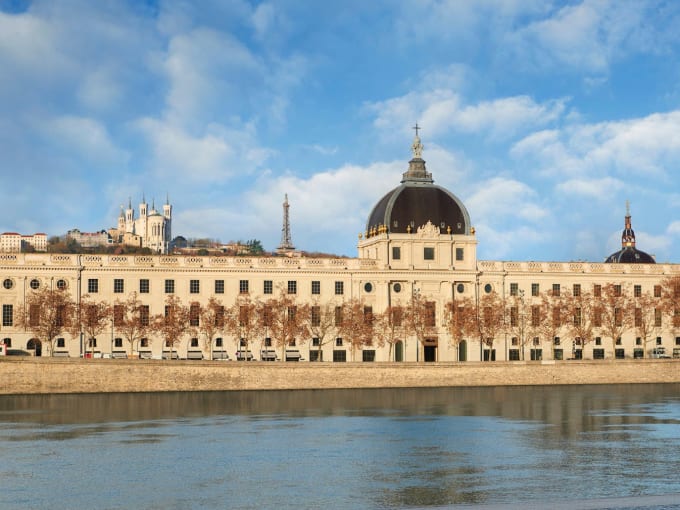
En dehors de Paris, la question devient encore plus intéressante. À Marseille, l'InterContinental Marseille - Hotel Dieu profite d'un site exceptionnel, entre patrimoine monumental et horizon méditerranéen. Là encore, la table doit dialoguer avec le lieu. Une terrasse avec vue sur le Vieux-Port n'a d'intérêt durable que si l'assiette suit. À Nice, l'Anantara Plaza Nice Hotel dispose d'un contexte côtier très lisible. Le rooftop y prend une dimension de destination balnéaire urbaine. La restauration doit alors trouver le bon équilibre. Ni trop formelle, ni trop relâchée. À Cannes, l'Hôtel Barrière Le Majestic Cannes et le Five Seas Hotel Cannes offrent deux lectures différentes. L'une plus institutionnelle, l'autre plus boutique. Dans les deux cas, la qualité du service change tout. Un rooftop réussi sait gérer les résidents de l'hôtel et la clientèle extérieure sans friction visible.
Au fond, les meilleurs rooftops gastronomiques de France sont ceux qui savent choisir leur rôle. Certains excellent comme bars panoramiques. D'autres comme restaurants de signature. D'autres encore comme terrasses discrètes, où l'on dîne mieux parce que le cadre reste mesuré. Le point commun est toujours le même. La vue ouvre l'expérience, mais elle ne la termine pas. Ce qui reste en mémoire, c'est la tenue de la maison. La précision des équipes. La capacité à faire exister une cuisine au-dessus de la ville, sans la réduire à un prétexte. C'est cette exigence qui distingue un rooftop fréquenté d'un rooftop vraiment recommandé par Le Concierge.
Questions sur cette section
Un rooftop d’hôtel en France sert-il surtout à boire un verre, ou peut-il structurer tout le séjour ?
Il peut clairement structurer tout le séjour, selon l’adresse. Certains rooftops restent avant tout des bars avec vue. D’autres deviennent un vrai centre de gravité. Petit-déjeuner, piscine, dîner, lecture, rendez-vous au coucher du soleil, ou simple pause entre deux sorties, tout cela change le programme. C’est pourquoi nous distinguons les hôtels où la terrasse fait partie du quotidien. À retenir, un rooftop réussi doit être agréable à plusieurs heures, pas seulement à l’apéritif.
Les rooftops les plus convaincants pour un séjour à deux
Pour un séjour à deux, un rooftop ne se résume pas à une belle photo. Il doit prolonger la chambre, et parfois même la remplacer quelques heures. C’est là que la différence se joue. Un bon rooftop pour les couples offre un vrai rythme. On y monte avant le dîner. On y revient après la ville. On y prend un dernier verre sans devoir chercher ailleurs. Ce que nos conseillers observent, c’est cette continuité. Quand la terrasse, le bar, le restaurant, ou le bassin en hauteur complètent réellement l’expérience, l’adresse prend une autre dimension. En France, ce scénario fonctionne particulièrement bien dans quelques hôtels où la vue s’accompagne d’un usage clair, simple, et durable à deux.
À Paris, le Shangri-La Paris reste une référence pour les couples qui veulent l’effet de perspective sans renoncer au calme. L’adresse est connue pour ses vues sur la tour Eiffel depuis plusieurs chambres et suites. Cet élément compte autant que le rooftop lui-même. Dans un séjour romantique, la transition entre la chambre et les espaces extérieurs doit être fluide. Le Peninsula Paris entre aussi dans cette logique. Son rooftop, associé à une grande signature parisienne, permet de vivre la ville depuis les hauteurs, puis de retrouver une suite pensée pour le temps long. Mon conseil. À Paris, privilégiez les hôtels où la vue existe aussi depuis la chambre. Le rooftop devient alors une extension, pas une compensation. Le Cheval Blanc Paris fonctionne différemment. La Seine, le centre historique, et la verticalité plus discrète de l’adresse créent une atmosphère moins frontale. Pour certains couples, cette lecture plus feutrée de Paris est la bonne.
Sur la Côte d’Azur, le rooftop devient souvent un lieu de fin de journée. C’est là que l’usage romantique est le plus évident. À Nice, l’Anantara Plaza Nice Hotel bénéficie d’une position centrale, avec une relation directe à la baie et à la lumière du soir. Pour un couple, cela change tout. On peut dîner en terrasse, puis rentrer à pied après une journée très simple à organiser. Toujours à Nice, l’Hôtel du Couvent propose une expérience différente. Le rooftop y dialogue avec un lieu patrimonial fort. L’intérêt, pour un séjour à deux, tient à cette sensation de retrait. On reste dans la ville, mais avec une impression d’écart. À Cannes, l’Hôtel Barrière Le Majestic Cannes et le JW Marriott Cannes répondent à une autre attente. Ici, le rooftop accompagne un séjour plus social. On alterne plage, dîner, et vues sur la Croisette. Ce sont des adresses adaptées aux couples qui aiment voir et être vus, sans renoncer au confort d’un grand hôtel.
Le bassin suspendu change encore la donne. Pour beaucoup de voyageurs, c’est l’usage le plus convaincant à deux. À Marseille, l’InterContinental Marseille - Hotel Dieu profite d’un site spectaculaire face au Vieux-Port et à Notre-Dame de la Garde. Quand un espace en hauteur permet de nager, de prendre un verre, puis de retrouver une chambre avec vue, la journée se construit presque seule. À Monaco, l’Hôtel de Paris Monte-Carlo reste un cas à part. Le rooftop piscine, la mer, et l’ancrage de l’adresse sur la place du Casino composent un décor très lisible. Pour un couple, l’intérêt n’est pas seulement le prestige. C’est la facilité avec laquelle l’hôtel organise chaque moment, du lever tardif à l’apéritif. À retenir. Un rooftop avec piscine n’est pas automatiquement plus romantique. Il le devient quand l’espace reste suffisamment serein pour être vécu à deux.
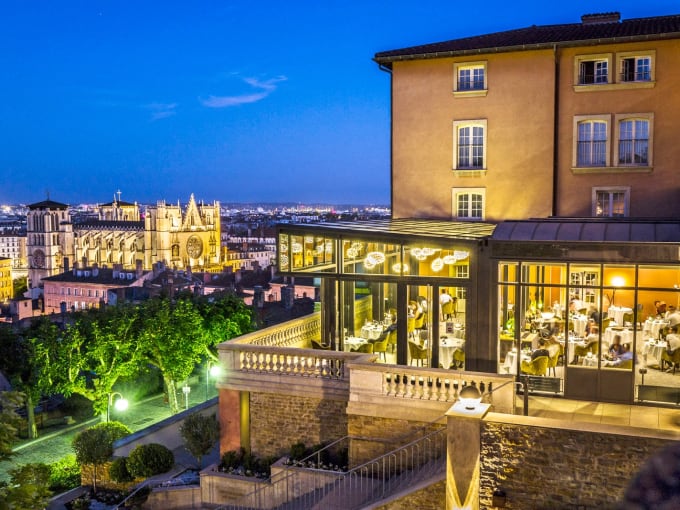
D’autres hôtels séduisent par une approche plus urbaine ou plus confidentielle. À Lyon, Villa Maïa joue la carte de la hauteur et du panorama sur la ville. Cela convient bien aux couples qui cherchent une parenthèse plus contemplative. À Bordeaux, l’InterContinental Bordeaux - Le Grand Hotel s’appuie sur son adresse centrale et sa relation au théâtre voisin. Le rooftop y sert une expérience de ville élégante, facile à partager. À Toulouse, La Cour des Consuls Hotel and Spa Toulouse - MGallery et le Boutique Hotel SOCLO proposent un registre plus intime. Le rooftop y prend sens s’il accompagne un séjour à taille humaine. Enfin, à Paris, SO/ Paris mérite l’attention pour les couples sensibles à une esthétique plus contemporaine. La vue sur la capitale y dialogue avec une mise en scène actuelle des espaces. Au fond, les rooftops les plus convaincants pour un séjour à deux ne sont pas toujours les plus hauts. Ce sont ceux qui donnent envie de rester sur place, ensemble, plus longtemps que prévu.
Tendances 2025-2026 des hôtels avec rooftop en France
En France, le rooftop hôtelier change de statut. Il n’est plus seulement un poste d’observation pour l’été. Il devient un espace programmé, exploité, et pensé sur douze mois. C’est la première évolution nette pour 2025-2026. Les hôtels investissent dans des configurations plus stables. On voit davantage de terrasses couvertes, de protections au vent, de chauffage discret, et de mobilier modulable. L’objectif est simple. Réduire la dépendance à la météo sans perdre l’attrait de l’extérieur. À retenir, le rooftop n’est plus conçu comme une annexe saisonnière. Il devient une pièce à part entière de l’hôtel.
Cette évolution s’accompagne d’une programmation plus structurée. Le rooftop n’est plus seulement un lieu où l’on monte pour un verre. Il devient un calendrier. Les hôtels cherchent à créer des rendez-vous identifiables. Cela passe par des brunchs, des DJ sets, des dîners thématiques, des lancements de saison, ou des formats plus intimistes. Le mouvement est logique. Une terrasse avec vue coûte cher à opérer. Elle doit donc produire plus qu’une belle image. Ce que nos conseillers observent, c’est une montée des usages hybrides. Un même rooftop peut accueillir un petit-déjeuner calme, un déjeuner d’affaires, un apéritif au coucher du soleil, puis une privatisation en soirée. Cette polyvalence devient un critère de gestion autant qu’un argument client.
Autre tendance forte, le design climatique s’impose dans les arbitrages. En France, la question n’est pas seulement esthétique. Elle devient opérationnelle. Les épisodes de chaleur, le vent, l’exposition plein sud, et la gestion de l’ombre modifient la manière de dessiner les terrasses. Les hôtels cherchent des solutions plus durables. Végétation mieux intégrée, matériaux moins sensibles à la surchauffe, zones ombragées réellement efficaces, et circulation de l’air mieux pensée. Le rooftop de demain devra rester confortable à midi en été. Il devra aussi rester exploitable hors saison. Mon conseil, regarder désormais la qualité d’usage avant la simple photogénie. Une vue forte ne suffit plus si l’espace est difficile à vivre pendant plusieurs heures.
Cette recherche de confort rejoint une autre mutation. Les rooftops deviennent plus polyvalents dans leur fonction. La restauration reste centrale, mais elle n’est plus exclusive. De plus en plus d’hôtels cherchent à répartir les usages. On voit émerger des terrasses qui combinent bar, petite carte, espace bien-être, cours de yoga, bassin, ou cabanas privatisables. Le modèle est intéressant car il répond à plusieurs clientèles. Le voyageur loisirs y cherche une expérience. Le client local y cherche une adresse de rendez-vous. Le segment corporate y voit un lieu de réception plus distinctif qu’un salon intérieur. Cette logique de mixité est appelée à se renforcer. Elle permet d’augmenter l’occupation de l’espace selon les heures et les saisons.
Enfin, la frontière entre rooftop d’image et rooftop de destination continue de se clarifier. En 2025-2026, les hôtels les plus convaincants seront ceux qui assument une promesse lisible. Certains miseront sur la vue et la respiration urbaine. D’autres sur la table. D’autres encore sur le bien-être ou l’événementiel. Le marché devient plus mature. Le client attend moins un simple effet de hauteur qu’une expérience cohérente. C’est sans doute la tendance la plus importante. Un rooftop réussi ne se résume plus à son panorama. Il doit avoir un usage clair, une exploitation régulière, et une vraie raison d’y monter. Pour le lecteur, cela change la manière de choisir. Il faudra regarder moins la seule skyline, et davantage le scénario complet proposé par l’hôtel.
Quand le rooftop justifie vraiment l'adresse
Le prix d'un hôtel avec rooftop ne se juge pas à la seule promesse d'une terrasse en hauteur. Il se juge à la place réelle du rooftop dans le séjour. C'est souvent là que se fait la différence entre une adresse cohérente et une adresse simplement photogénique. Un rooftop peut être séduisant sur une image. Il peut pourtant rester secondaire une fois sur place. À l'inverse, un toit bien pensé peut structurer toute l'expérience. Il devient alors un vrai lieu de vie. Mon conseil est simple. Regardez si le rooftop compte dans votre journée, ou s'il n'intervient qu'au moment de l'apéritif. Cette nuance change beaucoup la perception du tarif.
Ce que nos conseillers observent d'abord, c'est l'usage réel. Un rooftop ouvert seulement quelques heures, ou réservé à certains créneaux, n'a pas la même valeur qu'un espace accessible du matin au soir. L'accès compte aussi beaucoup. Si le rooftop est fluide, lisible, intégré au parcours de l'hôtel, il devient naturel. S'il faut réserver longtemps à l'avance pour un simple verre, l'expérience change. Il faut aussi regarder qui peut en profiter. Un toit réservé à une catégorie de chambres, ou fermé lors d'événements privés, n'apporte pas la même constance. Dans un séjour court, cette régularité compte. Elle évite de payer pour une promesse théorique. À retenir aussi, la saisonnalité. En France, un rooftop n'a pas la même pertinence selon la ville, l'exposition, le vent, et les solutions de couverture.
La vraie question est ensuite celle de la centralité. Le rooftop est-il un décor, ou un chapitre essentiel de l'adresse ? Quand il accueille le petit déjeuner, un bar sérieux, parfois une piscine, ou un restaurant identifié, il pèse davantage dans l'équation. Il devient un espace que l'on habite. Cette densité d'usage justifie plus facilement un tarif élevé. À l'inverse, un toit qui ne sert qu'à prendre une photo de coucher de soleil reste un agrément. C'est agréable, mais ce n'est pas toujours décisif. L'identité de l'hôtel entre alors en jeu. Un rooftop pertinent prolonge l'architecture, la ville, et le rythme du lieu. Il ne semble pas ajouté pour suivre une tendance. Il raconte quelque chose de l'adresse. C'est souvent ce point qui donne de la valeur sans artifices.
Il faut enfin mesurer ce que le rooftop vous évite de chercher ailleurs. Si l'hôtel offre déjà une belle vue, un bar bien tenu, une table crédible, et un service constant en hauteur, il réduit le besoin de sortir pour retrouver la même chose. Ce confort a une valeur concrète. Il compte particulièrement dans les grandes villes françaises, où les meilleures terrasses sont parfois très demandées. Un rooftop réussi peut donc faire gagner du temps, de l'énergie, et une part d'incertitude. C'est un critère discret, mais très réel. Mon conseil est de lire le rooftop comme un service complet. Demandez-vous s'il améliore le séjour à plusieurs moments, et pas seulement pendant trente minutes. Si la réponse est oui, le tarif se défend mieux. Si la réponse est non, mieux vaut privilégier une adresse dont la chambre, l'emplacement, ou le spa portent davantage l'expérience. Le bon rapport entre prix et rooftop repose sur cette honnêteté. Pas sur la hauteur seule, ni sur l'effet d'image.
Questions sur cette section
Pourquoi le rooftop pèse-t-il autant dans la valeur perçue d’un hôtel en France ?
Le rooftop compte parce qu’il change la manière d’habiter l’hôtel. Il ajoute un point de vue, un rythme et souvent un usage social distinct. En ville, il offre une respiration rare. Sur le littoral, il prolonge la relation au paysage. Cette valeur n’est pas seulement visuelle. Elle touche aussi au confort, à la lumière, à la restauration et au souvenir du séjour. Ce que nos conseillers observent, c’est qu’un bon rooftop crée du temps utile, pas seulement des photos.
Notre lecture du rooftop hôtelier en France
Au moment de choisir un hôtel avec rooftop en France, il faut partir de l'usage. La terrasse n'a pas la même fonction selon le voyage. Pour un city-break, nous privilégions une adresse où le rooftop prolonge naturellement la journée. Il doit être simple d'accès, bien rythmé, et réellement intégré à l'expérience. Pour une escapade à deux, la lecture change. L'intimité, la qualité du service, et la possibilité de dîner sur place pèsent souvent plus que la seule hauteur. À retenir : un rooftop réussi ne se juge pas seulement sur une photo. Il doit servir le séjour, du premier verre au dernier regard sur la ville.
Ce que nos conseillers observent souvent, c'est l'écart entre promesse visuelle et usage réel. Certains rooftops impressionnent d'abord par la vue. Pourtant, ils restent secondaires dans la vie de l'hôtel. D'autres sont moins spectaculaires au premier regard. Ils deviennent pourtant le lieu où l'on prend ses repères. On y retrouve un bar bien pensé, une table crédible, ou une piscine qui change vraiment le rythme du séjour. C'est là que le rooftop prend sa valeur. Il n'est plus un décor. Il devient un étage de destination, avec une fonction claire selon le moment de la journée.
Pour un week-end urbain, mon conseil est simple. Cherchez un rooftop qui vous évite de multiplier les déplacements. Si vous pouvez prendre un verre, dîner, puis revenir à votre chambre sans rupture, l'adresse gagne immédiatement en pertinence. Pour un voyage romantique, regardez la qualité des assises, l'orientation, et la manière dont la terrasse est exploitée au coucher du soleil. Pour un dîner avec vue, la carte et le service comptent autant que le panorama. Une belle skyline ne compense pas une table accessoire. Enfin, pour une adresse lifestyle, l'énergie du lieu devient décisive. Le rooftop doit attirer sans saturer. Il doit donner du ton, sans transformer l'hôtel en simple scène sociale.
Le marché français devient plus mature sur ce point. Le rooftop n'est plus seulement un argument d'ouverture ou une signature d'image. Les meilleures adresses l'utilisent comme un espace cohérent avec leur positionnement. Dans certains cas, il soutient une lecture gastronomique. Dans d'autres, il accompagne un séjour balnéaire, un voyage d'affaires, ou une parenthèse de fin de semaine. Cette cohérence est essentielle. Elle permet de distinguer les terrasses conçues pour durer de celles qui reposent surtout sur l'effet d'annonce. Un bon rooftop ne cherche pas à tout faire. Il sait à quel moment il est le plus juste.
Notre lecture est donc volontairement pratique. Si vous voyagez pour voir la ville autrement, choisissez la vue la plus lisible et l'accès le plus fluide. Si vous partez à deux, privilégiez l'atmosphère et la continuité entre chambre, table et terrasse. Si vous réservez pour un dîner, regardez d'abord la qualité culinaire. Si vous cherchez une adresse lifestyle, vérifiez que l'animation n'efface pas le confort des résidents. Le bon rooftop n'est pas forcément le plus haut, ni le plus commenté. C'est celui qui ajoute un vrai usage à l'hôtel. Et quand c'est le cas, il change la manière d'habiter une adresse, parfois plus qu'un spa ou qu'une grande suite.