

Nos critères pour classer les Maisons Cheval Blanc
Pour classer les Maisons Cheval Blanc, nous partons d’un principe simple. Comparer, oui. Uniformiser, non. Chaque Maison porte une même exigence. Chacune la traduit pourtant dans un contexte très différent. Notre lecture croise donc sept critères. L’adresse, l’ancrage local, le service, le design, la restauration, le spa et la cohérence de collection. À retenir : nous ne cherchons pas une Maison « idéale » dans l’absolu. Nous regardons plutôt la justesse entre un lieu, un usage et une promesse. Une Maison de montagne n’a pas les mêmes obligations qu’une adresse urbaine. Une île tropicale n’est pas évaluée comme une retraite alpine. Cette méthode permet de hiérarchiser avec précision, sans gommer les différences qui font l’intérêt de la collection.
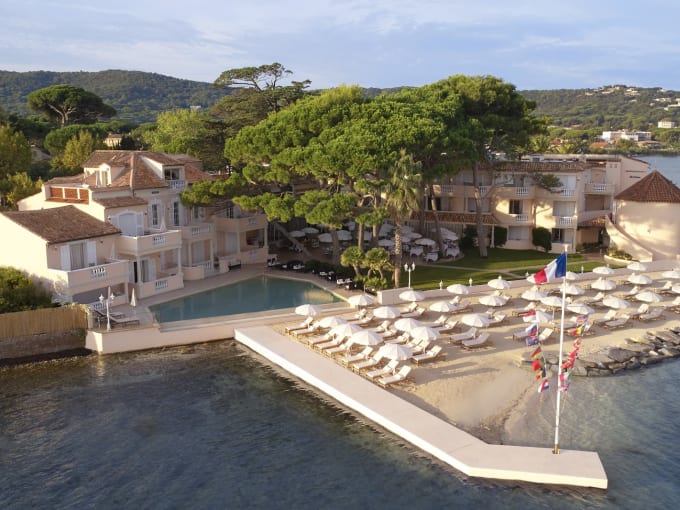
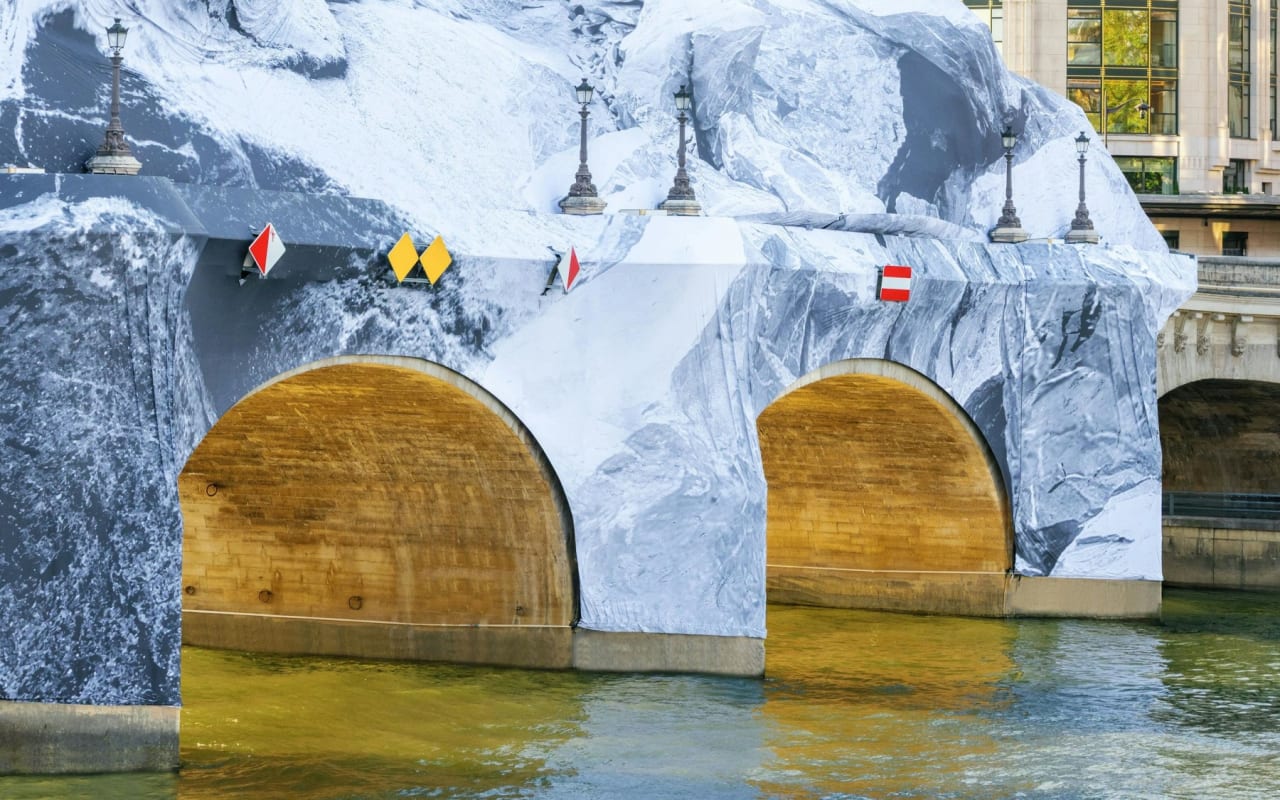
Le premier critère reste l’adresse. Chez Cheval Blanc, elle n’est jamais un simple décor. Elle structure l’expérience. Courchevel se juge d’abord comme une Maison de station, au contact direct du ski et du rythme hivernal. Saint-Barth se lit comme une adresse insulaire, avec une relation immédiate à la plage et au paysage caribéen. Saint-Tropez se mesure à l’aune de la Riviera, de son intensité estivale et de sa proximité avec le village. Paris, lui, relève d’une logique de capitale. La Seine, l’ancrage dans la Samaritaine et la densité culturelle du centre comptent autant que les suites. Les Seychelles, enfin, imposent un autre standard. L’isolement, la nature et la sensation d’espace y deviennent des critères majeurs. Ce que nos conseillers observent : une grande adresse ne vaut pas seulement par sa renommée. Elle vaut par la manière dont l’hôtel exploite réellement son site.
Deuxième axe, l’ancrage local. C’est ici que nous regardons si la Maison dialogue avec son territoire, ou si elle pourrait être déplacée sans perdre son sens. Nous examinons l’architecture, les matériaux, la lumière, les circulations et la relation au climat. Nous regardons aussi le rythme de séjour qu’elle propose. À Courchevel, la montagne doit être vécue, pas seulement vue. À Saint-Barth et aux Seychelles, le rapport à l’extérieur, à la mer et à la végétation est central. À Paris, l’ancrage se joue autrement. Il passe par l’inscription dans un quartier, par les vues, par la lecture contemporaine d’un patrimoine commercial et urbain. Saint-Tropez, de son côté, doit trouver un équilibre subtil. Il faut capter l’énergie de la destination, sans perdre la sensation de retrait. Mon conseil : c’est souvent ce critère qui départage deux Maisons au niveau de service comparable.
Le troisième bloc concerne le service et la cohérence LVMH. Nous évaluons la qualité d’exécution, la fluidité, la personnalisation et la capacité à anticiper sans surjouer. Chez Cheval Blanc, le service doit être précis, lisible et sans rigidité. Nous regardons aussi la continuité de collection. Une Maison doit appartenir clairement à Cheval Blanc, tout en gardant sa personnalité. Cette cohérence passe par les standards d’accueil, par le soin apporté aux détails et par une certaine idée du luxe discret. Elle passe aussi par les partenariats et les univers de marque associés au groupe. Mais nous ne récompensons pas une simple démonstration de puissance. Ce qui compte, c’est l’intégration. Une Maison convainc davantage quand les codes LVMH soutiennent le lieu, au lieu de l’écraser.
Enfin, nous accordons un poids important au design, à la restauration et au spa. Le design n’est pas noté pour son effet d’image. Nous jugeons sa capacité à organiser l’espace, à créer du confort et à installer une identité claire. La restauration compte fortement, car elle occupe une place structurante dans l’ADN Cheval Blanc. Nous observons la signature culinaire, la constance et la pertinence de l’offre selon la destination. Même logique pour le spa. Nous évaluons la qualité des installations, le niveau de partenariat, la lecture du bien-être et l’adéquation avec le lieu. Un spa urbain n’a pas la même mission qu’un spa insulaire. Au final, notre classement distingue donc ce que chaque Maison fait mieux que les autres. L’une peut dominer par son adresse. Une autre par sa table. Une troisième par son sens du paysage ou par la précision de son service. C’est cette lecture nuancée qui nous intéresse.
Questions sur cette section
Toutes les Maisons Cheval Blanc offrent-elles le même style d'expérience, ou chaque adresse a-t-elle une personnalité propre ?
Chaque Maison a une personnalité nette. C'est même l'un des intérêts du portefeuille. Vous retrouvez une même exigence de service et de détail, mais l'expérience change fortement selon la destination. Une adresse urbaine ne se vit pas comme une Maison de montagne ou de bord de mer. Nous regardons donc moins un standard uniforme qu'une interprétation locale de l'hospitalité Cheval Blanc. C'est ce qui rend le classement utile pour orienter le bon profil de voyageur.
Cheval Blanc, une hospitalité LVMH en cinq adresses
L’histoire de Cheval Blanc commence en montagne. La première Maison ouvre à Courchevel en 2006. Elle s’inscrit dans l’écosystème LVMH, mais choisit d’emblée une voie distincte. Le projet ne cherche pas la multiplication rapide des ouvertures. Il privilégie des implantations rares, dans des destinations déjà installées au sommet du voyage haut de gamme. À retenir, cette logique restera constante. Chaque Maison doit compter par son adresse, sa personnalité architecturale et sa capacité à faire exister un art de recevoir français contemporain. Courchevel pose ainsi les bases du langage Cheval Blanc. Le service y est pensé comme une conversation fluide. Le décor y dialogue avec le paysage alpin. Et la table y tient déjà un rôle structurant dans l’expérience globale.
La collection s’élargit ensuite par touches mesurées. Saint-Barth rejoint l’ensemble en 2014, avec une présence caribéenne qui change l’échelle du récit. Ici, Cheval Blanc ne transpose pas la montagne au soleil. La Maison s’ancre dans une île, dans une plage, dans un rythme plus ouvert sur l’extérieur. Randheli, aux Maldives, confirme la stratégie d’implantation très ciblée. La destination parle d’elle-même. L’isolement, l’arrivée, la relation à l’eau et l’espace disponible permettent à la marque de déployer une version plus insulaire de son hospitalité. Ce que nos conseillers observent, c’est la cohérence du geste. Cheval Blanc ne cherche pas à reproduire un décor type. La marque répète plutôt une méthode. Elle choisit des lieux à forte désirabilité internationale. Puis elle y construit une maison pensée pour ce site précis.
Saint-Tropez marque une autre étape importante. La Maison y prend place dans une destination française déjà saturée de signes de luxe. C’est précisément là que Cheval Blanc affine son positionnement. La marque ne se contente pas d’une adresse iconique. Elle y propose une lecture plus domestique, plus maîtrisée, plus discrète du très haut de gamme. Paris, enfin, donne à la collection son ancrage urbain majeur. L’ouverture parisienne a valeur de manifeste. Elle installe Cheval Blanc au cœur d’une capitale où l’hôtellerie de prestige est particulièrement dense. Le choix de la Samaritaine, sur la rive droite, relie l’hospitalité à un ensemble patrimonial et commercial emblématique de LVMH. Mon conseil, pour comprendre la marque, est de lire Paris comme une synthèse. On y retrouve l’attention au design, la centralité de la restauration et le sens du détail opérationnel déjà visibles ailleurs.
Ce parcours en cinq adresses dessine une collection courte, mais très construite. Courchevel, Saint-Tropez, Saint-Barth, Randheli et Paris couvrent la montagne, la Riviera, les Caraïbes, l’océan Indien et la grande capitale. La géographie n’est pas décorative. Elle sert une idée précise de la rareté. Chaque Maison doit être immédiatement identifiable par son contexte. Dans le même temps, l’ensemble reste lisible comme une seule famille. Cette unité passe par le service, par une esthétique contemporaine et par le recours à des signatures d’architecture et de design reconnues. Elle passe aussi par une exigence de lieu. Chez Cheval Blanc, l’hôtel n’est jamais pensé comme un simple produit de collection. Il doit dialoguer avec son environnement immédiat, sans perdre sa grammaire française.
Au fond, la construction de Cheval Blanc dit beaucoup de la vision LVMH de l’hospitalité. La marque avance lentement. Elle préfère cinq Maisons fortes à une expansion dispersée. Elle assume des ouvertures rares, dans des destinations capables de soutenir un très haut niveau d’exécution. Et elle articule trois piliers avec constance. D’abord, un art de recevoir français actualisé, moins cérémoniel qu’autrefois, mais très précis. Ensuite, une architecture d’auteur, pensée comme une composante de l’expérience. Enfin, une implantation sélective, où chaque adresse doit pouvoir devenir une référence locale. C’est cette discipline qui donne sa netteté à la collection. Et c’est elle qui explique pourquoi ces cinq Maisons se lisent aujourd’hui comme un ensemble cohérent.
Gastronomie : les signatures Alléno et Donckele
Chez Cheval Blanc, la table n’est pas un service annexe. Elle participe à l’identité de chaque Maison. C’est particulièrement visible dans les signatures de Yannick Alléno et d’Arnaud Donckele. Le premier imprime sa lecture de la cuisine française à Courchevel et à Saint-Tropez. Le second porte une approche plus méditerranéenne et narrative à Saint-Tropez, puis à Paris. À retenir. On ne parle pas ici d’une collection uniforme. On parle de restaurants pensés pour un lieu précis, avec un niveau d’exécution qui compte dans le choix de la destination.
À Courchevel, Cheval Blanc place la gastronomie dans un contexte de station. Le voyageur vient pour le ski, mais aussi pour une table de très haut niveau. Yannick Alléno y signe Le 1947 à Cheval Blanc. Le restaurant est triplement étoilé au Guide Michelin. Ce fait, à lui seul, pèse dans la lecture de la Maison. Peu d’hôtels de montagne peuvent s’appuyer sur une telle adresse en interne. L’expérience y reste liée au tempo alpin. On dîne après la neige, dans un cadre où la précision du service compte autant que l’assiette. Ce que nos conseillers observent. Courchevel attire les hôtes qui veulent une destination complète, sans arbitrer entre ski, spa et grande table.
À Saint-Tropez, le sujet devient plus large. La Maison réunit plusieurs expressions culinaires, dans un registre balnéaire plus solaire. Yannick Alléno y signe La Vague d’Or. Le restaurant est triplement étoilé au Guide Michelin. Là encore, le poids gastronomique est structurant. Mais l’expérience diffère de Courchevel. Ici, le repas s’inscrit dans une journée de mer, de jardin et de lumière. Le rapport au produit, aux sauces et aux textures se lit autrement au bord de la Méditerranée. Saint-Tropez permet aussi de comprendre la complémentarité entre Alléno et Donckele dans l’univers Cheval Blanc. Arnaud Donckele y a marqué la scène locale avant de porter sa signature à Paris. Mon conseil. Pour un voyage centré sur la table, Saint-Tropez offre la lecture la plus ample du lien entre destination et gastronomie.
À Paris, Cheval Blanc confirme que la restauration est un pilier de marque, pas seulement un attribut d’hôtel. Arnaud Donckele y signe Plénitude, au sein de Cheval Blanc Paris. Le restaurant est triplement étoilé au Guide Michelin. L’adresse se distingue aussi par son implantation, au cœur de la Samaritaine, face à la Seine. Cette géographie change tout. On n’est ni en station, ni en bord de mer. On est dans une grande capitale, avec une clientèle internationale qui peut venir dîner sans séjourner sur place. La table devient alors une porte d’entrée vers la Maison. C’est un point important dans notre lecture. Paris est sans doute l’exemple le plus net d’un restaurant capable de rayonner au-delà de l’hôtel lui-même.
Les autres Maisons expriment ce rapport à la gastronomie de manière différente. Cheval Blanc Randheli et Cheval Blanc St-Barth ne reposent pas, dans cette lecture, sur une signature Alléno ou Donckele comparable à celles de Courchevel, Saint-Tropez et Paris. Leur proposition culinaire existe, bien sûr, mais elle s’inscrit davantage dans l’expérience globale de villégiature. Cela compte pour le classement final. Certaines Maisons sont choisies d’abord pour la destination, puis pour la table. D’autres inversent presque l’ordre. Chez Cheval Blanc, cette nuance est essentielle. Si vous voyagez pour dîner, Paris, Saint-Tropez et Courchevel forment le trio le plus lisible. Si vous cherchez une Maison où la gastronomie accompagne le séjour sans le dominer, les adresses insulaires répondent à une autre attente. C’est cette capacité à moduler l’expérience, du restaurant de station à la table balnéaire, qui donne à la collection sa cohérence.
Spa Cheval Blanc : Guerlain, Dior et sens du lieu
Dans la collection Cheval Blanc, le spa n'est jamais un simple équipement. Il sert de lecture immédiate du positionnement de chaque Maison. Deux signatures dominent cette cartographie. Guerlain accompagne Cheval Blanc Courchevel, Cheval Blanc St-Barth et Cheval Blanc Randheli. Dior Spa s'impose à Cheval Blanc Paris et à Cheval Blanc Seychelles. Ce partage dit beaucoup. D'un côté, une grammaire historique du soin français. De l'autre, une expression plus couture, plus urbaine ou plus contemporaine selon le lieu. À retenir, le choix du partenaire ne relève pas seulement de la cosmétique. Il structure aussi le rythme du séjour, la scénographie des cabines et la manière d'entrer en relation avec le site.
À Courchevel, le Spa Cheval Blanc by Guerlain s'inscrit dans une logique de récupération et de confort d'altitude. Le contexte de montagne change tout. Le corps arrive sollicité par le froid, le ski et l'air sec. Le spa devient alors une extension naturelle de la journée. Il ne concurrence pas la destination. Il la prolonge. À Saint-Barth, la lecture est différente. Le Spa Cheval Blanc by Guerlain accompagne une vie de plage, de lumière et de circulation entre intérieur et extérieur. Le soin s'intègre à un séjour plus ouvert, moins rythmé par la performance. À Randheli, toujours avec Guerlain, le bien-être prend une dimension insulaire plus immersive. Ce que nos conseillers observent, c'est une place plus structurante du spa dans l'expérience globale. Aux Maldives, le temps disponible, l'isolement relatif et la géographie du resort favorisent des rituels plus longs.
Le duo parisien et seychellois introduit la signature Dior Spa, avec une autre lecture du luxe. À Cheval Blanc Paris, le Dior Spa Cheval Blanc s'inscrit dans une Maison très urbaine. Le spa y fonctionne comme un contrepoint au tempo de la capitale. L'adresse est au cœur de Paris, face à la Seine. Le soin prend alors une valeur de refuge très lisible. Il peut être central dans un court séjour, y compris pour des voyageurs qui viennent autant pour la ville que pour l'hôtel. Mon conseil, ici, est simple. Le spa compte presque comme une destination dans la destination. Aux Seychelles, le Dior Spa de Cheval Blanc Seychelles se lit autrement. Le cadre insulaire appelle la déconnexion, mais avec une esthétique plus contemporaine que celle des Maisons Guerlain du portefeuille. Le partenariat Dior y affirme une identité de marque forte, sans effacer l'environnement naturel.
La vraie différence entre ces spas tient donc à leur intégration au lieu. En montagne, le bien-être répond à un usage précis. En ville, il crée une respiration. Sur les îles, il devient un langage du temps long. Guerlain semble particulièrement cohérent dans les Maisons où la douceur du séjour, la saisonnalité ou l'éloignement invitent à une relation plus sensorielle au soin. Dior s'exprime avec force là où l'image, le dessin des espaces et l'affirmation de marque participent davantage au récit de la Maison. Cela ne crée pas une hiérarchie. Cela dessine des intentions différentes. Pour choisir, il faut donc moins opposer Guerlain et Dior que comprendre le type de voyage recherché.
Si vous privilégiez la récupération après l'effort, Courchevel s'impose naturellement. Si vous cherchez un spa qui dialogue avec la plage et un séjour caribéen très fluide, Saint-Barth garde une grande pertinence. Pour une parenthèse insulaire où le bien-être structure vraiment les journées, Randheli se distingue nettement. Paris conviendra mieux à ceux qui veulent un spa de destination, inscrit dans un séjour culturel et urbain. Les Seychelles parleront aux voyageurs sensibles à l'alliance entre nature tropicale et signature Dior. C'est sans doute la lecture la plus utile de cette collection. Chez Cheval Blanc, le spa ne standardise pas l'expérience. Il révèle, au contraire, la personnalité de chaque Maison.
Tendances 2025-2026 du luxe selon Cheval Blanc
En 2025-2026, Cheval Blanc illustre une évolution nette du luxe hôtelier. Le séjour ne se résume plus à une chambre spectaculaire. Il s'organise autour d'un univers cohérent, signé, lisible et très privé. C'est l'un des points communs les plus clairs entre Cheval Blanc Courchevel, Cheval Blanc St-Barth, Cheval Blanc Randheli, Cheval Blanc Paris et Cheval Blanc Seychelles. Chaque Maison affirme un cadre distinct. La montagne, l'île caribéenne, l'atoll maldivien, la capitale et l'archipel granitique produisent cinq réponses différentes à une même attente. Le client cherche moins l'effet démonstratif. Il privilégie une identité forte, immédiatement perceptible, puis un service capable d'effacer les frictions. À retenir, Cheval Blanc répond à cette demande par des formats volontairement contenus. La collection reste limitée en nombre d'adresses. Cette rareté structure l'expérience autant que le décor.
Autre tendance de fond, la montée des expériences plus privées. Elle traverse aujourd'hui tout le segment ultra-luxe. Chez Cheval Blanc, elle prend des formes différentes selon la destination. À Courchevel, l'intimité se lit dans le rapport direct aux pistes et dans la fluidité d'un séjour de sports d'hiver très accompagné. À St-Barth et aux Seychelles, elle passe par le rapport à la plage, à la villa et au rythme personnel. Aux Maldives, Randheli reste une référence pour les voyageurs qui veulent de l'espace, du temps et une logistique sans couture. À Paris, la confidentialité prend un autre sens. Elle repose sur une adresse urbaine très centrale, mais pensée comme un refuge au-dessus de la Seine. Ce que nos conseillers observent, c'est une demande croissante pour des séjours où l'on peut tout faire sans jamais subir la densité du lieu. Cette attente favorise les Maisons capables d'offrir une forte personnalisation, sans théâtralité inutile.
Le bien-être expert s'impose aussi comme un critère de choix majeur. Il ne s'agit plus seulement d'ajouter un spa à une offre hôtelière. Le spa devient un langage de marque. Sur ce terrain, Cheval Blanc a construit une lecture très claire. Certaines Maisons s'appuient sur Guerlain. D'autres sur Dior. Ce point compte, car le voyageur identifie désormais les maisons de beauté avec la même précision qu'un chef ou qu'un architecte. Le bien-être recherché est plus ciblé, plus technique et plus intégré au séjour. En resort, il accompagne la déconnexion, le sommeil, le rythme du climat et le temps long. En ville, il fonctionne comme un contrepoint à l'intensité urbaine. Paris incarne particulièrement bien cette tendance. Randheli, St-Barth et Seychelles l'expriment dans un registre plus immersif. Mon conseil, regarder le spa non comme un supplément, mais comme un indice de positionnement. Chez Cheval Blanc, il dit beaucoup de la promesse de chaque Maison.
La gastronomie de destination continue, elle aussi, de redessiner les arbitrages. Les voyageurs réservent davantage un hôtel parce qu'ils veulent vivre sa table. Cheval Blanc est particulièrement bien placé sur ce terrain. La collection a fait de la restauration un pilier d'identité, et non un service annexe. Paris joue un rôle central dans cette dynamique, avec une adresse où la scène culinaire participe directement à l'attractivité de la Maison. Courchevel s'inscrit dans la même logique, avec une clientèle qui attend un niveau gastronomique aussi élevé que l'expérience alpine. Dans les destinations balnéaires, la table prend une autre fonction. Elle rythme la journée, renforce le sentiment de lieu et contribue au souvenir du voyage. Cette évolution rejoint une demande plus large. Le client veut moins multiplier les sorties. Il préfère séjourner dans une Maison qui concentre déjà les raisons de rester.
Enfin, deux mouvements pèsent fortement sur 2025-2026. D'abord, la progression des séjours multigénérationnels. Ensuite, la combinaison ville plus resort au sein d'un même voyage. Sur ces deux points, les cinq Maisons forment un ensemble très lisible. Les adresses insulaires répondent bien aux voyages de famille, grâce à l'espace, au temps long et à la recherche de discrétion. Courchevel attire des séjours intergénérationnels autour du ski et des vacances de saison. Paris, de son côté, fonctionne souvent comme porte d'entrée ou finale de voyage. C'est là que la logique de collection devient stratégique. Un itinéraire Paris puis Randheli, ou Paris puis Seychelles, correspond exactement aux attentes actuelles. On combine intensité culturelle et retrait balnéaire. On relie shopping, gastronomie et bien-être. On garde aussi un même niveau de service, avec des codes de maison cohérents. C'est sans doute la tendance la plus intéressante. Le luxe ne se pense plus seulement adresse par adresse. Il se pense en parcours, et Cheval Blanc dispose aujourd'hui d'une collection particulièrement adaptée à cette lecture.
Questions sur cette section
Cheval Blanc convient-il mieux à une escapade gastronomique, bien-être, familiale ou romantique ?
La réponse courte est que tout dépend de la Maison choisie. Certaines adresses se prêtent davantage à une parenthèse bien-être, grâce au spa et au cadre. D'autres sont plus pertinentes pour un séjour urbain rythmé par la restauration et la vie culturelle. Quelques Maisons conviennent particulièrement aux familles, avec plus d'espace et d'activités. Notre rôle consiste justement à faire correspondre l'intention du voyage avec la bonne adresse, plutôt qu'avec la seule notoriété de la marque.
Ce qu'il faut retenir avant de réserver
Au moment de réserver, la bonne question n’est pas quelle Maison est la plus désirable. La bonne question est celle du voyage que vous voulez vraiment vivre. Cheval Blanc ne duplique pas une formule. La collection décline cinq contextes très différents. C’est ce qui la rend lisible. Courchevel répond au séjour de montagne, avec un ancrage ski immédiat dans la station alpine. Paris s’adresse à l’escapade urbaine, culturelle et gastronomique, au cœur de la capitale. Saint-Tropez privilégie la Riviera et le rythme estival. Saint-Barth joue la plage caribéenne dans un format plus intime. Randheli, aux Maldives, relève de la retraite insulaire, avec transfert en hydravion et villas sur lagon ou sur île. À retenir, le choix se fait d’abord par destination, ensuite par style de séjour.
Si votre priorité est le ski, le réflexe est simple. Cheval Blanc Courchevel reste la Maison la plus cohérente pour un séjour centré sur les pistes. L’adresse se situe dans l’univers de Courchevel 1850, avec un positionnement clairement montagne. Elle convient aux voyageurs qui veulent alterner ski, spa et dîners sans perdre de temps en transferts. Mon conseil est de la choisir pour un séjour court et intense, ou pour une semaine familiale très cadrée. Si vous cherchez plutôt une parenthèse urbaine, Cheval Blanc Paris fonctionne mieux. L’adresse réunit la ville, les musées, le shopping et une lecture très contemporaine du grand hôtel parisien. Nos conseillers l’observent souvent chez des voyageurs qui veulent tout faire à pied, ou presque, sans renoncer au calme d’un hôtel de très haut niveau.
Pour la mer, il faut distinguer deux envies. Cheval Blanc St-Tropez parle d’abord à ceux qui veulent la Côte d’Azur, la saison, les plages et les adresses de la presqu’île. C’est le bon choix pour un long week-end d’été, ou pour quelques jours en complément d’un itinéraire en Provence. L’expérience y est plus riviera que retraite. Cheval Blanc St-Barth relève d’un autre registre. L’île attire une clientèle qui cherche la plage, bien sûr, mais aussi une sensation d’échappée plus lointaine. Le cadre caribéen change le tempo. Mon conseil, si vous hésitez entre les deux, est de penser au temps de voyage et à l’énergie voulue sur place. Saint-Tropez s’intègre facilement à un séjour européen. Saint-Barth mérite davantage une vraie coupure.
Cheval Blanc Randheli, enfin, répond à un besoin très précis. Cette Maison s’adresse aux voyageurs qui veulent se retirer du monde pendant quelques jours, ou davantage. Le trajet fait partie de l’expérience, avec l’arrivée aux Maldives puis le transfert vers l’atoll. Une fois sur place, tout pousse au ralentissement. Villas, lagon, horizon dégagé, rythme insulaire. C’est l’adresse que nous recommandons le plus volontiers pour un voyage de noces, un anniversaire important, ou une pause longue sans programme urbain. Elle convient moins à ceux qui aiment sortir, multiplier les tables extérieures ou improviser des visites culturelles. Ici, le séjour se vit dans la continuité du lieu.
En lecture simple, voici notre boussole. Courchevel pour le ski et la montagne structurée. Paris pour un city break de grand luxe, avec culture et gastronomie. Saint-Tropez pour la Riviera et l’été français. Saint-Barth pour la plage, le soleil et une coupure caribéenne plus exclusive. Randheli pour l’isolement choisi et le temps suspendu. Ce que nos conseillers observent, c’est qu’il n’existe pas une meilleure Maison Cheval Blanc dans l’absolu. Il existe la bonne Maison au bon moment. Mon conseil final est donc très concret. Dites-nous d’abord votre saison, votre durée de séjour et votre niveau d’énergie souhaité. Nous vous orienterons ensuite vers l’adresse la plus juste, sans forcer un décor qui n’est pas le vôtre.