Hyde Park
Hyde Park is a large central London park known for broad paths, open lawns, the Serpentine lake, and easy walks or bike rides.
In pictures


About
Hyde Park is one of central London’s major green spaces. People come here to walk, pause between visits, or spend time by the Serpentine. The mood shifts with the hour, the weather, and the season.
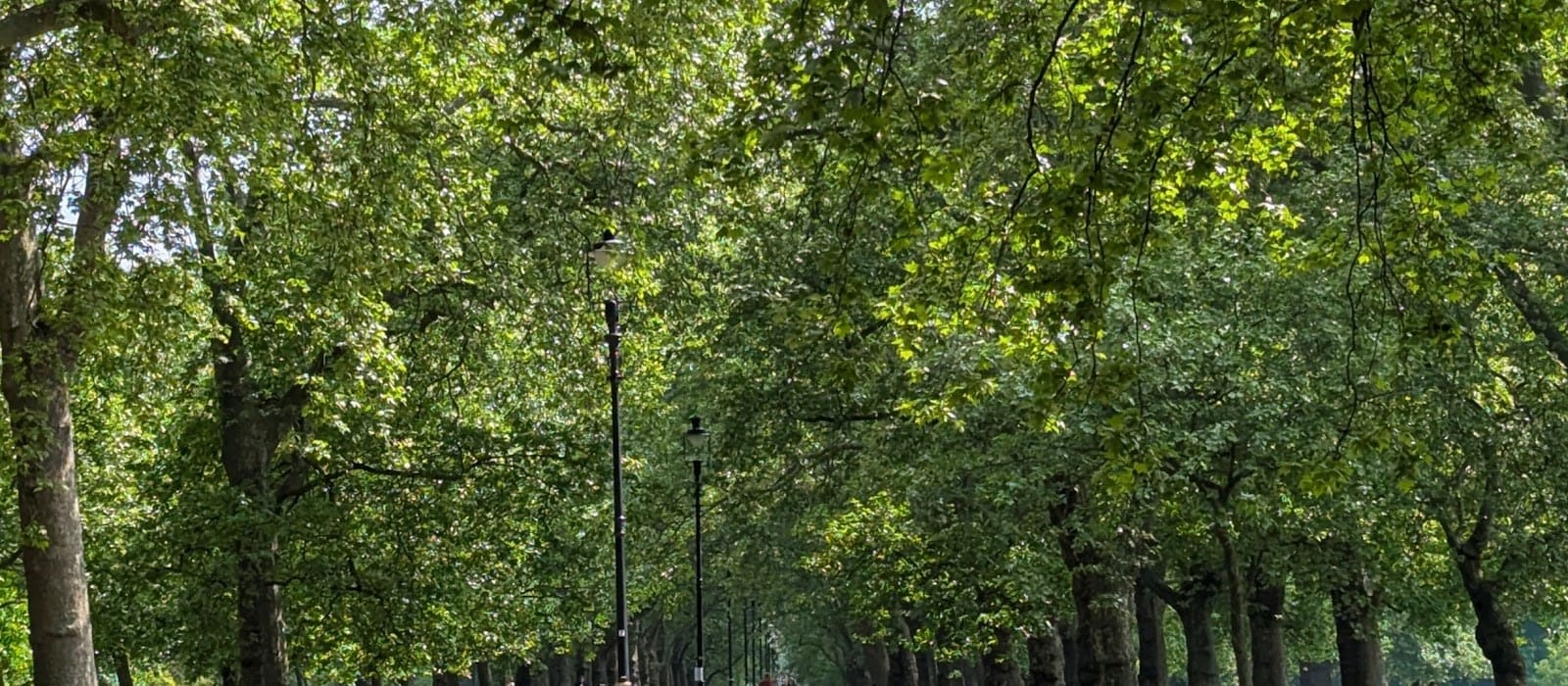
The park is large and easy to enjoy without a fixed route. Broad paths work well for strollers, running, and cycling. Open lawns and water views also make Hyde Park photos easy to take, especially in soft morning or late afternoon light.
Hyde Park is known for everyday London life as much as for sightseeing. Visitors picnic, read, watch birds, and sometimes spot squirrels. At certain times of year, parts of the park feel busier. Seasonal events, including Hyde Park Winter Wonderland, can change the atmosphere and circulation.
To visit Hyde Park London well, think in terms of time rather than a checklist. A simple cross-park walk is enough between neighborhoods. A fuller loop takes longer and suits a slower day. If you want a longer green escape, continue into Kensington Gardens next door. In colder months, choose the middle of the day for a more comfortable walk.
The Concierge's Tip
Go early in the morning or later in the afternoon. Light is softer then, and the main paths are usually easier to enjoy. For a fuller outing, pair Hyde Park with Kensington Gardens. Keep a light layer with you, even on clear days. The breeze can feel cooler near the water. In winter event periods, allow extra time and choose quieter entrances when possible.
Ask the Concierge
Our Concierge arranges your visit: skip-the-line tickets, a private guide, off-hours access.
Ask the ConciergeFrequently asked questions
- What is Hyde Park in London?
- Hyde Park is a large public park in central London. People use it for walks, runs, cycling, time by the water, or a quiet break between visits. It also connects well with nearby neighborhoods and links naturally with Kensington Gardens to the west.
- Is Hyde Park worth visiting in London?
- Yes, especially if you like balancing city sightseeing with open space. Hyde Park is less about ticking off sights and more about spending time well. It works nicely after a museum, before lunch, or as an easy walk without much planning.
- Why is Hyde Park famous?
- Hyde Park is known for its scale, central location, and place in everyday London life. Its broad paths, the Serpentine, and open lawns make it widely used. Depending on the season, events and gatherings can also shape the atmosphere in noticeable ways.
- What can you do in Hyde Park?
- You can walk, run, cycle, sit on the grass, watch birds, or take photos. Many visitors also use it as a pleasant route between neighborhoods. It suits families well, thanks to wide paths, open space, and a visit style that stays flexible.
- Can you see squirrels in Hyde Park?
- Yes, you may spot squirrels here, as in several large London parks. Sightings depend on the time of day, the season, and how busy the park feels. Quieter mornings are often better. It is best to stay discreet and treat it as a possibility, not a guarantee.
- How long does it take to walk around Hyde Park?
- It depends on your pace and the route you choose. A straightforward crossing can be fairly quick. A broader loop, with stops and a detour by the lake, takes much longer. For a relaxed visit, allow extra time rather than planning too tightly.
- Is Hyde Park bigger than Central Park?
- No, Central Park is generally considered larger. The comparison comes up often, but it is not the most useful one for planning a visit. In London, Hyde Park stands out more for its central setting, varied uses, and connection with Kensington Gardens.
Hotels nearby
Our selection of extraordinary hotels a short walk from this place.