History & sense of place
The Ritz-Carlton Reynolds Lake Oconee belongs to a distinctly American idea of the grand waterside retreat: a resort designed for slowing down, inhabiting a broad landscape and making nature part of daily life rather than a mere backdrop. In Greensboro, Georgia, the hotel sits within a lakeside setting that combines the tradition of outdoor resorts with the polished discretion associated with the Ritz-Carlton name. The interest here is not that of a monumental urban palace with centuries of history, but of a destination property where the stay itself, the relationship with Lake Oconee and a particular style of hospitality define the experience.
The spirit of the place rests on a carefully judged balance between refinement and ease. The natural setting sets the rhythm: changing light on the water, tree-lined views, early departures for outdoor pursuits and slower returns at day’s end. The hotel translates that geography into a hospitality experience. The atmosphere, known for being elegant and welcoming, is not about showy luxury. It is expressed instead through the organisation of spaces, the smoothness of service and the attention paid to practical details that make a stay feel simpler and more comfortable.
The Ritz-Carlton name naturally carries a promise of high standards, especially in service, consistency and hospitality. For travellers, that means less rigid ceremony than dependable quality: one chooses this address for the welcome, for the clarity of the experience and for the assurance of a carefully run environment suited equally to a romantic weekend or a longer stay shaped around golf, the lake or pure rest. Its international reputation draws a varied clientele, yet the property retains the logic of a retreat, almost domestic in the way it relates to the landscape.
What gives the hotel its character, finally, is its place within the American South-East, where open-air living, outdoor leisure and warm hospitality remain central. Lake Oconee is not simply a view; it structures life across the resort and gives the whole property coherence. Guests come here to breathe, to rediscover a less urban tempo and to alternate activity with stillness. In that sense, the hotel successfully brings together the language of five-star hospitality and that of a nature-led destination. More than any grand historical narrative, that alliance forms its true legacy: a refined stay rooted in the landscape, clear in its purpose, serene in its execution and enduring in its appeal.
The establishment, between lake and Georgian nature
Staying at the Ritz-Carlton Reynolds Lake Oconee means choosing a destination where the landscape is as significant as the hotel itself. In Greensboro, Lake Oconee adds a unique depth to the experience. The views over the water, the sense of space, the surrounding vegetation, and the outdoor lifestyle create an experience that is markedly different from that of an urban five-star hotel. Here, the references are those of a nature resort: open horizons, abundant light, seamless flow between indoors and outdoors, and the impression of having arrived in a place designed for breathing.
The appeal of the site lies in its ability to offer a retreat without excessive isolation. The natural setting provides the sought-after tranquillity while remaining conducive to stays centred around activities. The lake structures the perspectives and gives the place an immediate identity. Depending on the time of day, it can serve as a contemplative backdrop, a playground for activities, or simply a soothing presence from a terrace, lounge, or the hotel's surroundings.
The architecture and common spaces, without seeking to be spectacular, complement this connection to the outdoors. Elegance is measured here by the quality of transitions: from the lobby to a relaxation area, from a restaurant to a terrace, from a corridor to a room with a view. The natural setting calls for materials, volumes, and light that prioritise visual comfort and a sense of openness. Together, they create a tranquil luxury that is in harmony with the destination.
This location is well-suited for travellers looking to combine relaxation and activity. The hotel lends itself to outdoor leisure. One can imagine very different days without leaving the spirit of the place: an active morning by the lake, a more leisurely afternoon, and an evening in a subdued atmosphere. Couples find here a destination conducive to disconnection. Other travellers appreciate the ease with which the site allows for a tailor-made stay.
What distinguishes the establishment is less an isolated architectural gesture than an intelligent placement. Luxury here arises from the harmony between a renowned hotel brand, a comprehensible natural environment, and a promise of effortless stays. For those seeking an elegant address in a setting of lakes and forests, with that sense of space that transforms the rhythm of the days, the Ritz-Carlton Reynolds Lake Oconee offers a contemporary retreat in Georgia.
Rooms and Suites: Comfort as an Extension of the Landscape
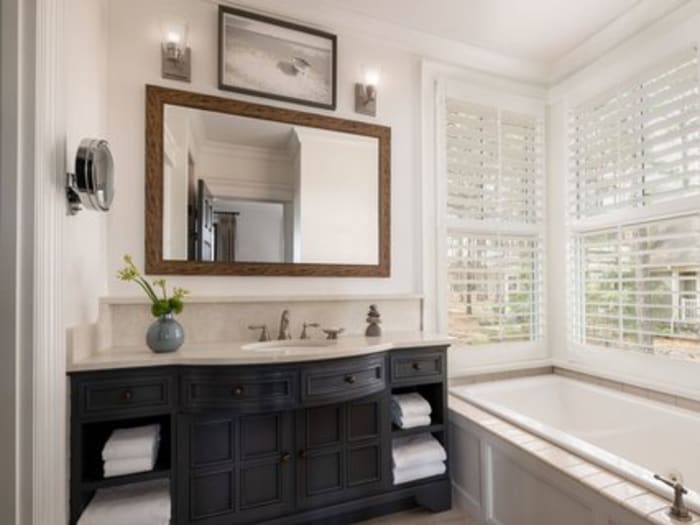
In a resort of this nature, the room becomes the anchor point of the stay. It is a place to return to between activities, offering a private calm after the communal spaces.
At the Ritz-Carlton Reynolds Lake Oconee, the rooms and suites extend the hotel's overall promise. They prioritise elegance, hospitality, comfort, and a connection to the site.
The primary criterion is the sensation of space and relaxation. The flow of movement must remain unobstructed. The furniture should serve the stay rather than merely display. The colour tones harmonise with the surrounding nature.
Views play a central role. The visual relationship with Lake Oconee is part of the experience. A successful room allows the landscape to enter without sacrificing intimacy.
The suites cater to a different rhythm of travel. They are suitable for extended stays, romantic getaways, and travellers seeking multiple living areas.
In an establishment of this category, the difference lies not only in size but also in quality of use. A distinct living area enhances the balance between relaxation and conviviality.
The service reinforces the perception of these private spaces. The nightly turndown service and daily upkeep contribute to the impression of a room that is always ready. Here, luxury is defined by continuity.
The choice of category primarily depends on how one inhabits their stay. A well-located room is ideal for a romantic weekend, while a suite offers more comfort during a longer stay or one filled with outdoor activities.
Here, the accommodation does not compete with the landscape. It accompanies, frames, and makes it habitable. It is this precision that contributes to the lasting quality of the rooms and suites.
Dining: Between Resort Conviviality and the Joy of the Setting
In a lakeside resort, dining serves a different purpose than in a grand city hotel. It naturally punctuates the day: breakfast before an outing, lunch between activities, and dinner upon returning to tranquillity.
At the Ritz-Carlton Reynolds Lake Oconee, the appeal of the dining experience lies as much in the moment as in the plate. The landscape, light, and rhythm of the stay influence how one eats and inhabits the spaces.
The lakeside setting calls for a certain flexibility. Meals with a view, terraces or rooms open to the outside, an informal atmosphere during the day, and a more subdued ambiance in the evening. In an establishment of this calibre, the dining experience accommodates various uses without losing coherence.
It must cater to romantic getaways, families, or groups of friends. It should also adapt to both active days and more contemplative stays. This versatility is essential in a high-end resort.
One expects a refined, clear cuisine focused on the pleasure of the stay. Service and environment play a central role. In a hotel with an elegant and welcoming atmosphere, the dining experience extends this sentiment.
Luxury is then reflected in precision: a welcome that is not rigid, a controlled tempo, and the ability to make a simple dinner genuinely enjoyable.
Breakfast deserves special attention. Starting the day facing the lake, in soft light, sets the tone for the stay. Dinner concludes the day in a more enveloping atmosphere after outdoor activities.
Dining is an integral part of the overall experience. At the Ritz-Carlton Reynolds Lake Oconee, it contributes to a coherent whole where meals, views, service, and activities resonate with one another.
Spa & wellbeing, the logic of slowing down
Even when every detail of a spa is not specified, a hotel of this category in such a setting naturally invites a wellbeing reading. The lake, the greenery, the relative distance from urban pace and the property’s restorative vocation create the conditions for a stay oriented towards physical and mental recovery. At The Ritz-Carlton Reynolds Lake Oconee, wellbeing is therefore not limited to a single facility; it belongs to a broader logic, that of slowing down. It is a quality of destination before it becomes a list of treatments.
In a nature resort, the first calming effect often comes from the setting itself. Looking out over water, walking through a green environment, shaping the day around chosen activities rather than obligations and returning to the relative quiet of an evening by the lake already produce a form of re-centring. A spa, where present in a major resort hotel, extends that inner disposition. It offers a more sheltered, more intentional space in which rest becomes a deliberate act rather than merely a happy by-product of travel.
One may reasonably expect a Ritz-Carlton property to approach wellbeing through comfort, quality of care and continuity of service. Guests then choose a treatment or restorative moment not as decorative add-on, but as a structuring part of the stay. For couples, it may be a shared experience that sets the tone of the escape. For others, it is a way of balancing active days spent outdoors. In every case, wellbeing here takes a contextual form: it is closely linked to the landscape and the rhythm of the resort.
This idea of slowing down is also expressed through the simplest habits. Taking time over a coffee with a view, extending a morning without plans, returning to the room early after a day outside, allowing a quiet pause before dinner: these small rituals are precisely what a well-designed hotel makes feel natural. Contemporary luxury, especially in nature destinations, often lies there. Not in accumulation, but in the property’s ability to make rest feel both credible and easy.
When planning a stay, it makes sense to think of wellbeing as a guiding thread. Booking certain restorative moments in advance may be wise, particularly during busier periods, but it is equally important to leave space for spontaneity, as this kind of address often reveals its best side when one allows the site itself to set the pace. At The Ritz-Carlton Reynolds Lake Oconee, wellbeing is best understood as a total experience: a dialogue between the lake, hotel comfort, attentive service and the rediscovered freedom of a less constrained timetable.
Concierge & Services: The Discreet Mechanics of a Grand Hotel
In a five-star destination, the quality of a stay relies as much on visible services as on everything that operates seamlessly behind the scenes. The Ritz-Carlton Reynolds Lake Oconee offers a 24-hour concierge service, a continuously open reception, daily room service, turndown service, luggage storage, laundry services, wake-up calls, and a multilingual team. Together, these elements create a coherent comfort infrastructure.
The concierge plays a central role here. In a destination focused on outdoor activities and relaxation, it assists in organising the stay, advising on the right pace, facilitating essential bookings, and avoiding logistical friction. Booking activities in advance is part of this approach. A good concierge makes the stay smoother, clearer, and often richer.
The 24-hour reception and the continuous availability of staff are particularly important in a resort setting. Arrivals can be late, departures early, and programmes may vary depending on the weather or travel constraints. Knowing that the hotel operates at all hours contributes to a sense of tranquil security. Luxury here lies in continuity.
The housekeeping and room preparation services also deserve mention. Daily cleaning and turndown service directly influence the perception of the stay. In a leisure hotel, returning to a room that has been tidied, refreshed, and prepared for the night enhances the quality of the experience. It is a form of silent care, rarely spectacular but immediately perceptible.
Luggage storage, laundry services, wake-up calls, and the presence of a multilingual team round out this offering with tangible efficiency. These services meet simple needs. They allow for lighter travel, better schedule management, and a sense of being understood without effort.
Beyond the décor and views of the lake, the hotel provides a service structure capable of accommodating varied expectations. Couples seeking rest, guests coming for outdoor activities, short stays or longer ones—all benefit from this discreet mechanism that supports the experience without overwhelming it.
The Art of Living in Greensboro and Around Lake Oconee
Choosing The Ritz-Carlton Reynolds Lake Oconee means opting for a way of experiencing Greensboro and its region through the landscape, available time, and outdoor leisure activities. The local art of living is less about a list of sites and more about a culture of the stay. The lake serves as a reference point, with days adjusted to the weather and light. A stroll, a water activity, or a few hours outdoors can suffice to give meaning to the journey.
Lake Oconee provides the destination with its primary tone, attracting travellers seeking a direct relationship with the water, whether active or contemplative. Some see it as a playground, while others view it as a soothing horizon. This flexibility allows each visitor to set their own pace. A successful stay does not require a packed itinerary; it often rests on a balance between a few well-chosen activities and long, free moments. This is what appeals to couples seeking relaxation.
Georgia evokes an image of gentleness, hospitality, and generous nature. The hotel fits into this context, valuing time spent outdoors. Stays can be simple in their use yet demanding in their comfort. Greensboro becomes less a city to consume and more a gateway to a temporary lifestyle focused on space, calm, and the quality of time.
Travellers who enjoy outdoor activities find a favourable environment here. The proximity of water activities and golf courses shapes the experience of the place. Visitors come to alternate movement and rest, transitioning from a sporting or outdoor activity to a more subdued return to the hotel. This alternation is at the heart of the stay.
Seasonality also plays a role. The warm months are particularly suited to this lakeside destination, where outdoor life flourishes. Terraces, views, water activities, strolls, and extended time outdoors punctuate the days. Beyond the high season, the appeal of the place remains, thanks to its ability to offer a clear change of pace. People come here to break away from the everyday, rediscover a simpler relationship with time, and enjoy a stay without overload.
The art of living around the Ritz-Carlton Reynolds Lake Oconee is characterised by subtleties rather than effects. It relies on the quality of the setting, the ease of the days, and the emphasis placed on the outdoors. Luxury also takes the form of sufficient physical and mental space to live differently for a few days.
Booking via MyConciergeHotel
Booking The Ritz-Carlton Reynolds Lake Oconee through MyConciergeHotel means preparing for your stay with precision. In a resort destination, the quality of the trip often depends on anticipation.
Choosing the room category, understanding the rhythm of the place, and reserving the most sought-after activities are all crucial. The challenge lies in balancing rest time with more active moments.
This hotel caters to various uses of contemporary luxury. Some travellers seek a romantic getaway, with views of the lake and an elegant atmosphere. Others prioritise outdoor activities, water sports, or golf. Still, others desire a comfortable refuge, well-served, where everything operates discreetly.
Intelligent booking involves clarifying the intention of the stay. It is from this point that one chooses the timing, the ideal duration, and the experiences to prioritise.
The warm months are particularly attractive. Activities benefit from being booked in advance. In a lakeside resort, the availability of certain experiences can significantly influence the quality of the stay, especially over a weekend.
Anticipation does not rigidify the trip. It allows for securing key moments while keeping the rest of the itinerary more flexible. This is often the best way to maintain a balance between organisation and spontaneity.
MyConciergeHotel supports this preparation. The added value lies not only in booking a room but also in guiding you towards the right stay scenario.
Whether it’s a room or suite, focusing on relaxation or activities, advice on pacing, and attention to comfort details. In a hotel where service is a cornerstone, this preparation allows you to arrive with a clear vision.
For a couple, the stay can revolve around a few key moments. A room connected to the landscape, a leisurely dinner or breakfast, an outdoor activity booked in advance, followed by open time slots.
For a more active stay, it is useful to prioritise activities to avoid a catalogue effect. The luxury of a resort like this also lies in its ability to convey a sense of space and time.
Booking via MyConciergeHotel means choosing an editorial perspective attentive to the precision and suitability of the stay. The Ritz-Carlton Reynolds Lake Oconee is a place to be experienced at your own pace, amidst lake, nature, and refined service.