History & heritage
In Philadelphia, few addresses express the dialogue between civic memory and contemporary hospitality as clearly as The Ritz-Carlton Philadelphia. The hotel occupies a landmark building in the city centre, whose monumental presence reflects Philadelphia’s historic role in the political, cultural and financial development of the United States. In this part of the city, architecture is never mere scenery: it speaks of the ambition of an old metropolis shaped by major institutions, ordered squares and an urban tradition in which classicism still reads clearly. To stay here is therefore to enter a place that does not attempt to erase its past, but rather to fold it into a high-end hotel experience.
The appeal of the address lies precisely in that continuity. Where some luxury hotels favour an entirely contemporary language, The Ritz-Carlton Philadelphia embraces a certain stately elegance, informed by the scale of the building, the quality of its volumes and the sense of permanence felt from the moment of arrival. The Ritz-Carlton brand vocabulary finds a natural setting here: polished service without stiffness, a hushed atmosphere, attention to detail and a pursuit of comfort that goes beyond appearance. The result is neither museum-like nor ostentatious. It is, rather, a form of composed luxury that values the dignity of the place as much as the ease of the stay.
Philadelphia itself lends the hotel a particular depth. A historic capital of the early United States, the city brings together major institutions, significant architecture, leading museums and lively districts where students, business travellers, art lovers and visitors drawn by historic landmarks all intersect. In that context, the hotel feels like a coherent base: central enough to support a full itinerary, yet calm and structured enough to provide a genuine sense of retreat at the end of the day.
The heritage of the place can also be read in the way the hotel engages with the idea of representation. There is something distinctly Philadelphian about it: an elegance less demonstrative than in other major American cities, more institutional, more attached to the quality of welcome and the correctness of codes than to spectacle. That restraint is part of its charm. It suits seasoned grand-hotel guests as well as travellers seeking an address capable of embodying the city without slipping into historical cliché.
For a business stay, this heritage dimension brings immediate distinction. For a leisure trip, it gives the experience meaning by connecting the hotel to the city rather than isolating it from it. That is perhaps where the singularity of The Ritz-Carlton Philadelphia lies: in its ability to combine the quiet authority of a great historic building, the standards of an international five-star hotel and the energy of a city centre that remains very much alive.
The Establishment
The Ritz-Carlton Philadelphia occupies a strategic position for discovering the city and navigating it with ease. Located in the heart of Philadelphia, the hotel allows for easy access to the main cultural, historical, and institutional landmarks of the city centre.
This centrality alters the rhythm of one’s stay. It enables a seamless transition between business meetings, museum visits, strolls through historic streets, and dining out without the need for excessive travel.
The neighbourhood showcases several facets of Philadelphia. The business district coexists with major civic thoroughfares, institutions, museums, performance venues, galleries, and a vibrant culinary scene.
The hotel thus offers a clear starting point for moving effortlessly between different experiences.
Inside, the atmosphere strikes a balance between monumentality and comfort. The communal spaces feature generous volumes, elegant tones, clear circulation, and attentive service.
The overall design creates an ordered environment, intended to be both soothing and structured. After a busy day, one can easily find a sense of calm here.
The address is suitable for both business stays and urban getaways. Cultural travellers will appreciate the proximity to major sites.
Frequenters of luxury hotel chains will find familiar standards, while first-time visitors to Philadelphia benefit from a simple and reassuring anchor.
Modern luxury is expressed through the quality of execution. Comfort, service, atmosphere, and location all contribute to a seamless stay.
The classic charm lies in the relationship between the building, the city, and the concept of hospitality. Together, they create a serious and well-located address for exploring Philadelphia.
Rooms and Suites
In a large urban hotel, a room must be more than just beautiful. It should restore a rhythm, absorb the fatigue of travel, and provide a counterpoint to the intensity of the city. At The Ritz-Carlton Philadelphia, this principle seems to take precedence.
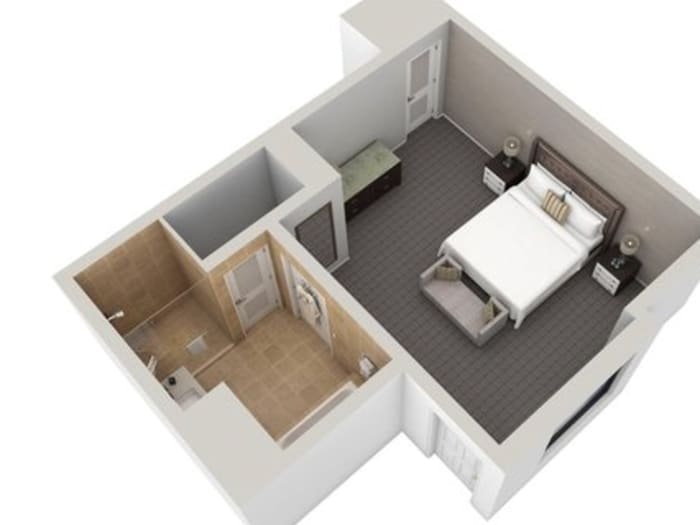
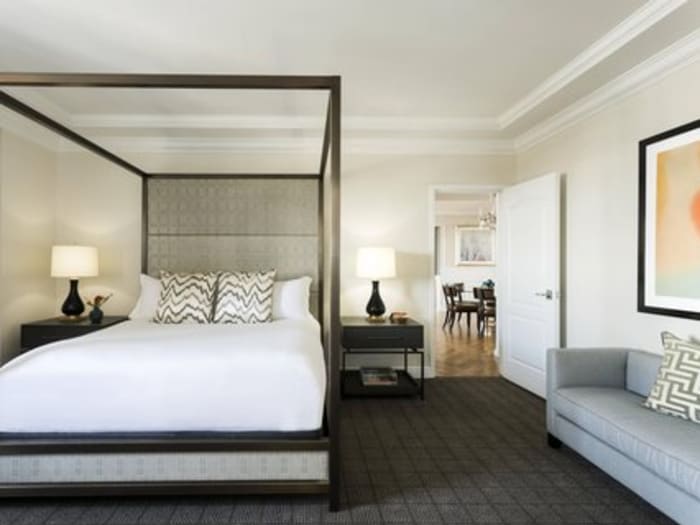
The rooms and suites combine modern luxury with classic charm. Contemporary comfort is enveloped in an elegant design that aligns with the identity of the establishment. The atmosphere remains refined, calm, and coherent.
For the business traveller, the room plays a central role. It serves as a space to work, prepare for meetings, and rest between obligations. Services include daily housekeeping, evening turndown, and round-the-clock reception and concierge assistance.
For couples and leisure travellers, the rooms and suites provide a refuge after visits to museums, historic districts, or dining out. They offer a space that is neither impersonal nor overly staged. The classic charm is evident in balanced lines, durable materials, and a soothing palette. Modern luxury is reflected in the bedding, bathrooms, and the fluidity of use.
The suites are suitable for extended stays or trips requiring more space. They allow for meeting preparations, informal entertaining, or enjoying a separate lounge area. They extend the hotel’s promise of controlled elegance.
A good room in a grand hotel makes one forget the logistical efforts of travel. Here, this impression relies as much on the setting as on the associated services. Daily housekeeping, evening turndown, continuous assistance, and luggage storage create a coherent experience. The rooms and suites thus become the space where the tempo of travel is recalibrated.
Dining
In a hotel of this calibre, dining plays a discreet yet central role. It extends beyond mere practicality; it contributes to the overall experience of the stay.
At The Ritz-Carlton Philadelphia, dining is an integral part of the guest experience. In a large urban establishment, a fine restaurant naturally complements the lobby and guest rooms, reflecting the same level of attention and coherence.
Philadelphia's culinary scene has gained prominence over the decades. In this context, the dining experience at a five-star hotel must find its rightful place, appealing to both transient guests and local clientele.
In the morning, breakfast sets the tone. Business travellers seek efficiency, consistency, and smooth service, while leisure visitors appreciate a more leisurely start before heading out to museums, historical sites, or shopping districts.
At lunch and dinner, the dining options cater to various needs. Whether it's a quick meal between meetings, a longer dinner, a drink in a subdued atmosphere, or a discreet rendezvous, the restaurant adapts.
In a venue like The Ritz-Carlton Philadelphia, the essence lies in the continuity between dining and the rest of the experience. Guests expect clear cuisine, attentive service, and an atmosphere suited to different moments of their stay.
For travellers alternating between outdoor explorations and simpler moments, the hotel restaurant remains a valuable reference point. It offers a reliable option just an elevator ride away, allowing guests to extend their day without interruption.
Wellness & Time for Yourself
At The Ritz-Carlton Philadelphia, wellness is fundamentally rooted in the ambience, the service, and the sense of mastery that permeates the entire experience.
In the city, retreating from the world isn’t always the goal. It’s also about creating moments of respite within a busy schedule.
A well-designed hotel offers this through subtle touches. A seamless arrival. A tranquil room. A turndown service. A team available at all hours.
The ability to leave your luggage, request a precise wake-up call, and alleviate practical constraints also matters. These thoughtful gestures reduce friction. They free up mental space.
For business travellers, this aspect is essential. Amidst meetings, travel, and social obligations, the quality of the stay often hinges on these moments of recovery.
A well-maintained room, reliable service, and an elegant yet unobtrusive environment foster a serene focus.
For couples or leisure visitors, wellness takes on a different form. It lies in the ability to return from a busy day and find a soothing atmosphere.
Philadelphia lends itself well to this balance. The city invites exploration, with opportunities to walk, visit, and move from one neighbourhood to another.
A central yet calming hotel thus becomes an anchor point. One can start the day without haste, take an afternoon break, or conclude the evening in a more tranquil setting.
This ability to absorb the external pace is among the most valuable qualities of a great hotel.
The Ritz-Carlton Philadelphia thus meets a demanding definition of comfort—one that cares for time as much as for space.
Concierge & Services
In luxury hospitality, visible services are just one part of the experience. The true essence often lies in the invisible continuity they create.
The Ritz-Carlton Philadelphia features a 24-hour concierge, a 24-hour reception, daily room service, evening turndown service, luggage storage, laundry services, wake-up calls, and multilingual staff. Together, these services create a seamless stay, anticipating practical needs.
In a central hotel like this, the concierge plays a pivotal role, acting as an interface between the guest and the city. In Philadelphia, they can guide guests to major historical sites, suggest a coherent cultural itinerary, help optimise a professional agenda, or recommend neighbourhoods to explore. The true luxury of concierge service lies in the relevance of their responses. A good concierge simplifies, prioritises, and adapts.
The round-the-clock reception is equally essential in a major urban destination. Late arrivals, early departures, changes in plans, and last-minute requests require flexibility. The wake-up service, luggage storage, and laundry services contribute to this same logic, allowing guests to maintain control over what can sometimes be a complex stay.
Daily room service and evening turndown service belong to a quieter dimension. In the morning, the room is tidied up, and in the evening, it transforms back into a restful space. This alternation enriches the experience, giving the stay a residential quality and reminding guests that luxury also lies in the care taken during transitions.
For travellers with packed schedules, these services hold particular value. Whether for a business trip, a cultural weekend, or a romantic getaway, The Ritz-Carlton Philadelphia offers a blend of availability, discretion, and efficiency. This is what one expects from a prestigious international address: a constant presence capable of supporting the journey without complicating it.
The Philadelphia way of life
Choosing The Ritz-Carlton Philadelphia also means choosing a certain way of entering the city. Philadelphia does not reveal itself as a fixed backdrop; it is discovered in layers, between founding memory, institutional life, cultural districts and contemporary scenes. From a central address, that complexity becomes easier to access. One may devote a morning to major historic landmarks, continue with a museum or collection, lunch in the centre, and then let the day shift towards a livelier district, a performance venue or a more urban dinner. The hotel supports that mobility well because it allows guests to return easily to a point of balance.
The Philadelphia way of life is somewhat more restrained than that of other major American cities. There is less theatricality and more substance. The city values institutions, libraries, museums, universities, places of memory and a civic culture that remains highly perceptible. Yet it is not limited to that. It also possesses an everyday energy made up of cafés, markets, walks, cultural events and a local life that gives visitors the sense of a city that is lived in rather than staged. For European travellers in particular, this combination is especially appealing: it offers both strong historical reference points and a very contemporary urban experience.
From the hotel, it is easy to imagine a stay built around walking and short distances. This is often the best way to grasp Philadelphia: to observe the transitions between major avenues and quieter streets, between official buildings and more ordinary spaces, between civic monumentality and daily life. That urban legibility is part of the local charm. It gives the stay a more human rhythm than in metropolises where everything feels dispersed or dominated by the car. In that context, the centrality of The Ritz-Carlton Philadelphia becomes a genuine cultural asset, not merely a logistical one.
Couples will appreciate the possibility of shaping flexible days that combine heritage, shopping, culinary pauses and returns to the hotel. Business travellers can extend a work trip with a few hours of genuinely worthwhile discovery, without heavy organisation. Art and architecture enthusiasts, meanwhile, will find the city rich in material, provided they take time to look beyond the most obvious landmarks. Philadelphia rewards attentive visitors.
That is where the hotel fully makes sense. It does not impose an artificial narrative on the city; it provides a stable framework from which each guest can construct their own. One stays here for the elegance, the service and the location, but also because it allows Philadelphia to be experienced with accuracy: neither in the haste of a superficial city break nor in the isolation of luxury cut off from its surroundings. For MyConciergeHotel, it is an address suited to those who seek less effect than quality of experience, and who believe that a great hotel should first help one inhabit the destination more fully.
Booking via MyConciergeHotel
Booking The Ritz-Carlton Philadelphia through MyConciergeHotel prioritises an editorial and supportive approach to your stay. This address stands out for its location in the heart of Philadelphia, its proximity to cultural and historical sites, its suitability for business trips, its classic elegance, and its contemporary comfort. The quality of service associated with the Ritz-Carlton brand enhances the overall experience.
For a business trip, we assist in evaluating the advantages of the location, the ease of on-site organisation, and the relevance of the address based on the length of stay. For a romantic getaway or a cultural weekend, we emphasise the relationship between the hotel and the city. Accessibility to major sites, comfort upon return, the appeal of the on-site dining, and the balance between urban vibrancy and a sense of retreat are all considered. This tailored insight saves time and avoids approximate choices.
Booking with MyConciergeHotel also means having a point of contact attentive to practical matters. It can be beneficial to quickly secure a table at the hotel restaurant. This level of attention enhances the quality of the stay, preventing last-minute decisions and ensuring important moments are secured, whether it’s an arrival dinner, a business meeting, or a more relaxed evening. We can also guide you on the best timing for your stay based on the season, the nature of your trip, and events that influence the city’s atmosphere.
Our approach is to precisely qualify the experience. The Ritz-Carlton Philadelphia will suit travellers seeking a central, structured, elegant, and reliable urban hotel, with continuous service and a genuine sense of hospitality. Whether for a heritage immersion, a well-organised business stay, or a comfortable exploration of Philadelphia, this address presents compelling arguments. If you are torn between several hotels of comparable standing, we can assist in making a decision based on concrete criteria: the style of the venue, ambiance, centrality, use of common spaces, and alignment with your itinerary.
Booking via MyConciergeHotel transforms a hotel selection into an informed decision. For The Ritz-Carlton Philadelphia, this means choosing a location whose value lies in its setting, service, and integration within the city. A luxury that accompanies the journey, clarifies the experience, and allows for a more fluid, comfortable, and precise enjoyment of Philadelphia.