History & Heritage
In Shanghai, luxury hospitality transcends mere comfort. It is deeply rooted in a rich urban history characterised by exchanges, influences, and transformations.
The Four Seasons Hotel Shanghai occupies a unique geographical position. Here, Shanghai blends international elegance with ancient local culture, sophisticated and profoundly urban.
The city imposes its own rhythm, shaping a way of inhabiting space that balances heritage, contemporary verticality, and the art of hospitality.
This address embodies the tradition of grand urban hotels, providing a stable anchor in the heart of a bustling metropolis.
In a city where business, leisure, shopping, gastronomy, and cultural life overlap, such establishments create continuity, calm, and clarity.
The Four Seasons signature is built on clear markers: attentive service, high standards, seamless organisation, and a keen eye for detail.
The hotel's heritage is as much about the brand as it is about its location. It expresses a contemporary vision of luxury in Asia, focused more on experience than ostentation.
This blend of tradition and modernity reflects a distinctly Shanghai reality. The city absorbs foreign influences while retaining its own codes.
These codes are evident in architecture, decorative arts, gastronomy, and hospitality practices. A hotel like this naturally fits into this continuum.
It embodies the spirit of great business addresses that have become versatile havens, welcoming travelling professionals, couples, families, and regular guests alike.
This heritage is not static; it is reflected in communal spaces, the discretion of the staff, and the attention to practical details.
In Shanghai, the hotel accompanies the city rather than merely responding to it, which lends it its authenticity.
It does not claim to narrate the entire story of Shanghai but offers a hospitable, elegant, and comprehensible interpretation.
The property
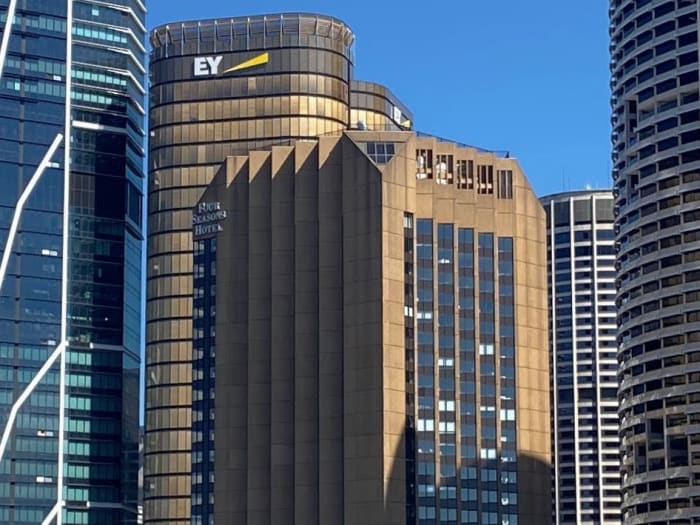
Staying at Four Seasons Hotel Shanghai means choosing an address designed to experience the city from its centre of gravity. The property’s principal strength lies in that deliberate centrality: it is set in the heart of Shanghai, close to the city’s main attractions and with convenient access to transport. For travellers, this changes everything. In a metropolis of this scale, the quality of a stay often depends less on the list of places to see than on the ease with which one can reach them and then return to a perfectly controlled environment in which to rest.
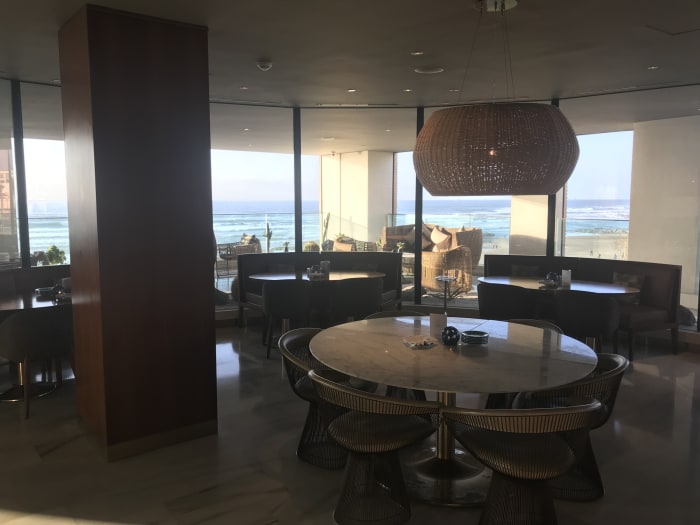
The hotel answers that expectation precisely. It offers the comfort of a grand urban property within a setting that remains legible, orderly and protective. From the moment of arrival, one senses that transition between the city’s outward energy and a more contained atmosphere. The public spaces are described as refined, and refinement here should be understood in its proper sense: balanced proportions, materials chosen with restraint, fluid circulation, considered light and an overall sense of coherence. Nothing is left to chance, yet nothing is overstated. It is an aesthetic of obviousness, particularly well suited to an international clientele expecting a five-star hotel to be both elegant and immediately functional.
The property suits several kinds of stay, which is essential in a city such as Shanghai. Business travellers find a central, efficient and well-connected base. Couples appreciate the possibility of alternating days of exploration with returns to calm. Families, for their part, benefit from a practical starting point from which to organise outings without losing time in transit. This versatility does not mean uniformity. Rather, it reflects a mature understanding of hospitality, capable of accommodating very different rhythms of travel without ever feeling impersonal.
Its relationship with the city also matters. Being in the heart of Shanghai means more than being near major landmarks; it means access to a particular urban experience made up of contrasts, density and successive discoveries. One can move from a shopping district to an architectural walk, from a contemporary address to a more traditional atmosphere, then return in the evening to a hotel that absorbs the fatigue of the day. That ability to serve as a refuge without isolating guests from the urban fabric is part of the identity of the best metropolitan hotels.
Four Seasons Hotel Shanghai embraces that role with clarity. Its positioning is neither that of a resort nor that of a destination hotel cut off from the outside world. It is a city house in the noblest sense: a place where one sleeps well, finds one’s bearings easily, is assisted discreetly, and from which one can radiate towards Shanghai’s many faces. For a first visit as much as for a regular stay, that combination of centrality, comfort and controlled design is a tangible, lasting and immediately perceptible advantage.
Rooms and Suites
In a grand urban hotel, the room is not merely a place to sleep. It becomes a space for recuperation, preparation, and sometimes work. At the Four Seasons Hotel Shanghai, this aspect is essential. The refined design of the rooms and common areas blends tradition with modernity. In the accommodations, this approach suggests interiors designed to endure. Visual comfort accompanies functional ease.
Refinement does not equate to decorative accumulation. In the finest international establishments, it is expressed through carefully selected materials, a calming palette, well-proportioned furniture, and a fluid organisation. After a day immersed in the intensity of Shanghai, this measured sobriety makes perfect sense. The room slows the pace, absorbs external stimulation, and restores a serene continuity to the stay. This refuge-like quality is what truly defines a five-star experience in the city.
Business travellers primarily seek efficiency. They expect a calm environment, intuitive flow, ample storage, and high-quality bedding. Couples are attuned to the atmosphere, light, and intimacy. Families appreciate ease of organisation, clear spatial layout, and a stable setting upon returning from outings.
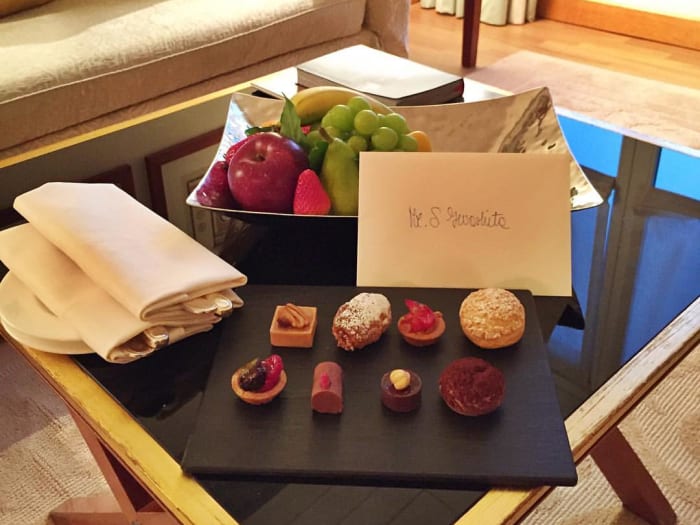
The turndown service contributes to this experience, transforming the room from day to night. The daily housekeeping ensures a sense of consistency that distinguishes well-maintained establishments. Nothing is spectacular, yet everything appears in its place, clean, and ready for use.
In a city like Shanghai, the ideal room accommodates multiple uses without friction. One can start the day early, take an afternoon break, prepare for dinner, or retreat for some quiet time. The suites extend this logic by offering more space, better separation of functions, and increased comfort for longer stays.
The rooms and suites at the Four Seasons Hotel Shanghai are envisioned as refined urban interiors. They embody a certain idea of contemporary luxury: calm, precision, discretion, and flexibility of use. In a destination as vibrant as Shanghai, this quality of retreat is invaluable.
Dining
In a city like Shanghai, dining extends far beyond the confines of the hotel. The metropolis ranks among Asia's major gastronomic capitals.
Its culinary scene is diverse and ever-evolving, coexisting with regional Chinese traditions, international influences, and highly regarded contemporary venues.
In this context, the dining experience of a grand five-star hotel serves a dual purpose: to provide comfort and consistency for residents while also offering an accurate reflection of local and international hospitality.
The gastronomic journey begins with breakfast, a crucial moment in urban hotels.
For business travellers, it often structures the day, while leisure visitors can gauge the city's pulse before heading out.
In a refined setting, a successful breakfast hinges on the quality of the ingredients and the fluidity of service, catering to Western, Asian, or lighter preferences.
The rest of the day calls for a flexible offering. A grand hotel in Shanghai must accommodate varied rhythms.
A quick lunch between meetings, a more leisurely afternoon break, dinner on-site after a long day, or a more ceremonial moment for entertaining.
This versatility is part of true luxury, requiring well-trained teams, consistent execution, and a nuanced understanding of international clientele expectations.
In the best establishments, dining is not merely an ancillary service; it extends the hotel's identity.
In Shanghai, the fusion of tradition and modernity is reflected in flavours, presentations, and dining customs, as well as in the relationship to meals.
A hotel of this calibre can provide a balanced experience, respecting classics while being open to contemporary influences, paying attention to seasonality, and showcasing a sense of presentation.
For the traveller, the appeal is clear. Even while exploring the external culinary scene, having a reliable and well-suited internal dining option is invaluable.
Room service also contributes to this continuity, offering late-night dinners after arrivals, discreet snacks, or breakfast in bed before a busy day.
At the Four Seasons Hotel Shanghai, dining is integrated into the overall experience, catering to both professional stays and more hedonistic interludes.
Spa & Wellness
In a metropolis as dense as Shanghai, wellness is not an extra; it is a necessity for balance.
The body endures time zone shifts, long days of meetings, travel, and noise. In this context, the wellness aspect of a five-star hotel takes on particular significance.
The first level of wellness is invisible, rooted in the overall quality of the environment. Relative silence, controlled temperature, comfortable bedding, impeccable maintenance, and attentive staff all contribute.
In grand urban hotels, fatigue is not only addressed through massage; it is also prevented through the fluidity of the experience.
Not having to think about logistics, relying on flexible schedules, and returning to a perfectly prepared room can transform a stay. The turn-down service plays a part in this as well.
The second level pertains to spaces and rituals dedicated to wellness. A hotel of this category must provide opportunities to slow down.
This might take the form of a moment of relaxation after a long-haul flight or a fitness routine before a workday.
In Shanghai, where urban intensity can be exhilarating yet demanding, these moments of recalibration are invaluable.
The fusion of tradition and modernity resonates particularly here. In Asia, wellness is not always viewed as a mere physical performance.
It often engages a broader idea of harmony, mental rest, and the right rhythm. This sensibility can manifest in a contemporary and accessible form.
Precise gestures, a calming atmosphere, discretion, and attention to post-treatment care are as important as the treatment itself.
For couples, wellness often becomes a time for respite. For business travellers, it represents a concrete tool for recovery.
For families, it can simply mean a gentler pace between outings. This plurality of uses shows that wellness is integrated into the continuity of the stay.
At the Four Seasons Hotel Shanghai, the promise of wellness is understood as an overall quality. It is a hotel capable of absorbing the city's tension and restoring calm and availability.
Concierge and services
True luxury in an urban hotel is often measured by the quality of its most discreet services. At Four Seasons Hotel Shanghai, the known amenities already outline a clear promise: 24-hour concierge, 24-hour front desk, daily housekeeping, turndown service, luggage storage, laundry, wake-up service and multilingual staff. Taken separately, these elements may seem expected at this level. Taken together, however, they define the backbone of a smooth stay, something especially valuable in a city as vast and fast-moving as Shanghai.
The 24-hour concierge plays a central role here. In an international destination where arrival times may be irregular, where needs vary according to the purpose of travel, and where the city itself can impress by its scale, having an interlocutor able to guide, recommend and anticipate makes an immediate difference. The concierge is not there merely to book or confirm; he or she also acts as an interface between the traveller and urban complexity. The role is to help transform an immense city into a legible experience.
The continuously staffed front desk responds to the same logic of availability. A grand hotel must know how to welcome without friction, whatever the hour. That permanence reassures as much as it simplifies. It allows for late arrivals, early departures, last-minute adjustments and more flexible management of the unexpected. For business travellers, such reliability is essential. For leisure stays, it brings precious freedom to the organisation of each day.
Daily housekeeping and turndown service belong to the realm of silent excellence. Their purpose is not to draw attention to themselves, but to maintain a constant level of comfort. In a well-run hotel, the guest should never have to ask for what ought naturally to be ready. The room remains fresh, welcoming and functional; in the evening it is discreetly transformed to accompany rest. That continuity is one of the surest markers of a serious house.
Laundry and luggage storage answer very concrete needs that are often underestimated. Yet in a stopover city, during an extended business trip or as part of a wider Asian itinerary, these services become strategic. Being able to have one’s wardrobe cared for, lighten one’s movements or enjoy a few hours in the city before a late departure genuinely improves the experience. Wake-up service, for its part, is a reminder that a luxury hotel does not merely provide comfort; it also supports the precision of demanding schedules.
Finally, the presence of multilingual staff is particularly important in Shanghai. It ensures smoother communication, reduces friction and reinforces the feeling of being understood. In high-end hospitality, that relational quality matters as much as infrastructure.
At Four Seasons Hotel Shanghai, services are therefore not simple add-ons. They form the invisible architecture of the stay. It is through them that the hotel can fulfil its principal promise: to offer, in the heart of a major metropolis, an experience that is at once elegant, legible and serene.
The Art of Living in Shanghai
Choosing a hotel in the heart of Shanghai also means selecting a way to experience the city. Shanghai does not reveal itself in a single glance; it unfolds in layers, rhythms, and contrasts.
There is the city of grand perspectives and towers, the one of bustling shopping avenues, cultural institutions, lively districts, and swift movements. Then there is another Shanghai, more subtle, that appears in the details.
A preserved façade, a quieter alley, a tea house, a garden, a discreet address. A way of setting a table or composing an interior. The Shanghai art of living emerges from this coexistence of intensity and refinement.
From the Four Seasons Hotel Shanghai, this experience becomes particularly accessible. The centrality of the location allows for flexible day planning without spending too much time in transit.
One can dedicate a morning to exploring a neighbourhood, followed by a gourmet or cultural pause, then return to the hotel before heading out for dinner. This breathing space between outside and inside is part of the pleasure of the stay.
Shanghai rewards curious travellers, but it also demands a certain sense of rhythm. Trying to see everything too quickly would mean missing what makes it charming. The past continues to surface in a city resolutely focused on the future.
The fusion of tradition and modernity could almost serve as a definition of the city itself. Here, one finds a very contemporary sophistication, alongside a culture of detail, politeness, and staging inherited from a long urban history.
For shopping enthusiasts, Shanghai offers a wide array, from major international brands to more niche concepts. For architecture lovers, it presents a rich observation ground.
Here, legacies from the early 20th century intersect with modern ensembles and more recent vertical silhouettes. For travellers seeking atmosphere, the city also knows how to provide slower moments.
An evening stroll, a well-chosen café, an elegant table, a pause in a subdued venue. In this context, the hotel plays the role of a mediator. It does not replace the city; it helps one inhabit it better.
Thanks to its location and services, it allows for a stay tailored to one's preferences, whether highly structured or more spontaneous. This is one of the privileges of grand urban addresses.
Offering enough comfort to be surprised by the outside, then returning to a stable environment inside. Experiencing Shanghai from the Four Seasons means adopting a balanced approach to the city.
Intense without being exhausting, elegant without pretension, open to discoveries yet supported by a solid foundation. Whether for a first visit or a return, this way of staying grants access to a lived modernity, never entirely detached from its memory.
Book with MyConciergeHotel
Booking Four Seasons Hotel Shanghai through MyConciergeHotel means favouring an editorial and guided approach to high-end travel. In a city such as Shanghai, where the hotel offer is extensive and expectations may vary greatly according to the purpose of the stay, the value of precise advice becomes tangible. Not all five-star hotels offer the same relationship to the city, the same fluidity of service or the same relevance for business travel, couples or families. A well-made selection helps avoid choices that are overly generic.
The benefit of an accompanied booking lies first in an understanding of context. Here, the hotel stands out through clear elements: a central location, proximity to major attractions, convenient access to transport, an elegant atmosphere and refined design blending tradition and modernity. These are concrete, useful criteria that speak directly to travellers. They make it possible to understand for whom the address is suitable and why. That legibility is essential at the booking stage, especially for a stay in a major international metropolis.
Booking through MyConciergeHotel also means benefiting from a perspective that goes beyond the technical factsheet. A hotel is not chosen solely on room size or a list of amenities. It is chosen for an atmosphere, a use, a relationship to the neighbourhood, a level of service and an ability to make the stay easier. The role of an editorial concierge is precisely to place these elements in perspective, in order to guide travellers towards the address best suited to their intended style of travel.
For a business stay, Four Seasons Hotel Shanghai appears as a coherent option thanks to its centrality, continuous services and structured environment. For an urban escape, it offers the comfort of an elegant base from which to explore the city without complication. For a journey combining several Asian stops, it provides a dependable anchor capable of absorbing logistical fatigue through essential services such as 24-hour concierge, round-the-clock reception, laundry or luggage storage.
Booking early remains sound advice, particularly when travel dates coincide with busy periods in Shanghai. Anticipation not only secures availability, but also allows guests to choose more carefully the accommodation category that best suits the rhythm of their stay. A well-selected room can materially change the experience, especially in a destination where one often alternates long days outside with regular returns to the hotel.
Finally, booking through MyConciergeHotel means choosing a more informed way to travel. The aim is not to multiply promises, but to identify addresses that fulfil their role with accuracy. Four Seasons Hotel Shanghai belongs to that logic: a high-standing urban house designed to offer comfort, bearings and continuity in the heart of an intense city. For travellers seeking location, service and discreet elegance in equal measure, it is an address worthy of serious consideration.