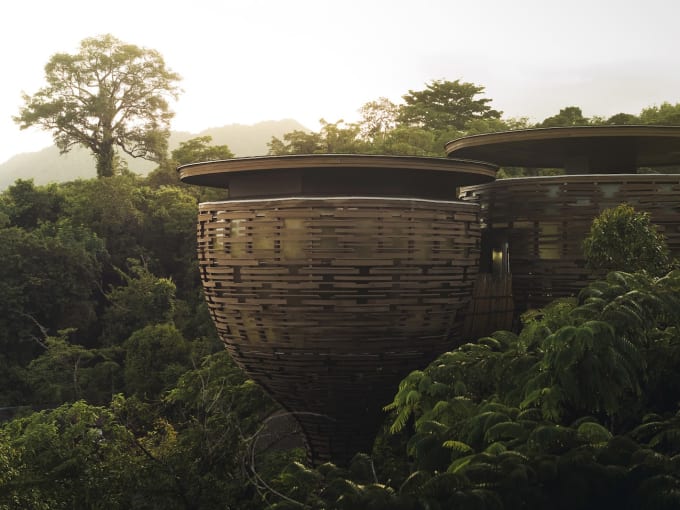
In Thailand, the Small Luxury Hotels of the World segment finds a particularly coherent footing. The country combines highly codified hospitality, a culture of detail, and contrasting geographies. Bangkok nurtures discreet addresses hidden behind major avenues. Phuket and Koh Samui favour intimacy, views, and seclusion. For an independent traveller, this format meets a specific expectation. It is not merely about sleeping in a beautiful hotel; it is about choosing a home with a discernible personality. The SLH label provides a useful reference here, indicating independent hotels, often of a modest size, with attentive service and a unique identity. In a Thai market rich in large resorts, this collection of addresses offers an alternative interpretation of luxury—more personal, quieter, and often more rooted in local narratives.
To establish this ranking, we first examine the coherence between the location, scale, and promise. A convincing Small Luxury Hotel is not merely defined by a successful decor; it must maintain a consistent vision. Thus, we observe the overall quality of the experience, which includes the true independence of the address, architectural uniqueness, relationship to the landscape, consistency of service, and the ability to create a memorable stay without unnecessary frills. The SLH label is, of course, significant as it structures the selection, but it is not sufficient on its own. We also consider the context of use. A city hotel cannot be judged in the same way as an island retreat. A couple's hideaway does not meet the same expectations as a more versatile address. It is important to note that our method values precision over showiness.
The selected trio exemplifies the diversity of this segment in Thailand. The Sukhothai Bangkok illustrates the grand independent urban address, with a strong historical presence in the capital. Its language is one of volumes, gardens, and understated luxury. Keemala, in Phuket, offers a more narrative interpretation of the stay, working with the notion of an immersive retreat, featuring immediately identifiable design. Cape Fahn Hotel, in Koh Samui, takes the idea of chosen isolation even further. This address appeals to those seeking an island within an island, with few keys and a genuine sense of retreat. Three hotels, therefore, but three distinct uses. This is precisely what makes the SLH segment interesting; it does not standardise the experience but makes it more comprehensible for travellers who know what they seek.
Trends for 2025 and 2026 reinforce this perspective. We see a growing demand for shorter stays that are better thought out. A city break in Bangkok is often combined with a more intimate beach interlude. Travellers desire fewer imposed activities and more freedom in their pace. They also seek hotels capable of expressing a territory without heavy folklore. This is reflected in materials, location, hospitality style, and a more balanced approach to privacy. Another clear evolution is the shift in perceived value. It depends less on the size of the facilities and more on the quality of attention. A well-located villa, smooth access, a genuine sense of space, and a team that anticipates without intruding are more important. What our advisors observe is a return to addresses that know how to say no to excess.
This approach aligns with a certain idea of French luxury, as we advocate at MyConciergeHotel. Luxury is not about volume; it is about precision. In the Thai context, this precision takes various forms. It can be urban, as in an address that preserves calm in the heart of Bangkok. It can be insular, when a hotel manages distance from the world without complicating the stay. It can be aesthetic, provided that design serves comfort. My advice in this category is simple: focus less on the list of amenities and more on the quality of daily presentation. How does one arrive at the hotel? How does one move around? How does light enter the room? How does the service enhance the stay? The best independent addresses answer these questions precisely.
It is also essential to read this ranking for what it is. It is not a universal verdict but an editorial hierarchy within a specific theme. We are discussing Small Luxury Hotels in Thailand, specifically charming and characterful independent addresses. We are not comparing hotels that all play the same tune. The Sukhothai Bangkok does not serve the same function as a Phuket retreat. Cape Fahn Hotel does not cater to the same traveller as a large city address. Each ranked hotel has its audience, its rhythm, and its context. Our role is to distinguish those that best express the spirit of this collection, not to devalue other forms of hospitality. If you are travelling as a couple, if you enjoy smaller hotels, and if you prioritise identity over display, this selection will provide you with solid references.
Here is our Top 3 of Small Luxury Hotels in Thailand. Three addresses, three ways to experience the country, and a shared demand for character.