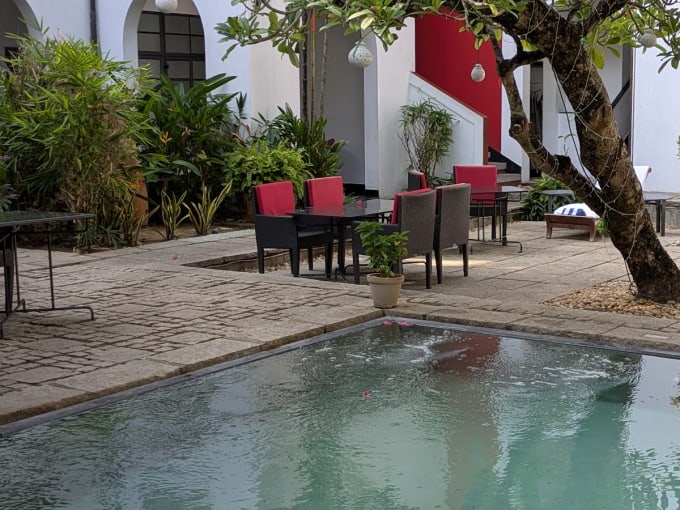
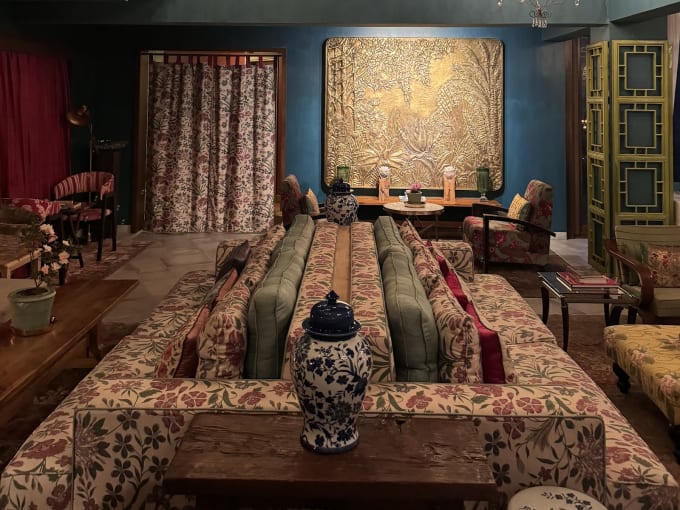
In India, the Relais & Châteaux label carries a unique resonance. It connects characterful hospitality with a deeply rooted culture of welcome. Here, the house is as important as the location. The dining experience is as significant as the suite. The landscape is as vital as the service. For a French traveller, this segment meets a specific expectation. It allows one to experience India through intimate, often independent places where heritage, cuisine, and attention to detail come together harmoniously. In our selection, this promise is reflected in a variety of distinct settings. The Ran Baas The Palace Hotel in Patiala, the Sitara Himalaya Hotel in Manali, the SUJÁN Sher Bagh Hotel in Ranthambhore, Sujan The Serai in Jaisalmer, and The Malabar House in Fort Cochin collectively paint a nuanced portrait of the country.
At MyConciergeHotel, we never view a ranking as a mere tally of labels. The Relais & Châteaux designation serves as a demanding entry point. It is not sufficient on its own. We first assess the coherence of the establishment. The architecture, local grounding, quality of welcome, and personality of the experience must form a cohesive whole. We then evaluate the gastronomic aspect. This may manifest as a signature restaurant, a meticulously crafted regional cuisine, or a compelling dialogue between local produce and contemporary techniques. We also consider an establishment's ability to convey its location. A restored palace does not evoke the same experience as a refined safari camp or a heritage property on the Malabar coast. It is important to note that our ranking prioritises authenticity over spectacle.
The Indian panorama in this selection is remarkable for its breadth. Patiala evokes the princely memory of Punjab and the resurgence of grand historical residences. Manali offers a different perspective—one of high-altitude India, more contemplative, where hospitality is measured by the relationship to the landscape and the rhythm of the seasons. Ranthambhore places nature at the forefront. The stay there revolves around the safari, but also around a campsite of great character. Jaisalmer presents a desert inhabited by light, silence, and a more mineral aesthetic. Finally, Fort Cochin reminds us that India’s hospitality is not limited to interior palaces. It also unfolds along the shores, in historical trading posts, at the crossroads of Arab, Portuguese, Dutch, and Keralan influences. These are five distinct ways to enter the spirit of Relais & Châteaux.
The trends for 2025-2026 confirm this evolution towards more location-specific stays. The high-end traveller no longer seeks just a beautiful room. They seek a home with a viewpoint. In India, this translates into several converging movements. Firstly, the rise of rooted culinary experiences. Travellers are asking for clear regional cuisines, local produce, and credible narratives of place. Secondly, the return of slower stays. Two or three nights are no longer merely a stopover; they become a time for reconnection with a location. Finally, the nature of personalisation is changing. It is no longer about multiplying visible gestures of attention; it is about adjusting the stay with subtlety. What our advisors observe is a clear preference for establishments that can balance intimacy, local culture, and unobtrusive service.
This perspective aligns with a certain idea of French luxury. Not as an exported model, but as a lens through which to view experiences. Luxury, in this context, rests on measure, continuity, and integrity. A fine dining experience is not a separate decor from the hotel; it extends the essence of the house. Successful service is not noticeable at every moment; it makes the stay more fluid. A heritage site does not need to be theatricalised if it is well restored and well inhabited. This is precisely what makes Indian Relais & Châteaux appealing to discerning European clientele. They offer highly local experiences that remain accessible to travellers accustomed to international standards. My advice for making a good choice is to start from your dominant desire—princely heritage, nature, desert, mountains, or historic city. The right hotel will be the one that aligns with this primary intention.
It is also essential to approach this ranking methodically. A number one does not diminish the qualities of other addresses. Each establishment has its own rhythm, audience, and ideal season. Some travellers will prioritise depth of heritage, while others will seek the dining experience, proximity to wildlife, or a sense of seclusion. The Relais & Châteaux format precisely fosters this diversity. It brings together hotels that share a common standard without homogenising them. We have therefore constructed this Top 5 as an editorial hierarchy, not as an absolute verdict. The position reflects a balance between character, coherence of experience, gastronomic interest, and the strength of the location. It does not imply that one hotel suits all; rather, it indicates that within this family of addresses, some establishments appear more complete or distinctive today.
Now, let us present the Top 5. Here you will find homes for a honeymoon, a gastronomic getaway, a heritage retreat, or a nature escape. This is the richness of India Relais & Châteaux.