In the luxury hotel sector, few groups have established such a coherent identity as COMO Hotels & Resorts. The common thread is not ostentation; it is based on calm, space, body care, and a dining experience designed to support the journey. This is precisely what makes this ranking useful today. An increasing number of guests are no longer just seeking a beautiful room; they desire a stay that rebalances their rhythm, sleep, and energy. In this realm, COMO holds a unique position. From COMO Metropolitan London to COMO Maalifushi, from COMO Cocoa Island to COMO Uma Bhutan, the brand has developed a more introspective interpretation of luxury. It speaks to wellness travellers, discerning honeymooners, and regulars who seek a continuity of standards.
To establish this Top 15, we employed simple and verifiable editorial criteria. First, the clarity of the offering. A COMO hotel must express a clear vision of wellness, design, and service. Next, the strength of the location. A private island, a capital city, a Himalayan valley, or an urban address do not offer the same experiences. Therefore, we observe the alignment between destination and experience. The third criterion is the maturity of the wellness offering. The name COMO Shambhala carries weight, but we primarily look at the depth of the programme. Destination spas, yoga retreats, nutritional approaches, treatments inspired by local traditions, or more contemporary routines. Finally, we assess versatility. Some hotels excel for a three-night getaway, while others support longer stays, whether with family, as a couple, or solo.
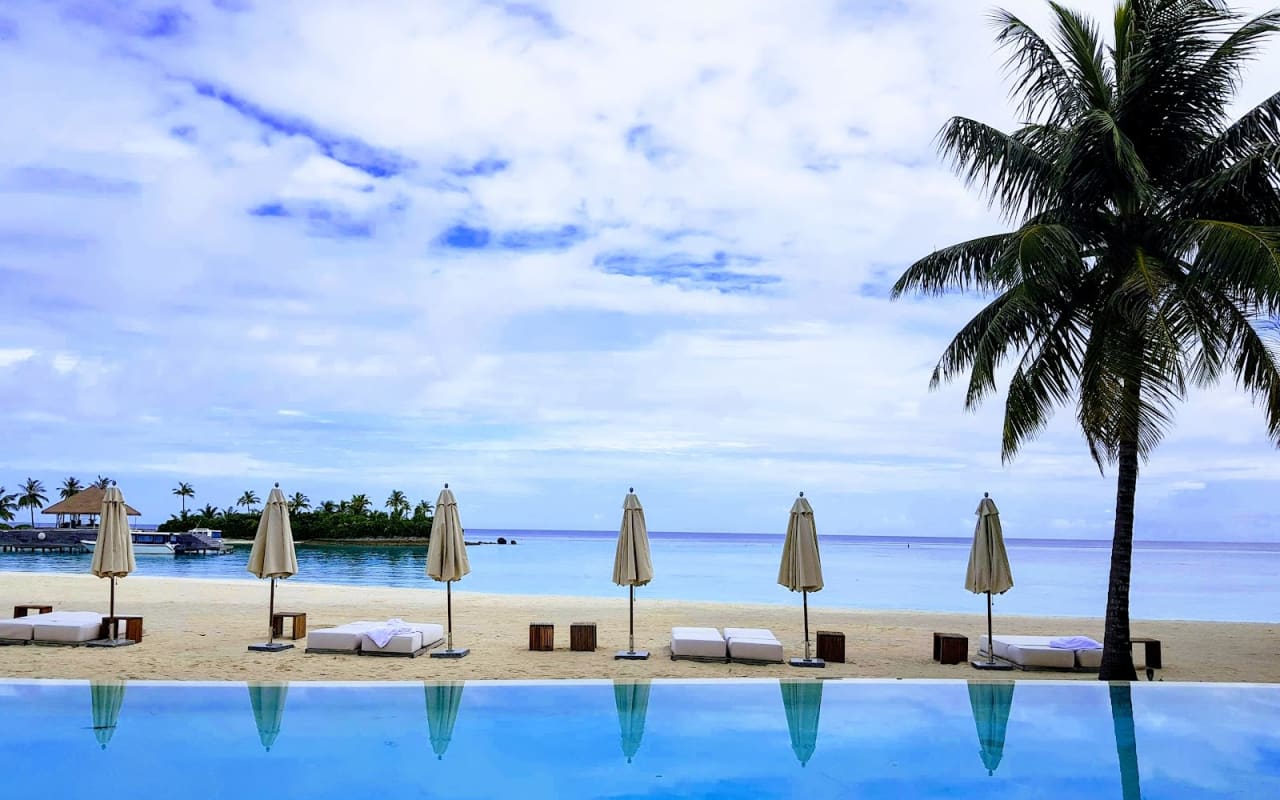
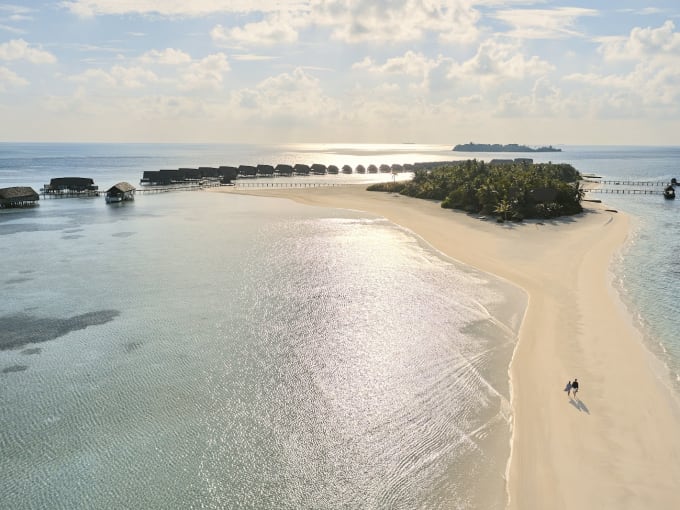
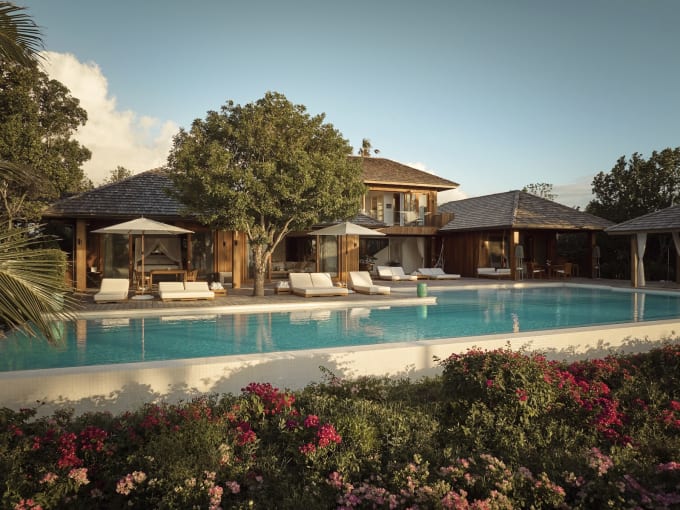
The panorama presented here showcases the true extent of the portfolio. The Maldives remain central, with COMO Cocoa Island and COMO Maalifushi. The former appeals to travellers who favour simplicity, the lagoon, and a slow pace. The latter broadens the scope, with a strong foothold in the Thaa Atoll. In the Caribbean, COMO Parrot Cay retains a special place for disconnection stays. In the Pacific, COMO Laucala Island offers a broader and more insular interpretation of refuge. In Asia, COMO Point Yamu and COMO Uma Canggu cater to different types of travellers. One overlooks Phuket from a promontory, while the other connects surfing, movement, and the Balinese scene. In Europe, COMO Metropolitan London, COMO The Halkin, COMO Castello Del Nero, COMO Alpina, and COMO Le Montrachet demonstrate that a wellness group can also deliver urban, alpine, Tuscan, or Burgundian experiences.
The trends for 2025 and 2026 further reinforce the relevance of this selection. We are witnessing a rising demand for hybrid stays. Clients desire a luxury base but also tangible benefits: better sleep, healthier eating, resuming physical activity, and reducing digital fatigue. This expectation naturally favours establishments that have structured their offerings for a long time. At COMO, the COMO Shambhala cuisine plays a decisive role here. It is not merely a marketing argument; it reflects a way of thinking about meals while travelling. Clearer plates, precise cooking, a focus on fresh produce, and attention to digestion. What our advisors also observe is the return of long recovery stays, appealing to both couples and solo travellers, often after a busy professional period.
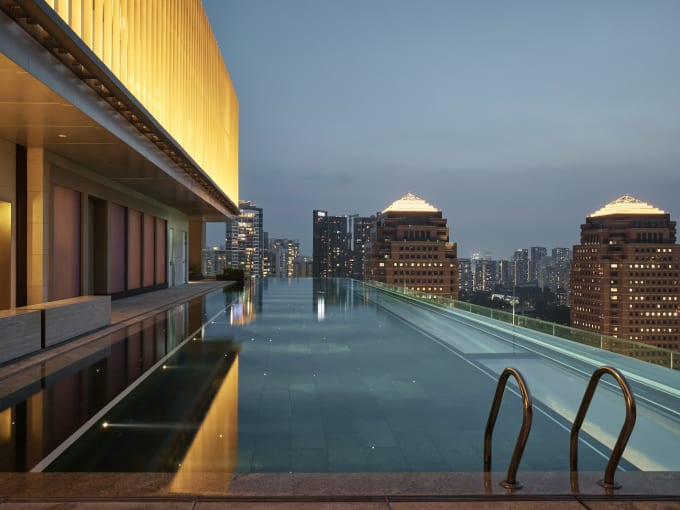
This philosophy resonates with a distinctly French sensibility towards luxury. Refinement is not about volume; it is about precision. Beautiful lighting, anticipatory service without being intrusive, a clear treatment menu, and cuisine that nourishes without sacrificing pleasure. This is why the brand resonates so well with a European clientele. It offers a form of gentle discipline. Wellness is not presented as a performance; it is integrated into hospitality. In London, COMO Metropolitan London and COMO The Halkin demonstrate how this restraint can work in the city. In Bangkok, COMO Metropolitan Bangkok provides a more contemporary response, suited to business travellers as well as transitional stays. In Singapore, COMO Metropolitan Singapore embodies this same standard in a dense urban context. My advice is simple: if you appreciate hotels that allow space for silence, you are in the right place.
It is also important to view this ranking without seeking a universal winner. An island hotel is not meant to outshine an urban address. A retreat in Bhutan does not meet the same expectations as a stay in Tuscany or the Dolomites. We have therefore ordered these establishments according to the strength of their overall proposition within the COMO universe, rather than an abstract idea of luxury. Some travellers will choose COMO Uma Bhutan for its cultural immersion and contemplative pace, while others will prefer COMO Uma Canggu for its Balinese energy, surfing, and vibrant lifestyle. Lovers of wide-open spaces will look to COMO Alpina, while wine enthusiasts sensitive to vineyard landscapes will think of COMO Le Montrachet. Guests seeking a heritage property with a destination spa will remember COMO Castello Del Nero. It is essential to note that each hotel has its own audience, tempo, and ideal season.
Another important point is that brand coherence does not imply uniformity. This is one of COMO's key strengths. The group knows how to maintain common codes while allowing each address to engage with its territory. In the Maldives, this is reflected in the immediate relationship with water, coral, and sky. In Bhutan, it is about mountains, spirituality, and slowness. In Perth, COMO The Treasury anchors the experience in a historic building, offering a distinctly Australian interpretation of contemporary luxury. In Phuket, COMO Point Yamu highlights views, volumes, and openness to the bay. In Fiji, COMO Laucala Island unfolds a more extensive, almost self-sufficient experience that appeals to travellers seeking chosen isolation. This adaptability explains the loyalty of its clientele. A signature is present without the feeling of repeating the same journey.
Thus, our Top 15 reads as a map of wellness luxury according to COMO. You will find marine retreats, urban havens, and destination homes. The right choice will depend less on ranking than on your travel intention.