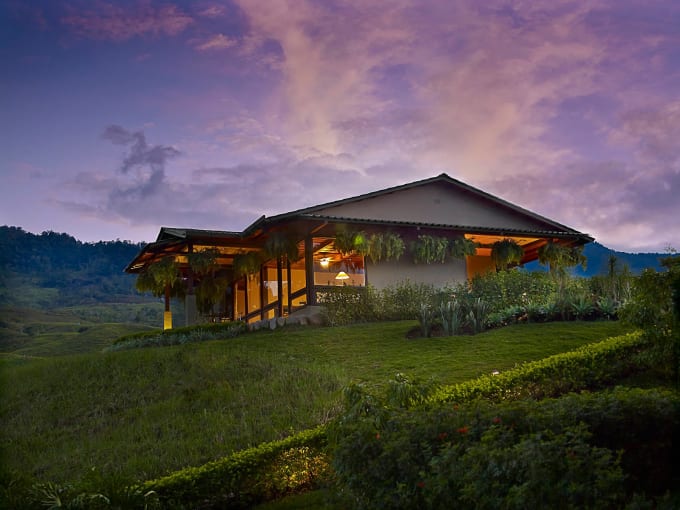
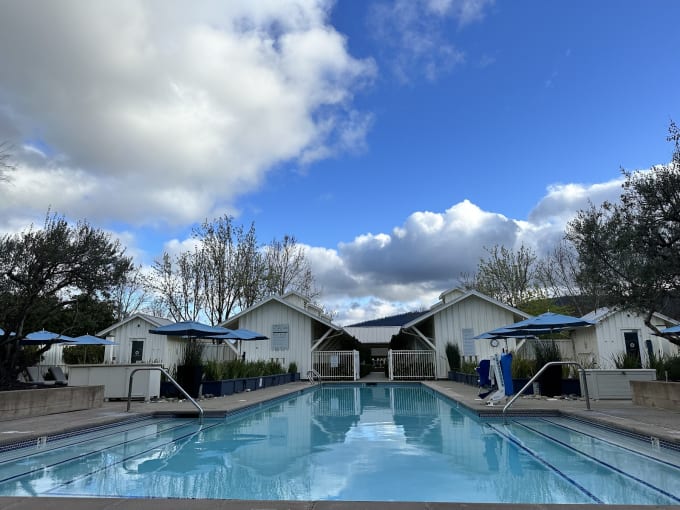
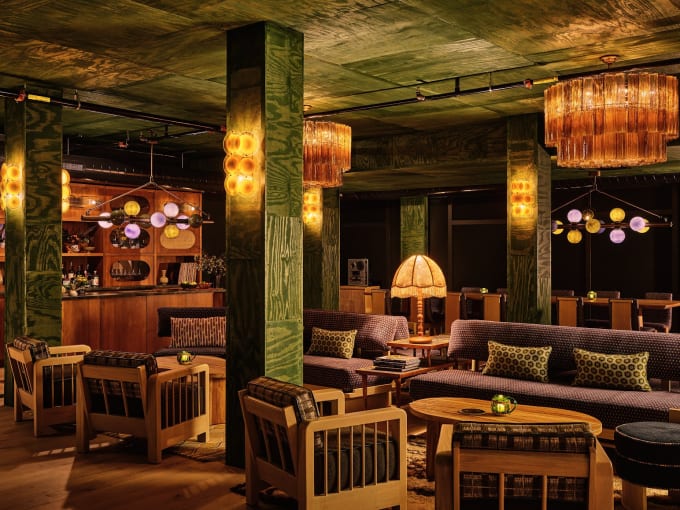
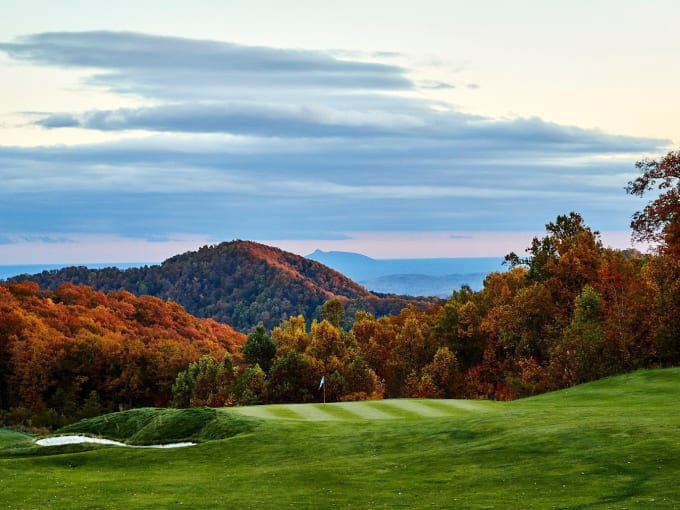
Auberge Resorts Collection holds a unique position in contemporary luxury hospitality. The brand primarily appeals to an affluent American clientele, while also attracting European travellers seeking a less ceremonial luxury experience. Here, the decor is as important as the service. The surrounding landscape is never merely a backdrop; it shapes the experience from dawn through outdoor activities. The Californian roots remain central to this narrative. Solage in Calistoga reflects the brand's anchoring in Napa Valley, while The Inn at Mattei’s Tavern in Los Olivos extends this concept into Santa Ynez. Further afield, Esperanza in Cabo San Lucas, Etéreo in Punta Maroma, Hacienda AltaGracia in Costa Rica, Primland in Virginia, Madeline in Telluride, White Barn Inn in Maine, Wildflower Farms in New York State, The Dunlin in South Carolina, and Grace Hotel in Imerovigli illustrate the expansion of a model that has become global.
In establishing this ranking, we do not seek mere publicity. We focus on concrete and comparable criteria. The first is the coherence between the location and the promise. An Auberge Resorts Collection is convincing when its architecture, rhythm, and experiences extend the landscape. The second criterion concerns the quality of execution, which is reflected in the service, dining, spa, intimacy, and fluidity of the stay. The third relates to sustainable desirability. Some hotels are marked by an iconic address, while others impose a more contemporary interpretation of well-being. We also consider the strength of the destination; an isolated resort serves a different purpose than a wine country retreat or a mountain hotel. It is important to note that this ranking distinguishes hotel personalities, not mere replicas.
The panorama is broader than one might often imagine. Auberge is not just a collection of seaside resorts; it comprises a range of retreats rooted in very different geographies. Mexico appears in two forms: Esperanza gazes over the Sea of Cortez from Cabo San Lucas, while Etéreo is situated on the Riviera Maya in Punta Maroma. Costa Rica, with Hacienda AltaGracia in Pérez Zeledón, pushes the concept of nature retreats even further. The American mountains then take over, with Madeline Hotel & Residences in Telluride appealing to skiing and altitude enthusiasts, and Primland Resort in Meadows of Dan showcasing Virginia's vast landscapes. Wildflower Farms in Gardiner and The Dunlin in Johns Island advocate for a more pastoral approach, while White Barn Inn in Kennebunk reminds us of New England's strength. Even Grace Hotel in Imerovigli demonstrates that Auberge can translate its ethos beyond the United States.
For 2025 and 2026, several trends reinforce the relevance of this collection. The first is the return of transformative stays, without excessive rhetoric. Travellers seek calm, space, and meaningful activities. The spa remains important, but it is no longer the sole focus; it interacts with hiking, horseback riding, the ocean, thermal baths, skiing, or stargazing. The second trend concerns gastronomy. The locavore movement is no longer a mere marketing addition; it has become a baseline expectation for informed clientele. The third touches on time. Luxury is measured less by accumulation and more by the quality of attention. This is where Auberge maintains a competitive edge. The brand knows how to create stays that alternate between retreat, fine dining, and outdoor experiences. Our advisors observe a growing demand for this slow luxury, but one that is very well orchestrated.
From a French culture of grand hotels, Auberge Resorts Collection offers an interesting variation of luxury. The protocol is lightened yet never neglected. The service seeks accuracy over display, and this nuance matters. It explains why these addresses appeal to travellers who wish to be supported without being overwhelmed. Elegance often comes through materials, the scale of buildings, and the relationship to the landscape, as well as a form of discretion. In Napa Valley, this takes the form of a stay among vineyards, baths, and destination dining. In Cabo or on the Riviera Maya, the experience is reflected in the openness to the sea. In Telluride or Virginia, it plays out in direct access to vast spaces. My advice for understanding this collection is simple: look at the setting before the list of amenities. At Auberge, the location remains the ultimate luxury.
This ranking does not aim to designate an absolute winner. Each hotel serves a specific purpose. Some are better suited for a long wellness weekend, while others cater to active stays, honeymoons, family holidays, or gastronomic interludes. Solage does not offer the same experience as Madeline, and White Barn Inn does not tell the same story as Etéreo. Grace Hotel speaks more to travellers drawn to the Mediterranean and the topography of Santorini, while Hacienda AltaGracia appeals to those seeking a deeper immersion in nature. This diversity is a strength, not a dispersion; it allows for nuanced choices. This is precisely the role of a concierge. We do not seek the most visible hotel; we look for the most suitable address for a given travel project. In this spirit, the following ranking should be read as a map of uses.
Now, let us present the Top 10. Here you will find the addresses that best embody this American nature luxury, each doing so with its own territory, rhythm, and audience.