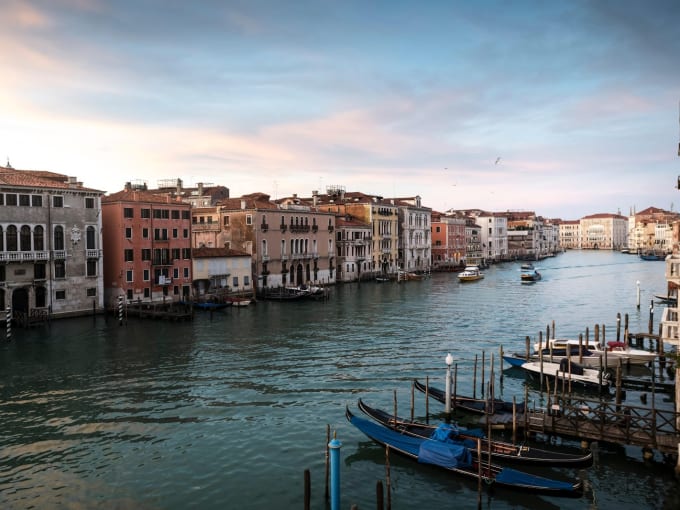
Venice defies simplistic rankings. The city demands a more nuanced understanding than mere star ratings. Between patrician palaces, waterfront addresses, island retreats, and boutique hotels, the experience varies dramatically depending on the sestiere, boat access, and proximity to the lagoon. This is precisely why this ranking deserves to be constructed methodically. A hotel in Venice is not merely a room; it serves as a foothold in a car-free city where arrival, light, and silence matter as much as the decor. From Aman Venice, The Gritti Palace, a Luxury Collection Hotel, Venice, Belmond Hotel Cipriani, to The St. Regis Venice, the promises made by these establishments do not overlap. Our role is to clarify these distinctions.
At MyConciergeHotel, we do not rank Venice based solely on appearances. We first examine the verifiable fundamentals: hotel category, brand reputation, precise location, arrival experience, and the presence of a garden, spa, or pool, as well as the perceived quality of communal spaces. We also consider the coherence between the building and its use. A historic palace is not judged in the same way as an island resort. A centrally located hotel is not expected to perform on the same level as a more secluded retreat. What our advisors particularly note is a property's ability to clearly respond to a travel project. Whether it’s a cultural getaway, honeymoon, first visit, or a return trip, each scenario calls for a different address.
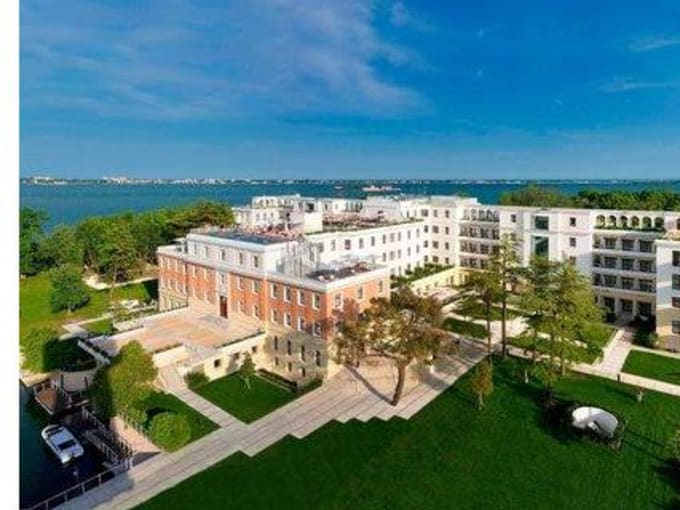
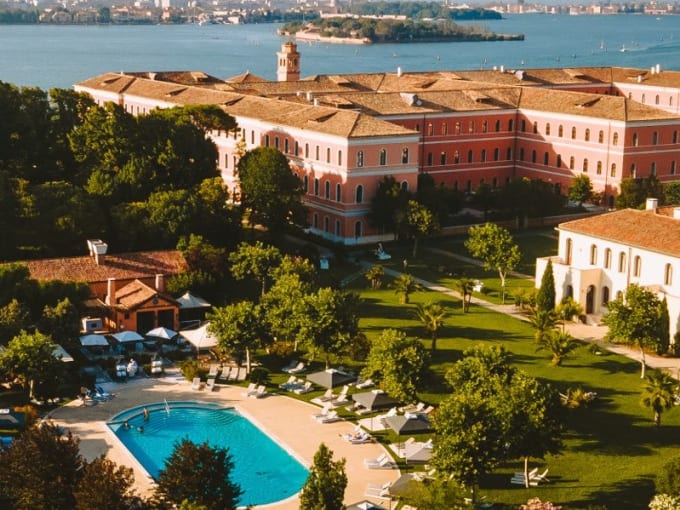
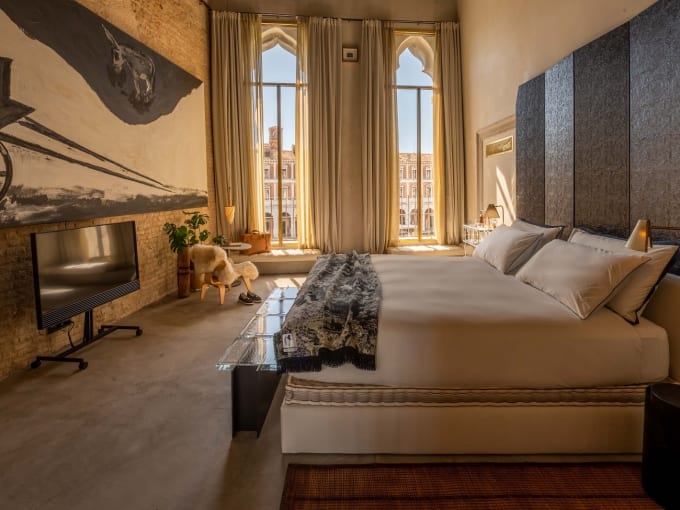
The Venetian landscape presented here is more varied than it may seem. Some hotels are embedded in the heritage imagination of the Serenissima. This is true for Ca' Sagredo Hotel, Baglioni Hotel Luna, or Londra Palace Venezia, which speak of history, position, and continuity. Others adopt a more contemporary approach, such as Il Palazzo Experimental, Sina Centurion Palace, or Nolinski Venezia, offering a more design-focused interpretation of the city. Additionally, several properties provide a unique relationship with water and space. Belmond Hotel Cipriani, San Clemente Palace Kempinski Venice, and JW Marriott Venice Resort & Spa cater to the desire for air, gardens, and breathing room. Finally, addresses like Hotel Ai Reali or Palazzo Garzoni may appeal to those seeking a strategic location within the urban fabric. Venice does not pit tradition against modernity; it layers them.
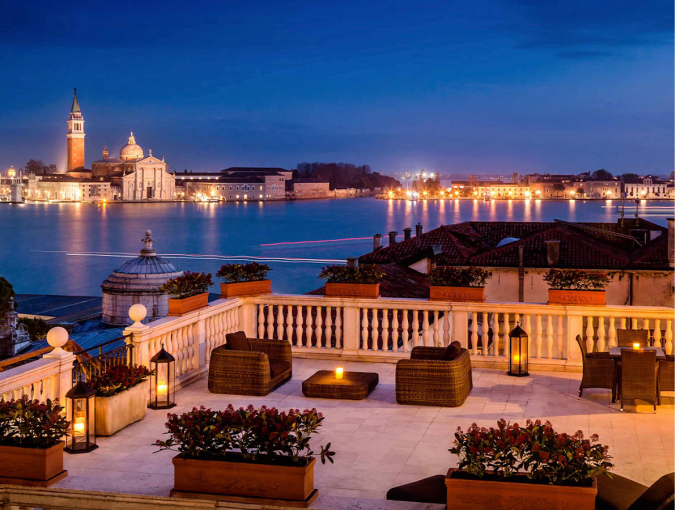
For 2025 and 2026, several trends are solidifying in Venetian hospitality. The first concerns outdoor space, which has become a decisive criterion. Terraces, gardens, unobstructed views, and direct access via private boat weigh more heavily than before in the final choice. The second relates to the rhythm of the stay. Many travellers now wish to alternate between a deep immersion in the centre and moments of retreat. Island hotels or those slightly off the beaten path are therefore gaining relevance. The third evolution is the increasing demand for discernible design, yet without erasing the expectation of heritage. Travellers seek precisely restored places where contemporary comfort does not obscure historical structure. My advice is simple: in Venice, one must decide early between absolute centrality and a sense of space. Both exist, but rarely to the same degree in a single address.
This perspective aligns with a certain idea of French luxury, which we advocate at Le Concierge. Luxury is not accumulation; it is precision. In Venice, this precision is measured in very concrete details: the quality of a landing stage, the fluidity of a transfer, the orientation of a suite, the real quiet after 10 PM, or the ability to reach major sites without enduring crowds. It is also measured by the establishment's ability to maintain its standards over time. A grand Venetian hotel must know how to impress at first glance and remain convincing by the third day. This is often where the best addresses stand out. They offer a city that feels more liveable, more nuanced, almost domestic. The experience thus becomes less ostentatious and gains depth, which is more important for a successful stay.
Therefore, this ranking should be read without seeking a universal verdict. The number one choice for a honeymoon couple will not always be the same as that of an architecture enthusiast or a family seeking spaciousness and resort services. A hotel on the Grand Canal may be ideal for a first-time visitor, while an address on an island may better suit a regular who wants to breathe. A highly codified palace may reassure some travellers, while a more discreet establishment may attract those seeking a more personal connection to the city. We do not aim to distribute superlatives; we seek to organise credible experiences. It is important to remember that this top list distinguishes different qualities. It never denies the uniqueness of each establishment; it simply aids in making a more precise choice.
In the following pages, our Top 12 of the best hotels in Venice presents these addresses according to their unique strengths. Position, style, usage, and consistency guide the final order.