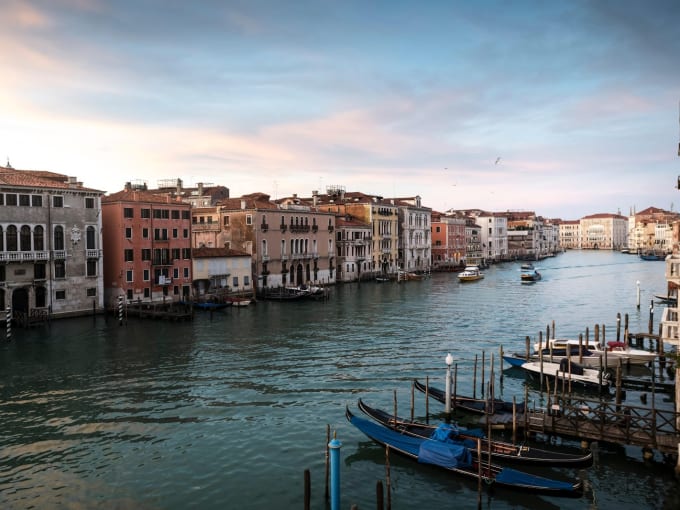
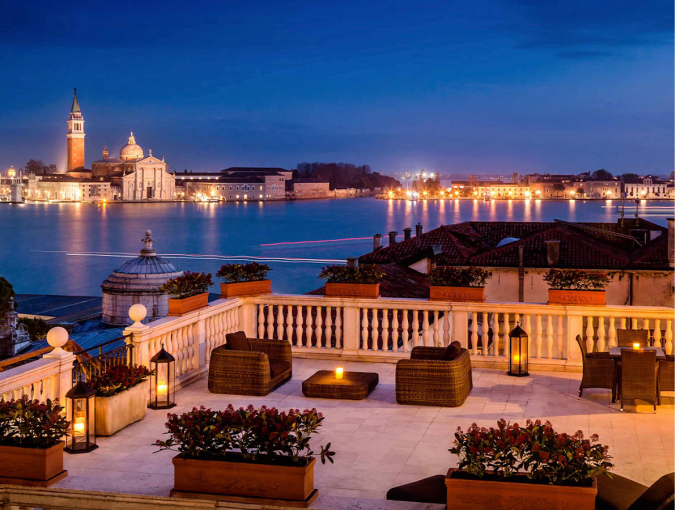
Venice remains a unique case in the realm of European luxury hospitality. The city boasts few addresses, yet many strong signatures. Here, the hotel serves not merely as a base but transforms into a vantage point overlooking the lagoon, the Grand Canal, the Byzantine fundamentals, and the distinct rhythms of a car-free city. It is also a destination where the choice of address genuinely alters the experience. Sleeping near St. Mark's Square, on Giudecca, by the St. Mark's Basin, or in a more secluded palace offers vastly different experiences. In Venice, just a few minutes by vaporetto or private boat can reshape the itinerary of a day. This is why this ranking warrants careful consideration.
Our selection is based on simple yet demanding criteria. We first observe the exact location within the city and its relevance to the journey. Next, we assess the nature of the building, especially when it involves a historic palace, a converted convent, or a contemporary address. The level of service is as important as the architecture. We also take into account the clarity of the experience. Some hotels excel for a first stay, while others are better suited for regular visitors to Venice, who seek more space, tranquillity, or a different relationship with the lagoon. Finally, we consider the international reputation of the brands present, as well as the coherence between promise, setting, and actual use. This is what our advisors prioritise in their evaluations.
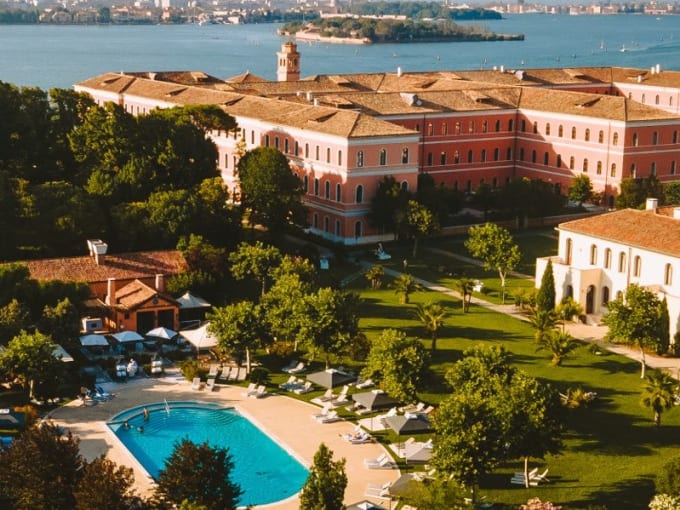
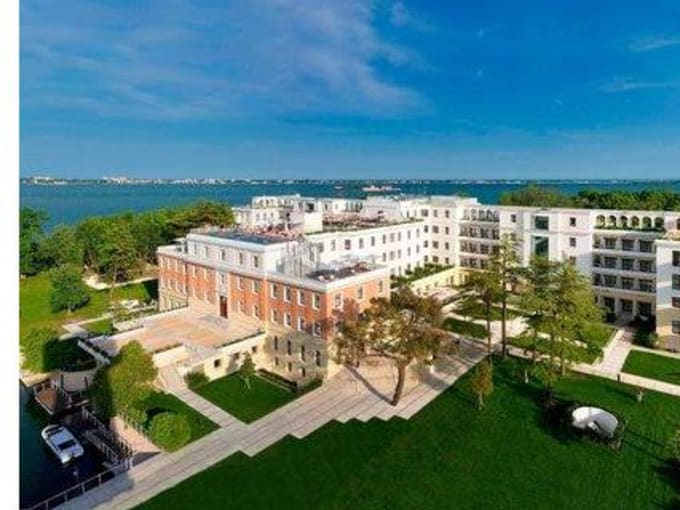
The Venetian panorama is more varied than it may seem. On one hand, world-renowned institutions shape the imagination of travel to Venice. The Gritti Palace, a Luxury Collection Hotel, Venice, Belmond Hotel Cipriani, Aman Venice, and The St. Regis Venice each embody a distinct interpretation of local luxury. On the other hand, hotels like Londra Palace Venezia, Baglioni Hotel Luna, Sina Centurion Palace, or Ca' Sagredo Hotel play on more targeted themes. Some focus on the history of the building, while others prioritise the view, accessibility, design, or island resort experience. JW Marriott Venice Resort & Spa and San Clemente Palace Kempinski Venice remind us that in Venice, luxury can also be experienced away from the centre, in a broader relationship with gardens, spas, and silence.
For 2025 and 2026, several trends are solidifying in Venice. The first concerns space. Travellers are seeking more breathing room, especially during peak periods. Island hotels or those with gardens are therefore becoming more attractive. The second trend relates to the duration of the stay. Many clients now prefer to stay longer, allowing for a mix of cultural visits, relaxation, and discoveries outside the busiest hours. The third pertains to style. The market values addresses that can assert a clear identity. This applies to a heritage palace like Aman Venice, a grand lagoon-side house like Londra Palace Venezia, or a more design-oriented approach like Il Palazzo Experimental and Nolinski Venezia. Notably, differentiation is becoming more important than uniformity.
At MyConciergeHotel, we advocate a precise idea of luxury. It owes much to a French culture of service, nuance, and attentive care. In Venice, this framework is particularly useful. Luxury is not solely defined by the size of a suite or the prestige of a brand. It is also measured by the fluidity of a boat arrival, the quality of a lounge overlooking the water, the ability of a hotel to preserve tranquillity, or the accuracy of local advice. My advice for this destination is always to start from how you wish to experience the city. Do you want to do everything on foot, observe the lagoon, isolate yourself in the evening, or alternate between culture and resort? The right address stems from this answer.
This ranking should not be read as an absolute verdict. It serves more as a reading map. A hotel ranked higher is not automatically better for everyone. It may simply meet, in our view, more structuring criteria for a broad international audience. Conversely, a lower-ranked address may be the most relevant for a specific trip. This is often the case in Venice, where geography, season, and the rhythm of the stay are immensely significant. We avoid easy superlatives, as they convey little useful information. We prefer to distinguish hotels by their personality, location, heritage, and usage. This is also the best way to honour each establishment without erasing its uniqueness.
In the following Top 12, you will find historic palazzi, lagoon institutions, island retreats, and more recent signatures. Each offers a different way to inhabit Venice.