History & heritage
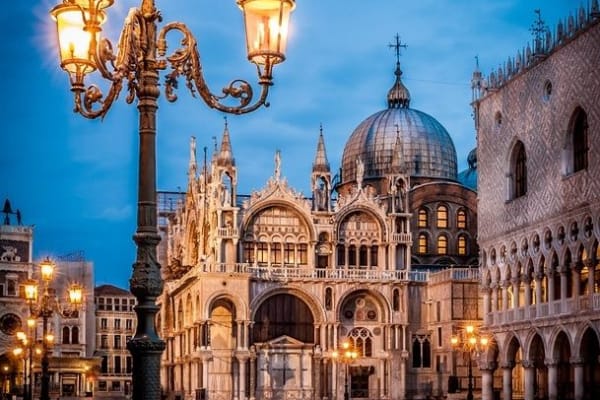
In Venice, the idea of a grand hotel can never be separated from the city that surrounds it. The St. Regis Venice belongs to that tradition through its position within a group of historic buildings on the Grand Canal, just moments from St Mark’s Square. Its sense of heritage is not limited to a date or a decorative narrative; it is expressed through its relationship with the water, the quality of light in its interiors and its immediate proximity to some of the city’s most emblematic routes.
The St. Regis identity adds another layer to this Venetian setting: a codified yet discreet approach to personalised service. In a city where arrivals may still be made by boat and where movement depends on bridges, alleys and tides, luxury is as much about ease as it is about appearance. Here, refinement lies in making a potentially complex stay feel seamless.
The hotel’s character also rests on a dialogue between heritage and contemporary interpretation. Venetian references are present, but without theatrical excess. Noble materials, elegant proportions and canal-facing perspectives are balanced by more modern interventions that keep the address firmly in the present. Rather than offering a reconstruction, the hotel presents a polished reading of Venice for today’s traveller.
This balance shapes the tone of the property. The St. Regis Venice does not rely on overt display; instead, it favours a calm sophistication in keeping with its surroundings. Venice itself provides enough drama through its churches, façades and reflections. A successful hotel here does not need to compete with the city; it needs to provide a composed base from which to experience it.
In that sense, the heritage of the address lies as much in its atmosphere as in its location. Staying here means inhabiting Venice from within while enjoying a setting that feels serene, ordered and carefully considered.
The hotel
What first defines The St. Regis Venice is the rarity of its setting. To be in the heart of Venice is a promise often made, but here it is tangible. The hotel places guests within easy reach of the city’s major landmarks while preserving a welcome sense of retreat. In a destination as intensely visited as Venice, that balance matters.
Its relationship with the canal is central to the experience. In Venice, a view is never merely decorative; it changes the way one inhabits a place. Watching boats pass, seeing façades reflected in shifting light and feeling the city move from a terrace or window all contribute to a distinct sense of time. The hotel understands this and frames its waterside position with restraint rather than spectacle.
Inside, the common areas balance Venetian references with international comfort. Local cues appear in the overall elegance, the textures and the treatment of light, while contemporary touches keep the atmosphere clear and current. The result is appealing both to couples seeking romance and to travellers accustomed to polished urban luxury.
The circulation of the property also matters. In a city that can feel labyrinthine, it is reassuring to return to a place where movement feels intuitive and calm. This contributes to one of the hotel’s key strengths: offering a peaceful counterpoint to Venice’s visual and emotional intensity.
Ultimately, The St. Regis Venice stands out through coherence rather than display, combining centrality, canal views, tranquillity and a strong service culture in a way that feels particularly well judged.
Rooms and suites
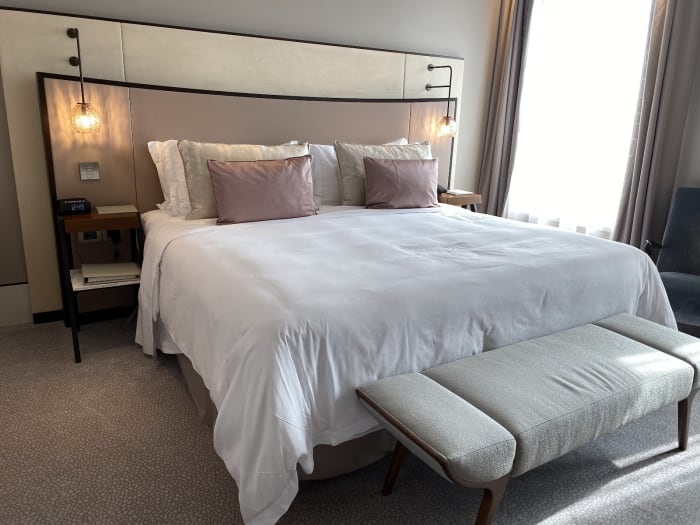
In Venice, a hotel room matters more than it does in many other cities. One returns to it after long days of walking, crossing bridges, boarding boats and absorbing an extraordinary density of images and history. At The St. Regis Venice, accommodation appears designed as a place to slow down. The aim is not simply to provide high-end comfort, but to create a gentle transition between the city’s intensity and the calm of the stay.
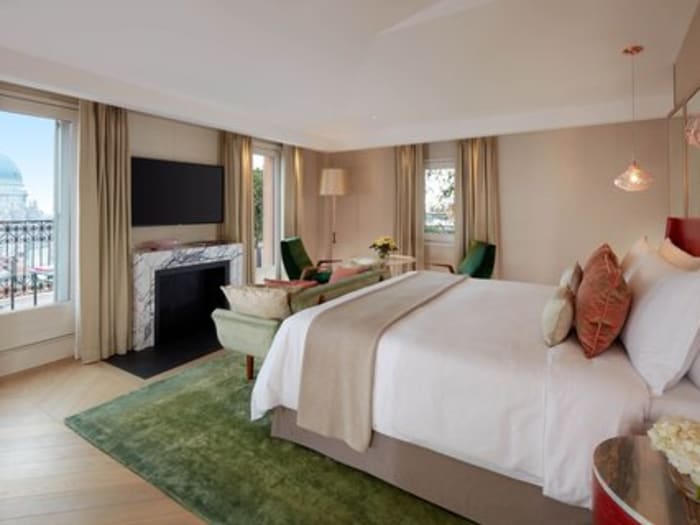
The stated style — classic Venetian with modern touches — is particularly convincing in the rooms and suites. It avoids two common pitfalls in Venice: excessive theatricality on the one hand and bland international neutrality on the other. Venetian cues are present in the elegance of the lines, the choice of materials and a palette that supports light and serenity, while contemporary elements ensure clarity and present-day comfort.
Views are naturally a major point of interest. In Venice, seeing the water from one’s room is not merely an aesthetic privilege; it is a way of remaining connected to the rhythm of the city even while resting. Morning light on façades and the movement of boats create a distinctive sense of place, while evenings feel quieter and more introspective.
Suites, by nature, appeal to those seeking more space or a more residential experience. In a hotel of this kind, they suit both celebratory stays and longer weekends. Often it is the simplest moments — coffee before heading out, a pause before dinner, a final glance at the canal at night — that define the quality of a Venetian stay.
Turndown service, daily housekeeping and the St. Regis butler service all reinforce the sense of continuous care. Luxury here lies not only in how the room looks, but in how smoothly it is lived in.
Dining
In Venice, hotel dining can easily drift towards one of two extremes: purely functional convenience or a stage set designed more for effect than substance. The St. Regis Venice appears to aim for a more interesting middle ground, where food and drink are integrated naturally into the stay.
Breakfast is especially important here. In a city where early hours are often the most pleasant for exploring before the crowds gather, beginning the day in a calm, light-filled setting — ideally with access to the outdoors or views of the water — changes the tone of the entire experience. It is not only about comfort, but about entering Venice at the right pace.
Throughout the day, the dining and bar spaces in a hotel of this level often serve as places of pause: for a light lunch, a coffee, an aperitivo or a more formal dinner. Their appeal lies in continuity with the rest of the hotel — elegance without stiffness, attentive service and the sense that both simple moments and more dressed-up occasions are equally at home.
Without claiming unverified details about menus or culinary signatures, one can reasonably expect a property of this calibre to focus on product quality, seasonal rhythm, polished execution and an intelligent reading of Italian dining with sensitivity to the lagoon setting. Guests tend to value coherence more than display.
The bar is likely to be central to the Venetian experience. Venice invites pauses, transitions and late afternoons that linger. In a hotel such as this, aperitivo becomes almost ritual, offering a chance to watch the light shift across the façades and to slow the tempo before dinner.
Dining here is therefore not simply an amenity. It helps structure the stay, creating pauses and memories that give shape to time in the city.
Concierge & services
In Venice, service quality is not a mere comfort upgrade; it directly shapes the success of a stay. The city is extraordinary, but its logistics are distinctive. Transfers, bookings, boat schedules, walking routes and luggage handling can all become complicated. This is where a great hotel makes a real difference, and The St. Regis Venice offers the key fundamentals expected of a leading address.
A 24-hour concierge is particularly valuable. On a short stay, it helps optimise each day: arranging arrivals and departures, suggesting routes, booking tables and helping plan boat outings or cultural visits. On a longer stay, it becomes a useful point of reference for refining the rhythm of the trip.
A round-the-clock front desk adds reassurance in a city where arrivals may be late and departures early. Luggage storage, laundry, wake-up service, daily housekeeping and turndown all matter more in Venice than they might elsewhere, because they remove friction from a city that can be logistically demanding.
The St. Regis butler service adds another layer of personalisation. Used well, it allows the stay to be adjusted to individual preferences, whether for a romantic occasion, a celebratory trip or a business visit requiring smooth execution.
Ultimately, the quality of service lies not only in the list of amenities, but in the tone in which they are delivered: discreetly, consistently and with a sense of appropriateness. That is especially important in Venice, where guests want support without losing the feeling of discovery.
The Venetian art of living
To stay at The St. Regis Venice is also to choose a particular way of experiencing the city. Venice rewards rhythm, observation and openness more than a relentless checklist of sights. Its central yet peaceful location makes it easy to visit the major landmarks, but also to do something more valuable: move through the city in stages, with pauses and returns.
In the morning, Venice still belongs to early walkers. Streets are clearer, squares quieter and façades softer in the light. From a well-positioned hotel, one can step out without heavy planning, wander before the daily rush and return with ease. That freedom is one of the city’s true luxuries.
Afternoons often call for a different tempo. After museums, churches, palaces or vaporetto journeys, calm becomes essential. This is where a serene hotel proves its worth. Returning for a rest, a read or simply to look at the canal before heading out again allows Venice to be enjoyed without exhaustion.
Evenings bring another transformation. Crowds thin, routes empty in places and reflections deepen. A gondola ride at dusk, as suggested in the existing advice, fits this rhythm perfectly. Beyond the romantic image, it offers a direct understanding of Venice from the water itself.
Ultimately, Venetian art de vivre lies in accepting a slower pace. A hotel such as The St. Regis Venice helps turn that slower rhythm into pleasure rather than inconvenience, refining the experience of the city rather than competing with it.
Book with MyConciergeHotel
Booking The St. Regis Venice through MyConciergeHotel means choosing an editorial and curated approach to luxury travel rather than a simple transaction. In Venice, that distinction matters. Expectations are high, and the choice of hotel has an outsized effect on the quality of the stay. Location, views, tranquillity, ease of movement and the ability of the team to personalise the experience all carry particular weight here.
A well-prepared booking begins with the nature of the trip itself. Is this a first visit, with a desire to stay close to the major landmarks? A romantic weekend focused on atmosphere, comfort and a few carefully chosen moments? Or a more structured stay combining work and leisure? The St. Regis Venice is especially well suited to these scenarios thanks to its central position, canal views, calm setting and personalised service.
MyConciergeHotel also adds value through perspective. In Venice, not all room categories feel the same, and a view can significantly alter the experience. Seasons matter too. Spring and autumn often offer a particularly appealing balance of weather, light and crowd levels. Guidance on timing, room choice and the right pace of stay helps avoid generic decisions.
This applies equally to the details around the booking: transfers, dining reservations, timings and activities planned according to the actual rhythm of the trip. In a hotel shaped by the St. Regis service culture, such details can make the difference between a pleasant stay and a genuinely seamless one.
To book intelligently in Venice is already to travel better. The St. Regis Venice offers the qualities of a refined city hotel for travellers seeking style, serenity and service; MyConciergeHotel provides the preparation and perspective to make the most of them.