Sri Lanka showcases a variety of expressions of contemporary luxury hotels on its relatively compact island. One can transition from a historic colonial fort in Galle to an almost untouched bay in Tangalle. From there, the journey leads to the tea hills and the fringes of Yala National Park. For discerning travellers, this density makes all the difference, allowing for a seamless blend of heritage, beach, nature, and panoramic retreats within a single stay. This is precisely what makes a ranking useful; it is not merely about listing prestigious addresses but identifying those that best represent modern-day Sri Lanka. It is also worth noting that the country appeals to both seasoned Indian Ocean visitors and those seeking their first grand hotel experience in South Asia.
At MyConciergeHotel, we never evaluate a hotel solely based on its star rating. Our methodology incorporates several observable criteria. Firstly, the connection to the location. A hotel holds greater value when it engages with its environment, city, coastline, or landscape. Secondly, the coherence of the experience is crucial. Architecture, rooms, dining, service pace, and spatial flow must convey a unified intention. We also consider a property’s ability to fulfil its promises. A beach retreat is not judged like a historic house, nor is a safari lodge compared to a hilltop plantation. Finally, we integrate observations from our advisors. Accessibility, suitability for combinations, ideal length of stay, and consistency of experience all weigh into the final assessment.
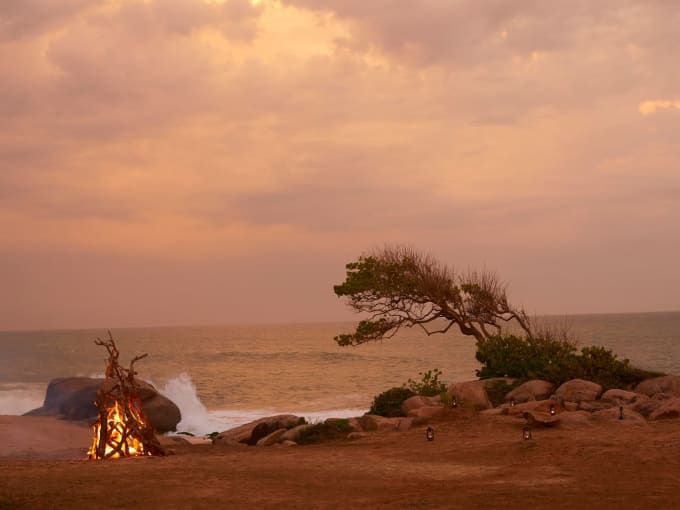
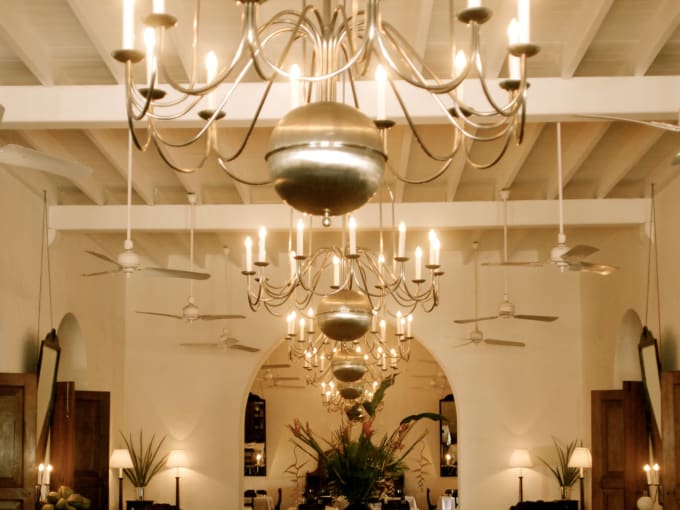
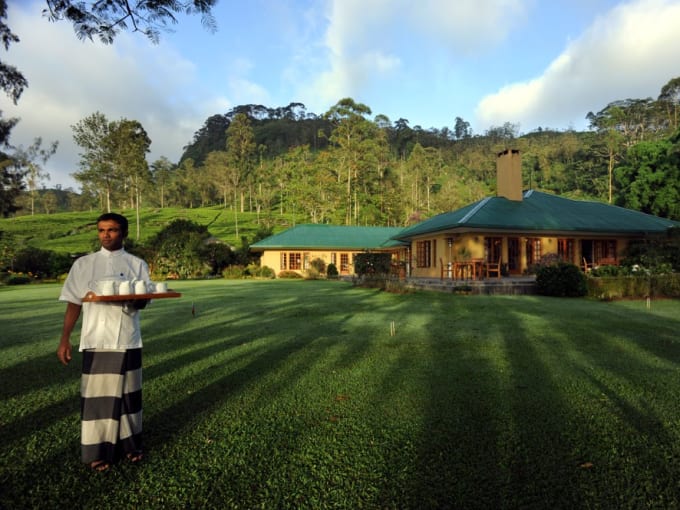
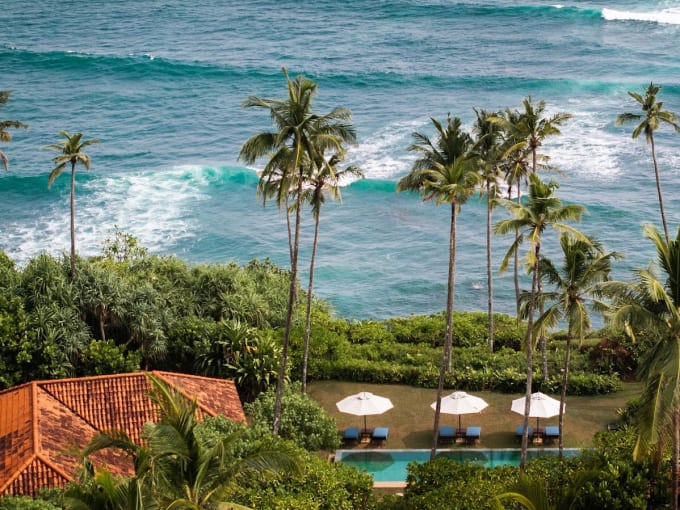
The Sri Lankan panorama presented here reveals a rare diversity. Amangalla embodies the historical depth of Galle, nestled behind the fort's ramparts. Amanwella and Anantara Peace Haven Tangalle Resort each offer distinct visions of a grand beach getaway in the south. Cape Weligama leans towards the idea of a spectacular promontory overlooking the ocean. Further north of Colombo, Anantara Kalutara Resort provides a lagoon perspective, ideal for the start or end of a journey. In the hills, Ceylon Tea Trails shifts the narrative entirely, attracting visitors for its tea, altitude, and a slower pace of life. Lastly, Wild Coast Tented Lodge immerses the traveller in the heart of Yala, where luxury takes the form of a well-framed experience focused on nature and safari.
For 2025 and 2026, several trends are emerging in Sri Lanka. The first concerns combined stays. Our advisors are witnessing an increase in three-part itineraries: a historic city, a beach, followed by a nature or mountain retreat. The second trend relates to the perception of time. Travellers are spending longer at each property, preferring fewer transfers but more meaningful stops. The third evolution is the desire for hotels that embrace their context. Generic establishments are less appealing; travellers seek a vibrant fort, a plantation, a preserved bay, or a lodge designed for its territory. Finally, wellness continues to evolve, no longer limited to the spa but encompassing space, silence, light, walking, the ocean, and the opportunity to disconnect without feeling isolated.
This perspective aligns with a certain French idea of luxury—not ostentation, but precision. A grand hotel is not merely a successful backdrop; it is a place where every detail simplifies the stay without ever becoming burdensome. In Sri Lanka, this framework works particularly well, rewarding those addresses that know how to balance presence and restraint. Attentive service is preferable to overt ceremonialism. A well-oriented room holds more value than an accumulation of effects. A clear, locally rooted dining experience is often more memorable than a showy display. My advice for this destination is straightforward: choose hotels that help you understand the country. The best stay is not the one that showcases the most but the one that clearly connects landscapes, rhythms, and practices.
Thus, this ranking should be viewed as a curated selection rather than a universal verdict. Each hotel has its audience, ideal season, and role within an itinerary. Amangalla does not satisfy the same desire as Amanwella. Ceylon Tea Trails cannot be directly compared to Wild Coast Tented Lodge. One focuses on the tranquility of the hills and the heritage of plantations, while the other prioritises proximity to the park, safari departures, and the coastal bush experience. Similarly, a couple on their honeymoon will not evaluate options like a family or a first-time visitor to the island. This is why our ranking highlights identifiable strengths without dismissing nuances. What we are ranking here are well-crafted hotel experiences across different registers.
Lastly, logistics often play a decisive role. Sri Lanka is easy to traverse, but travel times significantly shape a journey. An address can be excellent yet become less relevant if poorly positioned within your sequence. This is where the role of the concierge becomes essential. We consider hotels in relation to one another: a historic fort before the beach, a southern bay after Colombo, the hills before the safari, or vice versa depending on the season. This intelligence in assembly alters the perception of a country, preventing unnecessary fatigue and enhancing the coherence of the stay. In the following top list, you will find remarkable hotels, but also anchor points. Each can become the perfect piece of a very personal Sri Lankan journey.
Here is our selection of the best hotels in Sri Lanka: seven addresses, seven ways to inhabit the island, each with clearly distinct uses, landscapes, and rhythms.