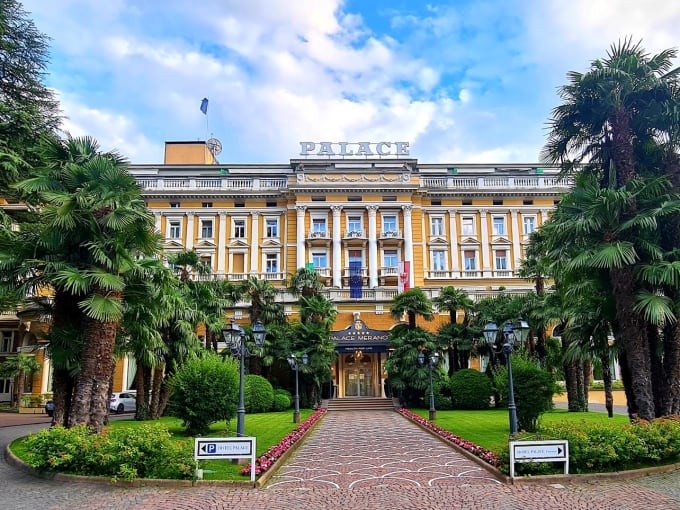
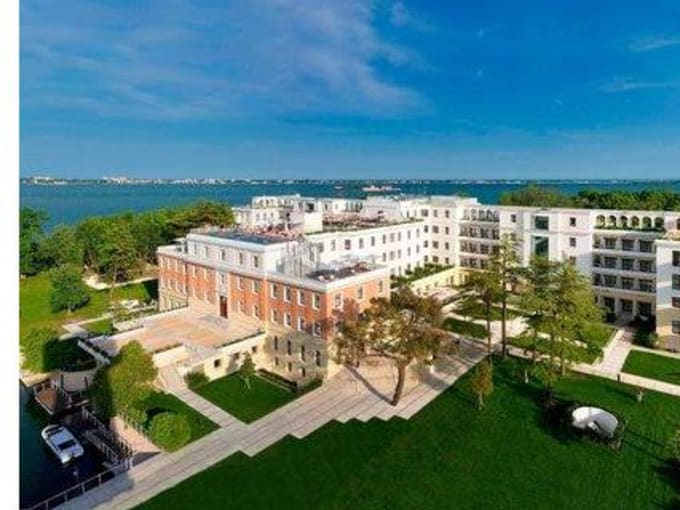
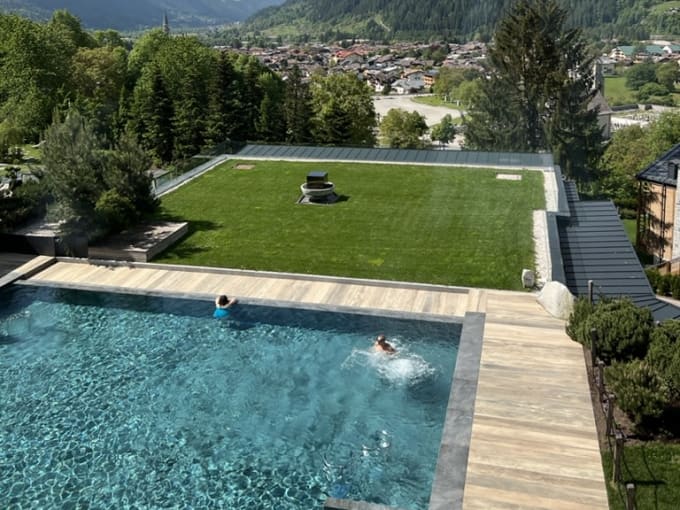
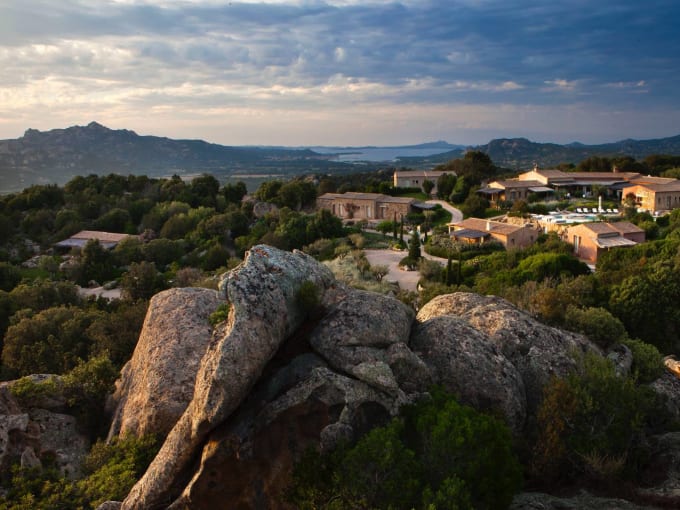
In Italy, a hotel with a spa is no longer merely a place for recovery; it has become a way to inhabit a territory. From art cities and rivieras to alpine valleys and historic countryside, wellness takes on various forms here. In Florence, 25hours Piazza San Paolino offers an urban, vibrant, and contemporary experience. In Venice, Aman Venice and Belmond Hotel Cipriani provide a rare relationship with water and silence for relaxation. Further south, Borgo Santandrea gazes at the Amalfi Coast from its cliffside perch. In Puglia, Borgo Egnazia combines local architecture, rituals, and seaside stays. In the mountains, Bellevue Hotel & Spa and AKI Family Resort PLOSE remind us that Italy's spa culture is also found in altitude, crisp air, and the cycles of the seasons.
To establish an editorial ranking in this segment, we never select a spa based solely on its size. What our advisors first observe is the coherence between the hotel, its location, and its wellness programme. An urban spa does not promise the same experience as an alpine retreat. A large resort is not judged in the same way as a historic house. We consider the category, brand reputation, perceived quality of wet areas, intimacy, ability to create calm, and the appeal of the setting. The destination is as important as the treatment room. A hotel like Bulgari Hotel Milan or Bulgari Hotel Rome is appreciated differently than Borgo Santo Pietro, Borgo San Felice, or Bellevue Hotel & Spa.
The Italian panorama is particularly rich, as it brings together several traditions of luxury hospitality. First, there are the major international brands, capable of imposing a clear service discipline. Aman Venice, Aman Rosa Alpina, Bulgari Hotel Milan, and Bulgari Hotel Rome cater to a clientele seeking precise execution. Then, there are the resort icons, where the spa is part of a broader stay. Belmond Villa Sant'Andrea in Sicily, Belmond Villa San Michele above Florence, and Belmond Hotel Cipriani in Venice fall into this category. Finally, Italy excels in characterful establishments. Borgo dei Conti Resort, Borgo Santo Pietro, and Borgo San Felice demonstrate how a landscape, built history, and a slower pace can enhance the wellness experience.
For 2025 and 2026, several trends are becoming evident. The first is a return to the spa as a space for genuine disconnection. Travellers are seeking less spectacle and more silence, natural light, and clear pathways. The second trend concerns local anchoring. The most compelling hotels now avoid interchangeable spas. They connect treatments to a specific climate, materials, architecture, or horizon. This is particularly noticeable in addresses like Borgo Egnazia, Bellevue Hotel & Spa, or Borgo Santandrea. The third trend is a finer segmentation. A family hotel like AKI Family Resort PLOSE does not address the same expectations as an urban retreat like Bulgari Hotel Milan. My advice is simple: choose a spa according to your travel rhythm, not just its reputation.
At MyConciergeHotel, we advocate a French interpretation of luxury, but one that is never static. It is based on accuracy, discretion, and a place's ability to fulfil its promise. In a hotel with a spa, this often means one essential thing: wellness should extend the stay, not detract from its meaning. In Rome, a spa can provide a breather between two busy days. In the Tuscan countryside, it accompanies a long, almost domestic time. In Venice, it shields from the flow and gaze of the outside world. In the mountains, it warms and slows down. This philosophy explains why we consider both the overall atmosphere and the treatment menu. A grand spa without a coherent setting rarely leaves a lasting memory. A well-conceived spa, even a more modest one, can transform a journey.
This ranking should also be read without automatic assumptions. The number one hotel is not a universal choice. Each address serves a specific purpose. Some travellers desire an urban palace with an impeccable spa and immediate access to the city. Others seek a resort where wellness structures the entire day. Still others prefer a more intimate retreat, in a domain or reinvented village. This is why very different establishments can coexist in our selection. Aman Venice does not offer the same experience as Borgo Egnazia. Bellevue Hotel & Spa does not play the same tune as Bulgari Hotel Rome. Belmond Villa Sant'Andrea does not have the same tempo as Borgo dei Conti Resort. It is important to remember that this ranking distinguishes profiles of excellence, not a single model of the Italian spa.
The following Top 10 has been designed as a selection tool. You will find city, seaside, mountain, and countryside hotels, all sharing a genuine relevance to wellness. Ultimately, it all depends on your journey.