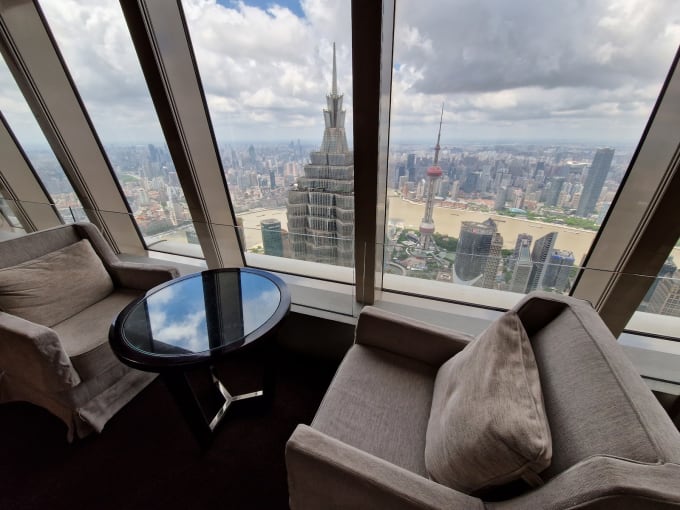
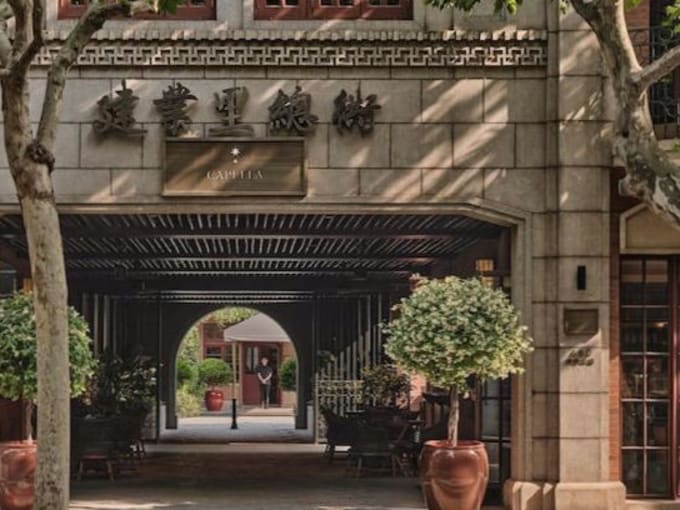
Shanghai presents a rare case study in hospitality within Asia. The city is home to historic establishments, iconic towers, and more discreet urban retreats. For a discerning traveller, the choice is never merely about a level of service; it involves a relationship with the city. Staying at the Fairmont Peace Hotel or The Peninsula Shanghai offers distinct perspectives on the Bund waterfront. A night at the Park Hyatt Shanghai, Mandarin Oriental Pudong, Shanghai, or The Ritz-Carlton Shanghai Pudong also alters one’s perception of Pudong’s verticality. At the other end of the spectrum, Amanyangyun, Capella Shanghai, and The Middle House provide a more residential experience. Thus, Shanghai is not a one-hotel destination; it is a city where the chosen address becomes a lens through which to view it.
At MyConciergeHotel, we do not rank Shanghai based on mere announcements. We first observe the consistency of the experience. Brand reputation matters, but it is never sufficient on its own. We consider the location, the clarity of positioning, the perceived quality of spaces, the ability to embody a neighbourhood, and the relevance for various purposes. A business stay does not require the same considerations as a cultural weekend or a restful getaway. We also take into account architectural uniqueness. In this regard, Shanghai is particularly rich. With its Art Deco heritage, major international signatures, and more intimate establishments, the city offers very different expressions of luxury. Notably, our ranking favours hotels that present a clear, sustainable, and comprehensible identity even before arrival.
The Shanghai skyline impresses with its variety. Urban legend enthusiasts will naturally gravitate towards the Fairmont Peace Hotel, a grand heritage address on the Bund. Those seeking a more contemporary interpretation of the riverside will look to The Peninsula Shanghai. On the Pudong side, the trio of Park Hyatt Shanghai, Mandarin Oriental Pudong, Shanghai, and The Ritz-Carlton Shanghai Pudong offers a top-tier experience. Each speaks to a different kind of traveller. The Bulgari Hotel Shanghai introduces a more fashion-forward and sculpted aesthetic. The Langham, Shanghai, Xintiandi, The Portman Ritz-Carlton Shanghai, and The St. Regis Shanghai Jingan are better suited to an urban centrality. For longer stays, Kempinski The One Suites Hotel Shanghai Downtown remains highly relevant. Finally, Amanyangyun and Capella Shanghai remind us that in Shanghai, luxury can also be about space, tranquillity, and residential anchoring.
The trends for 2025-2026 confirm several underlying movements. Firstly, demand is polarising between two desires. The first seeks spectacular views, high floors, and the energy of Pudong. The second favours hotels that recreate a sense of home, with more intimacy and a slower pace. Secondly, wellness is changing its status. It is no longer just about a basement spa. Travellers expect a holistic coherence, from the light in the rooms to the flow of spaces, including acoustics and ease of use. What our advisors also observe is the return of heritage value. In Shanghai, addresses that tell a piece of the city are regaining prominence. At the same time, major international brands remain sought after for their reliability, especially for short stays and mixed travel.
Our perspective remains profoundly French in its demands. Luxury is not an accumulation of signs; it is about precision. A smooth arrival, a well-designed room, an address that respects its neighbourhood, and service that knows how to balance presence. Shanghai allows for this nuanced reading. The Middle House charms with a more curated approach to urban hospitality. Capella Shanghai operates on a rarer scale within the metropolis. Amanyangyun offers a unique breath of fresh air without relinquishing its Shanghai roots. Conversely, some grand establishments embrace monumentality, which can also be a form of luxury when mastered. My advice in this city is to choose a hotel for the rhythm it establishes. The right hotel is not just one to admire; it is one that perfectly orchestrates the stay.
Thus, this ranking should be read without a reflex for superlatives. The number one does not negate the qualities of number eight. Shanghai does not pit good hotels against bad ones in this selection. It juxtaposes different responses to distinct expectations. A traveller coming for the Bund will not have the same priorities as a regular visitor to Xintiandi. A design enthusiast will not seek the same experience as a loyal client of classic grand houses. We have ranked the hotels based on their overall editorial strength, coherence, and ability to represent the best of Shanghai today. This includes location, signature, clarity of stay, and desirability over time. In short, this ranking aids in making a choice; it never replaces the fine judgement that our concierges make with you.
In the following top list, you will find eight addresses that encapsulate the major ways of experiencing Shanghai. Some dominate the skyline, while others emphasise memory, intimacy, or neighbourhood life. Together, they compose the most compelling map of Shanghai's high-end hospitality.