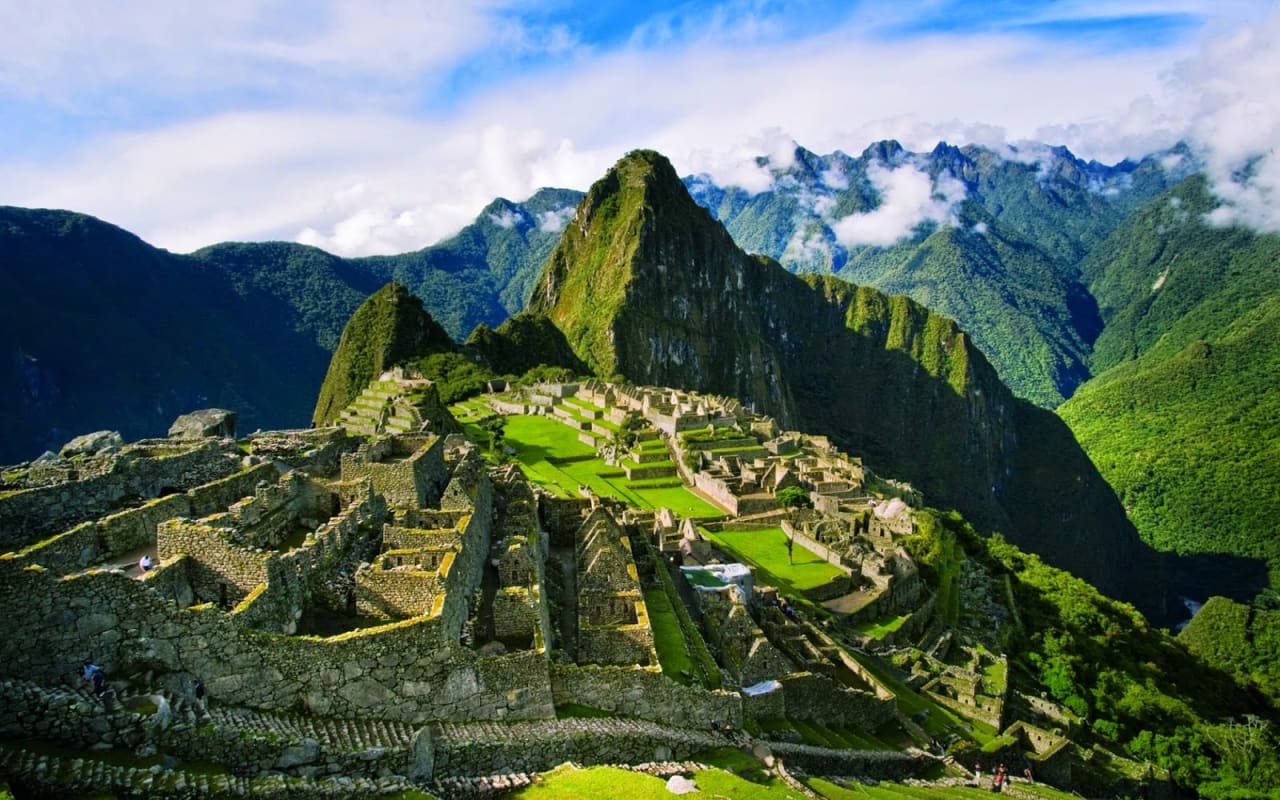
Peru holds a unique position in the realm of destination hospitality. Few countries offer, within a single itinerary, a gastronomic capital, an ancient imperial capital, a sacred valley, a high-altitude canyon, and access to one of the most visited archaeological sites in the world. This geographical density changes everything. Here, a grand hotel is not merely a place to stay; it becomes a vantage point from which to observe the rhythms of the country. In Lima, the focus is urban, cultural, and coastal. In Cusco, it relates to built heritage and altitude. In the Sacred Valley, it concerns space, silence, and the relationship to the landscape. At Machu Picchu, the central question remains the time saved on the experience. This is precisely why a ranking of Peruvian hotels warrants careful consideration.
Our selection does not seek to make a splash. It is based on clear, comparable, and verifiable criteria. We first examine the actual location and its utility for the traveller. A hotel in Miraflores serves a different purpose than one in Colca Canyon. We then assess the coherence between the place, the architecture, and the promise of the stay. The level of service is important, of course, but it is never sufficient on its own. We also consider the rarity of the experience offered. A former monastery reinterpreted does not provide the same interpretation of luxury as a contemporary lodge facing the Andes. Finally, we incorporate the international reputation of the brands, the perceived consistency of service, and a location's ability to sustainably embody its territory.
The Peruvian landscape is remarkable for its diversity. Belmond Hotel Monasterio and Belmond Palacio Nazarenas in Cusco illustrate two distinct ways of inhabiting history. Inkaterra La Casona offers a more intimate scale in the same city. Belmond Hotel Rio Sagrado shifts the conversation to the Sacred Valley, with a more horizontal relationship to the landscape. Belmond Sanctuary Lodge stands out for its location at Machu Picchu, which profoundly alters the logistics of the journey. In Lima, Belmond Miraflores Park, Hotel B, and Four Seasons Hotel Lima present three interpretations of the grand urban stay. Further south, Hôtel CIRQA in Arequipa and Belmond Las Casitas in Colca Canyon remind us that Peruvian hospitality is not limited to the capital or Cusco. Finally, Tinajani opens a more isolated, Andean, and contemplative path.
For 2025 and 2026, we observe several key trends. The first concerns time. Travellers are increasingly opting for shorter, but better-sequenced itineraries. In this context, the value of a hotel lies as much in its beauty as in its ability to simplify a complex journey. This is particularly true between Lima, Cusco, the Sacred Valley, and Machu Picchu. The second trend is the search for the right scale. Many clients now prefer establishments where service remains highly personalised, without sacrificing international comfort. The third point is the growing interest in secondary destinations. Arequipa, Colca Canyon, or lesser-known Andes are gaining traction. What our advisors also observe is a clearer expectation regarding cultural grounding. Mere decor is no longer sufficient; the place must make sense within the journey.
From our service culture perspective, luxury in Peru is better understood through precision than through emphasis. The Francophone traveller finds a familiar concept here: a stay constructed with measure, where each step responds to a clear intention. Choosing the right hotel in Cusco is not a trivial matter. Altitude, walking, the pace of visits, and the quality of rest take on concrete importance. In Lima, the right choice often depends on the neighbourhood, the view, access to dining options, and the fluidity of transfers. In the Sacred Valley, we favour addresses that allow for breathing space between two highlights. My advice is simple: in Peru, excellence is not judged solely by appearances. It is measured by how well the hotel genuinely enhances the journey.
Thus, this ranking should be read as a map of usages, not as an absolute verdict. A hotel may be first for one traveller and third for another without contradiction. Belmond Sanctuary Lodge, for example, responds to a logic of access and timing that is almost unique. Hotel B will appeal more to those seeking a characterful address in Lima. Belmond Las Casitas will be better suited for a stay focused on space and disconnection. Inkaterra La Casona will attract those who appreciate small capacity and a serene atmosphere. Four Seasons Hotel Lima will interest those who favour a very international perspective of the capital. It is important to remember that a grand Peruvian hotel is never just a place to sleep; it is often the tool that connects comfort, altitude, heritage, mobility, and depth of travel.
The following Top 10 distinguishes the hotels we find to be the most complete, coherent, and useful for understanding Peru through the experience of a stay. Each address has its reason for being.