In the Netherlands, high-end hospitality extends far beyond Amsterdam. The country boasts a compact territory that showcases various interpretations of contemporary luxury. Here, one can find grand historic hotels, canal-side addresses, countryside retreats, and characterful homes. This density particularly intrigues our advisors, as it allows for the crafting of a highly tailored stay, attuned to the traveler's rhythm. A cultural weekend demands a different backdrop than a gastronomic interlude, while a business trip is not conceived in the same way as an island getaway. This is precisely what makes this ranking valuable. It is not merely about listing well-known brands; it is about identifying the hotels that best embody the standards, coherence, and quality of experience in the Netherlands.
At MyConciergeHotel, we do not rank a hotel solely based on its reputation. We consider multiple criteria through a concierge lens. The first is the consistency of hotel standards, which can be assessed through the category, brand, location, and ability to deliver on promises. The second pertains to the uniqueness of the place. An urban palace, a castle, or a canal house offers different relationships to travel. The third criterion focuses on actual usage. We evaluate relevance for a first stay, an anniversary, a slow travel experience, or discerning international clientele. Finally, we observe lasting desirability. A well-ranked hotel must remain relevant beyond the initial excitement of its opening. It is this combination that guides our selection.
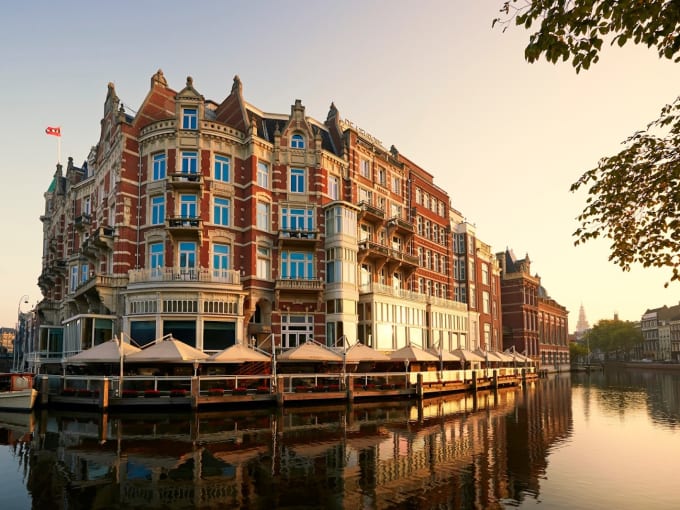
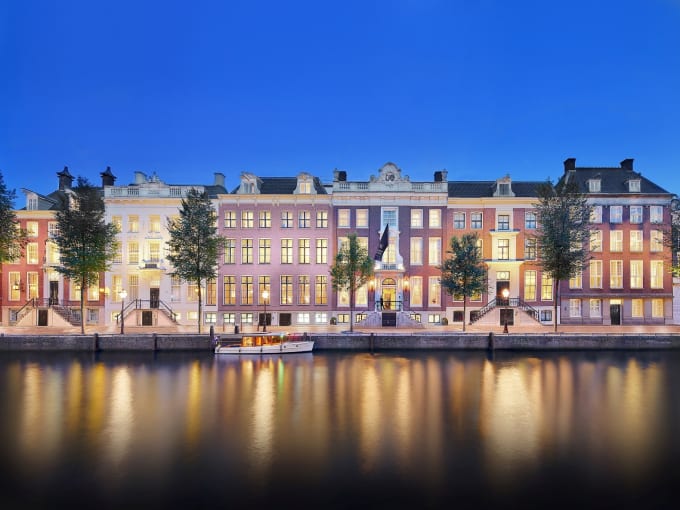
The Dutch landscape is more nuanced than one might imagine. Amsterdam naturally dominates, with a rare concentration of signature addresses. From Europe, Hotel Okura Amsterdam, Hotel Pulitzer, NH Collection Amsterdam Barbizon Palace, 717 Hotel, Canal House, and Anantara Grand Hotel Krasnapolsky Amsterdam illustrate very different registers. Some prioritise historical locations, while others focus on views, neighbourhood life, or the breadth of services. Beyond the capital, the country reveals other facets. Château Neercanne, near Maastricht, introduces a more continental heritage dimension. Hotel Château St. Gerlach and Landgoed Hotel Het Roode Koper remind us of the importance of estates and green retreats. Hotel Bij Jef, on Texel, offers a more insular perspective. Hotel Weeshuis Gouda and Hotel Central Park Voorburg complete this picture.
For 2025 and 2026, several trends are shaping the Dutch luxury market. The first is the resurgence of hotels with a strong architectural identity. Travellers are seeking less interchangeable decor; they desire a place rooted in a city, street, or landscape. The second trend concerns space. After years focused purely on location, demand is increasingly valuing suites, terraces, gardens, and breathing room. The third touches on well-being. While spas remain important, they are no longer sufficient on their own. Clients expect a holistic experience that is seamless, discreet, and well-orchestrated. Finally, major openings continue to matter. The arrival of Rosewood Amsterdam, for instance, is already capturing market attention. However, our advisors often remind us that an opening is only worthy of ranking if the execution follows suit.
Hotel luxury in the Netherlands presents a quality we particularly appreciate. It knows how to balance restraint and precision. Here, ostentation is not always the dominant language. The right detail, light, flow of spaces, and connection to the neighbourhood often matter more. This approach aligns, in a way, with a French sensibility towards service. True refinement does not seek to impress at every turn; it aims to make the stay simple, comprehensible, and impeccably maintained. In a hotel like Mandarin Oriental Conservatorium, Amsterdam, this logic is expressed through a masterful control of volumes and uses. In a more intimate setting like 717 Hotel, it manifests differently. My advice is straightforward: in the Netherlands, one should choose a hotel for its way of inhabiting the place, not just for its prestige.
It is also essential to interpret this ranking without automatic reflexes. The number one hotel is not necessarily the ideal choice for everyone. A traveller wanting to experience the canals on foot may not choose the same address as a spa enthusiast or a loyal client of major brands. Some hotels excel due to their heritage, others for their discretion, and still others for their ability to provide an impeccable base for exploring the city. Therefore, we do not seek to establish an abstract hierarchy; we offer a framework for understanding. What our advisors observe is the alignment between a place and a travel intention. This is why a country house can be as significant as a grand urban hotel, and why a well-maintained boutique hotel can rival an institution in desirability.
This top 10 of the best hotels in the Netherlands should thus be read as a curated selection. It highlights strong, coherent, and recommendable addresses. Some are established references, while others reflect the evolution of Dutch luxury. All deserve attention for concrete reasons. Now, let us turn to the ranking.