Travelling with family in Italy has never adhered to a single model. The country offers various rhythms, landscapes, and thus multiple definitions of a successful stay with children. Some parents seek a smooth urban base, close to museums and piazzas. Others prefer the alpine air, wide-open spaces, and simple logistics. Still, others desire the sea, a suitable beach, or a setting where one can alternate between pool, nature, and quiet time. This is precisely why Italy remains a major destination for discerning families. It combines heritage, gastronomy, solid infrastructure, and high-level hospitality. In our selection, this richness is clearly evident. From Florence to Venice, from Sicily to Puglia, each address caters to a different idea of family travel.
To establish this ranking, we do not rely on an abstract promise of a "family-friendly" stay. We observe concrete, tangible, and comparable elements. First, the configuration of the place. A resort does not offer the same facilities as an urban palace. Next, the available space, ease of movement, access to nature, the beach, or outdoor activities. We also consider a hotel’s ability to accommodate multiple generations without friction. This includes connecting rooms, villas, family suites, or simply a layout that makes daily life easier. Our advisors also take into account the destination itself. For families, a very large hotel is not always the best choice. The right hotel is one that reduces constraints and increases shared time.
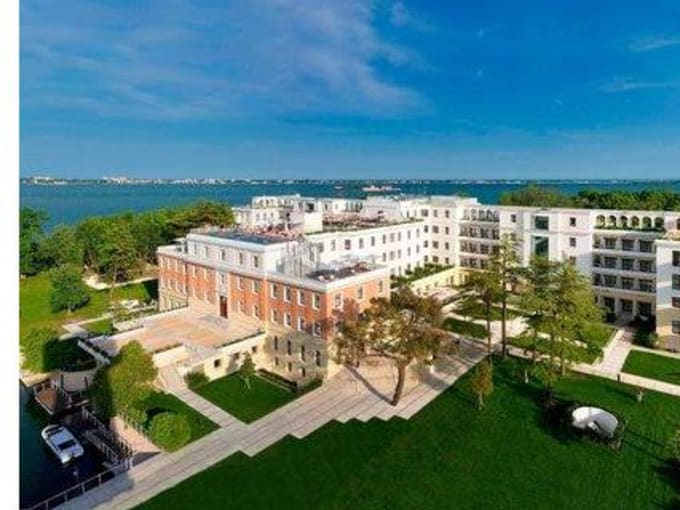
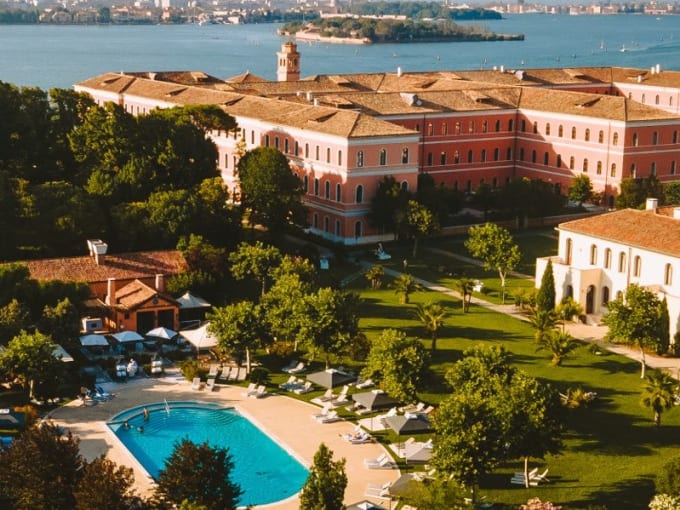
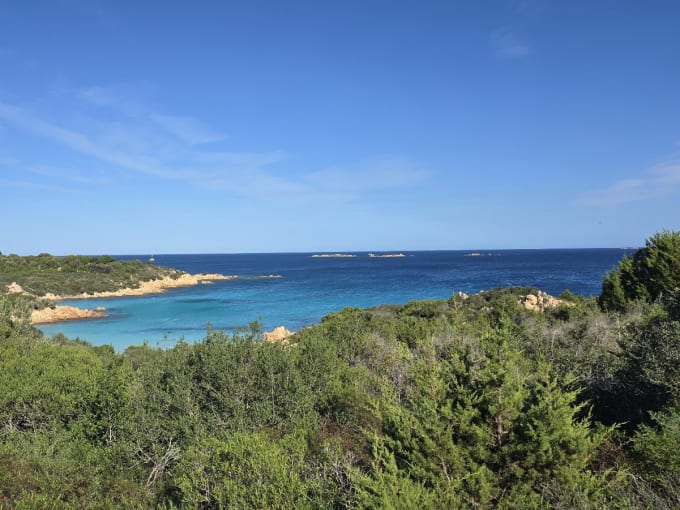
The Italian landscape is particularly interesting, as it is not limited to seaside resorts. We can mention AKI Family Resort PLOSE, designed from the outset for stays with children, in an alpine setting that encourages autonomy and outdoor activities. Conversely, Aman Venice or Belmond Hotel Cipriani demonstrate that a grand family stay can also be experienced in a heritage context, provided that the service and location compensate for the complexities of the city. Florence offers yet another register, between 25hours Piazza San Paolino and Belmond Villa San Michele. Puglia, with Borgo Egnazia, champions a highly structured village-hotel model. Sicily, with Belmond Villa Sant'Andrea, brings the coastal dimension. Finally, retreats like Borgo Santo Pietro or Bellevue Hotel & Spa prioritise space, breathing room, and long-lasting experiences.
The trends for 2025 and 2026 confirm several clear evolutions. The first concerns the length of stays. Families are less inclined to book a simple two-night break. They seek bases capable of accommodating a week, sometimes more, without repetition. The second trend relates to the need for intergenerational experiences. Grandparents are travelling more with children and grandchildren. The hotels that perform best are therefore those that offer various intensities of stay, without segregating ages. Thirdly, the demand for nature is growing significantly. Mountains, countryside, and coastal areas are gaining ground over urban settings. Finally, family luxury is moving away from the spectacular. It prioritises fluidity, safety, space, acoustic comfort, and quality of service. It is worth noting that true family comfort is often measured in invisible details.
At MyConciergeHotel, we advocate for a French perspective on hotel luxury. It does not rest on ostentation but on accuracy. For a family, this accuracy takes very concrete forms. A breakfast that does not become a logistical ordeal. A pool that is easily accessible. A garden where children can expend energy without parents sacrificing their rest. A team capable of adapting the stay without theatricalising the service. This philosophy explains why very different hotels can coexist within the same ranking. An urban palace can be suitable if it offers the necessary mental and operational space. A rural estate may respond better if it allows for a slower pace without boredom. My advice is simple. When travelling with family, one should choose a hotel based on its actual use, not just its image.
This ranking should therefore be read as a mapping of profiles, not as an absolute verdict. Number one does not negate the others. It responds to a set of editorial criteria, within the specific framework of family travel in Italy. Some hotels excel for a first stay with young children. Others are better suited for teenagers, extended families, or parents wishing to combine culture and comfort. What our advisors often observe is the gap between the initial dream and the reality of family rhythms. A splendid address can become complicated if access is difficult, if spaces are fragmented, or if the on-site offerings lack flexibility. Conversely, a well-thought-out hotel can transform the entire stay. It is this usability, more than prestige alone, that guides our assessment.
In the following top list, you will find ten hotels capable of welcoming families coherently, each in its own way. Some focus on space, others on the destination, and still others on the precision of service. All provide a credible answer to the same question: how to travel well in Italy with children, without compromising on hospitality standards.