Canada holds a unique position in the realm of luxury travel. The country combines historic cities, political capitals, mountain resorts, and Pacific coastlines. This diversity results in a hospitality landscape that is highly varied, yet rarely uniform. In Montreal, Quebec City, or Ottawa, the address is as significant as its heritage. In Banff, Lake Louise, or Jasper, the landscape becomes a central decision-making criterion. In Vancouver and Victoria, the relationship with the ocean, design, and urban rhythm further alters the perspective. This is precisely what makes this ranking useful. It is not about seeking a singular model of the great Canadian hotel. Rather, it is about distinguishing the establishments that best embody their location, history, and promise of experience.
At MyConciergeHotel, we do not rank hotels based on general impressions. We first observe verifiable facts. The level of distinction, brand reputation, strength of the location, consistency of experience, and ability to remain relevant are all crucial factors. We also consider the consistency of positioning. A great hotel should be clear even before arrival. The traveller must understand what they are seeking. Our advisors pay particular attention to the setting, views, heritage aspects, and quality of communal spaces. Service also plays a significant role. We favour establishments that can accommodate very different stays, from cultural weekends to grand journeys through the Rockies.
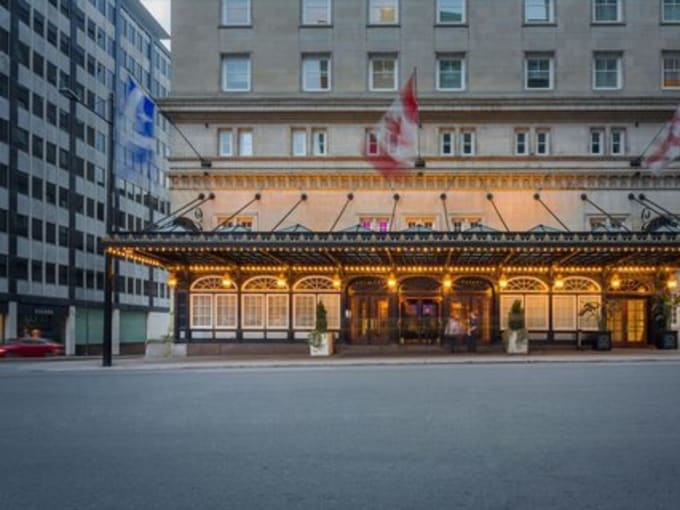
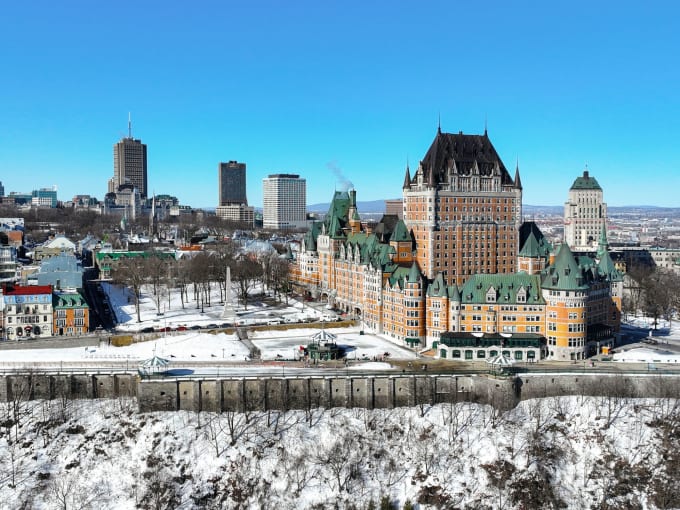
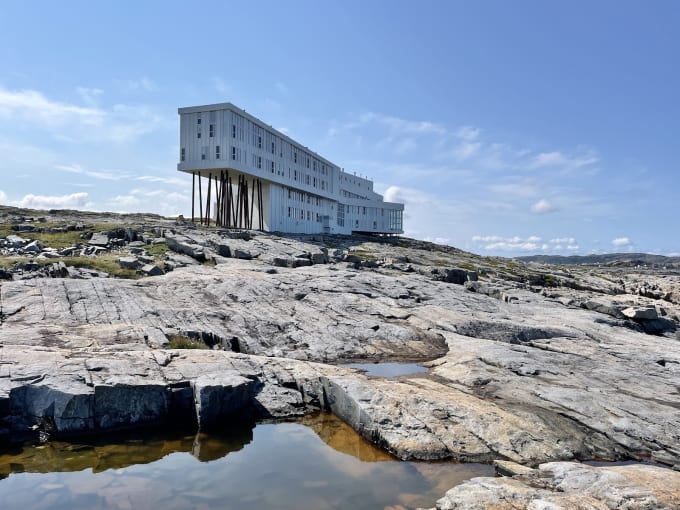
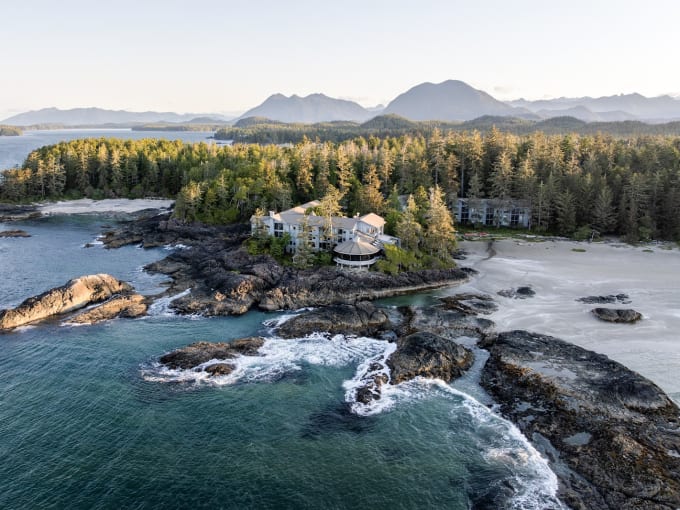
The Canadian panorama presented here is broader than it may seem. It does not solely focus on the major historical signatures. Of course, Fairmont hotels hold a structural place in the country’s hotel imagery. Fairmont Banff Springs, Fairmont Château Lake Louise, Fairmont Le Château Frontenac, and Fairmont Empress have shaped a certain idea of the great Canadian hotel. Their silhouette, location, and historical continuity weigh heavily in any serious selection. However, the Canadian hotel scene does not stop at these institutions. In Quebec City, Auberge Saint-Antoine and Auberge Saint-Pierre offer a more intimate interpretation of Old Quebec. In Montreal, Auberge du Vieux Port provides a more direct connection to the historic neighbourhood. In British Columbia, Clayoquot Wilderness Lodge opens a different register, centred on nature, chosen isolation, and destination experience.
For 2025 and 2026, several trends are emerging in Canada. The first concerns the demand for hotels that are deeply rooted in their environment. The luxury traveller is no longer just seeking a comfortable room. They want a viewpoint on a territory. This favours mountain addresses, waterfront hotels, and historic houses located in the heart of old districts. The second trend is the rise of hybrid stays. Many combine a city with a strong natural element, for example, Vancouver followed by the wilds of British Columbia, or Quebec followed by Charlevoix. The third trend is the growing importance of discreet wellness. Travellers are requesting solid spas, quiet spaces, and slower stays. Finally, the clarity of service is becoming crucial once again. In a dense market, establishments that deliver on their promises without trendy gimmicks gain the advantage.
This ranking also aligns with a certain idea of French luxury. Not a demonstrative luxury, but a luxury of precision. A fine address is not merely one that accumulates external signs of prestige. It is one that knows how to place the traveller at the right distance from the location. In Canada, this question is particularly intriguing. The country invites us to think of the hotel as a mediator between the visitor and a sometimes monumental territory. In the Rockies, the hotel must frame the landscape without overwhelming it. In the historic centres of Quebec, it must engage with urban memory. In Vancouver or Victoria, it must articulate elegance, openness, and local rhythm. It is worth noting that the best hotel is not always the most spectacular. Often, it is the one whose identity remains clear from the lobby to departure.
Thus, this top 10 should be read methodically. A ranking does not erase nuances. It highlights the addresses that seem the strongest today, within a given framework. This does not mean that a hotel ranked lower will be less suitable for your trip. On the contrary, some establishments may better meet a specific project. A heritage stay in Quebec does not call for the same criteria as a retreat facing the Pacific. An escape to Banff cannot be directly compared to a pause in Montreal. What our advisors observe is the alignment between a hotel and a travel intention. The reader should therefore seek an editorial reference here, not an abstract truth. Each selected hotel has a clear reason for being included, based on concrete elements.
Our selection of the best hotels in Canada thus brings together historic institutions, well-located urban addresses, and nature retreats with strong personalities. My advice is to read it with your itinerary in mind. The best number one on paper is not always the best number one for you.