MC
Editorial ranking

The best 5-star hotels in Tokyo in 2026

Editorial selection of 5 five-star hotels in Tokyo, 2026: central addresses, city views, full spas, and well-regarded dining.

Ranking reviewed on 25 June 2026.

The top of the ranking in pictures

The verdict at a glance

  1. Palace Hotel TokyoPalace Hotel Tokyo naturally takes the lead in a ranking focused on Tokyo.
  2. Aman TokyoAman Tokyo stands out for its ability to create a rare sense of calm in a dense capital.
  3. The Peninsula TokyoThe Peninsula Tokyo earns its place for its refined blend of a strategic location, global reputation, and grand hotel comfort.

Our methodology

Tokyo boasts a rare concentration of contemporary five-star hospitality. The city juxtaposes verticality, silence, density, gardens, railway lines, and distinct neighbourhoods. For the discerning traveller, this market demands a nuanced understanding. Here, one does not merely select an address; one chooses a relationship with the city. Staying in Otemachi, Marunouchi, Roppongi, Toranomon, or near the bay offers vastly different experiences. This is precisely what makes Tokyo so fascinating. Aman Tokyo, Bulgari Tokyo, Conrad Tokyo, Hotel Okura Tokyo, Imperial Hotel Tokyo, and Four Seasons Hotel Tokyo at Otemachi each embody a distinct vision of the grand urban hotel. Our role is to clarify these differences. A good ranking should aid in decision-making without oversimplifying such a nuanced destination.

To establish this top 8, MyConciergeHotel relies on consistent editorial criteria. We first examine the overall coherence of the experience. The address must deliver on its promise, from positioning to execution. Next, we assess the quality of the location, not as a marketing argument, but as real usage. A business district may be ideal for certain stays, but less relevant for a first visit. We also consider architectural signature, the sense of space, the quality of views, the clarity of common areas, and the ability to provide tranquillity. The level of service is crucial; it should be precise, seamless, and international. Finally, we observe the consistency of reputation, brand strength, and uniqueness within the Tokyo landscape.

The landscape of five-star hotels in Tokyo is broader than it appears. Some addresses play with height and contemplation, such as Aman Tokyo, Conrad Tokyo, or Four Seasons Hotel Tokyo at Otemachi. Others lean towards a more social interpretation of urban luxury, with Bulgari Tokyo and Janu Tokyo embodying this energy. Heritage remains essential, as Imperial Hotel Tokyo and Hotel Okura Tokyo carry a hospitality legacy that transcends mere overnight stays. Other hotels excel in structuring a stay through their location. Four Seasons Marunouchi appeals to travellers seeking a discreet and central base, while Grand Hyatt Tokyo naturally attracts those using Roppongi as a focal point. What our advisors observe is the absence of a single model; Tokyo rewards precise choices.

The trends for 2025 and 2026 confirm this evolution towards a more targeted luxury. The high-end traveller seeks less visible ostentation and desires greater clarity, tranquillity, and efficiency. In Tokyo, this translates into several concrete expectations. Grand views remain desirable, but they are no longer sufficient. Acoustic quality, fluid circulation, and ease of transfers become decisive. Well-being is also changing status; it extends beyond the spa to encompass sleep, light, space, and a hotel’s ability to slow down the city’s pace. We are also seeing a rise in demand for mixed stays, where clients combine meetings, shopping, dining, and recovery time. In this context, addresses like Aman Tokyo, Janu Tokyo, or Hotel Gajoen Tokyo cater to very different expectations.

At MyConciergeHotel, we approach luxury with a French sensibility. This does not mean projecting Paris onto Tokyo; rather, it prioritises balance, elegance, and precision. A grand hotel is not merely a spectacular backdrop; it is a home that knows how to welcome. Circulation should be intuitive, service must anticipate without overwhelming, materials should age gracefully, and comfort should be felt before it is articulated. This framework is particularly suited to Tokyo, a city that already values precision, respect for others' time, and quality of execution. Our selection seeks hotels capable of uniting international excellence with local intelligence. My advice is simple: in Tokyo, it is better to choose an address perfectly aligned with your stay than a hotel selected solely for its reputation. The difference is felt from the very first hour.

It is also important to explain how to interpret this ranking. A number one does not negate the qualities of number eight. Each hotel caters to a specific use, rhythm, and sensibility. Some travellers desire a high-perched refuge, almost introspective, while others prefer a base more connected to business, galleries, or restaurants. Some place central importance on the heritage of a grand establishment, while others seek recent openings, social energy, or a more contemporary aesthetic. It is important to note that this top list distinguishes the hotels we find most compelling today within Tokyo's five-star ecosystem. It does not claim to summarise all possible stays but rather ranks strong experiences based on clear criteria. It serves as an editorial compass, not a universal verdict.

The following ranking therefore highlights eight addresses capable of representing Tokyo at the highest level. You will find international signatures, historic institutions, and hotels deeply rooted in their neighbourhoods. Our ambition is simple: to help you make the right choice according to your way of travelling.

How we rank Tokyo’s best 5-star hotels

Our ranking weighs location, service consistency, rooms, dining, wellness, views, and versatility for different types of stays.

Tokyo’s evolving luxury hotel landscape

Tokyo’s luxury hotel scene has shifted from classic business districts to design-led, mixed-use neighborhoods shaped by both Japanese icons and global brands.

Where to stay in Tokyo when dining matters most

Tokyo’s best five-star hotels for food are the ones where restaurants, bars, views, and hotel identity work as one.

Tokyo 5-star hotels for wellness stays

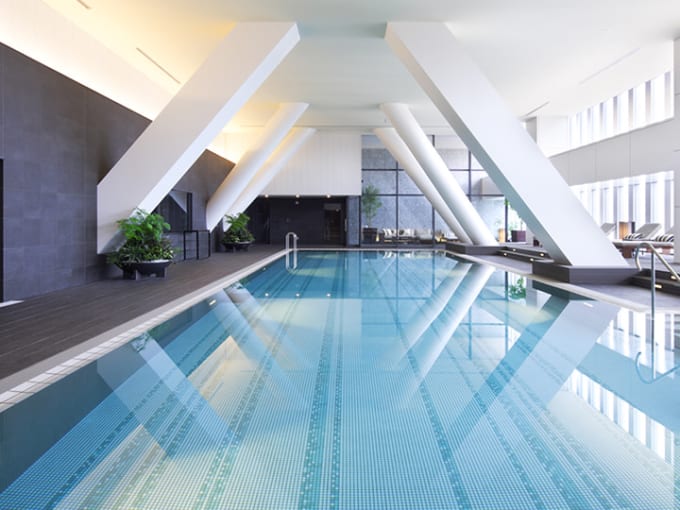
For wellness in Tokyo, we favor hotels where spa, pool, fitness, silence, and recovery work as one experience.

Questions about this section

Are Tokyo luxury hotel spas worth it on a short stay?

Yes, especially for recovery, but practical access and opening hours matter most on short stays.

Which 5-Star Hotel in Tokyo to Choose for Your Trip

Choosing a 5-star hotel in Tokyo begins with geography. The city is not explored like Paris or Rome; it is divided into districts, functions, and railway lines. For a first visit, I often recommend aiming for Marunouchi, Otemachi, or Toranomon. These areas simplify travel and provide quick access to Ginza, the Imperial Palace, and major hubs. The Peninsula Tokyo is an excellent choice for this, located opposite Hibiya. Aman Tokyo and Four Seasons Hotel Tokyo at Otemachi are also suitable, offering a more contemporary take on urban luxury. The Tokyo Station Hotel remains a very practical option, as its location within Tokyo Station appeals to travellers wishing to explore without wasting time.

For a couple's getaway, the decision often hinges on views, intimacy, and evening atmosphere. Park Hyatt Tokyo retains an evocative charm, with its Shinjuku address appealing to those who appreciate high perspectives and a degree of distance from the hustle and bustle. Mandarin Oriental, Tokyo captivates with its location in Nihonbashi and expansive panoramas. The Ritz-Carlton, Tokyo, in Roppongi, is a reliable choice for stays that blend skyline views, dining, and nightlife. If you seek a more subdued atmosphere, The Capitol Hotel Tokyu deserves attention. Its quieter environment alters the perception of the stay. It is worth noting that Tokyo rewards hotels that can create a bubble; sometimes, the neighbourhood matters as much as the room.

For business trips, I first consider efficiency. An effective lobby, well-designed rooms, straightforward access, and consistent, reliable service are essential. Shangri-La Tokyo often meets these criteria, particularly for meetings around Tokyo Station. Four Seasons Hotel Tokyo at Marunouchi appeals to travellers who prefer a more discreet format. The Okura Tokyo remains a significant landmark for many business clients, with its name, history, and location in Minato influencing decisions. Grand Hyatt Tokyo may also be suitable if your meetings are centred around Roppongi. What our advisors observe is straightforward: in Tokyo, a very good business hotel is not just central; it must also alleviate the logistical fatigue of a vast city.

If your priority is the spa, dining, or views, a more targeted choice is necessary. Aman Tokyo naturally stands out for travellers seeking a structured wellness experience. The Peninsula Tokyo and Mandarin Oriental, Tokyo are both compelling for combining accommodation, dining, and treatments. In terms of dining, establishments like The Ritz-Carlton, Tokyo, Grand Hyatt Tokyo, or Palace Hotel Tokyo often enter the conversation. For views, Park Hyatt Tokyo, The Ritz-Carlton, Tokyo, Mandarin Oriental, Tokyo, and Four Seasons Hotel Tokyo at Otemachi offer clear advantages. My advice is not to seek the perfect hotel across all criteria, as such a place is rare. It is better to identify your primary priority, then check the neighbourhood, room size, and service style.

When it comes to making a decision, ask yourself four questions. Is this your first time in Tokyo or a targeted return? Do you want to walk, dine on-site, or primarily optimise your travel routes? Do you prefer a large international hotel or a venue more rooted in Japanese hospitality culture? Finally, are you looking for a spectacular view or a sense of refuge? For a first visit, The Peninsula Tokyo, Aman Tokyo, or Shangri-La Tokyo provide very solid foundations. For a couple's stay, Park Hyatt Tokyo, Mandarin Oriental, Tokyo, or The Capitol Hotel Tokyu each possess a distinct personality. For business, The Okura Tokyo, Four Seasons Hotel Tokyo at Marunouchi, and Shangri-La Tokyo remain very consistent. And if the stay should primarily be about recovery, slowing down, and experiencing the city differently, I would first consider Aman Tokyo, followed by The Peninsula Tokyo. This is often where the right choice lies—not in prestige alone, but in the harmony between your trip and your accommodation.

Questions about this section

Which Tokyo area is best for a luxury hotel stay?

Choose the area based on your travel style, priorities, and preferred pace in Tokyo.

Comparison tables

Comparison of the best 5-star hotels in Tokyo
HotelAtmosphereHighlightsBadgeIndicative budget
Aman TokyoMinimalisme contemporain, très calme, hauteur et lumière.Grandes vues urbaines, spa signature, adresse recherchée pour un séjour discret.Amanà partir de 1800€/nuit
Bulgari TokyoLuxe contemporain, design italien, adresse très récente.Position élevée, signature de marque forte, spa et restauration à forte identité.Bulgari Hotelsà partir de 2000€/nuit
Four Seasons Hotel Tokyo at OtemachiContemporain, panoramique, très soigné pour affaires et loisirs.Vue sur la ville, service Four Seasons, accès pratique au centre d'affaires.Four Seasons1200-2200€/nuit
Hotel Okura TokyoGrande tradition japonaise réinterprétée, institution internationale.Nom historique, équilibre entre héritage et confort actuel, adresse de référence.The Okura900-1800€/nuit
Imperial Hotel TokyoClassique international, grande maison, esprit institutionnel.Adresse historique de Tokyo, service rodé, base solide pour rendez-vous et culture.Imperial Hotel700-1500€/nuit
Conrad TokyoContemporain, urbain, orienté vues et confort.Étages élevés, marque reconnue, bon équilibre entre business et week-end.Conrad700-1400€/nuit
Janu TokyoÉnergie plus sociale, design actuel, nouvelle génération du luxe.Ouverture récente, identité de marque distincte, approche lifestyle plus active.Januà partir de 1400€/nuit
Hotel Gajoen TokyoDécor théâtral, patrimoine décoratif, expérience singulière.Forte personnalité visuelle, suites généreuses, alternative aux codes plus minimalistes.Hotel Gajoen Tokyo600-1200€/nuit

Quick-read guide to our selection. Budget ranges are indicative and vary by season, room category, and major events.

Budget guide for Tokyo
Service levelHotel profileObserved range
Signature ultra-luxeGrandes marques internationales et adresses très demandées.à partir de 1800€/nuit
Luxe contemporain premiumVue, spa, service complet, localisation centrale.1200-2200€/nuit
Grand 5 étoiles établiInstitutions tokyoïtes et grandes maisons internationales.700-1500€/nuit
5 étoiles de caractèreAdresses au style affirmé ou patrimonial.600-1200€/nuit

These ranges help frame a search. They do not replace a live quote for exact dates.

The ranking

  1. Palace Hotel Tokyo, Tokyo

    #1Palace Hotel Tokyo

    Tokyo · Imperial Palace views

    Palace Hotel Tokyo naturally takes the lead in a ranking focused on Tokyo. Its location, facing the Imperial Palace gardens, grants it a rare position. Few hotels combine unobstructed views, tranquillity, and direct access to business districts. It is a grand five-star Japanese hotel in the most accessible sense of what the city offers. The contemporary architecture remains understated. The service follows the same line, with a distinctly Tokyo precision. Our advisors often note the balance between international stature and local grounding. It is suitable for both first-time visitors and loyal guests. The hotel appeals to travellers seeking Tokyo without excessive decorative filters. It offers a very coherent experience, from the lobby to the rooms, with a strong connection to light and urban perspectives. Notably, it is one of the most comprehensive choices for understanding elegant, institutional, and perfectly orchestrated Tokyo.

  2. Aman Tokyo, Tokyo

    #2Aman Tokyo

    Tokyo · Urban sanctuary

    Aman Tokyo stands out for its ability to create a rare sense of calm in a dense capital. Located in the Otemachi district, it offers a nearly contemplative view of Tokyo. The editorial interest lies in this unique interpretation of urban luxury. Here, verticality is not cold; it becomes a framework of silence, volume, and light. The Aman brand certainly matters, but it is not the only argument. The hotel has succeeded in establishing a clear, instantly recognisable identity without dissolving into the model of a grand international palace. My advice: choose it if you seek a very introspective experience, almost monastic, without sacrificing a central location. It is not the most conventional hotel in Tokyo, and that is precisely its strength. It offers a refined, architectural, and highly controlled version of the city, with a consistency of tone that few addresses maintain as well.

  3. The Peninsula Tokyo, Tokyo

    #3The Peninsula Tokyo

    Tokyo · Marunouchi classic

    The Peninsula Tokyo earns its place for its refined blend of a strategic location, global reputation, and grand hotel comfort. Situated in Marunouchi, near the Imperial Palace and Ginza, it ticks a crucial box in Tokyo. Time is saved without sacrificing the sense of arrival. The Peninsula brand offers a signature familiar to discerning travellers. In Tokyo, it manifests through a disciplined service and a fluent understanding of international expectations. Our advisors often highlight the ease of the stay. The hotel caters to business trips, cultural visits, and first-time explorations of the city. It reassures without becoming impersonal. Its positioning makes it a reliable choice for those seeking a clear, central, and well-established five-star experience. It requires no flashy gimmicks to persuade. My advice is to favour it if you seek a classic, elegant Tokyo that is perfectly connected to the capital's key landmarks.

  4. The Ritz-Carlton Tokyo, Tokyo

    #4The Ritz-Carlton Tokyo

    Tokyo · Roppongi reference

    The Ritz-Carlton Tokyo enters this top tier for its strong presence in Roppongi and its significant role in the capital's hotel landscape. Located in a vibrant, cultural, and international district, it represents another facet of Tokyo. More vertical, more cosmopolitan, and also more nocturnal. It is a pertinent choice for travellers wanting a dynamic city experience without sacrificing the standards of a recognised five-star hotel. The Ritz-Carlton brand provides an immediately identifiable service framework. In Tokyo, this translates into a highly controlled, clear, and consistent experience. The editorial interest of this address also lies in its perspective on the metropolis. Here, one seeks not just a room, but a commanding view over the city. It is a solid reference for a confident urban stay. My advice is to choose it if Roppongi, museums, and a more contemporary atmosphere are as important as hotel comfort.

  5. Mandarin Oriental Tokyo, Tokyo

    #5Mandarin Oriental Tokyo

    Tokyo · Nihonbashi high-rise icon

    Mandarin Oriental Tokyo naturally secures its place in this ranking for its location in Nihonbashi, a historic district that has become a sought-after business hub. The hotel occupies the upper floors of a contemporary tower, establishing a strong relationship with Tokyo's skyline. The Mandarin Oriental brand also offers a level of service that is immediately recognisable to discerning international clientele. Our advisors note the balance between local roots and global standards. Guests come here as much for the view as for the seamlessness of their stay. The address appeals to business travellers as well as those seeking a refined urban experience. Its positioning is particularly relevant for discovering a more subdued Tokyo, less ostentatious than other districts. Also noteworthy is the consistency of the hotel’s signature. In a geographical ranking, this matters. The hotel meets the expected criteria of a grand five-star establishment in Tokyo, with a clear identity, a strong location, and a lasting international reputation.

  6. Shangri-La Hotel Tokyo, Tokyo

    #6Shangri-La Hotel Tokyo

    Tokyo · Best for seamless access

    Shangri-La Hotel Tokyo deserves its place for its strategic location just steps from Tokyo Station. In a ranking of the best five-star hotels in Tokyo, this location carries significant weight. It facilitates arrivals, departures, and connections without compromising on address quality. The Shangri-La brand is well recognised by travellers accustomed to major Asian capitals. It promises ample comfort and structured service. My advice is to consider it if you seek a highly practical hotel without compromising on standards. What our advisors appreciate here is the clarity of the experience. The hotel caters equally to efficient short stays and more extended visits. Its proximity to the Marunouchi district further enhances its appeal. It remains in an elegant, connected, and international Tokyo. In this selection, it stands out for its rare combination of brand prestige and top-tier metropolitan functionality.

  7. The Capitol Hotel Tokyu, Tokyo

    #7The Capitol Hotel Tokyu

    Tokyo · Understated safe choice

    The Capitol Hotel Tokyu logically enters this ranking due to its more understated yet solid personality. Its name is associated with high-level Tokyo hospitality. Located in Nagatacho, it possesses a unique character, more institutional and tranquil than other areas. This address appeals to travellers seeking restraint, space, and a sense of mastery. Notably, it occupies a position between traditional Japanese hotel heritage and a contemporary interpretation of urban luxury. It is not the most demonstrative hotel in the city, which adds to its appeal. Our advisors observe a marked loyalty among its clientele, a signal that always counts. In a top Tokyo list, it deserves recognition for its overall coherence, unique location, and ability to offer a more serene escape. For certain profiles, particularly business or adult stays, it may even become a priority choice.

  8. Hotel Okura Tokyo, Tokyo

    #8Hotel Okura Tokyo

    Tokyo · Historic grand reference

    Hotel Okura Tokyo holds an important place in any serious consideration of grand Tokyo hotels. Its name carries significant historical weight, remaining associated with a certain idea of high-end Japanese hospitality, known well beyond Japan. In this ranking, we highlight its rare continuity between heritage, international recognition, and status as a major urban address. Our advisors appreciate its ability to resonate with multiple generations of travellers. The hotel reassures regular patrons of classic establishments while remaining relevant for those seeking a 5-star experience with genuine depth of identity. Notably, it serves as a reference point. In a city where luxury offerings evolve rapidly, Hotel Okura Tokyo retains its value as a benchmark. It does not need to overstate its presence; its mere existence in Tokyo's hotel landscape justifies its place. It is a foundational choice, more heritage-focused than trend-driven, yet fully legitimate.

Glossary

5-star hotel
Top hotel category. It indicates a full level of services, facilities, and comfort.
Hotel spa
Wellness area within the hotel. It may include a pool, treatments, steam room, sauna, and fitness programs.
Les Clefs d'Or concierge
Concierge belonging to a recognized professional association. It matters to travelers seeking highly personalized service.
Palace
French distinction awarded by Atout France. It applies to France, not to hotels in Tokyo.
Ryokan
Traditional Japanese inn. Its style differs from that of a large international hotel, even at a high category.
Skyline view
Room or suite facing towers, urban axes, or elevated panoramas across Tokyo.
Suite
Accommodation larger than a standard room. It usually includes a separate living room or a more generous living area.

Going further

In Tokyo, the best five-star hotel is the one that matches your pace, your district, and your reason for being there.

Frequently asked questions

How do you rank the best five-star hotels in Tokyo?

We rank them by service consistency, location, reputation, facilities, and overall guest experience.

What makes the selected Tokyo hotels stand out?

They stand out through consistent service, strong identity, and a complete luxury experience.

What is the difference between a Palace and a five-star hotel in Tokyo?

Five-star is a category; Palace is a rarer distinction with a higher level of recognition.

When should I book a five-star hotel in Tokyo?

Book early, especially for cherry blossom season, autumn, holidays, and major city events.

What nightly budget should I expect for a top five-star hotel in Tokyo?

Expect several hundred euros per night, with significant variations by season, room type, and inclusions.

Are there loyalty programs or benefits when booking direct?

Yes, many luxury groups offer loyalty benefits, but the best option depends on the booking channel.

Does concierge service really make a difference in a Tokyo five-star hotel?

Yes, strong concierge service greatly improves planning, access, and personalization in Tokyo.

Are these hotels suitable for guests with reduced mobility and for families?

Many are suitable, but accessibility and family setup should always be confirmed before booking.

How can I book a Tokyo five-star hotel through MyConciergeHotel.com?

Book through our advisors for expert guidance, clearer comparisons, and tailored hotel selection.

Sources & references

This editorial article is based on the following authoritative sources, listed here for transparency and reader verification.

Encyclopaedias

Press of reference