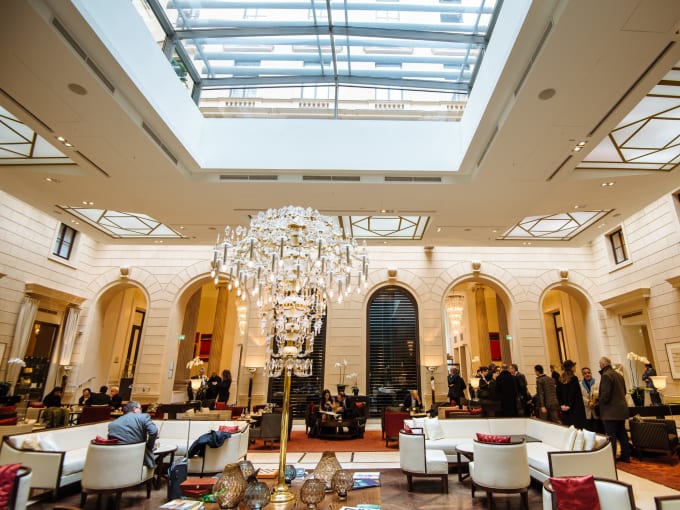
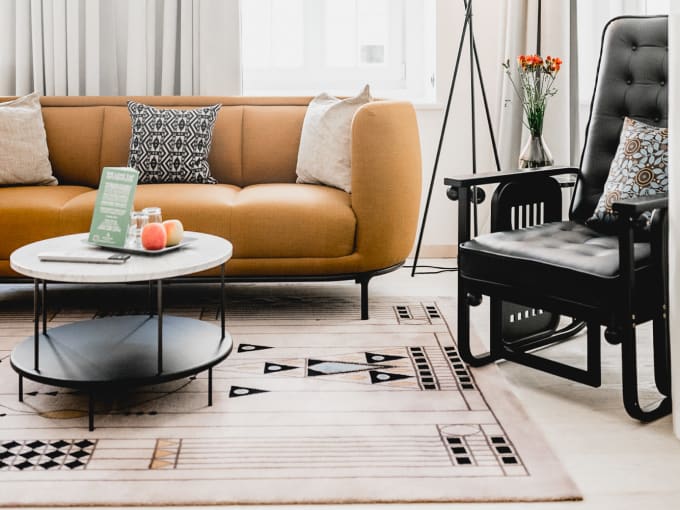
Vienna holds a unique position in the landscape of European luxury. The city eschews ostentation and flamboyant displays, favouring continuity, restraint, and a rare cultural precision. This is precisely what makes its hospitality so intriguing. During a single stay, one can transition from a grand urban palace to a more intimate boutique establishment. Guests may opt for a prominent international brand, then discover a distinctly Viennese interpretation of hospitality. It is important to note that Vienna is not merely defined by its imperial postcard image. Its luxury is also expressed through location, quality of sleep, the intelligence of service, and a hotel's ability to engage with museums, the opera, historic cafés, and shopping districts.
To establish this ranking, we first examine verifiable fundamentals. The five-star category serves as an initial filter, but it is never sufficient on its own. We then consider the brand's reputation, the coherence of its positioning, the exact location within the city, and the perceived quality of communal spaces. The nature of the building is also taken into account. A restored historic palace does not offer the same experience as a boutique hotel with a unique character. This is not a flaw; it is a different promise. What our advisors primarily observe is the alignment between the venue and the traveller. Some hotels excel for a first visit to Vienna, while others are better suited for a cultural getaway, a high-level business trip, or a very discreet weekend.
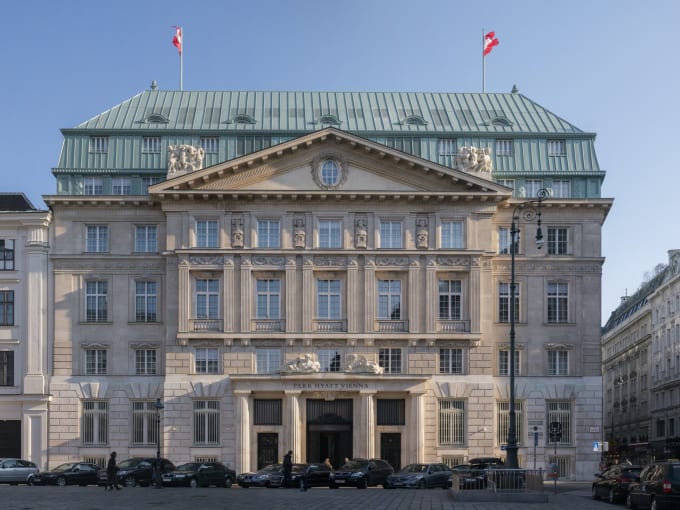
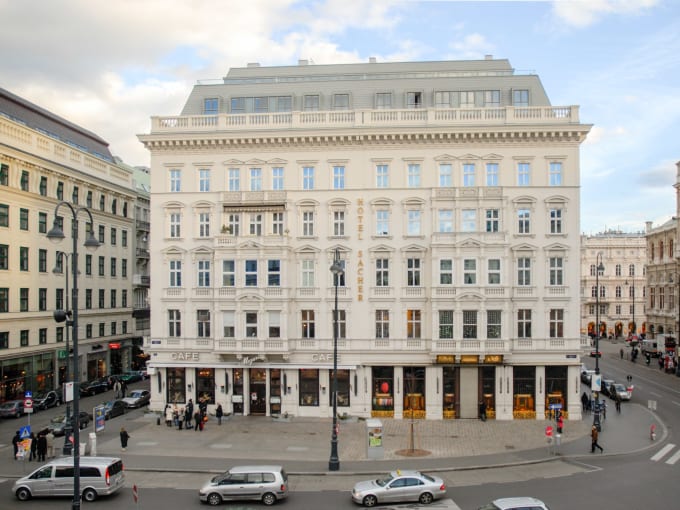
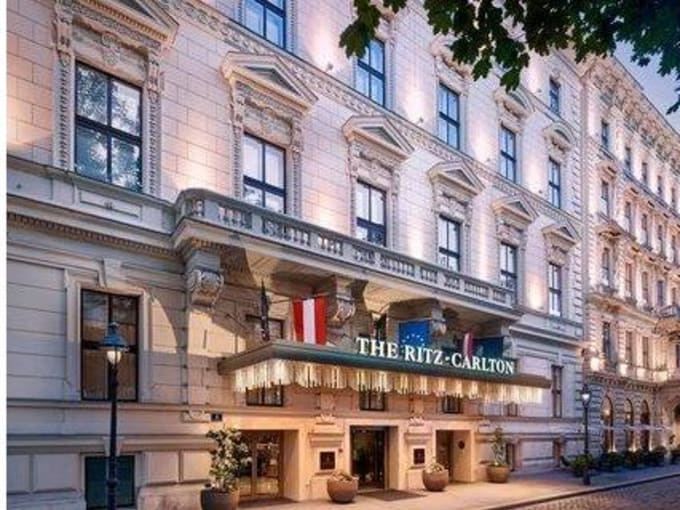
The Viennese panorama is more varied than one might imagine. Hotel Sacher, Hotel Sacher Vienna, and Ambassador Wien immediately evoke the grand hotel tradition of the historic centre. Park Hyatt Vienna, Rosewood Vienna, and Mandarin Oriental, Vienna embody a more contemporary interpretation of international luxury while remaining firmly rooted in the urban fabric. Palais Coburg Hotel Residenz and Palais Hansen Kempinski Vienna appeal to travellers sensitive to architecture and the significance of location. The Ritz-Carlton Vienna follows a clear and reassuring brand logic. Altstadt Vienna and Hotel Das Tyrol introduce another nuance, offering a more personal scale. Finally, Hôtel The Amauris Vienna reminds us that Vienna also accommodates newer establishments with a very refined positioning.
For 2025 and 2026, several trends are confirming themselves in Viennese luxury. The first concerns the search for hotels that are very well located yet capable of preserving a genuine sense of retreat. Travellers wish to walk to the opera, boutiques, or cultural institutions without sacrificing tranquillity. The second trend pertains to wellness spaces. The spa is no longer a mere supplementary service; it has become a selection criterion, especially for short urban stays. The third trend relates to design. Clients are seeking coherence over spectacle. A hotel should narrate something about the city, even when it belongs to a major global brand. My advice in Vienna is thus to choose a venue according to your pace. Seeing everything in forty-eight hours does not call for the same hotel as a four-night stay.
There is also a discreet proximity in Vienna to a certain French idea of luxury. Not by imitation, but through cultural affinity. Service benefits when it remains clear, precise, and free from forced familiarity. Fine materials matter, but they never replace the overall quality of a house. A grand Viennese hotel convinces when it masters the silent details. The welcome upon arrival, the efficiency of the concierge, the fluidity of room service, soundproofing, or the quality of breakfast often weigh more than a highly demonstrative décor. It is a luxury of continuity that withstands the test of time. In this city, elegance is often measured by what does not seek to draw attention. This is why certain historic addresses remain so relevant today.
This ranking should therefore be read as a compass, not as an absolute verdict. The first does not negate the eighth. Each hotel meets a specific expectation. A traveller attached to a major international signature may favour Rosewood Vienna, Park Hyatt Vienna, Mandarin Oriental, Vienna, or The Ritz-Carlton Vienna. A history and heritage enthusiast will likely look towards Palais Coburg Hotel Residenz, Palais Hansen Kempinski Vienna, or Hotel Sacher. A client who prefers a more personal atmosphere may be drawn to Altstadt Vienna, Hotel Das Tyrol, or Hôtel The Amauris Vienna. Our role is not to create superlatives but to clarify useful distinctions. In Vienna, the right hotel is not merely the most renowned; it is the one that best aligns with your way of experiencing the city.
Here is our interpretation of the best luxury hotels in Vienna. Eight addresses stand out, each with a distinct personality, a strong location, and a clear promise.