
Nos critères de sélection
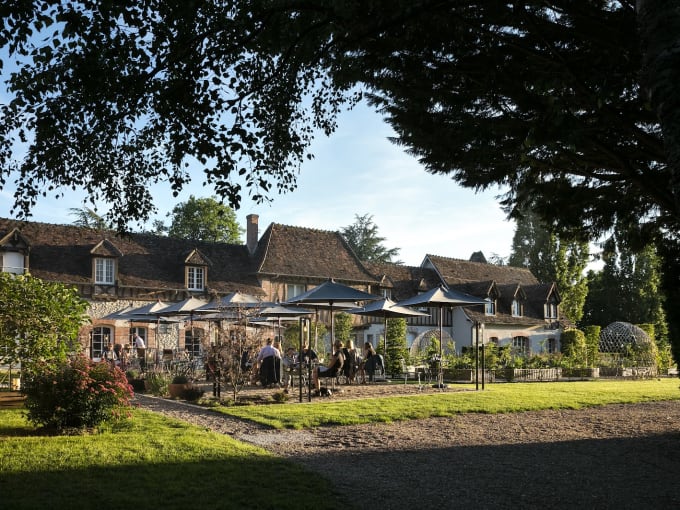
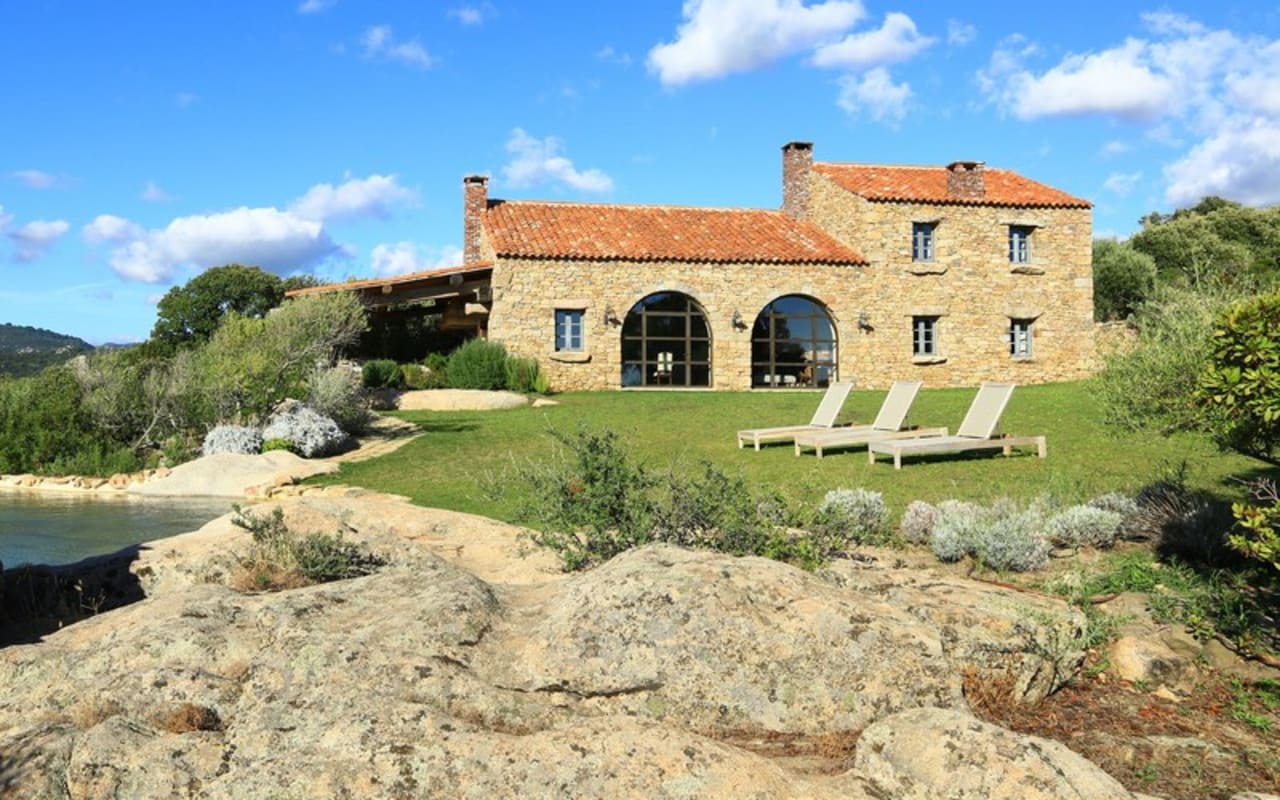
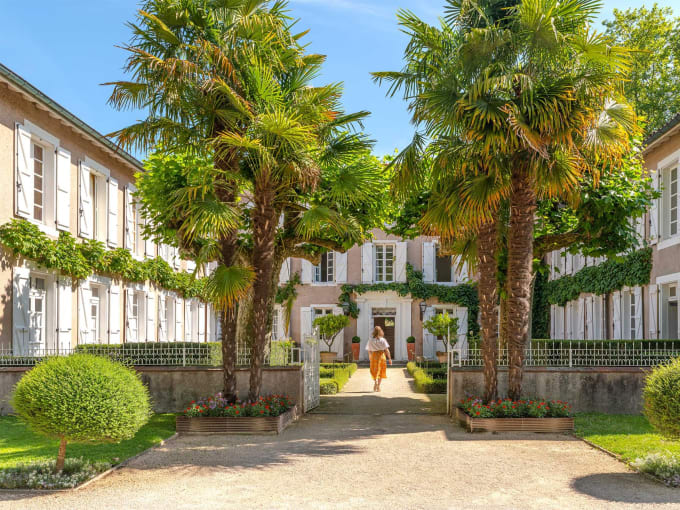
Notre classement privilégie d’abord un ancrage rural net et lisible. Nous retenons des hôtels situés hors des grands centres urbains. Le cadre doit relever d’une campagne vécue, pas d’une simple périphérie verte. Nous observons la relation au paysage immédiat. Vignes, forêts, vallons, littoral discret, montagnes douces, parcs ou terres agricoles comptent réellement. L’adresse doit offrir une sensation d’espace et de respiration. Elle doit aussi proposer un rapport cohérent à son territoire. Un château isolé, une abbaye réhabilitée, une bastide provençale ou un manoir normand n’expriment pas la campagne de la même manière. Nous cherchons cette justesse. À retenir, l’environnement n’est jamais un décor secondaire. Il fait partie de l’expérience hôtelière.
Le deuxième critère concerne la qualité hôtelière au sens strict. Nous regardons le niveau de distinction quand il existe. Palace, Relais & Châteaux, Leading Hotels of the World, Michelin Keys ou autres reconnaissances servent de repères utiles. Ils ne suffisent jamais à eux seuls. Ce que nos conseillers observent, c’est la cohérence d’ensemble. La qualité des chambres, la tenue des parties communes, l’entretien du domaine et la lisibilité du positionnement comptent autant. Un grand hôtel de campagne doit savoir créer du confort sans rompre avec son cadre. Nous valorisons les adresses qui évitent la muséification. Nous retenons aussi celles qui n’effacent pas leur histoire derrière une rénovation trop standardisée. Le service entre ensuite en ligne de compte. Il doit être précis, constant et incarné. Dans ce registre, la différence se joue souvent dans les détails. L’accueil à l’arrivée, la souplesse des horaires, la connaissance des environs et la capacité à personnaliser un séjour pèsent fortement.
Nous intégrons ensuite la restauration comme critère majeur, car la campagne française se vit aussi à table. Nous ne classons pas seulement des hôtels avec un bon restaurant. Nous cherchons des maisons où l’offre culinaire prolonge le lieu. La présence d’une table étoilée peut compter. Une cuisine de terroir très juste peut compter tout autant. Nous examinons la provenance des produits, le lien au potager, au verger, aux producteurs voisins ou au vignoble local. Le petit déjeuner a aussi son importance. Dans un hôtel de campagne, il révèle souvent le sérieux de la maison. Mon conseil, regardez toujours la cohérence entre table, cave et territoire. C’est souvent là que se lit la personnalité réelle d’une adresse.
Le bien-être occupe une place croissante dans notre méthode, mais nous l’évaluons avec nuance. Un spa spectaculaire ne garantit pas un grand séjour à la campagne. Nous privilégions l’adéquation entre les installations et le lieu. Une piscine ouverte sur un parc, un bassin thermal, des soins inspirés de la région ou un espace bien-être discret peuvent avoir plus de sens qu’un équipement surdimensionné. Nous tenons compte de la possibilité de marcher, de pédaler, de contempler, de ralentir. La campagne réussie n’est pas seulement une addition d’équipements. C’est une qualité de rythme. Nous regardons aussi la capacité de l’hôtel à proposer plusieurs usages. Séjour gastronomique, retraite reposante, week-end en duo ou parenthèse familiale doivent pouvoir coexister avec clarté.
Enfin, l’accessibilité entre dans notre lecture, sans devenir un critère punitif. Un hôtel de campagne peut être reculé. Il doit toutefois rester praticable depuis les grandes villes françaises ou européennes. Nous évaluons la proximité d’une gare, d’un axe routier ou d’un aéroport pertinent. Nous considérons aussi le temps réel de transfert. Deux heures bien organisées valent mieux qu’un trajet théoriquement court mais compliqué. Cette question est décisive pour un week-end. Elle l’est moins pour un séjour long. Notre méthode cherche donc un équilibre. Nous distinguons les adresses de destination, qui méritent le voyage, et celles qui fonctionnent parfaitement sur deux nuits. C’est cette combinaison entre lieu, hospitalité, table, bien-être et accès qui structure notre sélection.
Pourquoi la campagne française reste une référence
La campagne française occupe une place à part dans l’histoire du voyage. Elle ne se résume pas à un décor. Elle propose une manière d’habiter le territoire. Dès le XIXe siècle, les villégiatures thermales, les grandes maisons familiales et certains châteaux ouvrent une autre idée du séjour. On ne vient plus seulement pour traverser une région. On vient pour s’y installer quelques jours. Cette logique a façonné un patrimoine hôtelier très différent de celui des capitales. En France, l’hôtellerie rurale s’est souvent développée dans des bâtiments déjà chargés d’usage. Anciennes demeures seigneuriales, abbayes reconverties, bastides méridionales, maisons de maître, fermes de caractère et domaines viticoles ont offert une base concrète. Le voyageur y trouve encore aujourd’hui ce que l’architecture urbaine donne moins facilement. Il y a l’épaisseur du temps, l’échelle du paysage et une relation directe à la terre.
Ce modèle français tient aussi à la géographie. Peu de pays combinent avec autant de densité des régions agricoles fortes, des terroirs lisibles et un réseau de bourgs historiques. La campagne n’y est pas un arrière-plan. Elle structure les cuisines, les matériaux, les rythmes et jusqu’aux usages de l’hospitalité. Une maison en Provence ne raconte pas la même chose qu’un domaine en Bourgogne ou qu’un château dans le Val de Loire. Pourtant, une même logique relie ces adresses. Le lieu d’accueil reste souvent lié à une activité première. Il pouvait s’agir d’une exploitation agricole, d’un vignoble, d’une propriété de chasse ou d’une résidence de famille. Cette continuité compte encore. Ce que nos conseillers observent, c’est que les voyageurs recherchent moins un simple hôtel qu’un domaine avec une cohérence. La campagne française reste une référence parce qu’elle propose cette cohérence sans folklore forcé.
L’autre singularité française tient à la conversion réussie du patrimoine en hospitalité contemporaine. Beaucoup d’adresses rurales n’ont pas été construites comme des hôtels. Elles le sont devenues. C’est une différence importante. Elle impose des contraintes, mais crée aussi une personnalité difficile à reproduire. Les volumes, les cours, les escaliers, les chapelles, les dépendances et les jardins ne relèvent pas d’un décor conçu en studio. Ils viennent d’une histoire réelle. L’hôtellerie de campagne en France a appris à travailler avec cette matière. Elle a intégré le confort moderne, les spas, les suites familiales et les tables de destination, sans effacer totalement l’origine des lieux. Mon conseil est simple. Dans ce segment, il faut toujours regarder ce que le bâtiment était avant d’être un hôtel. C’est souvent là que se joue la qualité du séjour. Une abbaye n’offre pas le même silence qu’une bastide. Un château n’organise pas l’espace comme une maison de maître. Un domaine agricole n’induit pas le même rapport au paysage qu’une retraite dessinée d’emblée pour le repos.
Cette histoire explique aussi pourquoi la campagne française parle à des voyageurs très différents. Certains cherchent une résidence historique et une mise à distance du quotidien. D’autres veulent une base pour explorer les marchés, les vignobles et les villages. D’autres encore privilégient la table, le jardin, la forêt ou le spa. Le cadre rural français permet ces lectures multiples parce qu’il n’oppose pas patrimoine et usage. Les meilleurs hôtels de campagne savent accueillir un week-end à deux, un séjour intergénérationnel ou une parenthèse de travail au vert. Ils restent crédibles dans chacun de ces registres quand le lieu conserve son ancrage. C’est sans doute la raison principale de cette permanence. La campagne française n’est pas une tendance récente. C’est une tradition de séjour, continuellement réinterprétée. Elle reste une référence parce qu’elle associe trois éléments rarement réunis avec autant de constance. Il y a la force des bâtiments, la lisibilité des terroirs et une culture de l’accueil qui sait évoluer sans rompre avec l’histoire.
Questions sur cette section
Les hôtels de campagne en France sont-ils surtout des demeures historiques, ou aussi des adresses plus contemporaines ?
Les deux existent, et c’est un point important. La campagne française reste marquée par les châteaux, manoirs, abbayes et grandes maisons de famille. Mais l’offre s’est élargie avec des domaines repensés, des retraites design et des hôtels plus contemporains. La différence n’est pas seulement esthétique. Elle touche aussi le rythme du séjour, la taille des espaces, le rapport au jardin, et la place donnée au spa ou à la gastronomie.
La campagne française, destination de table
Dans la campagne française, la table n’est pas un agrément secondaire. Elle fait souvent basculer la réservation. Beaucoup de voyageurs choisissent d’abord une cuisine, puis une chambre. C’est particulièrement vrai dans des maisons où le domaine, le potager, la cave et le rythme des saisons structurent tout le séjour. À retenir, un grand hôtel rural convainc rarement par le décor seul. Il doit aussi proposer une lecture précise de son territoire. C’est là que des adresses comme Les Prés d'Eugénie, Auberge du Père Bise, Domaine de Manville, Domaine Les Crayères, Le K2 Palace, Airelles Courchevel, Château de la Treyne, La Bastide de Gordes, Coquillade Provence, Le Domaine de Verchant, Baumanière Les Baux de Provence, Le Couvent des Minimes, Château de Berne, Terre Blanche Hotel Spa Golf Resort, Château Saint-Martin & Spa, Hostellerie de Levernois, Les Sources de Caudalie, Relais Bernard Loiseau, Le Domaine des Étangs, Domaine de Primard, Les Sources de Cheverny, Le Barn, Domaine du Roncemay, Château de la Gaude, Villa La Coste, Lily of the Valley, Grand-Hôtel du Cap-Ferrat, Four Seasons Hotel George V, Paris, Hôtel de Crillon, A Rosewood Hotel, Le Bristol Paris, La Réserve Paris Hotel and Spa, Mandarin Oriental, Paris, Hôtel Plaza Athénée, Saint James Paris, Shangri-La Paris, Hôtel Barrière Le Normandy Deauville, Hôtel Barrière Le Royal Deauville, Hôtel du Palais Biarritz, Hôtel du Couvent, Nice, Hôtel Martinez, The Unbound Collection by Hyatt, Hôtel Le Negresco, The Maybourne Riviera, Cap d'Antibes Beach Hotel, Cheval Blanc St-Barth, Eden Rock - St Barths, Le Sereno, Rosewood Le Guanahani St. Barth, Hotel Christopher St Barth, Hôtel Barrière Le Carl Gustaf Saint-Barth, La Toubana Hotel & Spa, La Badira, The Residence Tunis, La Mamounia, Royal Mansour Marrakech, Selman Marrakech, Mandarin Oriental Marrakech, Kasbah Tamadot, Amanjena, Four Seasons Resort Marrakech, The Oberoi Marrakech, Palais Namaskar, Fairmont Royal Palm Marrakech, Es Saadi Marrakech Resort, Riad Fès - Relais & Châteaux, La Villa des Orangers, Domaine de Rymska & Spa, Georges Blanc Parc & Spa, Château de Mercuès, Les Hauts de Loire, Château de Valmer, Le Moulin de l'Abbaye, Le Vieux Castillon, Le Phébus & Spa, Domaine de Rochebois, Château d'Audrieu, Château de la Ballue, Château de Codignat, Château d'Isenbourg, Château de Fonscolombe, Château de Riell, Château de Bagnols, Château de Collias, Château de Massillan, Château de Vault de Lugny, Domaine de la Bretesche, Domaine du Mas de Pierre, Le Clair de la Plume, Le Domaine de Murtoli, La Cheneaudière - Hôtel Spa 5*, Le Kaïla, Les Fermes de Marie, Les Barmes de l'Ours, Le Blizzard, Hôtel Mont-Blanc Chamonix, Hôtel Royal Evian, La Bouitte, Le Yule, Le Strato, Ultima Megève, Armancette Hotel, Chalets Hotel de La Croix Fry, Hôtel Au Cœur du Village, Hôtel Le Coucou Méribel, Hôtel Les Roches Blanches, Capelongue, Hôtel Crillon le Brave, Domaine de Fontenille, Le Pigonnet, Château de Théoule, Tiara Miramar Beach Hotel & Spa, Tiara Yaktsa Côte d’Azur, Hôtel La Ponche, Lily of the Valley et La Réserve Ramatuelle peuvent faire la différence.
Les maisons les plus convaincantes ne se contentent pas d’aligner une table réputée. Elles organisent une continuité entre paysage, approvisionnement et assiette. Les Sources de Caudalie restent un repère clair sur ce point. Le lien au vignoble y donne une cohérence immédiate. Même logique aux Sources de Cheverny, à Château de Berne, à Château de la Gaude ou à Villa La Coste. Le vin n’y joue pas un rôle décoratif. Il structure l’expérience. En Bourgogne, Hostellerie de Levernois, Relais Bernard Loiseau et Domaine de Rymska & Spa rappellent aussi combien la campagne hôtelière française s’est construite autour des grandes tables. Ce que nos conseillers observent, c’est que les clients arbitrent de plus en plus entre deux promesses. D’un côté, une signature gastronomique établie. De l’autre, une cuisine de domaine, plus directe, plus agricole, parfois plus personnelle.
En Provence et dans le Sud, cette logique prend une forme très lisible. Baumanière Les Baux de Provence, Le Couvent des Minimes, Coquillade Provence, Capelongue, Hôtel Crillon le Brave, Domaine de Fontenille et Le Phébus & Spa parlent tous, chacun à leur manière, de produits, d’herbes, d’huile d’olive, de jardins et de saisonnalité. La Bastide de Gordes ou Château Saint-Martin & Spa séduisent aussi des voyageurs pour qui le dîner compte autant que la vue. Dans l’Ouest et le Centre, Les Hauts de Loire, Château de Mercuès, Château de la Treyne, Domaine de Primard, Domaine du Roncemay ou Château d'Audrieu montrent une autre facette. Ici, la gastronomie s’exprime souvent dans un registre plus terrien. Gibier, rivière, verger, cave, fromages et traditions régionales reprennent leur place. Mon conseil, si la table est votre premier critère, consiste à regarder la densité de l’offre sur place. Un grand restaurant ne suffit pas toujours. Un bon bistrot de domaine, un petit-déjeuner sérieux et une cave pensée comptent autant.
Il faut aussi rappeler qu’en France, certaines adresses urbaines ont façonné l’idée même de destination gastronomique. Four Seasons Hotel George V, Paris, Le Bristol Paris, Hôtel de Crillon, A Rosewood Hotel, La Réserve Paris Hotel and Spa, Mandarin Oriental, Paris, Hôtel Plaza Athénée, Saint James Paris ou Shangri-La Paris restent des références de table. Mais à la campagne, l’expérience change de nature. Le temps du repas s’allonge. Le produit gagne en lisibilité. Le lien avec le lieu devient concret. C’est cette cohérence que recherchent aujourd’hui beaucoup de voyageurs. Ils veulent comprendre où ils sont en dînant. Les meilleurs hôtels ruraux de France réussissent cela sans discours inutile. Ils relient la chambre, le jardin, la cave et la cuisine dans un même récit. Quand cette cohérence existe, le séjour prend immédiatement plus de relief.
Questions sur cette section
Pour un séjour gastronomique à la campagne, faut-il choisir un hôtel avec grande table sur place ?
Pas forcément, mais cela change beaucoup l’expérience. Une grande table sur place simplifie le séjour, surtout dans les régions où les distances sont longues le soir. Elle permet aussi un rythme plus confortable, avec accords mets, spa ou nuit sur place. Cela dit, certaines maisons brillent davantage par leur situation et ouvrent vers plusieurs bonnes adresses alentour. Ce que nos conseillers regardent : la cohérence entre table, cave, service et localisation.
Spa, nature et sensation d’espace
Aujourd’hui, le séjour à la campagne ne se résume plus à une belle vue et à quelques hectares. Nos conseillers observent une attente plus précise. Les voyageurs veulent respirer, marcher, nager, dormir au calme, puis retrouver un spa cohérent avec le lieu. La demande porte autant sur l’espace que sur l’équipement. Un grand domaine sans parcours de soin convainc moins qu’une adresse capable d’articuler nature, bassin, cabines, lumière et silence. En France, plusieurs hôtels de campagne répondent à cette recherche avec des approches différentes. Certains s’appuient sur un parc historique. D’autres misent sur la forêt, les jardins, les vignes ou l’horizon des collines. À retenir, le spa n’est plus un simple service additionnel. Il devient un critère de choix, au même titre que la table ou la qualité des chambres.
Dans ce paysage, Les Sources de Caudalie restent une référence lisible. L’adresse se distingue par son ancrage dans les vignes du Château Smith Haut Lafitte. Le lien entre environnement, soins et identité de marque y est particulièrement clair. Pour beaucoup de voyageurs, c’est un modèle de spa de destination en milieu rural. Le sens du lieu compte ici autant que les installations. Le Domaine de Manville propose une autre lecture. En Provence, l’espace se lit dans les Alpilles, la lumière et l’ouverture du domaine. Le spa y trouve sa place dans un séjour qui combine air sec, marche, golf et repos. Du côté de Terre Blanche Hotel Spa Golf Resort, l’argument de l’espace est immédiat. Le resort s’appuie sur un vaste environnement provençal, avec une offre bien-être structurée et une vraie logique de retraite. Mon conseil, le choisir quand la priorité va à l’ampleur du site et à la variété des rythmes de séjour.
D’autres maisons travaillent le calme avec plus de retenue. Le Domaine des Étangs, en Charente, parle d’abord par ses étangs, ses prairies et sa sensation d’isolement maîtrisé. Le bien-être y prend une forme plus contemplative. On y cherche moins la performance que la décompression. Les Prés d’Eugénie occupent une place à part, car le thermalisme y donne une profondeur historique au séjour. Cette dimension compte pour les voyageurs qui veulent des soins inscrits dans une tradition française du corps et de la cure. À La Cheneaudière - Hôtel Spa 5 étoiles, le spa devient presque un motif de voyage en soi. Dans un cadre vosgien, l’adresse attire une clientèle attentive aux installations et au temps passé sur place. Le Couvent des Minimes Hôtel & Spa L’Occitane en Provence joue, lui, sur une alliance efficace. Bâtiment patrimonial, Provence intérieure et marque de soin identifiée composent une proposition très lisible.
Il faut aussi regarder les hôtels où la nature agit avant même l’entrée au spa. Lily of the Valley, bien que plus littoral que strictement terrien, répond à cette nouvelle attente par son rapport au paysage et au bien-être. Pour certains voyageurs, la sensation d’espace prime sur la définition classique de la campagne. Le Château Lafaurie-Peyraguey Hotel & Restaurant Lalique, au cœur du vignoble, parle davantage aux amateurs de calme précis, de lumière et de séjour resserré. Le Royal Champagne Hotel & Spa, lui, combine panorama sur les coteaux et spa contemporain. C’est une option forte pour ceux qui veulent la campagne sans renoncer à une lecture très actuelle du luxe hôtelier. Enfin, Le Barn apporte une réponse plus décontractée. Son environnement forestier, son accès facile depuis Paris et son rapport direct aux activités de plein air correspondent à un besoin très contemporain.
Ce que nos conseillers observent, c’est un arbitrage de plus en plus net. Certains clients demandent un spa signature, avec une identité forte et des installations complètes. D’autres veulent surtout du silence, un domaine vaste et la possibilité de ralentir. Les meilleures adresses de campagne savent combiner les deux, sans surjouer le discours du bien-être. Elles offrent des mètres, de l’air, des arbres, parfois des vignes, parfois des sources, parfois un héritage thermal. Elles comprennent surtout une chose. Le luxe, ici, tient souvent dans la distance retrouvée. Distance au bruit, au rythme urbain et aux agendas serrés. Dans cette section du classement, nous privilégions donc les hôtels où le spa prolonge réellement le paysage. Pas ceux où il le contredit.
Questions sur cette section
Un hôtel de campagne avec spa vaut-il le détour toute l’année, même hors été ?
Oui, souvent davantage hors été. Le spa prend tout son sens quand la météo invite à ralentir. En automne et en hiver, les séjours bien-être à la campagne offrent plus de calme, des espaces moins fréquentés et une vraie sensation de retrait. Il faut toutefois vérifier la taille du spa, la présence d’une piscine intérieure, et les horaires d’accès. Tous les spas de campagne n’offrent pas la même profondeur d’expérience.
Les meilleurs profils pour un séjour en famille
En famille, un hôtel de campagne se juge d’abord à l’espace réel. Il faut pouvoir circuler sans contrainte, sortir facilement, et organiser la journée sans logistique pesante. C’est souvent là que les grandes propriétés rurales françaises prennent l’avantage. Les domaines étendus, les dépendances bien pensées et les hébergements indépendants changent concrètement le séjour. À retenir aussi, la question des rythmes. Les parents cherchent du confort, mais aussi une forme de liberté de mouvement. Les enfants, eux, ont besoin d’activités simples, répétables et dehors. Dans notre sélection, certains hôtels répondent mieux que d’autres à cette équation. Ce que nos conseillers observent, c’est qu’une belle chambre ne suffit pas. Les familles réservent plus volontiers quand l’hôtel propose plusieurs formats de séjour. Chambres communicantes, suites familiales, cottages, villas ou maisons privatives comptent davantage ici qu’en ville.
Les domaines les plus convaincants sont souvent ceux qui assument une vraie vie de plein air. Les Sources de Caudalie, au cœur des vignes bordelaises, parlent aux familles qui veulent alterner nature, table et piscine. Le cadre est lisible, ouvert, et propice aux séjours intergénérationnels. Terre Blanche Hotel Spa Golf Resort, dans l’arrière-pays varois, se distingue aussi par son échelle. Les villas offrent une autonomie appréciable, surtout avec de jeunes enfants. Le Domaine de Manville, en Provence, fonctionne bien pour les familles qui veulent un luxe discret et beaucoup d’air. Son implantation dans les Alpilles favorise les journées actives. Mon conseil, ici, est simple. Quand le séjour dépasse trois nuits, privilégiez les hôtels où l’on peut varier les usages d’un même lieu. Une piscine, des extérieurs généreux et des hébergements souples font souvent toute la différence.
D’autres adresses séduisent par leur rapport direct à la nature et aux activités. Le Domaine des Étangs, en Charente, bénéficie d’un vaste environnement rural. Cette ampleur crée une sensation de liberté rare en hôtellerie. Les familles y trouvent un terrain favorable aux promenades et aux temps calmes. Les Prés d’Eugénie offrent un autre registre. L’adresse est très structurée par ses jardins, ses bassins et son ancrage thermal. Elle convient bien aux familles qui aiment les séjours paisibles, avec un rythme plus posé. Le Château Saint-Martin & Spa, sur les hauteurs de Vence, peut aussi convenir si l’on cherche une base élégante avec espace extérieur. Ce n’est pas seulement la présence d’une piscine qui compte. C’est la possibilité de vivre dehors plusieurs heures par jour, sans que l’hôtel paraisse contraignant.
Pour les tribus qui veulent une expérience plus narrative, certains lieux ajoutent une dimension mémorable. Le Domaine de Primard, dans l’Eure-et-Loir, attire par son domaine et son esprit de maison de campagne. Il parle aux familles parisiennes qui veulent partir sans trajet excessif. Le Château de Berne, en Provence, combine vignoble, nature et respiration. L’environnement permet de construire des journées simples, entre marche, repas et détente. Le Couvent des Minimes Hôtel & Spa L’Occitane en Provence, dans un cadre plus singulier, peut convenir à des familles avec adolescents. L’architecture et l’atmosphère donnent du caractère au séjour. Pour un imaginaire plus patrimonial, Airelles Château de Versailles, Le Grand Contrôle relève d’un autre usage. L’adresse est remarquable pour une parenthèse courte, surtout avec des enfants sensibles à l’histoire. En revanche, pour un long séjour familial, nos conseillers orientent plus volontiers vers des domaines ouverts, où l’on peut répéter les plaisirs sans saturation.
Au fond, le meilleur hôtel de campagne pour une famille n’est pas forcément le plus formel. C’est celui qui absorbe les besoins contradictoires sans les rendre visibles. Il faut de l’espace, des formats d’hébergement adaptés et un environnement qui occupe naturellement les journées. Les hôtels qui réussissent cela ont souvent un point commun. Ils permettent aux parents de profiter de l’adresse, sans transformer le séjour en programme. C’est pourquoi nous regardons de près les domaines, les villas, les jardins, les piscines et la facilité des circulations. Dans la campagne française, le luxe familial commence souvent par cette évidence. Pouvoir laisser du temps au temps, dehors, ensemble, sans renoncer au niveau d’hospitalité.
Nos repères pour un séjour à deux
Pour un séjour à deux, nous regardons d’abord la juste distance au monde. Un grand domaine compte, mais l’échelle humaine compte davantage. Les couples cherchent rarement l’animation permanente. Ils privilégient le silence, une belle lumière, une table fiable et un spa pensé pour ralentir. Dans cette lecture, certains hôtels de campagne français se distinguent avec évidence. Les Sources de Caudalie restent une valeur sûre près des vignes de Bordeaux. Le cadre des vignes, le spa vinothérapie et la présence de plusieurs tables créent un rythme simple. On y alterne promenade, soin et dîner sans reprendre la voiture. À retenir aussi, Les Prés d’Eugénie. L’adresse d’Eugénie-les-Bains associe jardins, thermalité et grande table. Pour des couples qui veulent un séjour structuré autour du bien-être, c’est un repère très solide.
Dans un registre plus patrimonial, plusieurs châteaux offrent une romance plus feutrée. Airelles Château de Versailles, Le Grand Contrôle n’est pas un hôtel de campagne classique. Pourtant, son rapport au parc de Versailles et son format intime parlent aux couples. L’expérience y repose sur la rareté, la proximité du château et une mise en scène historique très précise. Plus rural dans son expression, le Château de la Treyne propose une lecture différente. Son implantation au-dessus de la Dordogne, son parc et sa table composent un séjour très centré sur le lieu. C’est le type d’adresse que nos conseillers recommandent aux couples qui veulent marcher, dîner sur place et ne rien forcer. Le Domaine des Etangs fonctionne aussi très bien pour cela. Le domaine est vaste, mais l’atmosphère reste recueillie. L’eau, les prairies et les bâtiments dispersés donnent une sensation d’espace rare.
Pour les couples sensibles au design, à l’art de vivre contemporain et à la discrétion, d’autres maisons méritent une attention particulière. Lily of the Valley n’est pas une campagne de carte postale. Mais son implantation paysagère, ses vues et son spa en font une option convaincante à deux. Le parti pris bien-être y est central. C’est pertinent pour un séjour de reconnexion plus que pour une retraite gastronomique classique. La Bastide de Gordes joue une autre partition. Le village perché, la pierre, les terrasses et l’ancrage provençal créent un décor très lisible. Mon conseil, y aller hors très haute saison. Le village retrouve alors une douceur plus favorable aux couples. Le Couvent des Minimes, Hôtel & Spa L’Occitane apporte enfin une dimension sensorielle très complète. Son spa est un argument majeur. Pour des voyageurs qui arbitrent d’abord selon la qualité des soins, c’est un nom à retenir.
Il faut aussi citer les maisons où la table fait basculer le séjour. Le Domaine de Manville séduit par son ampleur, son environnement provençal et son confort de resort discret. Les couples y trouvent de l’espace, un spa et une offre complète. Mais l’adresse convient surtout à ceux qui aiment varier les activités. À l’inverse, Le Moulin de l’Abbaye ou Le Vieux Logis parlent à des duos plus contemplatifs. Ces deux Relais & Châteaux privilégient l’échelle intime, le charme du bâti et la continuité entre chambre, jardin et table. Dans le même esprit, Baumanière Les Baux-de-Provence reste un grand classique. L’environnement minéral des Alpilles, la réputation de la maison et la qualité de la restauration pèsent dans la balance. Ce que nos conseillers observent souvent, c’est simple. Les couples heureux choisissent moins une région qu’un tempo. Si vous voulez un séjour de spa et de nature, regardez Les Sources de Caudalie, Les Prés d’Eugénie ou Le Couvent des Minimes. Si vous cherchez le tête-à-tête patrimonial, pensez Château de la Treyne, Domaine des Etangs ou La Bastide de Gordes. Si le dîner est l’axe du voyage, Baumanière, Le Vieux Logis et Le Moulin de l’Abbaye restent des repères très sûrs.
Tendances 2025-2026 des séjours à la campagne
En 2025 et 2026, le séjour à la campagne en France devient plus arbitré, et souvent plus précis dans ses objectifs. Les voyageurs ne cherchent plus seulement un beau domaine. Ils veulent comprendre ce qu’ils viennent y vivre. Cela favorise les adresses capables d’articuler un territoire, une table, un rythme, et un accès simple. Ce que nos conseillers observent est net. La campagne n’est plus pensée comme un retrait total. Elle devient une extension qualitative du voyage urbain, souvent sur deux ou trois nuits. Depuis Paris, Lyon, Genève ou Nice, la facilité d’arrivée pèse davantage dans la décision. Un hôtel rural bien connecté gagne du terrain face à une adresse plus isolée, même très désirée. Le train, le transfert court, et la lisibilité du trajet comptent désormais presque autant que le cadre.
Autre évolution forte, l’immersion locale doit être concrète. Les voyageurs demandent moins de folklore, et davantage de preuves. Ils veulent un ancrage visible dans l’architecture, les produits, les paysages, et les usages de la région. Un ancien château, une abbaye, une bastide ou une ferme restaurée gardent un pouvoir d’attraction évident. Mais cela ne suffit plus. L’adresse doit raconter son territoire sans le caricaturer. La table joue ici un rôle central. Potager, producteurs voisins, cave régionale, pain maison, ou lecture fine des saisons deviennent des marqueurs décisifs. Dans le même mouvement, la durabilité sort du registre déclaratif. Les clients posent des questions plus précises. Gestion de l’eau, taille du domaine, rénovation du bâti existant, circuits courts, et cohérence des activités sur place sont davantage examinés. Mon conseil est simple. Une promesse écologique vague convainc moins qu’un projet lisible, même modeste.
Le bien-être continue aussi de progresser, mais son vocabulaire change. Le spa reste important, bien sûr. Pourtant, la demande se déplace vers une sensation d’espace, de silence, et de récupération réelle. Marcher dans un parc, nager avec vue, lire sur une terrasse, ou alterner soin et grand air répondent mieux aux attentes actuelles. La campagne française bénéficie ici d’un avantage structurel. Elle offre des domaines vastes, une densité bâtie plus faible, et un rapport direct au paysage. Les voyageurs valorisent davantage les expériences sobres, bien exécutées, que les dispositifs spectaculaires. Une belle piscine extérieure, quelques cabines bien pensées, un parcours de marche, et une chambre calme peuvent suffire. À retenir, le bien-être n’est plus une section à part. Il devient la manière générale d’habiter le séjour.
Enfin, la demande multigénérationnelle redessine le segment. Les familles élargies voyagent plus souvent ensemble, mais avec des attentes divergentes. Les grands-parents veulent du confort et un service fluide. Les parents cherchent des suites, des villas, ou des chambres communicantes. Les enfants ont besoin d’espace, sans transformer l’hôtel en club. Cette recherche d’équilibre profite aux domaines capables d’offrir plusieurs usages simultanés. Un bon hôtel de campagne doit permettre de se retrouver, puis de se séparer sans friction. Cela explique le succès des adresses avec jardins, activités extérieures, restauration souple, et typologies d’hébergement variées. Dans ce contexte, le luxe rural français se définit moins par l’apparat que par la justesse. Un lieu bien situé, lisible, enraciné, et facile à vivre répond aujourd’hui à la demande la plus solide. C’est cette maturité du regard qui structure déjà les réservations à venir.
Comment choisir selon votre style de séjour
Au moment de réserver, le bon réflexe consiste à partir de votre rythme de séjour. Tous les hôtels de campagne ne promettent pas la même expérience. Certains relèvent du château classique, avec arrivée cérémonieuse, parc dessiné et codes plus formels. D’autres jouent la maison de campagne, avec une échelle plus intime et un rapport plus direct au paysage. Il existe aussi les grands domaines, pensés pour rester sur place plusieurs jours. Enfin, quelques adresses s’imposent d’abord par la table, la cave ou le lien au terroir. À retenir, ce classement n’oppose pas ces familles. Il aide plutôt à choisir le bon décor pour le bon moment. C’est souvent là que se joue la réussite du séjour.
Si vous cherchez une parenthèse structurée, avec un certain cérémonial, regardez du côté des châteaux et grandes demeures historiques. Ce format convient bien aux anniversaires, aux séjours à deux et aux voyages où l’on veut marquer le coup. Le cadre compte alors autant que la chambre. Les perspectives, les salons, les allées et l’histoire du lieu donnent une densité particulière au séjour. Ce choix fonctionne particulièrement bien au printemps et au début de l’automne. La lumière y est plus douce, les jardins se lisent mieux, et l’on profite du domaine sans dépendre uniquement des activités intérieures. Mon conseil, dans ce registre, est simple. Vérifiez la taille réelle du domaine, la distance entre les espaces, et le niveau de formalité du service. Deux hôtels installés dans un château peuvent proposer des expériences très différentes.
Pour un week-end décompressé, la maison de campagne reste souvent la meilleure option. On y cherche moins la mise en scène que la sensation d’habiter un lieu. Cela compte pour les courts séjours, surtout quand on part depuis Paris, Lyon ou Bordeaux. Ce format convient aussi aux voyageurs qui veulent alterner lecture, promenade, déjeuner tardif et retour au feu ou à la terrasse. Ce que nos conseillers observent souvent, c’est que ces adresses plaisent autant aux couples qu’aux petits groupes. Elles sont aussi plus faciles à vivre hors haute saison. En novembre, en janvier ou en mars, une maison bien pensée peut offrir davantage de chaleur qu’un très grand domaine. Regardez alors la qualité des espaces communs, la présence d’un vrai restaurant sur place, et la facilité d’accès depuis une gare. Ce sont des détails concrets, mais ils changent tout.
Le grand domaine avec spa répond à un autre projet. Ici, on réserve moins une chambre qu’un programme complet. Ce type d’hôtel convient aux séjours de trois nuits ou plus, aux familles, et aux voyageurs qui veulent tout faire sans reprendre la voiture. La présence d’un spa sérieux, d’une piscine intérieure, d’activités de plein air et de plusieurs options de restauration devient décisive. En été, ces domaines absorbent mieux les longs séjours. En hiver, ils gardent du sens si les infrastructures intérieures sont solides. C’est le point à vérifier en priorité. Un spa annoncé ne suffit pas toujours. Il faut regarder sa taille, ses horaires, la cohérence de l’offre de soins et la place réelle donnée au bien-être dans l’expérience. Même logique pour les familles. Un grand parc est utile, mais il ne remplace pas des chambres adaptées, un service souple et une logistique fluide.
Reste le refuge gastronomique, à choisir quand la table devient le centre du voyage. Ce profil convient parfaitement aux escapades d’une ou deux nuits, aux amateurs de vin, et aux voyageurs qui construisent leur itinéraire autour d’un dîner. La saison compte beaucoup. L’automne et le printemps sont souvent les plus lisibles, car les produits, les marchés et les paysages dialoguent naturellement. En plein été, il faut vérifier le niveau de calme réel. Dans les régions très demandées, l’ambiance peut devenir plus animée qu’attendu. En pratique, posez-vous quatre questions avant de trancher. Voulez-vous célébrer, vous reposer, explorer ou dîner ? Préférez-vous rester sur place ou rayonner ? Voyagez-vous en couple, en famille ou entre amis ? Et quelle saison donnera le meilleur visage au lieu ? Si vous partez de ces repères, le bon hôtel apparaît vite. C’est précisément le rôle de notre sélection.