Nos critères de sélection en Provence
Pour établir ce classement, nous partons d’un principe simple. Un grand hôtel de Provence ne se juge jamais sur un seul argument. La région impose une lecture plus fine. Ici, l’adresse compte autant que le service. Le paysage compte autant que l’architecture. Et l’expérience doit rester cohérente du premier contact au départ. Nous privilégions donc les hôtels 5 étoiles capables d’assembler plusieurs dimensions. La localisation doit être juste. Elle peut être urbaine, littorale, viticole ou rurale. Mais elle doit offrir un vrai rapport au territoire. Un hôtel bien classé en Provence n’est pas seulement bien situé sur une carte. Il doit permettre de vivre un lieu, un rythme et une lumière. C’est souvent ce qui distingue une belle adresse d’une adresse durablement recommandable.
Le deuxième critère concerne le niveau de service. Nous observons la qualité de l’accueil, la précision des échanges et la capacité à personnaliser le séjour sans lourdeur. En Provence, le bon service n’est pas démonstratif. Il doit être fluide, attentif et lisible. Nous regardons aussi la constance. Un grand hôtel se reconnaît à sa capacité à tenir son niveau en haute saison. C’est un point décisif dans une région très demandée. Nos conseillers sont particulièrement attentifs à la gestion des arrivées, au suivi des demandes spéciales et à la connaissance réelle de la destination. À retenir, un service 5 étoiles convaincant ne se limite pas aux standards internationaux. Il doit aussi savoir traduire l’esprit du lieu avec naturel.
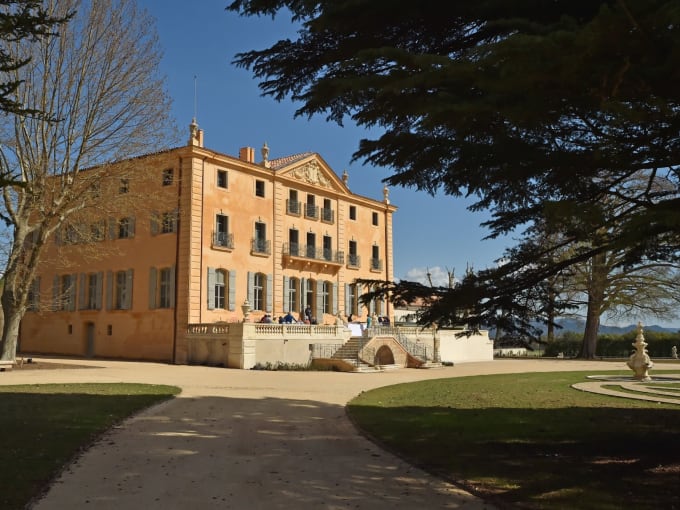
Nous accordons ensuite une place centrale à l’ancrage provençal. Ce critère ne relève pas du décor de façade. Nous cherchons une identité claire, perceptible dans l’architecture, les jardins, les matériaux, la relation au village ou au paysage, et parfois dans l’histoire du domaine. Une bastide, un mas, un domaine viticole ou une adresse en surplomb de village n’ont pas la même promesse. Chacune peut être excellente si elle assume pleinement sa nature. Nous regardons aussi la qualité des chambres et des suites. Les volumes, la lumière, l’insonorisation, les vues, les terrasses, et la facilité d’usage comptent beaucoup. En Provence, une chambre réussie doit souvent prolonger l’extérieur. Mon conseil: vérifier si l’hôtel offre une vraie sensation d’espace, même dans ses catégories d’entrée de gamme.
La restauration pèse fortement dans notre méthode, sans résumer à elle seule le classement. En Provence, la table n’est pas un simple service annexe. Elle participe directement à la qualité du séjour. Nous évaluons la pertinence de l’offre selon le lieu. Un hôtel peut convaincre avec une grande table gastronomique. Il peut aussi très bien se classer avec une cuisine plus simple, si elle est juste, régulière et bien ancrée dans les produits locaux. Même logique pour le petit déjeuner, souvent révélateur. Nous observons la fraîcheur, le rythme du service et la cohérence d’ensemble. Le spa entre aussi dans l’évaluation, mais avec discernement. La taille seule ne suffit pas. Nous privilégions les espaces bien pensés, les cabines correctement dimensionnées, la qualité des thérapeutes, la présence d’équipements utiles, et l’intégration du bien-être dans l’expérience globale.
Enfin, nous jugeons la constance d’exécution. C’est souvent le critère qui départage les meilleures adresses. Un hôtel peut disposer d’un site remarquable et d’une belle signature. S’il manque de régularité, il recule. Nous cherchons des maisons capables d’être solides sur toute la chaîne. Réservations, arrivée, chambre, restauration, spa, conciergerie, entretien, départ. Tout doit tenir ensemble. Ce que nos conseillers observent, c’est la cohérence. Un grand 5 étoiles de Provence doit offrir une expérience complète, sans angle mort majeur. C’est la raison pour laquelle nous privilégions les hôtels qui combinent localisation juste, identité claire et exécution maîtrisée. Le classement récompense moins l’effet d’annonce que la qualité vécue. C’est, en pratique, ce qui fait revenir les voyageurs exigeants.
Pourquoi la Provence occupe une place à part
La Provence occupe une place à part dans l’histoire du voyage français. On n’y vient pas d’abord pour se montrer. On y vient pour habiter un paysage, même brièvement. Cette nuance explique beaucoup de choses. Elle éclaire aussi la forme prise par l’hôtellerie 5 étoiles dans la région. Ici, le grand hôtel n’est pas toujours un front de mer, ni un palais urbain. Il prend souvent la forme d’une bastide, d’un mas, d’un domaine agricole ou d’une maison installée à l’écart d’un village. Le séjour provençal s’est construit autour de la lumière, du relief, des cultures et d’un rythme plus lent. Il s’est aussi construit autour d’une géographie fragmentée. Alpilles, Luberon, arrière-pays varois, vignobles et villages perchés composent des mondes proches, mais distincts. Cette diversité a favorisé une hôtellerie plus territoriale. Elle cherche moins l’effet de scène. Elle cherche davantage l’ancrage.
Ce modèle a des racines anciennes. La Provence intérieure a longtemps été traversée par des voyageurs, des artistes et des familles en villégiature. Beaucoup recherchaient une campagne habitée plutôt qu’un isolement total. Les bastides et maisons de maître offraient déjà cette idée. Elles permettaient de vivre dehors, de déjeuner sous les arbres et de regarder le paysage comme une extension de la maison. Plus tard, les domaines viticoles ont renforcé cette lecture. Ils ont donné au séjour une profondeur supplémentaire. On ne dort plus seulement dans une belle adresse. On séjourne dans un lieu de production, avec ses saisons, ses vendanges et son rapport précis à la terre. C’est un point essentiel pour comprendre la Provence. L’hôtellerie y dialogue souvent avec une activité préexistante. Elle ne plaque pas un luxe abstrait sur le décor. Elle s’insère dans une continuité rurale, patrimoniale et parfois agricole.
Les villages perchés ont joué un autre rôle décisif. Ils ont imposé une expérience du voyage fondée sur la distance juste. On veut être proche d’un marché, d’un atelier, d’une place ombragée ou d’un sentier. On ne cherche pas forcément un programme saturé. Ce que nos conseillers observent souvent est simple. En Provence, les meilleurs séjours tiennent à quelques éléments bien accordés. Une belle chambre, un jardin lisible, une table sérieuse, une piscine bien placée et un service capable de doser sa présence. Cette culture de la mesure distingue la région. Elle explique pourquoi tant d’adresses 5 étoiles privilégient des capacités contenues, des bâtiments existants et une relation forte au site. Même lorsqu’un hôtel est ambitieux, il doit composer avec une attente de discrétion. Le luxe provençal convainc rarement par la démonstration. Il convainc par la cohérence.
C’est aussi ce qui le différencie de la Côte d’Azur. Les deux territoires sont voisins, mais leur imaginaire hôtelier n’est pas le même. Sur le littoral azuréen, l’histoire du voyage s’est largement écrite avec la saison mondaine, les grandes façades, les terrasses et la visibilité sociale. En Provence, l’adresse recherchée est souvent plus retirée. Elle se découvre par une allée d’arbres, un chemin de campagne ou l’entrée d’un domaine. Le rapport au temps change également. On y reste volontiers plusieurs nuits pour rayonner entre marchés, caves, villages et paysages. Mon conseil est de lire ces hôtels comme des bases de séjour plutôt que comme de simples décors. Leur intérêt tient à leur capacité à faire sentir un territoire sans l’alourdir. Voilà pourquoi la Provence occupe une place à part. Son hôtellerie 5 étoiles ne cherche pas seulement à accueillir. Elle cherche à traduire une région, avec retenue, précision et sens du lieu.
Questions sur cette section
Les hôtels 5 étoiles de Provence privilégient-ils davantage le charme historique ou le design contemporain ?
Les deux existent, mais l'équilibre provençal reste souvent patrimonial. Beaucoup d'hôtels haut de gamme s'appuient sur des bastides, mas, domaines ou bâtisses anciennes, avec un confort modernisé. D'autres adoptent une lecture plus contemporaine, surtout dans les espaces bien-être, les suites ou certaines extensions. Le bon choix dépend de votre sensibilité. Si vous cherchez l'atmosphère locale, l'histoire compte. Si vous priorisez les volumes, la technologie et les lignes épurées, un hôtel plus récent peut mieux convenir.
Gastronomie : tables, terroirs et rythme des saisons
En Provence, la gastronomie pèse lourd dans notre lecture d’un hôtel 5 étoiles. Elle départage souvent des maisons comparables sur le service ou le cadre. Ce que nos conseillers observent, c’est la capacité d’une table à donner une raison de venir, au-delà de la chambre. Dans cette région, le sujet ne se limite pas au nombre d’étoiles Michelin. Nous regardons aussi la cohérence entre le lieu, le produit, la saison et le rythme du séjour. Un grand dîner compte, bien sûr. Mais un petit-déjeuner juste, un déjeuner simple au jardin, une cave bien pensée ou un potager lisible comptent tout autant. La Provence impose une exigence particulière. Le terroir y est visible, connu, parfois surexposé. Les meilleurs hôtels sont ceux qui l’interprètent avec précision, sans folklore.
Parmi les adresses qui structurent vraiment cette lecture, quelques noms s’imposent. L’Oustau de Baumanière, aux Baux-de-Provence, reste une référence quand on parle d’hôtel de destination par la table. Le lien entre maison historique, grand restaurant et ancrage local y est ancien et lisible. Coquillade Provence, à Gargas, joue une autre partition. Le vin y prend une place centrale, ce qui change la nature du séjour. On y vient aussi pour comprendre un paysage viticole. La Bastide de Gordes, perchée au-dessus du Luberon, bénéficie d’un avantage simple. Le décor donne immédiatement du relief aux repas, surtout quand la cuisine dialogue avec les produits du pays. À Saint-Rémy-de-Provence, Le Château des Alpilles convainc souvent par une approche plus intime. La table y gagne quand elle reste en phase avec l’échelle de la maison. À retenir aussi, Villa La Coste, au Puy-Sainte-Réparade. Ici, gastronomie, vin, architecture et art contemporain créent une expérience plus conceptuelle, mais très cohérente.
Dans notre classement, nous valorisons les hôtels capables de lire la Provence au quotidien. Cela passe par les huiles d’olive, les herbes, les légumes d’été, l’agneau, les fruits, les fromages et les poissons selon la géographie. Une maison située dans le Luberon n’est pas jugée comme une adresse tournée vers la Méditerranée. Le sujet n’est pas de tout faire. Le sujet est de savoir choisir. Un potager n’a d’intérêt que s’il nourrit réellement la cuisine. Une carte des vins n’impressionne que si elle raconte la région avec méthode. Sur ce point, Coquillade Provence et Villa La Coste disposent d’un terrain naturel très fort. Baumanière, de son côté, garde un poids particulier grâce à sa profondeur gastronomique. Les Bords de Mer, à Marseille, jouent une carte différente. La proximité immédiate de la mer peut donner une lecture plus saline, plus urbaine, très actuelle. À Cassis, Les Roches Blanches profitent aussi de cette évidence géographique. La vue ne suffit pas. Mais lorsqu’elle s’accompagne d’une cuisine marine précise, l’expérience prend une autre dimension.
Le petit-déjeuner reste un excellent révélateur. C’est souvent là que l’on distingue une maison sérieuse d’une maison simplement bien décorée. Nous regardons la qualité du pain, des viennoiseries, des fruits, des confitures, des œufs et des produits locaux. Nous observons aussi le service. Un buffet abondant mais impersonnel pèse moins qu’une offre plus courte, mieux sourcée et mieux servie. En Provence, la lumière du matin, une terrasse et quelques produits impeccables peuvent suffire. Mon conseil est simple. Pour un séjour centré sur la gastronomie, privilégiez les hôtels où la table structure réellement la journée. L’Oustau de Baumanière répond parfaitement à cette logique. Villa La Coste et Coquillade Provence aussi, chacun dans leur registre. Pour un voyage plus équilibré, où la cuisine accompagne le lieu sans l’écraser, La Bastide de Gordes, Les Roches Blanches ou Le Château des Alpilles offrent souvent une lecture plus souple. C’est cette nuance qui compte. Une grande table impressionne. Une grande table, intégrée à un grand séjour, classe vraiment un hôtel.
Questions sur cette section
La gastronomie compte-t-elle vraiment dans le choix d’un hôtel 5 étoiles en Provence ?
Oui, car elle structure souvent l'expérience sur place. En Provence, un grand hôtel n'est pas seulement un lieu où dormir. Il doit savoir proposer une table cohérente avec son environnement, un bon petit-déjeuner, une cave pertinente et un rythme de service adapté au séjour. Cela compte encore plus dans les domaines isolés, où l'on dîne sur place plusieurs soirs. Mon conseil, regardez l'offre complète. Un excellent restaurant ne remplace pas un service de chambre faible, et l'inverse aussi.
Spa et bien-être : ce qui compte vraiment
En Provence, beaucoup d’hôtels 5 étoiles annoncent un spa. Tous ne proposent pas la même profondeur d’expérience. C’est le premier tri à faire. Pour un séjour court, un bel espace humide et une bonne cabine peuvent suffire. Pour trois nuits ou plus, il faut regarder autrement. La taille réelle compte, mais elle ne suffit pas. Nous observons aussi la lumière naturelle, la circulation entre intérieur et extérieur, la présence d’une piscine dédiée au bien-être, et la cohérence des soins. Un spa convaincant en Provence doit dialoguer avec le paysage. Il doit aussi permettre de ralentir, sans transformer la journée en parcours logistique.
Parmi les adresses qui retiennent l’attention, Terre Blanche Hotel Spa Golf Resort offre l’un des cadres les plus structurés pour un vrai temps de récupération. Le resort dispose d’un spa de grande ampleur, pensé comme une destination en soi. Ce format change l’expérience. On peut alterner soins, temps calme, piscine, et marche dans un environnement très ouvert. Pour les voyageurs qui veulent installer un rythme, c’est une base solide. À Gordes, Airelles Gordes, La Bastide bénéficie d’une position rare face au Luberon. Ici, l’intégration au site joue un rôle majeur. Le bien-être ne repose pas seulement sur la carte de soins. Il vient aussi de la lumière, des vues, et de cette sensation d’être posé au-dessus du paysage. Ce que nos conseillers observent souvent, c’est l’importance de cette dimension visuelle. Elle prolonge réellement l’effet du soin.
Cheval Blanc St-Tropez mérite aussi l’attention pour une autre raison. Le rapport à la mer modifie la perception du spa. La lumière y est plus mobile, plus franche, et l’expérience prend une tonalité balnéaire rare sur la côte. Ce n’est pas la même promesse qu’une bastide intérieure. C’est justement ce qui compte dans un classement en Provence. Il faut distinguer les spas de destination, les spas de resort, et les spas d’adresse urbaine ou littorale. À Saint-Tropez également, Lily of the Valley se distingue par son positionnement explicite autour du mieux-être. Mon conseil est simple. Quand un hôtel structure son identité autour de programmes, d’accompagnement, et d’une approche plus complète, il faut le lire différemment d’un spa d’agrément. Pour un séjour de plusieurs nuits, cette différence devient décisive.
D’autres maisons jouent une partition plus intime, souvent plus juste pour ceux qui cherchent le calme plutôt qu’un grand dispositif. Villa La Coste, près d’Aix-en-Provence, bénéficie d’un environnement très singulier, entre vignoble, architecture et art. Dans ce contexte, l’intégration au paysage est particulièrement réussie. Le spa y gagne en densité émotionnelle, même sans chercher l’effet spectaculaire. La Réserve Ramatuelle Hotel Spa and Villas fonctionne, elle, sur une logique de retrait. La situation au-dessus du littoral, l’ouverture sur l’horizon, et l’identité bien-être de la maison créent une expérience très lisible. Les voyageurs sensibles à la discrétion et à la continuité du service y trouvent souvent un cadre plus adapté qu’un grand resort. À retenir aussi, Château Saint-Martin & Spa, sur les hauteurs de Vence. L’adresse combine panorama, jardin, et respiration. Ce type d’implantation donne du sens aux soins, surtout quand on veut alterner repos, lecture, et temps de piscine.
Enfin, quelques hôtels excellent davantage dans le spa comme complément de séjour. Cap d’Antibes Beach Hotel, Byblos Saint-Tropez, Hôtel du Cap-Eden-Roc, Hôtel Martinez, The Unbound Collection by Hyatt, et Grand-Hôtel du Cap-Ferrat, A Four Seasons Hotel, disposent d’environnements très désirables. Ils peuvent parfaitement convenir à une parenthèse bien-être. En revanche, pour bâtir un séjour centré sur la récupération, nous regardons la capacité du spa à porter plusieurs journées. Cela suppose une vraie variété d’installations, une atmosphère stable, et des soins qui dépassent le simple massage signature. Mon conseil, avant de réserver, est de vous poser une seule question. Voulez-vous un très bel hôtel avec spa, ou un hôtel où le bien-être structure réellement le séjour. En Provence, cette nuance change tout.
Questions sur cette section
Un spa est-il un vrai critère différenciant pour un hôtel 5 étoiles en Provence ?
Oui, surtout hors plein été et pour les courts séjours. Un spa bien conçu prolonge l'intérêt de l'hôtel quand la météo change ou quand vous souhaitez alterner visites et temps calme. En Provence, il faut regarder au-delà de la carte de soins. La taille du parcours, la lumière naturelle, la piscine intérieure, les cabines duo et l'accès réservé aux adultes peuvent faire la différence. Ce que nos conseillers observent, c'est qu'un bon spa améliore nettement la valeur perçue du séjour.
Séjours en famille : les hôtels les plus adaptés
En Provence, le séjour familial se joue d’abord sur la circulation. Il faut de l’espace, mais aussi un rythme simple. Les meilleures adresses savent éviter la sensation de protocole. Elles rendent les journées fluides, du petit-déjeuner au retour de piscine. À retenir, les hôtels les plus convaincants ne misent pas seulement sur une grande chambre. Ils combinent suites, villas, jardins lisibles et accès facile aux villages. Ce point compte beaucoup avec des enfants. On sort sans organiser une expédition. On rentre sans casser la journée. Ce que nos conseillers observent souvent en Provence, c’est une attente très concrète. Les familles veulent du beau, bien sûr. Elles veulent surtout de la logistique discrète, des repas souples et des extérieurs qui vivent bien toute la journée.
Dans cet esprit, plusieurs maisons provençales se distinguent par leur configuration. Les domaines avec villas ou suites généreuses partent avec un avantage net. Ils permettent de préserver le calme des parents sans imposer un coucher collectif trop tôt. Les grandes propriétés avec jardins, allées et plusieurs bassins offrent aussi une respiration utile. Les enfants peuvent bouger. Les adultes gardent une impression de séjour hôtelier, pas de simple location. Mon conseil, en Provence, est de regarder la topographie avant même le décor. Un domaine étendu, mais bien organisé, fonctionne mieux qu’une adresse spectaculaire et contrainte. La présence d’espaces extérieurs lisibles change tout. Même chose pour la restauration. Une table réputée est un atout. Avec des enfants, la vraie différence vient souvent de la capacité à adapter les horaires, les formats et le tempo.
Les hôtels installés dans ou près de villages provençaux marquent aussi des points. Cette proximité permet des séquences courtes et variées. Un marché le matin, une glace en fin d’après-midi, une promenade sans voiture trop longue. Pour une famille, cette souplesse a plus de valeur qu’un programme d’activités chargé. Les adresses reliées à Gordes, Saint-Rémy-de-Provence, Bonnieux ou Lourmarin répondent bien à cette attente. Elles donnent accès à une Provence concrète et facile à vivre. C’est un avantage éditorial fort dans ce classement. Les parents n’ont pas besoin de choisir entre hôtel et destination. Les deux travaillent ensemble. Nous valorisons aussi les maisons qui disposent d’une piscine pensée pour la journée entière. Cela veut dire de l’ombre, de l’espace autour, un service qui suit et une ambiance qui accepte les rythmes familiaux sans tension visible.
Autre critère décisif, la capacité à proposer plusieurs niveaux d’intimité. En Provence, beaucoup de familles voyagent en tribu élargie. Il peut s’agir de jeunes enfants, d’adolescents ou de grands-parents. Les hôtels les plus adaptés sont donc ceux qui savent combiner chambre classique, suite et villa privée dans un même ensemble cohérent. Cette gradation permet de composer un séjour sur mesure. Elle simplifie aussi les repas et les temps de repos. Les domaines qui ajoutent tennis, vélo, sentiers, potagers ou activités de plein air prennent une longueur d’avance. Non pour occuper les enfants à tout prix. Plutôt pour éviter l’enfermement dans un seul rituel de piscine. La Provence se prête très bien à ce modèle. Le climat, les paysages et les distances courtes favorisent un séjour dehors. Encore faut-il que l’hôtel sache transformer cet avantage naturel en expérience simple.
Au final, les hôtels 5 étoiles les plus adaptés aux familles en Provence sont rarement ceux qui affichent le plus de solennité. Ce sont ceux qui comprennent l’usage réel d’un séjour avec enfants. Ils savent qu’une belle suite compte. Ils savent aussi qu’un parking facile, une terrasse praticable, un déjeuner sans rigidité et un village accessible comptent autant. C’est là que se joue la différence entre un très bel hôtel et un hôtel que l’on recommande les yeux fermés à une famille. Dans cette région, la réussite tient à un équilibre précis. Il faut de l’espace sans dispersion. Du service sans formalisme. De l’élégance, mais jamais au détriment du quotidien. Quand ces éléments sont réunis, la Provence devient l’une des destinations françaises les plus naturelles pour voyager en famille.
Escapades à deux : les adresses les plus convaincantes
En Provence, le séjour à deux réussit rarement par démonstration. Il tient plutôt à l’échelle du lieu, au silence autour de la chambre, et à la manière dont le dîner prolonge la journée. C’est aussi une question de rythme. Un grand resort peut séduire, mais une bastide bien tenue, un domaine entouré d’oliviers, ou une adresse discrète avec peu de clés créent souvent une intimité plus juste. À retenir : pour un voyage en couple, nous regardons moins la liste des équipements que la cohérence du moment vécu. La vue compte, bien sûr. Le service aussi, surtout lorsqu’il sait rester présent sans s’imposer. Et le caractère des chambres pèse davantage ici qu’ailleurs. En Provence, une belle terrasse privée, des volumes calmes, ou une lumière bien captée valent parfois plus qu’un décor trop appuyé.
Parmi les adresses les plus convaincantes pour une escapade à deux, les maisons de campagne de grand niveau gardent une longueur d’avance. Elles offrent l’espace nécessaire, sans la sensation d’anonymat. Les Baux-de-Provence, Gordes, Joucas, Bonnieux, Saint-Rémy-de-Provence ou Ménerbes concentrent ce type d’expérience. Ce que nos conseillers observent souvent : les couples privilégient les hôtels où l’on peut tout faire sur place, puis s’éclipser facilement pour un village, un marché, ou une route panoramique. Dans cet esprit, un domaine avec jardin structuré, piscine bien située, restaurant de destination et chambres ouvertes sur le paysage répond très bien à notre sélection romantique. Les hôtels qui disposent de suites indépendantes, de terrasses privatives, ou de villas plus retirées marquent aussi des points. Ils permettent de préserver la bulle du séjour, sans renoncer aux services d’un cinq étoiles.
Le dîner reste un critère décisif. En Provence, il ne s’agit pas seulement d’avoir une table réputée. Il faut aussi que le cadre, le tempo du service et l’atmosphère du soir soient en accord avec un voyage à deux. Une terrasse avec vue sur le Luberon, un jardin éclairé avec retenue, ou une salle à manger installée dans une bastide ancienne changent la perception du repas. Mon conseil : pour un week-end en couple, mieux vaut une table très bien exécutée dans l’hôtel qu’un programme trop dispersé. Cela simplifie la soirée et renforce la sensation de refuge. Les adresses qui associent hébergement de caractère et restauration reconnue sont donc naturellement favorisées dans cette lecture. Même logique pour les bars confidentiels, les petits-déjeuners servis avec vue, et les équipes capables d’organiser un dîner discret, une bouteille en chambre, ou un transfert sans friction.
La chambre, enfin, fait la différence entre un bon séjour et une vraie parenthèse. Nous privilégions les hôtels où les catégories supérieures ne reposent pas seulement sur la surface. Une suite avec cheminée, une baignoire bien placée, un jardin privé, ou une terrasse qui capte le coucher du soleil comptent davantage pour un couple. La discrétion du service est tout aussi importante. Les meilleurs cinq étoiles de Provence savent doser la présence humaine. L’accueil est précis, les attentions sont réelles, mais rien n’est envahissant. Cette retenue convient particulièrement aux lunes de miel, aux anniversaires, et aux séjours courts. Elle permet de se sentir attendu, sans se sentir observé.
Au fond, les hôtels les plus romantiques de Provence sont ceux qui comprennent la mesure. Ils n’essaient pas de surjouer l’exception. Ils la construisent par la justesse. Une arrivée simple, un paysage lisible depuis la chambre, un dîner pensé pour durer, puis le calme. C’est cette continuité qui rend certaines adresses plus convaincantes que d’autres pour un voyage en couple. Dans notre lecture, la Provence romantique n’est pas celle de l’apparat. C’est celle d’une bastide, d’un domaine ou d’un village-hôtel où chaque détail aide à ralentir. Et où l’on a, très vite, l’impression d’être exactement au bon endroit.
Rapport prestation / expérience selon les profils
Parler de valeur en Provence demande un peu de nuance. Le tarif seul ne dit presque rien. Ce qui compte, c’est l’accord entre le temps disponible, le cadre, le niveau de service et le souvenir laissé au départ. Nos conseillers observent un point constant. Les séjours les plus convaincants ne sont pas toujours ceux des plus grands domaines. Une adresse très bien placée, avec une identité claire et une logistique simple, peut offrir une expérience plus cohérente. Pour un week-end court, ce facteur pèse beaucoup. Un hôtel comme La Mirande, à Avignon, capitalise sur une localisation immédiate dans le centre historique. Le voyage commence sans transfert complexe. À Aix-en-Provence, Villa Gallici joue aussi cette carte de proximité avec la ville, tout en gardant une atmosphère de maison à part. À Saint-Rémy-de-Provence, Le Château des Alpilles propose une lecture plus résidentielle. Le souvenir dépend alors du rythme recherché. Mon conseil est simple. Pour deux nuits, mieux vaut souvent une adresse qui réduit les temps de trajet et augmente le temps vécu.
Pour un voyage gastronomique, la valeur se mesure autrement. Ici, le prix de chambre devient plus acceptable si la table structure réellement le séjour. L’Oustau de Baumanière, aux Baux-de-Provence, reste une référence logique dans cette lecture. La destination, la réputation culinaire et le cadre composent un voyage en soi. Le Couvent des Minimes, à Mane, attire aussi les voyageurs qui veulent articuler table, village et retraite courte. À Bonnieux, Capelongue fonctionne bien pour ceux qui souhaitent mêler paysage du Luberon et expérience de maison de destination. Ce que nos conseillers observent, c’est qu’un hôtel gastronomique offre une meilleure valeur quand tout se fait sur place, ou presque. Moins de voiture, plus de temps à table, au jardin ou au spa. À l’inverse, une belle chambre isolée, sans proposition culinaire forte, convainc moins les voyageurs venus d’abord pour manger la Provence.
Pour des vacances familiales, la cohérence change encore. Les familles cherchent moins la rareté que la fluidité. Elles regardent l’espace, la facilité des repas, la circulation sur le domaine et la possibilité de varier les journées. Terre Blanche Hotel Spa Golf Resort, à Tourrettes, répond bien à cette logique. L’ampleur du resort, les activités et la respiration du site justifient plus facilement un budget élevé sur plusieurs nuits. Le Domaine de Manville, aux Baux-de-Provence, propose aussi une formule lisible. Le cadre est vaste, l’environnement est identifié, et le séjour peut alterner piscine, nature et sorties. Coquillade Provence, à Gargas, parle aux familles qui veulent un domaine avec sensation d’espace dans le Luberon. En revanche, pour une famille avec jeunes enfants, une adresse urbaine ou très patrimoniale peut offrir moins de valeur, même si le service est excellent. Le bon choix dépend donc de la manière dont les journées s’organisent, pas seulement du prestige de l’hôtel.
Pour une retraite bien-être, la meilleure valeur vient souvent d’un équilibre très concret. Il faut un spa crédible, bien sûr, mais aussi un environnement qui aide réellement à ralentir. Lily of the Valley, à La Croix-Valmer, s’impose naturellement pour les voyageurs qui placent le wellness au centre. Le positionnement est clair, et l’expérience est pensée autour de cette attente. La Réserve Ramatuelle fonctionne aussi pour une parenthèse plus exclusive, avec la mer en toile de fond et une forte culture du soin. Le Couvent des Minimes revient dans cette catégorie, grâce à son ancrage de destination et à sa capacité à faire exister le séjour au-delà de la chambre. À retenir, la meilleure valeur en Provence apparaît souvent quand l’hôtel assume une promesse nette. Ville d’art pour un week-end, maison de gastronomie, resort familial ou retraite bien-être. Quand la promesse est lisible, le prix devient plus compréhensible. Quand elle est floue, même une très belle adresse laisse un souvenir moins précis.
Tendances 2025-2026 de l’hôtellerie 5 étoiles en Provence
En Provence, le 5 étoiles change de rythme. Le court séjour existe toujours, mais il ne structure plus seul la demande. Nous observons davantage de séjours de quatre à sept nuits. Parfois plus, surtout autour des vacances de printemps et de l’arrière-saison. Cette évolution favorise les hôtels capables d’offrir autre chose qu’une belle chambre. Les voyageurs attendent un cadre qui tienne dans la durée. Il faut de l’espace, du silence, plusieurs temporalités de journée et un service constant. La terrasse privée, le jardin, la suite familiale bien pensée ou la villa indépendante prennent donc plus de poids. Ce mouvement profite naturellement aux grandes propriétés provençales. Une bastide entourée de terres, un domaine viticole ou un resort avec maisons privées répondent mieux à cette recherche. À retenir, le luxe local se mesure moins à l’apparat qu’à la qualité d’usage. Un hôtel convainc davantage quand il permet de ralentir sans renoncer à la précision du service.
La seconde tendance concerne l’hébergement lui-même. La chambre standard reste une porte d’entrée, mais la demande monte clairement vers les suites, les pavillons et les villas. Ce n’est pas seulement une question de surface. C’est une question d’autonomie maîtrisée. Les clients veulent pouvoir déjeuner dehors, recevoir des proches, préserver la tranquillité des enfants ou travailler quelques heures sans friction. En Provence, ce besoin rencontre une architecture qui s’y prête bien. Anciennes demeures, dépendances, mas et bastides permettent des formats plus résidentiels. Les hôtels 5 étoiles qui lisent bien cette attente ne se contentent pas d’ajouter des mètres carrés. Ils organisent un séjour plus souple. Arrivées discrètes, service en villa, transferts fluides, conciergerie réactive et programme à la carte deviennent décisifs. Ce que nos conseillers observent est simple. Plus l’hébergement offre d’intimité, plus le reste doit rester lisible. Le client veut se sentir chez lui, mais avec une exécution hôtelière irréprochable.
Le bien-être devient lui aussi plus structuré. Pendant longtemps, beaucoup d’adresses provençales ont surtout mis en avant le cadre, la piscine et quelques soins. En 2025-2026, cela ne suffit plus vraiment. Le spa n’est plus un simple complément agréable. Il devient une composante du séjour, avec une logique de programme. Les voyageurs recherchent des parcours cohérents. Ils veulent combiner soins, sommeil, mouvement, nutrition et récupération, même sur trois ou quatre jours. Cela ne signifie pas une médicalisation systématique. En Provence, la demande reste attachée à une forme de douceur. Mais cette douceur doit être organisée. Un hammam, une belle cabine et une carte longue ne remplacent pas une vision claire. Les hôtels les plus pertinents sont ceux qui articulent bien les espaces, les horaires, l’accompagnement et le lien avec l’extérieur. Une marche matinale, un cours ciblé, un soin en fin d’après-midi et une restauration adaptée composent désormais une vraie proposition.
La cuisine suit la même logique de clarification. Les voyageurs veulent toujours bien manger, mais ils veulent aussi mieux comprendre ce qu’ils mangent. La promesse de terroir doit être lisible. Origine des produits, saison, potager, huile d’olive, herbes, pêche locale ou proximité des producteurs comptent davantage. Cette attente favorise les hôtels qui savent raconter leur table sans discours excessif. La Provence dispose ici d’un avantage évident. Son identité culinaire est forte, mais elle peut vite devenir décorative si elle n’est pas précise. Mon conseil est de regarder la cohérence d’ensemble. Un bon hôtel 5 étoiles en Provence ne se résume pas à un dîner signature. Il doit tenir du petit déjeuner au déjeuner léger, puis au repas gastronomique, avec le même niveau de justesse. Dans le même temps, les expériences liées au vignoble prennent de l’ampleur. Visites de domaines, dégustations privées, accords mets-vins et accès facilité aux routes des vins deviennent des critères de choix. Là encore, la demande n’est pas celle d’une animation de plus. Elle porte sur des expériences bien construites, calmes et contextualisées.
Au fond, la tendance majeure est celle d’un luxe plus habitable. Les clients ne demandent pas moins de service. Ils demandent un service plus discret, plus exact et plus capable d’orchestrer plusieurs usages du séjour. Provence oblige, l’environnement reste central. Vue, lumière, jardin, oliviers, vignes et pierre claire comptent toujours. Mais ils ne suffisent plus à eux seuls. Les hôtels 5 étoiles qui marqueront 2025-2026 seront ceux qui combinent cadre, espace et programme. Ils devront aussi rester très précis sur l’exécution. C’est là que se joue la différence entre une belle parenthèse et une adresse que l’on recommande sans hésiter.