Nos critères pour classer les 5 étoiles de Lyon
Classer les meilleurs hôtels 5 étoiles de Lyon demande une méthode plus précise qu’un simple relevé de notes. Nous regardons d’abord le cadre réglementaire. Un hôtel doit relever clairement de la catégorie 5 étoiles. Ensuite, nous évaluons sa place dans la ville. À Lyon, l’emplacement change fortement l’expérience du séjour. Dormir sur la Presqu’île ne raconte pas la même ville qu’un séjour sur les hauteurs. Un accès fluide au Vieux Lyon, à Bellecour, à la Part-Dieu ou aux quais compte donc réellement. Nous observons aussi le rapport entre adresse et usage. Un hôtel très bien situé pour un week-end culturel ne sera pas toujours le plus pertinent pour un déplacement d’affaires. À retenir, notre classement ne récompense pas l’effet d’annonce. Il privilégie les maisons qui permettent de vivre Lyon avec cohérence.
Le deuxième bloc de critères concerne la qualité d’exécution. Nous examinons le service, mais sans nous laisser impressionner par une mise en scène excessive. Ce qui compte, c’est la régularité. Un accueil précis, une conciergerie utile, une bonne gestion des arrivées matinales et des départs tardifs pèsent davantage qu’un cérémonial appuyé. Nous regardons aussi la tenue des chambres dans le temps. Literie, insonorisation, entretien des salles de bains, qualité des matériaux et sens du détail sont essentiels. La constance des avis clients entre aussi dans notre lecture. Nous ne suivons pas mécaniquement une note globale. Nous cherchons des signaux répétés. Par exemple, la fiabilité du service, la propreté, la tranquillité nocturne ou la capacité à résoudre un problème. Ce que nos conseillers observent, c’est souvent la solidité dans les moments ordinaires. C’est là qu’un grand 5 étoiles se distingue vraiment.
La restauration occupe une place particulière à Lyon. Pour autant, nous ne classons pas un hôtel uniquement sur la réputation de sa table. Nous regardons la cohérence de l’offre. Un grand petit déjeuner, un room service bien pensé, un bar utile en fin de journée et un restaurant fréquenté au-delà des seuls clients sont des indicateurs plus parlants. La présence d’une signature gastronomique peut compter. Elle ne suffit jamais à elle seule. Même logique pour le spa, la piscine ou les espaces de récupération. Ces équipements ont une vraie valeur après une journée de visites, de rendez-vous ou de marche. Mais nous évaluons leur usage réel. Horaires, taille, entretien, qualité des soins et facilité d’accès depuis les chambres font la différence. Une belle photo ne remplace pas une expérience fluide. Mon conseil, à Lyon, est de regarder ces services comme des accélérateurs de confort, pas comme des trophées.
Enfin, nous intégrons des critères de personnalité et de pertinence. Certains voyageurs cherchent une vue, d’autres une adresse discrète, d’autres encore un ancrage patrimonial. Nous tenons compte de l’architecture, de l’ambiance, du lien avec le quartier et de la capacité de l’hôtel à incarner une certaine idée de Lyon. Une maison peut être très performante pour un séjour romantique. Une autre sera meilleure pour un premier voyage. Une troisième conviendra davantage à une clientèle d’affaires exigeante. Notre objectif est donc éditorial avant d’être spectaculaire. Nous cherchons les hôtels 5 étoiles les plus solides, les plus lisibles et les plus adaptés à des usages concrets. En clair, nous ne couronnons pas l’adresse la plus démonstrative. Nous retenons celles qui tiennent leur promesse, avec précision, dans une ville où le sens du lieu compte autant que le niveau de confort.
Questions sur cette section
Pour choisir à Lyon, vaut-il mieux privilégier l’emplacement, le spa ou le style de l’hôtel ?
Le bon critère principal dépend du séjour. Pour une première visite, l’emplacement reste souvent prioritaire, afin de rayonner facilement entre Presqu’île, Vieux Lyon et les bonnes tables. Pour un week-end de récupération, le spa peut devenir décisif. Pour une célébration, l’atmosphère et le caractère de l’adresse comptent davantage. Mon conseil : choisissez un axe dominant, puis vérifiez que les autres critères restent au bon niveau. C’est souvent ainsi qu’on évite les compromis décevants.
Lyon, entre patrimoine urbain et hôtellerie contemporaine
Lyon se lit d’abord par ses quartiers. C’est aussi ainsi qu’il faut choisir son hôtel. La Presqu’île concentre l’énergie urbaine. On y marche facilement entre les places, les boutiques, l’Opéra et les quais. Le Vieux Lyon propose un autre tempo. Les rues y sont plus resserrées. Le patrimoine y est plus immédiat. Fourvière change encore la perspective. La colline introduit le relief, le silence et des vues plus larges. Enfin, la Confluence raconte une ville récente, tournée vers l’architecture contemporaine et les grands volumes. À retenir, un séjour lyonnais ne se joue pas seulement sur une adresse. Il se joue sur un rythme. Et ce rythme dépend directement du quartier choisi.
L’histoire urbaine de Lyon influence fortement l’hôtellerie haut de gamme. La ville n’a pas été pensée d’un seul bloc. Elle s’est construite par strates. Le centre marchand, les quartiers religieux, les zones de pouvoir, puis les extensions modernes composent une géographie très lisible. Cette structure produit des expériences hôtelières distinctes. Dans un secteur ancien, l’hôtel dialogue souvent avec des façades classées, des cours intérieures, des escaliers, parfois une trame de rues médiévales ou Renaissance. Dans un secteur plus récent, l’expérience repose davantage sur la lumière, les accès, les vues dégagées et la fluidité des circulations. Ce que nos conseillers observent, c’est que deux hôtels de même catégorie peuvent offrir des séjours très différents. La différence ne vient pas seulement de la chambre. Elle vient du rapport entre le bâtiment, le quartier et la manière de vivre la ville.
La Presqu’île reste souvent le choix le plus évident pour une première découverte. Elle permet de rayonner sans contrainte. On peut enchaîner rendez-vous, shopping, institutions culturelles et bonnes tables à pied. C’est un luxe discret, mais décisif. Le Vieux Lyon attire davantage les voyageurs sensibles au décor historique. L’expérience y est plus immersive. Elle peut aussi être plus animée selon la saison et la fréquentation. Fourvière convient à ceux qui cherchent davantage de recul. On y gagne souvent en panorama et en calme. En contrepartie, les déplacements demandent un peu plus d’organisation. La Confluence, elle, répond à une autre attente. Elle parle à ceux qui préfèrent une ville en mouvement, des lignes contemporaines et une relation plus directe avec les nouveaux usages urbains. Mon conseil, regarder la carte avant de regarder les photos. À Lyon, quelques rues changent réellement la sensation du séjour.
Cette lecture par quartiers est essentielle pour comprendre l’hôtellerie cinq étoiles locale. À Lyon, le luxe ne repose pas uniquement sur l’apparat. Il repose souvent sur l’intelligence de l’implantation. Une adresse centrale peut privilégier la mobilité et la vie de quartier. Une adresse en hauteur peut miser sur la respiration et la vue. Une adresse dans un tissu ancien peut offrir une expérience plus incarnée, presque narrative. Une adresse dans un secteur renouvelé peut séduire par son confort contemporain et sa lisibilité. C’est ce dialogue entre patrimoine urbain et hospitalité actuelle qui rend Lyon intéressante. La ville ne propose pas un seul modèle de séjour haut de gamme. Elle en propose plusieurs, tous liés à son histoire.
Pour bien choisir, il faut donc partir de son programme réel. Un week-end dense n’appelle pas le même quartier qu’une parenthèse plus contemplative. Un voyage gastronomique ne se vit pas exactement comme un séjour romantique ou un déplacement professionnel prolongé. Lyon a cet avantage rare. Son patrimoine n’est pas figé. Il structure encore les usages, les trajets et l’atmosphère de chaque journée. C’est pourquoi l’adresse compte autant que l’hôtel lui-même. Dans cette ville, le quartier n’est jamais un simple décor. Il devient une part active de l’expérience.
Pourquoi la gastronomie compte autant à Lyon
À Lyon, juger un 5 étoiles sans regarder sa proposition culinaire serait incomplet. La ville s’est construite avec ses marchés, ses bouchons et ses grandes tables. Dans ce contexte, l’hôtel n’est pas seulement un lieu où dormir. Il devient une base gastronomique. Cela change la lecture d’une adresse. Nous regardons la qualité du restaurant, bien sûr. Nous regardons aussi le bar, le rythme du petit déjeuner et la capacité des équipes à accompagner un programme de réservations. Ce que nos conseillers observent est simple. Un hôtel bien choisi fait gagner du temps. Il évite des trajets inutiles. Il aide à enchaîner déjeuner, visite, apéritif et dîner avec plus de fluidité. À Lyon, cette fluidité compte autant que le confort de la chambre.
Le restaurant d’hôtel joue d’abord un rôle de repère. Après une arrivée tardive, une journée de rendez-vous ou une visite dense, pouvoir dîner sur place change l’expérience. Ce n’est pas seulement une question de commodité. C’est une question de régularité de service. Dans un bon 5 étoiles, la restauration doit tenir le niveau attendu, même quand la ville affiche complet. Le bar compte presque autant. À Lyon, il sert souvent de sas entre deux temps forts du séjour. On y prend un verre avant de sortir. On y prolonge la soirée. On y cale aussi un rendez-vous informel. Le petit déjeuner, lui, est un révélateur très fiable. Qualité des produits, précision du service, rythme en salle, attention portée aux demandes simples. Tout se voit là. Mon conseil est clair. Pour un séjour gourmand, ne sous-estimez jamais le premier repas de la journée. Il conditionne le tempo du reste.
L’autre critère décisif est la proximité avec les grandes tables de la ville. À Lyon, l’emplacement a une conséquence directe sur la réussite d’un programme culinaire. Un hôtel bien situé permet de rejoindre facilement plusieurs quartiers de restauration. La Presqu’île simplifie beaucoup de choses. Le Vieux Lyon offre une autre ambiance, plus patrimoniale, avec des accès différents. Selon l’adresse choisie, on peut privilégier la marche, un court trajet en voiture ou une organisation plus structurée. Cette géographie compte au moment des réservations. Un concierge efficace ne se contente pas d’obtenir une table. Il construit un itinéraire cohérent. Déjeuner léger, retour à l’hôtel, pause au bar, dîner plus ambitieux. Ou l’inverse. C’est souvent là que la différence se fait entre un séjour chargé et un séjour bien composé.
Nos conseillers accordent aussi beaucoup d’importance à la capacité des équipes à lire le voyageur. Certains clients viennent à Lyon pour une table précise. D’autres veulent découvrir la ville sans programme rigide. Dans les deux cas, l’hôtel doit savoir orienter sans compliquer. Cela passe par des recommandations adaptées, mais aussi par une vraie maîtrise logistique. Horaires de service, marge avant un spectacle, solution après un dîner tardif, possibilité d’un encas au retour. Ces détails paraissent secondaires sur le papier. Sur place, ils structurent le séjour. Un grand 5 étoiles se reconnaît souvent à cela. Il rend la gastronomie plus accessible, sans la banaliser. Il sait aussi quand proposer la simplicité. À Lyon, un bon dîner n’appelle pas toujours une mise en scène lourde.
C’est pour cette raison que la table pèse souvent autant que la chambre dans notre lecture des 5 étoiles lyonnais. Le confort reste essentiel. Le service aussi. Mais dans cette ville, l’expérience hôtelière prend une autre dimension quand elle dialogue bien avec la gastronomie. Un restaurant d’hôtel crédible rassure. Un bar bien tenu allonge agréablement la journée. Un petit déjeuner précis remet le séjour en ordre. Et une conciergerie qui connaît vraiment la scène locale évite bien des approximations. À retenir, le bon hôtel à Lyon n’ajoute pas seulement une option de restauration. Il organise un séjour gourmand avec plus de justesse. C’est une nuance, mais elle compte beaucoup au moment de classer les meilleures adresses.
Questions sur cette section
Lyon est-elle une bonne destination pour un séjour gastronomique en hôtel 5 étoiles ?
Oui, clairement. Lyon permet de combiner hébergement haut de gamme, grande densité de bonnes tables et déplacements simples à l’échelle de la ville. Un hôtel 5 étoiles y prend tout son sens si vous souhaitez enchaîner dîner, cave, marché, brunch ou room service de qualité, sans logistique lourde. Ce que nos conseillers observent : la réussite du séjour tient souvent à la proximité des quartiers gourmands et à la capacité de l’hôtel à organiser les réservations au bon rythme.
Spa, piscine et récupération après la ville
À Lyon, le spa n’est pas un supplément décoratif. C’est un vrai critère de confort. La ville se parcourt à pied. Elle se vit aussi tard, entre traboules, quais, musées et tables sérieuses. Après une journée sur les pentes de la Croix-Rousse, dans le Vieux Lyon ou entre Bellecour et la Confluence, la récupération compte. C’est là que les écarts se creusent entre les adresses 5 étoiles. Certaines proposent un véritable temps de décompression. D’autres offrent surtout un service utile, mais plus limité. À retenir, tous ne jouent pas dans la même catégorie sur ce point précis.
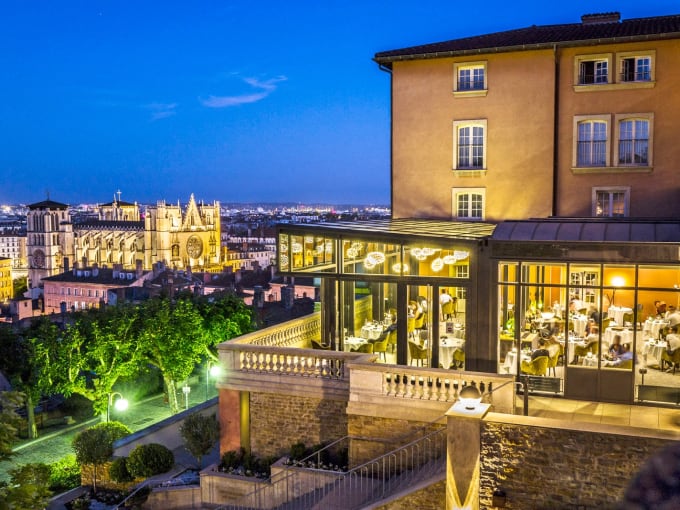
Parmi les trois hôtels retenus, Villa Maïa se distingue clairement comme le spa le plus abouti. L’adresse est installée sur la colline de Fourvière. Ce positionnement change déjà l’expérience du séjour. On revient ici après des montées, des escaliers et des journées très denses. Le spa, la piscine intérieure et l’approche générale du bien-être ont donc un rôle concret. Ce que nos conseillers observent, c’est une vraie cohérence entre le lieu, le rythme du quartier et la promesse de repos. On n’est pas dans un simple espace de remise en forme. On est dans un hôtel où la récupération fait partie du séjour. Pour un voyageur qui place le calme, la nage et les soins parmi ses priorités, c’est l’option la plus lisible de cette sélection.
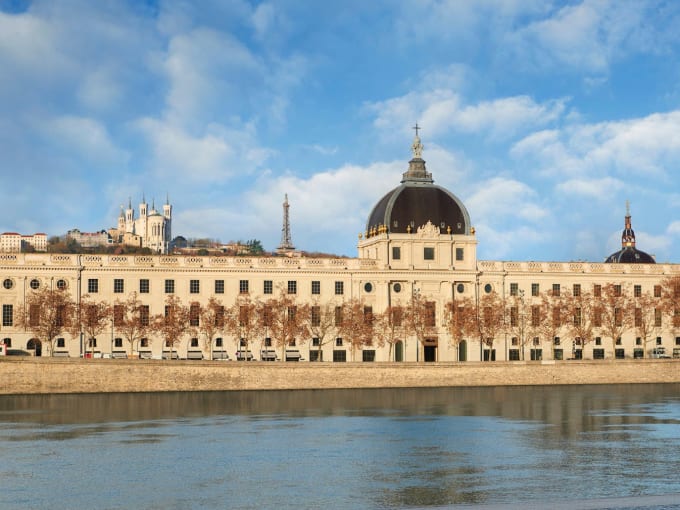
InterContinental Lyon - Hotel Dieu adopte une logique différente. L’hôtel bénéficie d’une implantation majeure, au sein du Grand Hôtel-Dieu, sur la Presqu’île. Le bâtiment, l’échelle des volumes et la vie du quartier créent une expérience très urbaine. Ici, l’intérêt d’un espace bien-être tient surtout à sa capacité à remettre le corps à niveau entre deux séquences lyonnaises. Après un dîner long, une journée de rendez-vous ou une marche soutenue le long du Rhône et de la Saône, disposer d’un spa dans un hôtel de cette taille est un avantage réel. Mon conseil, c’est de le voir comme un excellent complément à un séjour rythmé. Ce n’est pas forcément une destination bien-être à elle seule. En revanche, c’est un vrai confort dans un programme dense.
Boscolo Lyon Hotel & Spa se place justement sur cette ligne de crête entre spa de destination et refuge urbain très efficace. Son emplacement central facilite les allers-retours. Cela compte beaucoup à Lyon, où l’on alterne volontiers visites, shopping, rendez-vous et repas tardifs. Le fait d’avoir un spa et une piscine dans ce contexte donne une valeur d’usage immédiate. On peut rentrer, ralentir, récupérer, puis repartir dîner. C’est une adresse qui parle bien aux voyageurs qui veulent garder la ville à portée directe, sans renoncer au relâchement physique. Ce que nos conseillers apprécient ici, c’est cette lecture simple du luxe urbain. Le bien-être n’est pas séparé du séjour. Il l’accompagne de manière fluide.
Au fond, cette section permet surtout de hiérarchiser les attentes. Si le spa est un motif de réservation à part entière, Villa Maïa prend l’avantage. Si vous cherchez un grand hôtel 5 étoiles où le bien-être soutient une expérience patrimoniale et centrale, InterContinental Lyon - Hotel Dieu répond très bien au besoin. Si vous privilégiez un rythme de ville avec une vraie parenthèse aquatique et sensorielle, Boscolo Lyon Hotel & Spa est particulièrement pertinent. Dans une destination comme Lyon, cette nuance est importante. On vient rarement ici pour une retraite wellness pure. On vient pour marcher, voir, goûter et prolonger les soirées. C’est précisément pour cela qu’un bon spa change la qualité du séjour.
Les meilleures options pour un séjour à deux
Pour un séjour à deux à Lyon, le romantisme ne tient pas à une formule standard. Il naît d’un bon accord entre le lieu, le rythme du voyage et vos envies réelles. Certains couples veulent marcher jusqu’aux quais, dîner sur place, puis remonter dans une chambre feutrée. D’autres privilégient le calme, une vue structurante, ou un spa pour ralentir après la ville. Ce que nos conseillers observent souvent est simple. Une adresse dite centrale n’est pas toujours la plus juste pour un week-end à deux. Mieux vaut un hôtel cohérent avec votre programme. C’est souvent là que le séjour gagne en fluidité.
À Lyon, plusieurs éléments comptent davantage qu’on ne le croit. La qualité du lit arrive très haut. Elle conditionne le repos, mais aussi la sensation d’intimité. Le calme suit immédiatement. Une chambre élégante, mais exposée au bruit, perd vite de son intérêt pour un voyage en couple. La vue peut aussi changer la perception du séjour. Sur la Saône, sur le Rhône, sur les toits de la ville, ou face à un monument, elle donne un cadre. Le service du soir joue également un rôle discret, mais réel. Retourner dans une chambre préparée avec soin après le dîner crée une continuité appréciable. Enfin, la présence d’un bon restaurant sur place peut faire la différence. Elle évite un déplacement supplémentaire et permet de prolonger la soirée sans rupture.
Dans ce classement, trois profils ressortent particulièrement pour une escapade à deux. InterContinental Lyon - Hotel Dieu s’impose si vous cherchez une adresse spectaculaire, mais lisible. L’hôtel occupe l’Hôtel-Dieu, bâtiment emblématique sur les quais du Rhône. Ce cadre patrimonial donne immédiatement du relief au séjour. Pour un couple, l’intérêt tient aussi à la promenade. La Presqu’île se rejoint facilement à pied. Les berges offrent une vraie respiration. Le bar sous le Grand Dôme ajoute un moment fort, sans quitter l’hôtel. C’est une option très convaincante pour un week-end où l’on veut alterner balades, dîner en ville et retour dans un lieu qui a une présence. Villa Florentine, de son côté, répond à une autre attente. Située sur les hauteurs du Vieux Lyon, elle privilégie le recul, la vue et le calme relatif. Pour un séjour à deux, cette position compte beaucoup. On est proche du quartier historique, tout en gardant une sensation de retrait. La piscine et le spa renforcent cette logique. C’est une adresse à retenir si vous imaginez un voyage plus contemplatif, avec moins d’allers-retours et davantage de temps passé à l’hôtel.
Cour des Loges Lyon, A Radisson Collection Hotel, mérite aussi l’attention des couples attirés par l’atmosphère du Vieux Lyon. Son implantation dans ce quartier historique favorise les déambulations à pied, surtout en fin d’après-midi ou en soirée. Pour un séjour à deux, cette proximité immédiate avec les ruelles Renaissance change le tempo. On sort sans plan précis. On dîne à quelques minutes. On rentre rapidement. C’est un avantage très concret. L’expérience y repose davantage sur le caractère du lieu et sur l’ancrage urbain que sur l’effet panorama. Mon conseil est donc simple. Si vous voulez un séjour animé, avec de belles marches et un grand décor patrimonial, regardez d’abord InterContinental Lyon - Hotel Dieu. Si vous cherchez le calme, la vue et une parenthèse plus retirée, Villa Florentine est souvent le meilleur choix. Si votre idée du romantisme passe par le Vieux Lyon et ses parcours piétons, Cour des Loges Lyon, A Radisson Collection Hotel, a une vraie cohérence. À deux, cette cohérence compte plus que la promesse générale d’un grand hôtel.
Pourquoi ces trois hôtels se détachent
Ces trois hôtels se détachent parce qu’ils répondent à trois usages très lisibles du séjour lyonnais. C’est souvent là que se joue un bon choix. À Lyon, l’adresse la plus pertinente n’est pas toujours la plus démonstrative. Elle est celle qui place le bon voyageur dans le bon quartier, avec le bon niveau de service. Nos conseillers observent ce point très régulièrement. Entre Presqu’île, Vieux Lyon et quartiers d’affaires, la ville change vite de rythme. Un hôtel peut donc être excellent sur le papier, mais moins adapté à votre programme réel. Ici, les profils retenus couvrent les attentes les plus fréquentes. Week-end gastronomique, parenthèse bien-être, séjour culturel ou déplacement haut de gamme. Chacun a une logique claire, et c’est précisément ce qui les distingue.
Pour un week-end gastronomique ou culturel, InterContinental Lyon - Hotel Dieu fonctionne particulièrement bien. Son implantation dans le Grand Hôtel-Dieu donne immédiatement un ancrage fort au séjour. On est sur la Presqu’île, avec un accès simple aux quais, aux commerces et à plusieurs tables recherchées. L’adresse parle aussi aux voyageurs sensibles au patrimoine. Le bâtiment historique apporte une dimension architecturale rare, sans exiger de compromis sur le confort contemporain. C’est un hôtel qui convient bien à ceux qui veulent vivre Lyon à pied. Il s’adresse aussi aux voyageurs qui aiment un lobby habité, une adresse connue, et un service structuré. Mon conseil. Si votre programme mélange restaurants, shopping, musées et promenades urbaines, c’est souvent l’option la plus cohérente.
Pour une parenthèse bien-être ou un séjour à deux, Villa Maïa a un positionnement très différent. L’hôtel domine la ville depuis la colline de Fourvière. Cette situation change la perception de Lyon. On prend de la distance, du calme et une vraie respiration. Ce que nos conseillers retiennent souvent, c’est l’équilibre entre discrétion, vue et récupération. Après une journée de visites, cet avantage compte davantage qu’on ne l’imagine. Le spa et la piscine intérieure prennent ici tout leur sens. Ils ne sont pas un simple argument de brochure. Ils prolongent réellement le séjour. Villa Maïa convient donc aux voyageurs qui privilégient le repos, l’intimité et une expérience plus résidentielle. C’est aussi une très bonne réponse pour un couple qui veut Lyon sans agitation permanente.
Pour un déplacement haut de gamme, ou pour ceux qui recherchent une adresse contemporaine très lisible, Boscolo Lyon Hotel & Spa trouve sa place naturellement. Son emplacement central permet de relier facilement rendez-vous, restaurants et points d’intérêt. L’hôtel parle à une clientèle qui veut une base élégante, efficace et bien connectée. Le spa ajoute un vrai confort d’usage, surtout sur un séjour court. C’est un point important à Lyon, où les journées peuvent être denses. Boscolo convient aussi à ceux qui préfèrent une esthétique plus actuelle que patrimoniale. Le service y prend une forme fluide, adaptée aux voyageurs qui veulent aller vite sans renoncer au niveau attendu d’un 5 étoiles.
Au fond, ces trois hôtels se distinguent moins par une hiérarchie abstraite que par leur précision d’usage. InterContinental Lyon - Hotel Dieu pour l’énergie de la Presqu’île et la force du lieu. Villa Maïa pour le calme, la vue et la récupération. Boscolo Lyon Hotel & Spa pour l’efficacité centrale et le confort contemporain. À retenir. Le meilleur hôtel 5 étoiles de Lyon dépend rarement d’un seul critère. Il dépend du quartier, du rythme du voyage et de ce que vous attendez vraiment de vos journées. C’est exactement là que l’accompagnement du Concierge prend tout son sens.