Église réformée de l'Oratoire du Louvre
A Protestant church in Paris 1, the Oratoire du Louvre is worth visiting for its restrained interior, Reformed heritage, and location near the Louvre.
In pictures


About
The Oratoire du Louvre is a Protestant church on Rue Saint-Honoré, opposite the Louvre. It is one of the key Reformed landmarks in Paris. Its central setting makes it easy to include between the museum, Palais-Royal, and the river.
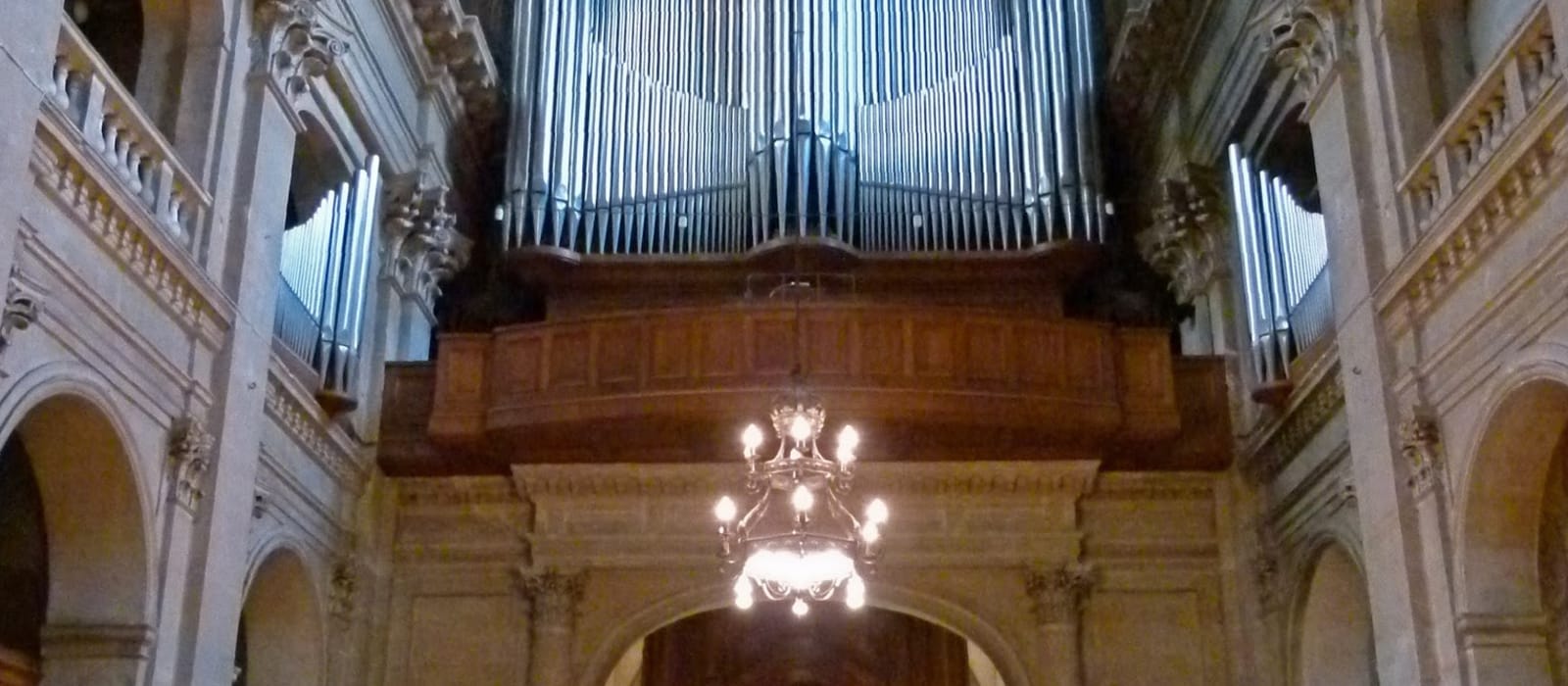
Visitors come for a calm, restrained interior. The atmosphere differs clearly from nearby Catholic churches. That contrast helps explain what “Reformed church” means in practice. The focus is less on images and ritual. It is more on preaching, listening, and the gathered community.
This is a useful stop for travelers interested in religious history, urban heritage, or quiet interiors. The visit is usually short. It works well as part of a walk through central Paris. It is wise to check access before you go. Services, rehearsals, or events may affect entry.
If you are looking for a Protestant church in Paris, this is a straightforward choice. In winter, pair it with the Louvre or covered passages nearby. In fair weather, continue on foot to Saint-Eustache or the Seine. That gives you a sharper sense of Parisian sacred spaces across traditions.
The Concierge's Tip
Plan this stop for late morning or mid-afternoon. The area is easier to navigate on foot then. Visit only if the church is open, and keep your timing flexible. A service or rehearsal may affect access. Pair the Oratoire with Palais-Royal first, then continue toward the Seine. In colder months, combine it with the Louvre for a smoother indoor route.
Ask the Concierge
Our Concierge arranges your visit: skip-the-line tickets, a private guide, off-hours access.
Ask the ConciergeFrequently asked questions
- What is the Oratoire du Louvre?
- The Oratoire du Louvre is a Protestant church in central Paris. It is associated with the Reformed tradition today. For visitors, it is both an active place of worship and an important Protestant landmark. Its location opposite the Louvre makes it easy to include in a cultural walk through the area.
- What does “Reformed church” mean?
- The term refers to a Protestant tradition shaped by the Reformation. In a Reformed church, the emphasis is often on scripture, preaching, and a restrained setting. For visitors, this usually means a simpler interior than in many Catholic churches in Paris, with fewer visual elements and a different liturgical atmosphere.
- What is the difference between a church and an oratory?
- In common usage, a church usually refers to a larger place of worship linked to a congregation or parish. An oratory can suggest a smaller prayer space. At the Oratoire du Louvre, the name is historical. In practical terms, visitors are entering a substantial Protestant place of worship in central Paris.
- How much time should I allow for a visit?
- This is usually a short stop. Around 15 to 30 minutes is often enough to take in the interior, understand its Reformed character, and enjoy the quieter atmosphere. If access is limited that day, your visit may be shorter. It pairs easily with the Louvre, Palais-Royal, or a walk along the Seine.
- When is the best time to visit the Oratoire du Louvre?
- The easiest time is outside worship services. Late morning or mid-afternoon often works best for a walk in this part of Paris. It is still wise to check access on the day. Services, rehearsals, or special events may change visiting conditions, even if the church is usually easy to reach.
- Is it suitable for families?
- Yes, if you want a calm and fairly short stop. It suits children best when they are comfortable in a quiet setting. You do not need to plan a long visit. The main interest lies in the atmosphere, the religious history, and the contrast with other sacred buildings in central Paris.
Hotels nearby
Our selection of extraordinary hotels a short walk from this place.