Carré Rive Gauche
Carré Rive Gauche on Paris Left Bank brings together antique dealers and galleries between Rue du Bac, Rue de Lille and Quai Voltaire.

In pictures


About
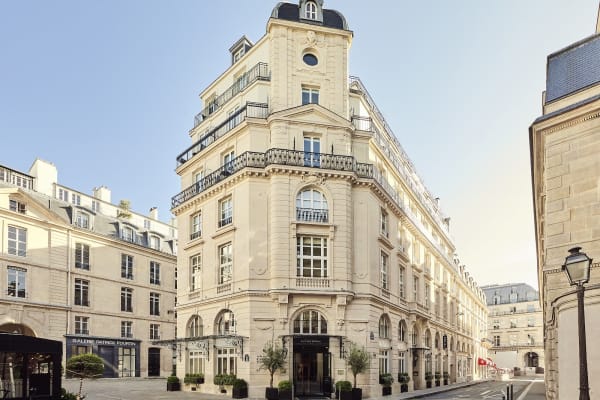
Carré Rive Gauche refers to a small area in Paris 7th arrondissement. It sits around Rue du Bac, Rue de Beaune, Rue de Lille and Quai Voltaire. People come here to explore the antique district on the Paris Left Bank. The mood is quiet, residential and shaped by decorative arts.
This part of rive gauche Paris matters because it shows another side of the city. The visit is best done on foot. Short stretches work well. Shopfronts, inner courtyards and street perspectives are part of the experience. Even if you are not buying, the walk still feels purposeful.
Carré Rive Gauche Paris pairs easily with other Left Bank visits. You can place it between two museums. It also works well at the end of a morning walk. From here, it is natural to continue toward Saint-Germain-des-Prés or along the Seine.
To visit it well, keep expectations practical. This is not a single monument with a fixed route. It is a neighborhood circuit. Some galleries may keep their own opening patterns. In cooler months, plan a shorter loop with a museum stop nearby. In fair weather, extend the walk along the river.
The Concierge's Tip
Start in late morning on Rue du Bac, then move toward Rue de Lille and Quai Voltaire. The area reads more clearly in that order. Wear comfortable shoes, as this is mainly a walking visit. If the weather turns, keep a nearby museum as a backup. In colder months, make it a shorter loop. In mild weather, continue on foot toward Saint-Germain-des-Prés or the river.
Ask the Concierge
Our Concierge arranges your visit: skip-the-line tickets, a private guide, off-hours access.
Ask the ConciergeFrequently asked questions
- What is the Left Bank in Paris?
- The Left Bank refers to the parts of Paris south of the Seine. Carré Rive Gauche belongs to it. It sits in the 7th arrondissement, in an area known for antique dealers, galleries and easy access to cultural landmarks. For visitors, it often feels quieter than central shopping districts and works especially well for walking.
- Where exactly is Carré Rive Gauche?
- Carré Rive Gauche is on the Paris Left Bank, in the 7th arrondissement. It is structured around Rue du Bac, Rue de Beaune, Rue de Lille and Quai Voltaire. The easiest way to approach it is as a compact street circuit, not as one single landmark with one entrance.
- What is the name of Paris's antique district?
- In this part of the 7th arrondissement, the name most often used is Carré Rive Gauche. It is also described as the antique district of Paris 7. It is not a separate administrative quarter. It is a cluster of streets known for antique dealers, galleries and decorative arts.
- What can you visit around Carré Rive Gauche?
- Carré Rive Gauche works well as part of a wider Left Bank day. You can combine it with nearby museums, a walk along the Seine or time in Saint-Germain-des-Prés. That flexibility is part of its appeal. It moves naturally from antique-lined streets to cultural stops and river views.
- How much time should you allow for Carré Rive Gauche?
- Allow roughly forty-five minutes to ninety minutes, depending on your pace. If you enjoy browsing shopfronts and taking small detours, give it longer. This is not a museum visit with a fixed route. The timing depends mostly on how much you want to wander and which streets you include.
- When is the best time to explore this area?
- Late morning and early afternoon are usually the easiest times for this kind of neighborhood walk. Daylight helps with façades, windows and street detail. Weekdays can feel more even in rhythm. In wet or cold weather, it is wise to pair the walk with a nearby indoor cultural stop.
- Is Carré Rive Gauche suitable for families?
- Yes, if you treat it as a short and flexible walk. The area is mainly about strolling, looking and stopping when needed. It suits children who are comfortable with a calm urban walk. For very young children, keep the route simple and avoid planning too many streets in one go.
Hotels nearby
Our selection of extraordinary hotels a short walk from this place.