Bespoke itineraries
Masai Mara, Sabi Sands, Cape Town 12-day aventure luxe itinerary
- 12 days
- Masai Mara, Sabi Sands, Cape Town · KE
- Luxury
A 12-day luxe itinerary in Masai Mara, Sabi Sands, Cape Town. Concierge timings, luxury hotels, aventure, nature highlights, and verified bookable addresses.
This 12-day Kenya and South Africa itinerary unfolds across three stops, pairing Mara Plains Camp with Royal Malewane before ending at Mount Nelson in Cape Town. The pace is measured. Two safari chapters set the tempo, then four nights in the city give the trip room to breathe. Expect roughly €24,000 to €34,000 total per person, including international flights and private logistics, depending on season and suite category. July and August work best for this routing, but the Nairobi–Johannesburg–Hoedspruit air connection needs tight timing and early ticketing. One detail worth handling early: at Royal Malewane, ask specifically for Lelapa Suite 8 if you want the heated private pool and rooftop star bed option. The rooftop setup is shared between several suites and usually goes quickly in July. In the Mara, contact camp the previous evening around 7 pm. Guides track herd movement late in the day and brief residents before dawn.
What is the best 12-day itinerary for Masai Mara, Sabi Sands, Cape Town?
12 days in Masai Mara, Sabi Sands, and Cape Town for a luxury profile. Day 1: Grande Migration, Mara River crossings, Triangle Masai Mara. Day 2: Big Five Sabi Sands, leopard tracking, private Kruger reserve. Day 3: Table Mountain, Cape Peninsula, Franschhoek and Stellenbosch. Base at Mara Plains Camp, then Royal Malewane, then Mount Nelson. Best in summer, especially July-October. Updated May 2026.
The itinerary, step by step
Each step combines an exceptional hotel, a tested timing and our on-site recommendations.
- Day 1
Days 1-4: Masai Mara — Great Migration and Kenyan savanna
- Masai Mara — Kenya
- Stay duration: 4 days
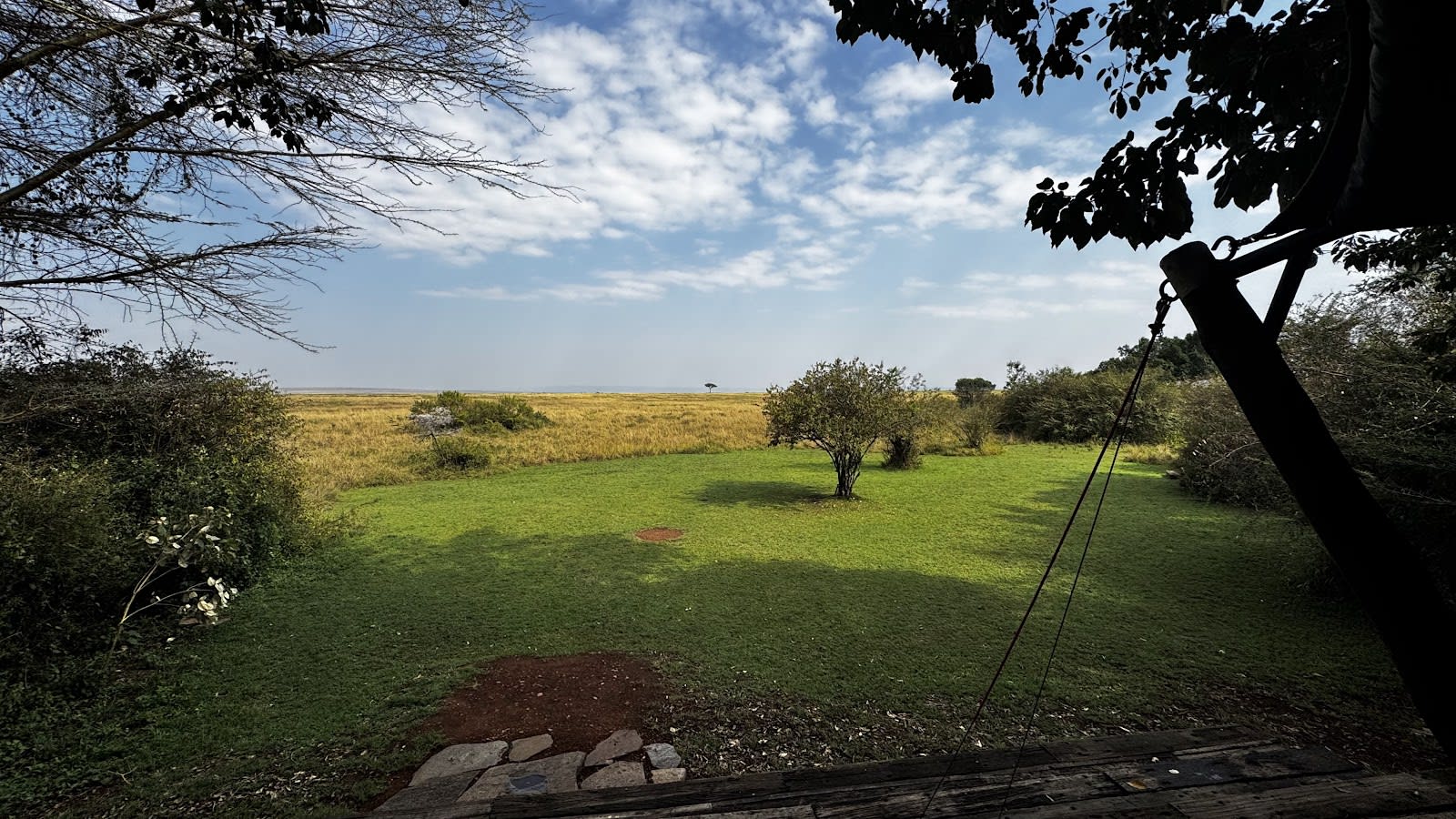
Masai Mara is best lived at dawn, when the grass is still heavy and the Mara River feels close to the surface. From Nairobi, Mara Plains Camp is reached by direct flight, about 45 minutes to the airstrip, then a 4x4 transfer. Over four days, keep two clear rhythms: a game drive before sunrise, back to camp for the midday heat, then another outing from late afternoon to dusk. Between July and October, the Great Migration shapes the stay, but the crossing on the Mara River remains unpredictable. The Masai Mara Triangle often concentrates the action, and access is smoother if the camp positions you early. If you want a Maasai village visit, ask for a slot outside safari departure times, so it does not feel rushed. At Mara Plains Camp, ask the concierge for the most open verandah if you want to sleep under the stars, depending on weather and safety. For meals, prefer a private dinner in camp after the evening drive, or a bush breakfast confirmed the day before, based on game movement. My advice: for the Mara crossing, contact the camp the night before. The guides track the wildebeest late in the afternoon and alert residents very early, around 4:30.
Things to see / do
- Grande Migration (juillet-octobre)
- Rivière Mara (crossing)
- Triangle Masai Mara
- Cultures Maasaï
- Day 2
Days 5-8: Sabi Sands — Big Five, leopards and bush walks
- Sabi Sands — Afrique du Sud
- Stay duration: 4 days
Sabi Sands changes the pace. Less distance, more tracking, and a rare closeness to leopards. From Kenya, plan for Nairobi–Johannesburg–Hoedspruit, then a transfer to Royal Malewane. Over four days, alternate 4x4 drives at dawn and dusk with a morning bush walk, always with a certified ranger. This private reserve, adjacent to Kruger, allows tight follow-up on sightings, especially the Big Five. Here, leopard is not a vague promise. Sabi Sands is the reference for density and for the quality of tracking. Ask for a very early departure on day two, once the teams have already consolidated the night’s reports. At Royal Malewane, the room to flag without hesitation is Lelapa Suite n°8. It has a private heated pool facing the savanna. Also ask for the star bed on the roof when you book. It is shared across several suites and goes quickly in July. For dinner, keep the lodge meal after the evening drive, then reserve a boma dinner if the weather holds; the fire-side placement should be confirmed in advance. My advice: if leopards are the goal, ask the concierge for a vehicle already briefed on the active sectors from the previous day, not a generic outing.
Things to see / do
- Big Five Sabi Sands
- Léopards Sabi (densité unique)
- Réserve privée adjacente Kruger
- Bush walk accompagné
- Day 3
Days 9-12: Cape Town — Table Mountain, Winelands and peninsula
- Cape Town
- Stay duration: 4 days
Cape Town adds an urban pause, with logistics that need to be sequenced carefully between mountain, peninsula, and vineyards. From Mount Nelson, Belmond, in Gardens, you are well placed to structure the days without wasting time. Take the Table Mountain cable car at 8:30 a.m. to avoid the queue and the late-morning wind; check opening status the evening before, because conditions change fast. Dedicate one full day to the Cape Peninsula: leave early for Boulders Beach to see the penguins before the crowds, then continue to Cape of Good Hope in Table Mountain National Park, before returning via Chapman’s Peak if the road is open. Robben Island must be booked several days ahead, with departures subject to sea conditions. Keep another day for the Winelands. Franschhoek and Stellenbosch work well together, with lunch at La Petite Colombe, Michelin 1-star in the guide’s international selection, booked on the first seating to keep the afternoon free. At Mount Nelson, ask for a quiet room facing the gardens and secure afternoon tea at 2:30 p.m., which is heavily requested on weekends. My advice: for Table Mountain, ask the concierge to check the weather hour by hour and pre-purchase the tickets; the real gain is the time slot, not the length of the visit.
Things to see / do
- Table Mountain
- Péninsule du Cap (Cap de Bonne-Espérance)
- Winelands (Franschhoek, Stellenbosch)
- Robben Island
Frequently asked questions
1. When is the best time to go on safari in Kenya?
For Kenya, the most reliable safari window runs from July to October. That is the strongest period for the Masai Mara and for river crossing activity. For crossings, ask your camp the night before. Guides usually track the herds in late afternoon and confirm plans around 4:30 a.m. January and February are also strong, with dry light and fewer vehicles. April and May are generally wetter. Updated May 2026.
2. What is the difference between the Masai Mara and Sabi Sands for a safari?
The Masai Mara is about scale. Wide plains, large herds, and a more mobile rhythm, especially from July to October. Sabi Sands is about proximity. Leopard sightings there are often more consistent, with highly precise guiding on a private reserve. The pairing works very well over 12 days. Mara Plains Camp is ideal for reading the landscape. Royal Malewane sharpens the close-range safari experience. Ask for Lelapa Suite 8 if you want a private heated plunge pool facing the bush.
3. Which are the best luxury lodges for an African safari?
On this route, three addresses stand out for clear reasons. Mara Plains Camp in the Masai Mara is strong for access and guiding. Royal Malewane, part of The Royal Portfolio, is one of the key names in Sabi Sands, with tightly run service. Mount Nelson in Cape Town closes the trip with smooth city logistics. At Royal Malewane, request Lelapa Suite 8. The rooftop star bed must be asked for explicitly and sells out quickly in July because it is shared.
4. What budget should you plan for a 12-day luxury Kenya and South Africa safari?
For a 12-day luxury trip, plan roughly EUR 18,000 to EUR 32,000 per person including taxes, with long-haul international flights usually extra depending on season and cabin. That range often covers 4 nights in the Masai Mara, 4 nights in Sabi Sands, 3 nights in Cape Town, regional flights, transfers, and full board on safari. July to October pushes rates higher. A signature suite, such as Lelapa Suite 8 at Royal Malewane, can raise the total further.
5. How do you travel between Kenya and South Africa on this itinerary?
The smoothest plan mixes bush flights with regional long-haul air links. From the Masai Mara, you usually fly by light aircraft to Nairobi, then connect to Johannesburg. From there, continue to Skukuza or Hoedspruit for Sabi Sands. Cape Town is then an easy domestic flight from Johannesburg or, in some routings, from Hoedspruit. Leave real buffer time between separate tickets. Three hours is a sensible minimum in Nairobi and Johannesburg, especially with checked luggage.
6. Can you see the Great Migration in the Masai Mara all year round?
No. The Great Migration is not visible in the Masai Mara with the same intensity all year. The most sought-after period is generally July to October, depending on rainfall patterns. River crossings remain unpredictable even in peak season. The useful move is practical rather than theoretical. Contact your camp the night before. Guides track the herds in late afternoon and may wake guests around 4:30 a.m. if a strong crossing window opens. Updated May 2026.
7. Is Cape Town safe for French travellers?
Yes, with the same discipline you would use in any large city. Hotel areas such as Gardens, the V&A Waterfront, and Constantia are usually the easiest to manage. Avoid walking alone at night, even for short distances that look easy on a map. Use a driver or a reliable ride app after dinner. At Mount Nelson, ask for an early departure to Table Mountain. Queues build quickly after 8 a.m., and petty theft risk rises around waiting areas.
8. Which vaccinations are needed for Kenya and South Africa?
You should review your standard vaccination record before travel. For Kenya, common travel vaccines are often discussed with a travel medicine clinic, depending on your exact routing. Yellow fever may be required if you are arriving from a country with transmission risk. South Africa is often simpler on that specific point. The safest approach is a consultation 6 to 8 weeks before departure. Also ask for tailored advice on malaria prevention for your safari areas.
9. Do French travellers need a visa for Kenya and South Africa?
Rules do change, so check close to departure. For Kenya, French travellers should confirm the current entry formality before travel, as the framework has shifted in recent years. For South Africa, short tourist stays are often simpler for holders of a French passport, but the exact rule should still be verified for your travel dates. Also check passport validity, blank pages, and any rules for minors. Always confirm on official consular websites.
10. Can you combine safari with a beach stay in Zanzibar or Mozambique?
Yes, very easily. After the Masai Mara or Sabi Sands, Zanzibar works well for 4 to 5 nights if you want warm water and relatively straightforward flights via Nairobi or Johannesburg. Mozambique suits a slower pace, often with fewer beach-to-beach moves once you arrive. On a 12-day trip, I would usually keep either Cape Town or one beach extension, not both. Otherwise, flight time starts to eat too heavily into the useful part of the journey.