In the Netherlands, the Relais & Châteaux label takes on a distinctive tone. It is expressed not only through opulence but also through the coherence of a property. Here, one seeks a venue that tells a story of its location, a table that showcases the local territory, and a welcome that maintains a human scale. This is precisely what makes this selection so relevant for a charming weekend, a gastronomic interlude, or a romantic getaway. Spanning Maastricht, Valkenburg aan de Geul, Gouda, Voorburg, Texel, and the wooded landscapes of Leuvenum, these six hotels create an alternative map of the country. A map of historic residences, preserved estates, and addresses where one comes as much to dine as to sleep. Notably, this Dutch segment captivates with its discretion, precision, and attention to detail.
To establish this ranking, MyConciergeHotel relies on clear and verifiable criteria. The first is membership in the Relais & Châteaux label, which already implies a high standard regarding the identity of the property, the quality of hospitality, and the importance of gastronomy. We then observe the uniqueness of the setting. A castle, an old hospice, a country house, or an island address does not offer the same experience. We also consider the destination. Some properties lend themselves to a cultural escape, while others are ideal for a retreat in nature. Finally, we assess the overall coherence. A fine dining experience is, of course, important, but it must harmonise with the rooms, communal spaces, and the rhythm of the stay. My advice: read this Top as a selection of profiles, not as a fixed hierarchy.
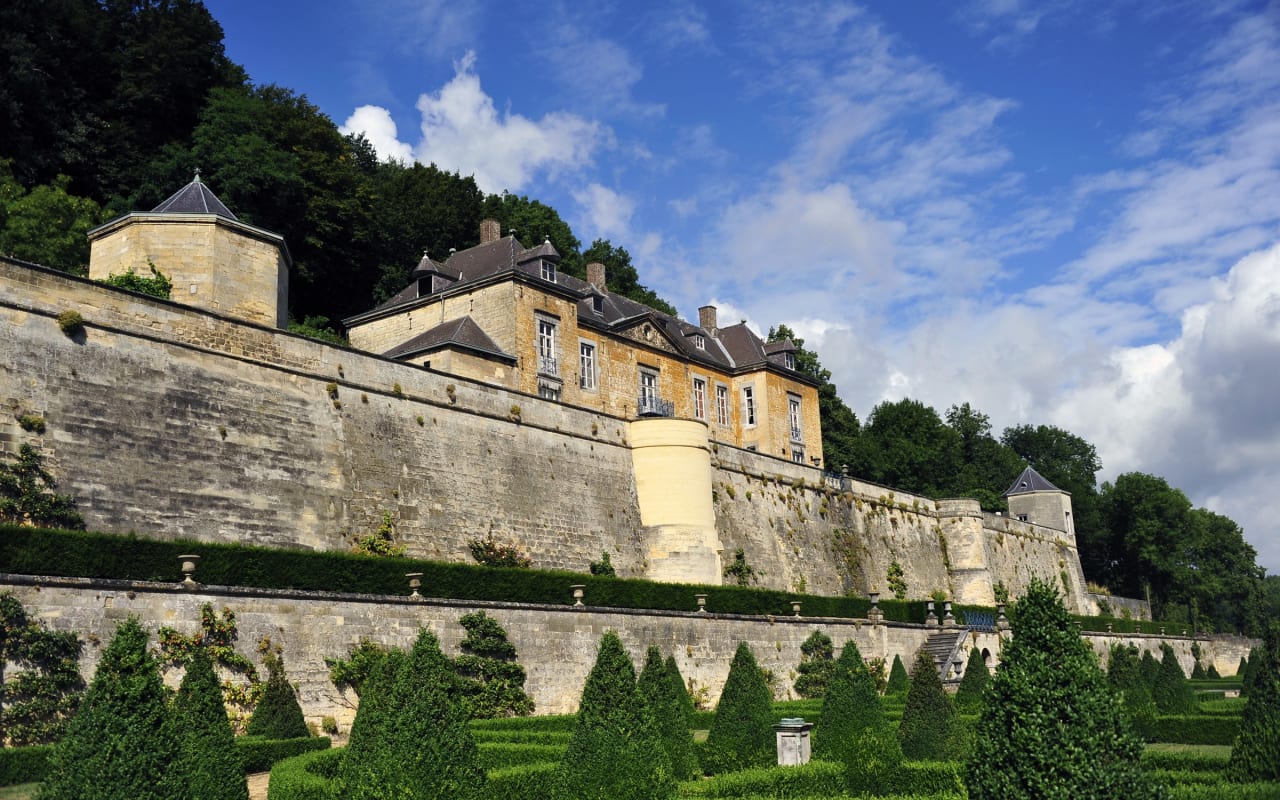
The panorama is remarkably varied for a limited number of addresses. Château Neercanne in Maastricht offers the most immediately recognisable heritage dimension. Hôtel Château St. Gerlach in Valkenburg aan de Geul places the experience within a broader historical estate. Hôtel Bij Jef in Den Hoorn-Texel shifts the focus to an island and a more direct connection to the local terroir. Landgoed Hotel Het Roode Koper in Leuvenum appeals to travellers who prioritise nature and tranquillity. Hôtel Central Park Voorburg, on the outskirts of The Hague, caters to a more urban and residential logic. Finally, Hôtel Weeshuis Gouda reminds us how the Netherlands excels at transforming an old building into a contemporary address with character. What our advisors observe is this Dutch ability to blend heritage, simplicity, and comfort without unnecessary display.
For 2025 and 2026, several trends enhance the appeal of these properties. The first is the return of short yet intense stays. Travellers desire an accessible destination, a dinner that justifies the journey, and a setting that extends the experience into the following day. The second trend is the focus on local. In the Netherlands, this translates to seasonal products, local sourcing, and a more nuanced understanding of terroirs, including those that are insular or forested. The third trend concerns personalised hospitality. In these independent houses, service seeks accuracy rather than effect. Finally, heritage is reclaiming a central place. Sleeping in a castle, an old estate, or a reinvented building responds to a desire for meaning. In this perspective, the six selected hotels are particularly well-positioned for couples' trips, discreet celebrations, or gastronomic interludes.
This selection also embodies a notion of luxury that naturally appeals to a French clientele. Not a luxury of display, but a luxury of composition. A fine table, yes, but also the right light, a well-maintained garden, genuine silence, and a room designed to endure. Relais & Châteaux has always championed this approach to embodied hospitality. In the Netherlands, it takes a more restrained form, often more domestic, sometimes almost confidential. This is what makes these addresses charming. They do not seek to impose a uniform narrative. They allow the place to speak. In Maastricht or Valkenburg aan de Geul, history structures the experience. In Texel, it is insularity. In Leuvenum, it is nature. In Gouda and Voorburg, it is the dialogue between heritage and contemporary life. My advice: first choose the desired atmosphere, then the table.
As always at MyConciergeHotel, this ranking is not intended to award abstract points. It serves to guide a choice. The number one is not necessarily the best for everyone. A couple seeking heritage and gastronomy will have different expectations than a traveller prioritising forest tranquillity, or a guest wishing to combine fine dining with easy access from the major cities of western Netherlands. This is why we avoid empty superlatives. Each selected property possesses a clear legitimacy. The label, the setting, the destination, and the spirit of service underpin its place here. Some impress with their historical grounding. Others convince with their intimacy. Still others with their relationship to the landscape. The key to reading this Top is to identify the property that corresponds most closely to your needs.
Now, let’s move on to the ranking. You will find six Dutch Relais & Châteaux that each embody, in their own way, the idea of an exceptional house with a gastronomic table.