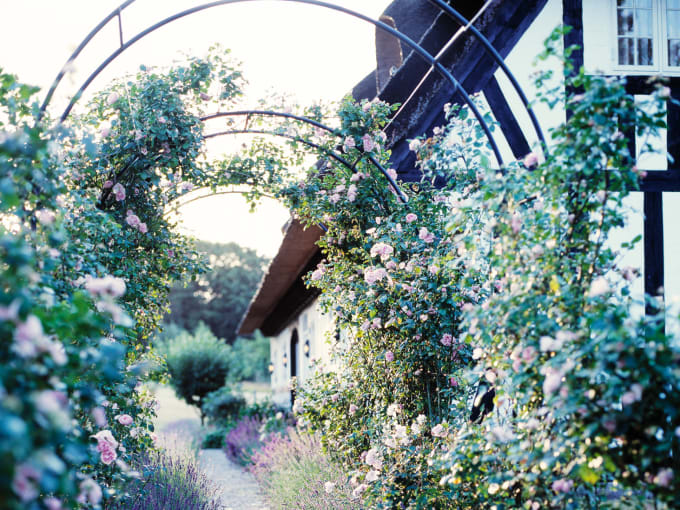
In Denmark, the Relais & Châteaux label holds a unique significance. It is not merely a collection of prestigious addresses; rather, it offers a perspective on the country through its establishments. This selection features three properties that encapsulate a particular vision of Danish travel: Dyvig Badehotel in Nordborg, Hotel Dragsholm Slot in Hørve, and Hotel Falsled Kro in Millinge. Each belongs to a specific geography and presents a distinct relationship with the landscape, the dining experience, and the concept of time. For a French traveller or an international guest with an appreciation for characterful homes, Denmark offers a more understated luxury here. It emphasises a human scale, quality hospitality, and a sense of detail that is rooted in the location rather than ostentation.
At MyConciergeHotel, we do not compile such rankings based solely on reputation. We first examine the coherence between the Relais & Châteaux label and the actual experience offered. This includes the identity of the establishment, its heritage grounding, the quality of accommodation, and the role of gastronomy in the stay. We also consider the clarity of the experience. A grand hotel may impress without necessarily being suitable for a romantic weekend. Conversely, a more intimate address can provide a rare authenticity. Our advisors pay attention to the rhythm of the place, the relationship to the territory, the consistency of service, and a property's ability to transform a simple stay into a destination. This is particularly true in a country where discretion is as valued as signature style.
The Danish panorama painted by these three hotels is more varied than it may seem. Dyvig Badehotel evokes the shoreline, changing light, and the spirit of a refined seaside retreat. Hotel Dragsholm Slot introduces another depth, that of a historic castle, with the narrative strength that an ancient residence brings to the contemporary hotel landscape. Finally, Hotel Falsled Kro speaks more of a high-end inn, chosen countryside, and a tradition of hospitality that places the dining experience at its centre. This trio encapsulates the uniqueness of Danish hospitality. There are fewer grand urban palaces than in other European countries, but there are homes where architecture, nearby nature, and cuisine combine to create a complete stay. It is worth noting this rare density of meaning within often intimate settings.
For 2025 and 2026, several trends are reinforcing interest in this segment. Firstly, gastronomic travel is shifting, sometimes moving away from capitals to seek out homes rooted in their environments. Denmark responds well to this expectation. Secondly, the demand for short yet well-structured stays is on the rise. A long weekend must now combine relaxation, serious dining, and a clear setting. These three Relais & Châteaux fit this logic. We also observe a stronger expectation around living heritage. Travellers want to understand where they sleep, what they eat, and what the place reveals about the country. Finally, the notion of luxury is evolving, becoming less ostentatious and more contextual. A view of the water, a well-maintained historic residence, or a characterful dining room can weigh more heavily than an accumulation of amenities.
This perspective aligns, in a certain way, with a very French idea of hotel luxury. It is not a uniform model but a demand for individuality. The Relais & Châteaux label is precisely based on this promise: an independent residence, a clear personality, and hospitality that does not succumb to standardisation. In Denmark, this philosophy finds a natural home. The relationship to design, light, silence, and materials is longstanding. However, what interests us here is how these hotels transform this culture into a hospitality experience. Service often gains in sobriety, gastronomy engages with local terroir, and heritage is not treated as a static backdrop. My advice for such addresses is to conceive the stay as a complete sequence. One visits as much to inhabit a place as to spend the night there.
It is also essential to approach this ranking methodically. A number one does not diminish the qualities of number two or number three. Each property meets a different expectation. Some travellers will favour the strength of a historic setting, while others will seek a more immediate connection to the sea or countryside. Still others will book primarily for the dining experience, then for the room. Our role is not to create artificial distinctions but to rank excellent experiences according to a clear editorial line. Here, we have favoured a balance between hotel character, gastronomic credibility, and the desire for a destination. What our advisors often observe is that a successful Relais & Châteaux is not merely a beautiful address; it should inspire a desire to organise the journey around it, rather than the other way around.
In the following top list, you will find three ways to experience Denmark with style and precision. One looks to the water, another draws on the depth of history, and the third cultivates the spirit of a grand gastronomic inn. Three homes, three rhythms, and a shared standard.