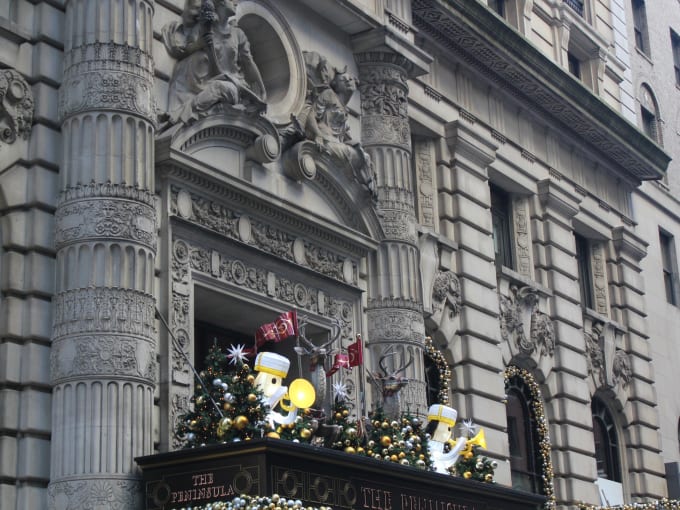
Speaking of The Peninsula is to evoke a very specific idea of the grand international hotel. The HSH group has built this identity around a flagship: The Peninsula Hong Kong, which opened in 1928. Since then, the brand has developed a recognisable language, evident in its afternoon tea, the meticulously structured service, and its long-standing relationship with business clientele. This is also reflected in iconic symbols, such as the fleet of Peninsula green Rolls-Royce Phantoms and the helicopter on the roof of Hong Kong. However, to reduce The Peninsula to these symbols would be overly simplistic. What is truly interesting here is the overall coherence. Paris, Tokyo, Chicago, Istanbul, London, New York, Shanghai, Bangkok, Beijing, and Manila each tell a local variation of the story. The common thread remains the same, combining hotel tradition, in-room technology, strategic location, and a sense of ritual.
In establishing this Top 10, we do not seek mere headlines. We consider clear, comparable, and useful criteria for the discerning traveller. First, the historical weight of each address within its market. The Peninsula Hong Kong and The Peninsula Paris do not hold the same symbolic place. Next, the strength of the location. A hotel of this calibre must simplify the city, bringing together appointments, cultural districts, and moments of respite. We also take into account the quality of the essential facilities. The spa, pool, family suites, meeting spaces, and dining options are all significant. The reputation of the in-room technology also plays a role. Finally, our advisors observe the consistency of service, which is often where loyalty is forged. A great brand is recognised less by its ostentation than by its regularity.
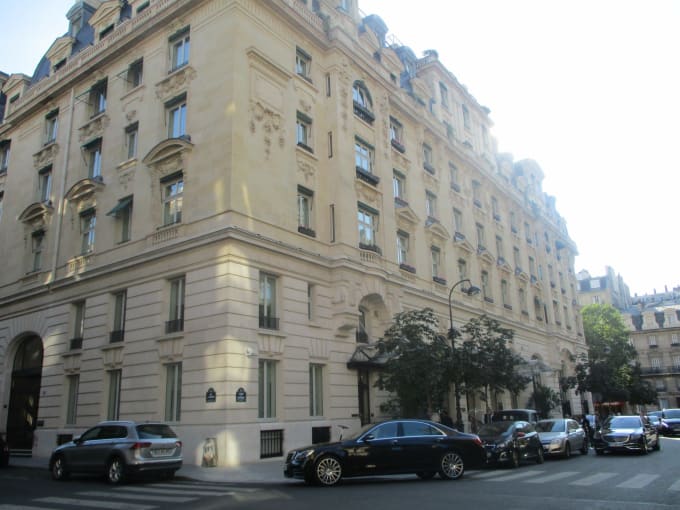
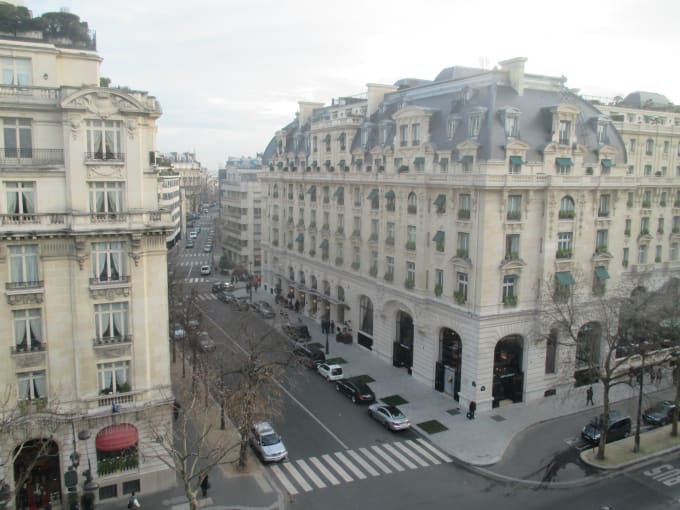
The Peninsula panorama is more diverse than it appears. In Hong Kong, the historic address remains a landmark for travellers wishing to experience the city from its waterfront. In Tokyo, the positioning appeals equally to executives and families accustomed to seamless urban stays. In Paris, the Palace embraces a highly refined luxury in a district that connects shopping, business, and monuments. In Chicago and New York, the brand fits into a North American interpretation of the grand hotel, with direct, efficient, and highly international service. In Istanbul, the recent opening has strengthened the group's presence along a major cultural axis. Shanghai, Beijing, Bangkok, and Manila extend this geography, with each address catering to different needs. This is precisely what makes the ranking interesting.
For 2025 and 2026, several trends reinforce the relevance of The Peninsula. The first concerns high-end business clientele. They travel less frequently than before but expect more from each trip. The hotel must become a precision tool, requiring a simple arrival, highly functional rooms, impeccable connectivity, and spaces that can transition from work to relaxation. The second trend is the return of multigenerational travel. Wealthy families seek addresses capable of accommodating various rhythms of stay. The spa, pool, connecting suites, and service security become crucial. The third movement is the value of ritual. Afternoon tea, iconic transfers, highly structured concierge services, and attention to detail are becoming strong markers once again. In a market saturated with images, the memory of the stay matters more than the display.
There is also, at Peninsula, a discreet affinity with a certain idea of French luxury. Not a uniform decorative style, but rather a way of organising the experience. True luxury, for our team, is not about accumulation; it is about clarity. A frictionless arrival, a room designed to be immediately understood, a service that anticipates without being intrusive, and a spa that is not merely a commercial argument but a genuine space for recovery. The Peninsula Paris exemplifies this interpretation, engaging in dialogue with the brand's historical DNA without merely copying it. The Peninsula London follows a different logic, translating the Peninsula grammar in a capital where hotel ceremonial remains central. My advice is simple: pay less attention to the façade images and more to how each hotel organises your time.
This ranking should therefore be read without a reflex for superlatives. The number one hotel is not the ideal choice for everyone. A loyal traveller in Hong Kong may seek the historic icon, while a family might prefer Tokyo or Bangkok for the fluidity of their stay. A Paris regular will appreciate the combination of Palace, location, and service, while a highly mobile corporate profile may sometimes choose Chicago, New York, or London for their urban efficiency. What our advisors observe is a hierarchy of uses rather than an abstract hierarchy. We value the hotels that best embody the Peninsula promise, which includes brand identity, service consistency, and the clarity of the experience. Yet each address retains its personality, which is good news; a strong collection does not need to homogenise to be recognised.
Finally, there remains the question of myth. Why does The Peninsula continue to occupy such a special place in the luxury travel imagination? Because the brand has managed to preserve ancient codes while investing in very contemporary expectations. The green Rolls-Royce is not just an accessory; it encapsulates a vision of travel. The helicopter on the roof of Hong Kong is not merely spectacular; it reminds us that a grand hotel can be both an infrastructure and a setting. Afternoon tea is not just a photogenic tradition; it is a perfectly readable social rite that embeds the stay in memory. It is important to remember that The Peninsula is not merely a chain of urban palaces; it is a school of service, with its signatures, loyal patrons, and nuances. Here are the ten addresses that best embody this promise.