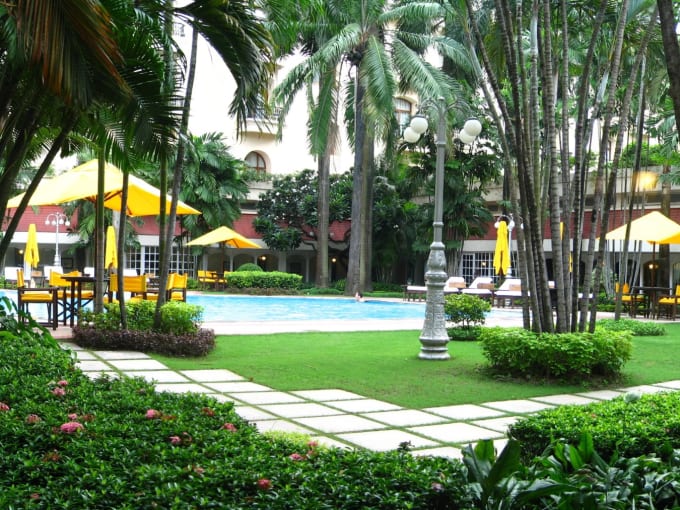
In the realm of luxury hospitality, few names evoke such precise expectations as The Oberoi. The Indian group occupies a unique position, bridging a highly codified tradition of hospitality with a contemporary interpretation of comfort. For our travellers, this promise is not abstract; it manifests in stays where every detail seems anticipated. It is also reflected in addresses that have become landmarks. The Oberoi Amarvilas, Agra, The Oberoi Rajvilas, Jaipur, The Oberoi Udaivilas, Udaipur, The Oberoi Vanyavilas Wildlife Resort, Ranthambhore, and The Oberoi, Mumbai, together form a coherent ensemble. Here, one encounters the India of palaces, gardens, safaris, and bustling metropolises. It is important to note that this ranking speaks as much to service as it does to sensitive geography.
At MyConciergeHotel, we do not rank a reputation alone. We first observe the consistency of execution, which matters more than a fleeting novelty. We then consider the strength of the location. An address can stand out for its view, its setting, its architecture, or its relationship with the landscape. We also assess the clarity of the experience. A great hotel knows for whom it exists; it does not seek to please indiscriminately. In the case of Oberoi, several criteria consistently emerge. Personalised service, mastery of emotionally charged stays, and the balance between intimacy and staging are central. Our advisors also consider the relevance for a honeymoon, a first trip to India, or a more ambitious palace circuit.
The panorama presented here showcases the breadth of the Oberoi language without diluting it. In Agra, Amarvilas stands out for a simple and rare element: the view of the Taj Mahal structures the entire experience. In Udaipur, Udaivilas evokes another emotion, that of a lakeside palace inspired by Rajput heritage, with a strong connection to water and perspectives. In Jaipur, Rajvilas offers a more grounded, garden-like, almost introspective interpretation. In Ranthambhore, Vanyavilas shifts luxury towards the safari, with a direct relationship to nature. Finally, The Oberoi, Mumbai, reminds us that the brand also speaks the language of a great city. This top five does not oppose resorts and urban palaces; it demonstrates a shared standard, expressed in very different contexts.
The trends for 2025 and 2026 further enhance the appeal of this selection. The high-end clientele is seeking less accumulation and more coherence. They desire smoother stays, better scripted yet never rigid. They also look for hotels capable of accommodating multiple rhythms. Deep relaxation, private celebration, cultural discovery, and seamless logistics must coexist. The Oberoi addresses meet this expectation well. They can host a honeymoon as easily as a more structured heritage itinerary. They are also suitable for travellers who wish to experience India without sacrificing a high predictability of service. What our advisors observe is a growing demand for combinations. Udaipur, Jaipur, Agra, and Ranthambhore thus form a particularly clear sequence, with Mumbai as an entry or exit point.
There exists a real affinity between the Oberoi spirit and a certain French idea of luxury, rooted in restraint. True luxury is not measured solely by the size of a suite or the number of amenities; it is measured by the quality of time afforded to the traveller. A timely welcome, a room ready at the right moment, a dinner thoughtfully aligned with the rhythm of the stay, or discreet attention after a long transfer often outweigh a demonstrative decor. Oberoi excels in this silent choreography. The Rajput or Mughal architecture, the gardens, the pools, the views, and the Oberoi spas create a setting. However, the setting is never enough. My advice for appreciating this collection is to observe how each hotel orchestrates serenity. It is often here that the lasting difference lies.
This ranking should therefore be read without the reflex of a definitive podium. The first does not negate the fifth; each address responds to a distinct desire. Amarvilas speaks to travellers who wish to imprint the Taj Mahal in their memory from the moment they wake. Udaivilas suits those seeking a palatial, theatrical yet highly controlled India. Rajvilas will charm those who appreciate balance, gardens, and a well-lived Jaipur. Vanyavilas appeals to those who seek the thrill of the safari without sacrificing the comfort of a grand resort. Finally, The Oberoi, Mumbai, offers an urban solution for business travellers, elegant stopovers, or stays that combine economic capital with heritage itineraries. We are not seeking a universal winner; we are seeking the right address for the right traveller at the right time.
Why does The Oberoi so often rank among the most cherished groups in the world by discerning travellers? The answer lies in a form of cultural precision. The group does not merely sell rooms; it stages a highly refined Indian hospitality without forced folklore. Refined Indian cuisine finds its place here, as do the wellness rituals of the Oberoi spas. Absolute intimacy, often sought by couples, does not exclude the grandeur of the decor. This is an important point. Many hotels know how to impress, but fewer know how to reassure, guide, simplify, and personalise with such consistency. In a luxury market that has become very verbose, Oberoi retains a rare quality. It places the traveller at the centre, rather than the brand's staging.
Now, let us turn to the top five. We have designed it as a decision-making tool, helping to distinguish the view, the style of stay, and the type of emotion sought.