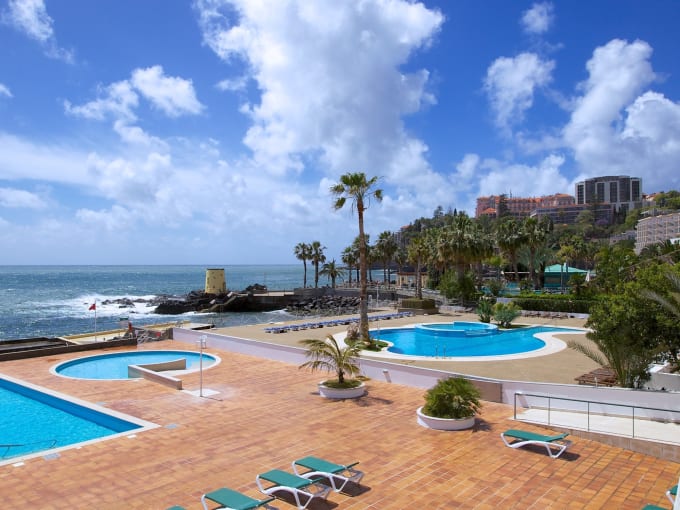
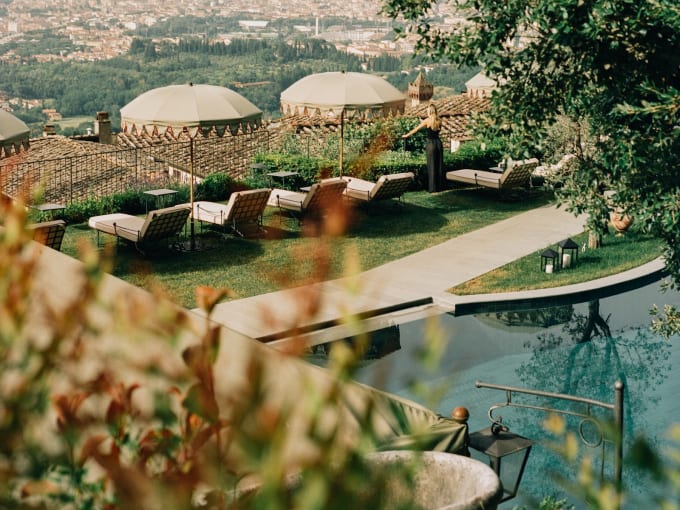
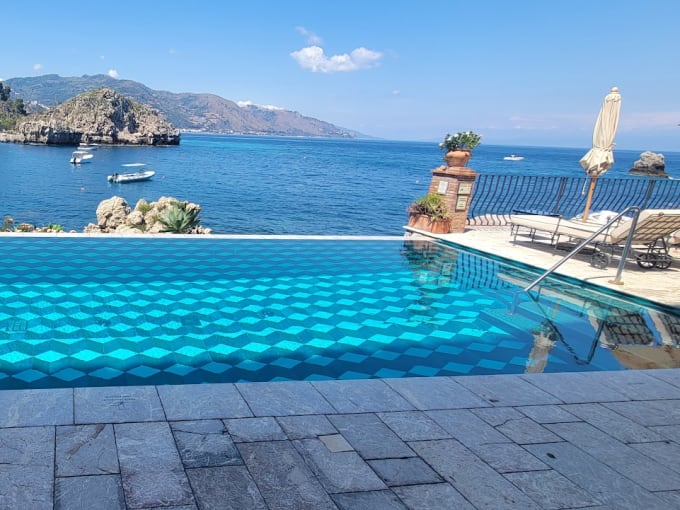
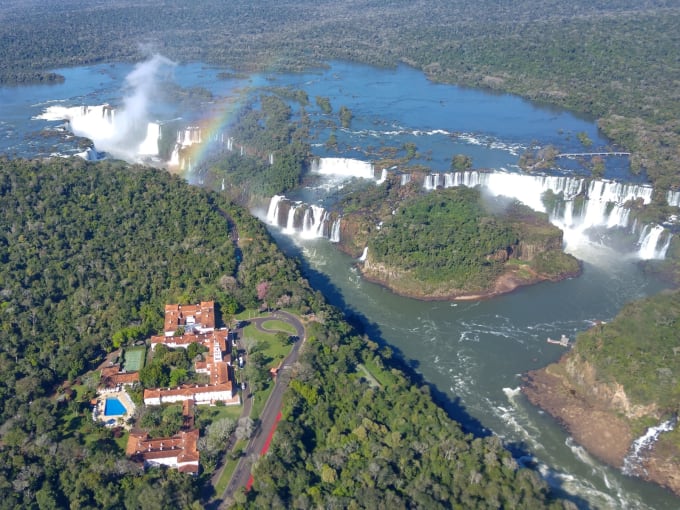
Since 2019, Belmond has been part of LVMH, a move that has enhanced the visibility of an already unique collection. It connects historic hotels, seaside resorts, and travel experiences. The Orient-Express heritage remains central to the brand's identity, evoking travel as a ritual rather than mere logistics. In hospitality, this concept translates into rooted addresses, often situated in rare locations that were coveted even before the era of global luxury. Belmond Hotel Cipriani in Venice, Belmond Caruso in Ravello, Belmond Reid's Palace in Madeira, and Belmond Cap Juluca in Anguilla exemplify this grammar. They offer views, a sense of memory, and an international clientele accustomed to characterful establishments. It is important to note that Belmond does not sell a uniform style; rather, the collection offers a way of travelling where the address is as significant as the journey itself.
To establish this ranking, we adhere to clear editorial criteria. Firstly, the strength of the location. A Belmond hotel convinces when its setting creates an immediate experience, as seen facing the Venetian lagoon, atop Ravello, or in front of the Iguaçu Falls. Secondly, we consider the heritage significance. Some hotels have become landmarks in their destinations, while others serve as gateways to their regions. We also incorporate service consistency, the brand's international reputation, and the ability to provide a complete stay, including gardens, views, access, outdoor spaces, and the interpretation of the site. Our advisors also observe consistency; in this segment, the emphasis is not on the announcement effect but on the regularity of the experience from season to season.
The panorama of this ranking reveals a rare diversity. Venice and Portofino embody the most recognised façade of the portfolio. Ravello, Florence, Taormina, and the Amalfi Coast extend this sought-after Italian holiday experience for our clientele. Madeira adds a British dimension, with a tradition of long stays and Atlantic gardens. In the Caribbean, Anguilla and Saint Martin cater to a quest for beach, space, and discretion. In Asia, Bali offers a more tropical and relaxed interpretation. In South America, the portfolio takes on a different depth, with Cusco, the Sacred Valley, Machu Picchu, Lima, the Colca Canyon, and Iguaçu composing a travel geography. My advice is to read this selection as a map of the Belmond world, linking holiday stays, cultural stops, and exploratory addresses.
For 2025 and 2026, several trends are reinforcing the appeal of this collection. The first is the return of narrative-driven travel. Clients are seeking hotels that tell a place's story, not just an aesthetic. Belmond is well positioned in this regard. The second trend concerns combined itineraries. We are seeing more requests that link multiple properties of the same brand, which is appealing as it simplifies expectations. A stay can thus connect Venice, Tuscany, and Sicily, or combine Lima, Cusco, and Machu Picchu. The third trend relates to the brand's mobile experiences. Belmond's luxury trains, such as the Venice Simplon-Orient-Express and the Eastern & Oriental Express, enrich the overall image. The river cruises Afloat in France and Road to Mandalay extend this culture of composed travel. Even without ranking them here, they illuminate the coherence of the whole.
What distinguishes Belmond in the luxury realm is a cultivated sense of hospitality that is neither cold nor ostentatious. It draws from British tradition the sense of ritual and continuity, while also embracing a Mediterranean sensibility that is more attuned to the landscape and the rhythms of the day. At MyConciergeHotel, we pay close attention to this blend. It appeals to a wealthy international clientele as well as to collectors of addresses. Many seek not a spectacular setting but a hotel that understands its location and its purpose. Belmond Caruso, Belmond Hotel Cipriani, Belmond Villa San Michele, and Belmond Grand Hotel Timeo each meet this expectation, albeit with different styles. Our advisors note the loyalty of regular guests, which remains a more reliable indicator than any marketing discourse.
This ranking should also be viewed without a reflex for superlatives. A number one does not negate the relevance of number ten. Each property serves a specific purpose; some are ideal for a first stay in a major destination, while others are better suited for travellers already familiar with the area. A seaside resort does not have the same mission as a historic hotel in a city centre. A lodge providing access to Machu Picchu cannot be judged like a Florentine villa with a view. We have therefore prioritised the iconic, brand coherence, and enduring desirability. We have not sought to oppose styles; Belmond La Samanna, Belmond Jimbaran Puri, and Belmond Las Casitas each have their audience, which is loyal and often very informed. My advice is to choose first according to the desired travel rhythm. The right hotel is one that supports your project, not one that shouts the loudest.
The following top list brings together fifteen Belmond signatures. Some are institutions, while others serve as gateways to significant landscapes. All have contributed to establishing the brand among the world's references for high-end travel.