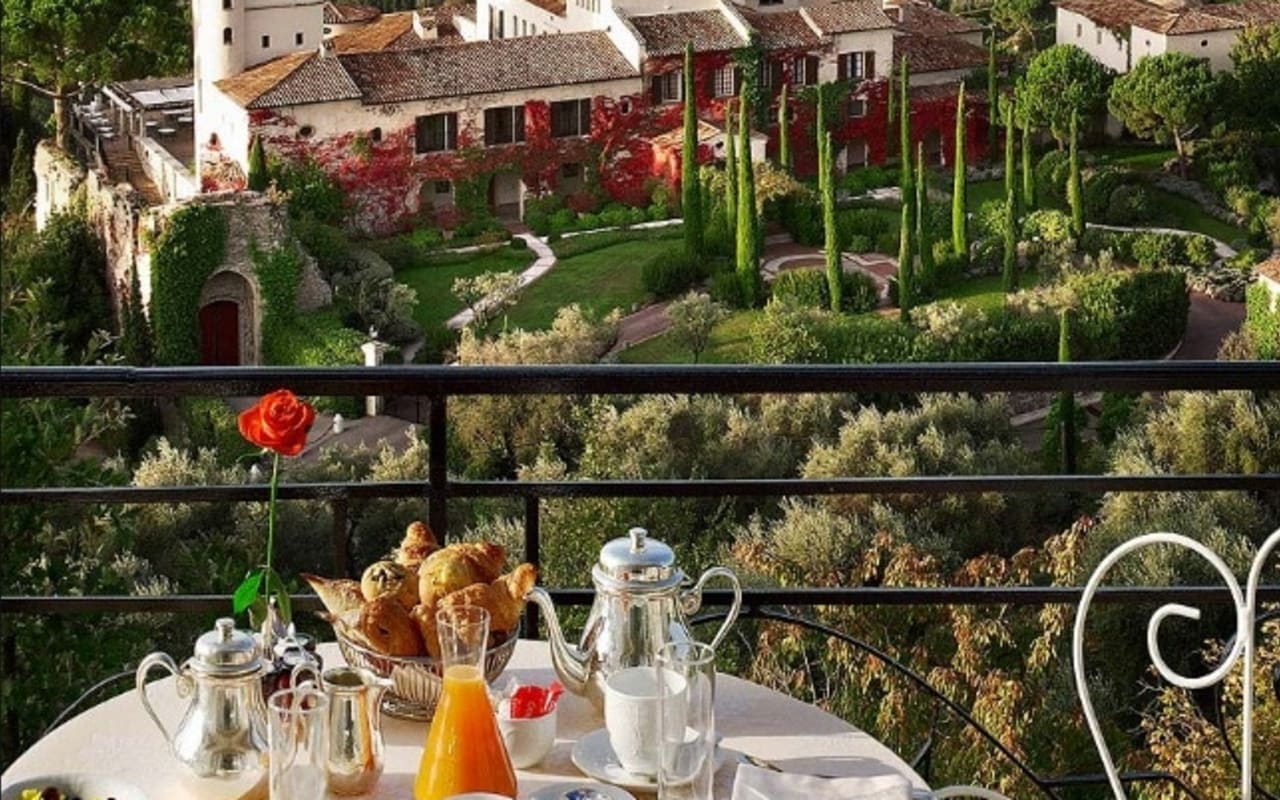
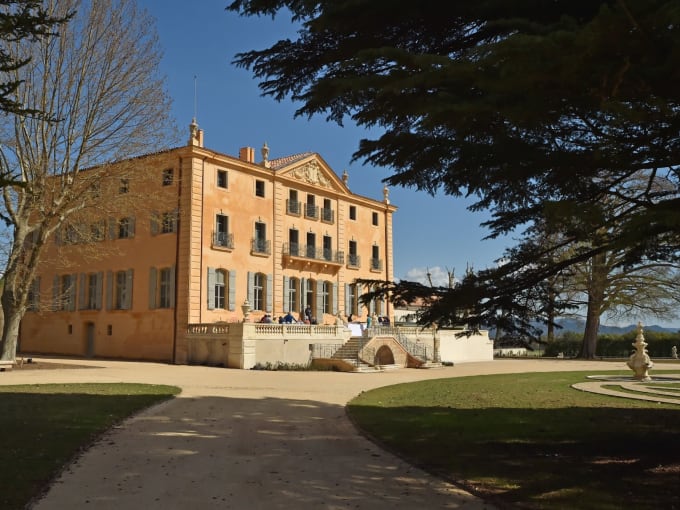
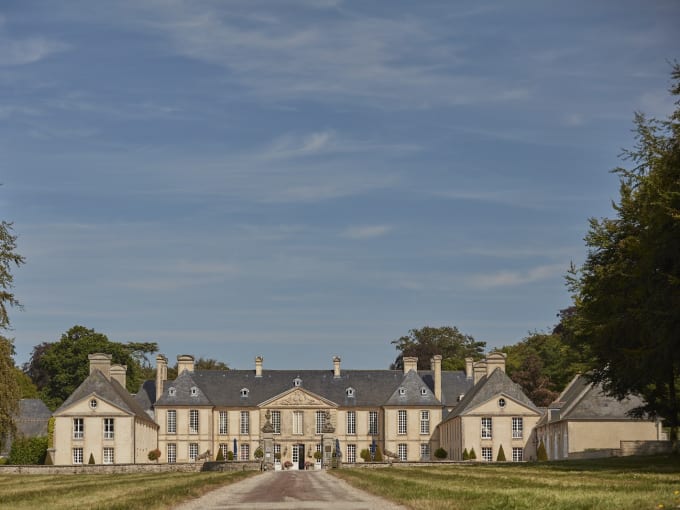
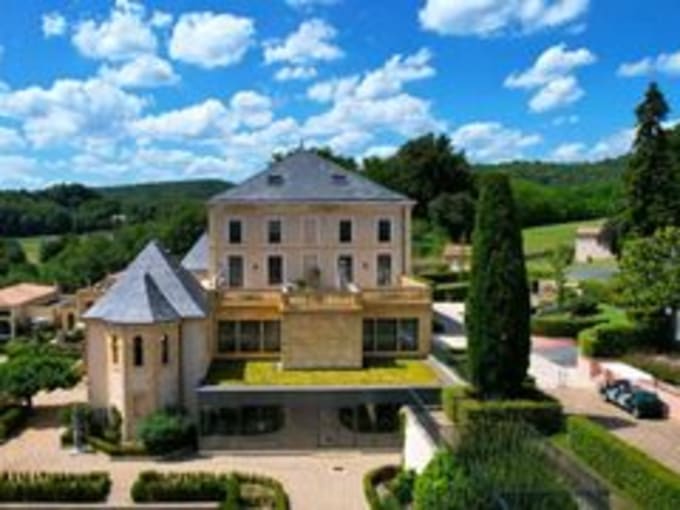
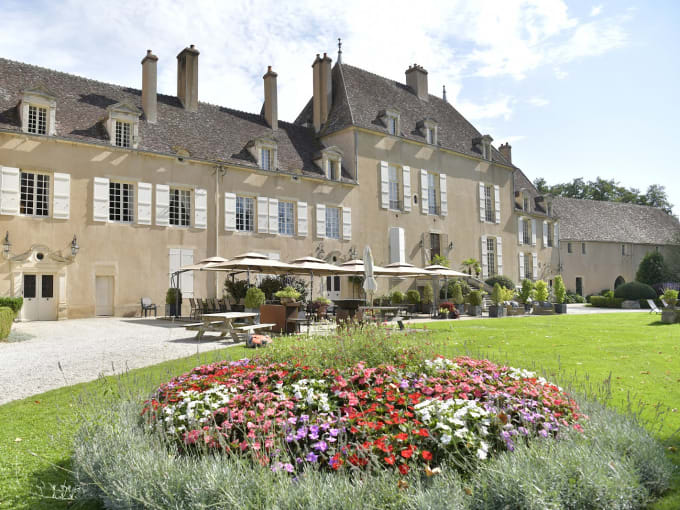
In France, the château-hotel holds a unique place in the travel imagination. It transcends the realm of luxury hospitality, embodying a concept of territory, built memory, and the stay as a situated experience. Sleeping in a château is not merely ticking a heritage box; it is choosing a location where architecture, gardens, views, and the rhythm of the surroundings matter just as much as the room itself. This category remains particularly French in its density and diversity. From Provence to the Loire Valley, Anjou, the Basque Country, Alsace, or Languedoc, it tells multiple stories of France. It ranges from grand classical estates to more intimate residences, taking the form of a Palace like Airelles Saint-Tropez Château de la Messardière or Château Saint-Martin & Spa, or expressed through five-star establishments with a strong regional identity.
To establish this ranking, we are not seeking sensationalism. We first observe concrete and verifiable elements: the hotel’s status, category, reputation, the coherence between the architecture and the experience offered, as well as the strength of the setting. We also consider a place's ability to embody the idea of a château-hotel today. A château may impress with its history but lack hotel clarity, while a more recent address may successfully reinterpret the genre. Our advisors pay attention to the location, the relationship to the landscape, the balance between heritage and contemporary comfort, as well as the consistency of the promise. It is also important to note that beauty is never limited to the façade; it is perceived in the arrival, perspectives, materials, and the sense of obviousness.
The French panorama is more varied than one might imagine. In the South, Château de Berne, Château de Fonscolombe, and Château Capitoul illustrate three distinct interpretations of the vineyard or Provençal estate. In Saint-Tropez, Airelles Saint-Tropez Château de la Messardière introduces the Palace dimension within a grand holiday setting. In Vence, Château Saint-Martin & Spa recalls the ancient link between the Riviera and aristocratic residences. Further north, the Loire Valley maintains a natural legitimacy with Château d'Artigny and Château Belmont Tours, two very different approaches to the château stay. Anjou, with Château de l'Épinay, offers a more vegetal and subdued idea. Alsace is represented by Château d’Isenbourg & Spa. The Basque Country stands out with Brindos, Lac & Château. And Languedoc asserts a more liberated personality with Château & Village Castigno. This ranking thus does not tell a single style; it juxtaposes several aesthetic families.
For 2025 and 2026, several trends are confirmed in this category. The first concerns the relationship to the estate. The château-hotel is no longer just a remarkable building; it becomes an ecosystem for stays. Travellers expect a lively park, clear views, calm activities, sometimes a vineyard, often a spa, and always a sense of space. The second trend relates to the use of heritage. The most relevant establishments do not freeze the decor; they make the place habitable without turning it into a museum. The third concerns intimacy. Even in large addresses, the demand is for more fluid, less ceremonial, and more personalised experiences. Our advisors also observe a return to a luxury of breathing space. One chooses a château to slow down, to distance oneself from saturated centres, and to rediscover a form of elegance that is less ostentatious.
French luxury in a château-hotel is never merely about show. It rests on more subtle codes: a well-designed arrival avenue, a façade that interacts with the local light, a lounge where one immediately understands the era of the place, and a room that does not erase history but adapts it to contemporary use. In Provence, this can be reflected in the relationship between bastide, gardens, and horizon. In the Loire Valley, through a certain idea of classical composition. In Alsace, through integration into the vineyard and the landscape. In the South-West, through a more liberated interpretation of the château as a landscape refuge. My advice when reading this type of selection is to look beyond the prestige of the name. Ask yourself which France you wish to inhabit for two or three nights; it is often there that the right choice is made.
It is also important to clarify how to read a ranking dedicated to the most beautiful château-hotels in France. Beauty is not an absolute; it depends on the relationship sought with heritage, nature, the sea, wine, silence, or social life. Some travellers favour monumentality, while others prefer a more discreet house, better anchored in its landscape. A Palace does not necessarily overshadow a more intimate address; it simply offers a different scale of service and staging. This is why we avoid hollow superlatives. Each hotel selected here has its audience, its tempo, and its definition of a successful stay. Our role is to prioritise credible experiences, not to homogenise very different places. The best address will therefore be the one that corresponds to your way of travelling, your season, and the type of interlude you seek.
Now, let us present our Top 12. You will find destination châteaux, country retreats, holiday estates, and some well-established signatures. All share one essential quality: they provide a form of stay that urban hotels cannot offer.