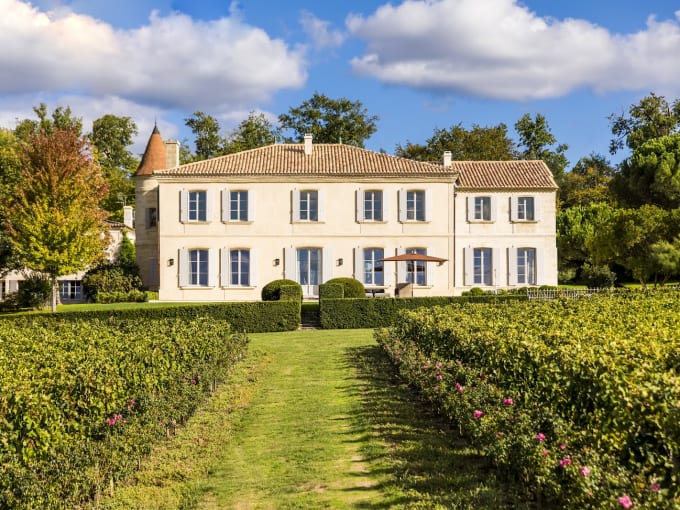
In Bordeaux, a vineyard hotel is not merely a place to stay; it extends a geography, a culture of the land, and a French notion of hospitality. Here, sleeping amidst the vines alters the rhythm of travel. One does not simply visit a region; one enters a landscape shaped over centuries, with gravel, limestone, and meticulously maintained rows. This is what makes this segment so unique. Between Martillac, Saint-Émilion, and Pauillac, the selected addresses tell different stories of Bordeaux. Some are situated in immediate proximity to the cellars, while others converse with the hills, classified villages, or the grand routes of the Médoc. All provide access to a more embodied experience of the vineyard.
To establish this ranking, we do not seek mere publicity. We first consider the relevance of the wine-growing connection. A hotel can be excellent without fully meeting this promise. Here, the link to the vineyard must be clear, tangible, and sustainable. We also assess the overall hotel standard, which includes the category, the reputation of the establishment, the perceived quality of the setting, and the coherence of the experience. Official distinctions matter, especially when an address is designated as a Palace. However, they are not sufficient on their own. What our advisors primarily observe is the balance between location, atmosphere, access to the estates, comfort of stay, and the ability to convey Bordeaux in a way that transcends a mere tasting.
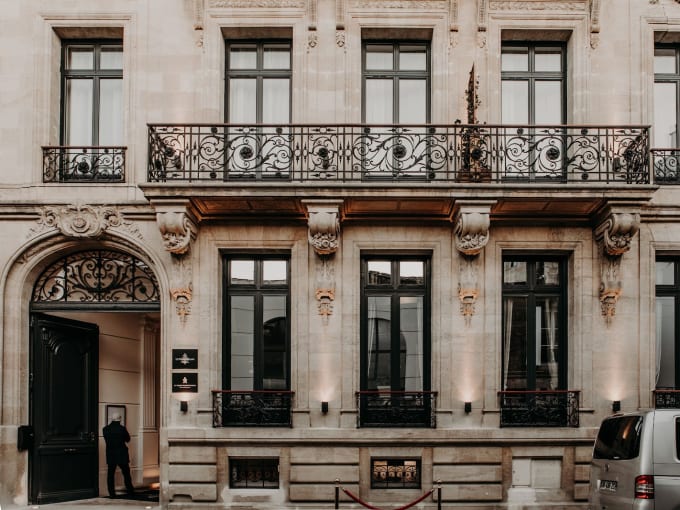
The Bordeaux landscape is more varied than one might imagine. Les Sources de Caudalie, in Martillac, embodies a contemporary take on staying in the vines, with a strong connection to the Graves landscape. In Saint-Émilion, Badon Boutique Hotel, Château Troplong Mondot, Château-Hôtel Grand Barrail, and Hôtel de Pavie showcase several facets of the same territory. One moves from a village address to a property facing the hills, from a grand château-hotel to a more urban establishment. In Pauillac, Hôtel Château Cordeillan-Bages opens the door to the Médoc and a different relationship with wine, one that is more linear and Atlantic. Even Le Palais Gallien Bordeaux, located in the city, reminds us that a wine-related stay can also begin with a very high-end urban base before radiating outwards to the appellations.
For 2025 and 2026, we see a more precise expectation emerging among travellers. The mere postcard scenery is no longer sufficient. Guests wish to understand where they are sleeping, on what terroir, at what distance from the properties, and in what silence. They seek stays that are more transparent, with less artifice and more meaning. The vineyard becomes a setting for immersion, not just a visual backdrop. Another clear trend is the long stay. Bordeaux lends itself less to a quick passage than to a more leisurely experience. Two or three nights finally allow for a connection between Saint-Émilion, the Graves, or Pauillac without reducing the experience to a series of appointments. My advice is simple. Choosing a vineyard hotel here often equates to selecting a rhythm, a dominant landscape, and a way to engage with wine.
French luxury in the vineyards of Bordeaux rarely rests on ostentation. It is expressed instead through precision. A beautiful view of the rows, architecture that respects the site, service that understands the tempo of the stay, and a table that speaks the local language without folklore. It is also a matter of measure. In this region, elegance is more convincing when it allows the territory to shine. The best addresses know how to channel attention towards the essentials: the evening light on the vines, the proximity of a historic village, easy access to a well-thought-out tasting, and the feeling of being at just the right distance from Bordeaux, without succumbing to its urban pace. It is worth noting that the true privilege is not complete isolation; it is the balance between comfort, wine culture, and the depth of the place.
Thus, this ranking should be read as a curated selection, not as an absolute verdict. Each hotel serves a different purpose. Some will be better suited for a first stay in Bordeaux. Others will appeal more to travellers who are already familiar with the appellations and wish to refine their base. An address in Saint-Émilion does not offer the same experience as a house in Martillac or Pauillac. The landscape, distances, atmosphere, and even the light change. We are not comparing interchangeable hotels; we are contrasting distinct ways of experiencing the vineyard. This is why a hotel deeply rooted in the vines may precede a more urban address, even if it is prestigious. Conversely, a city house can retain its relevance to methodically radiate across multiple terroirs.
In the following Top 7, you will find hotels that share a clear commonality. They allow you to experience Bordeaux through its vineyards, rather than alongside them. Some are almost within the rows. Others serve as strategic gateways to the appellations. All deserve the attention of a traveller who wishes to connect hospitality, landscape, and wine culture.