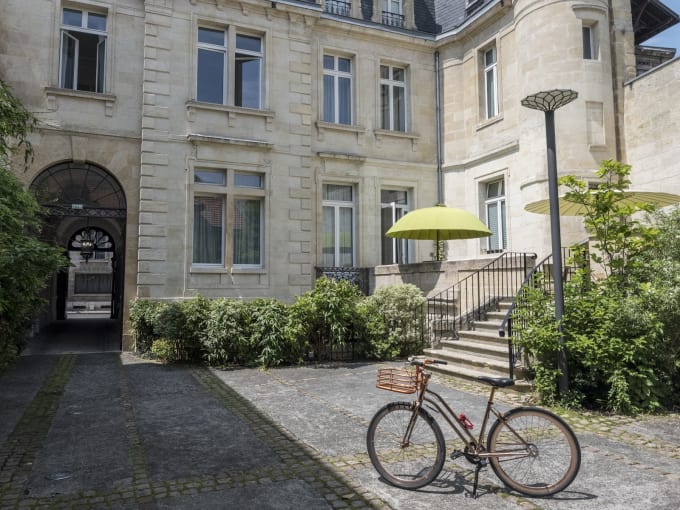
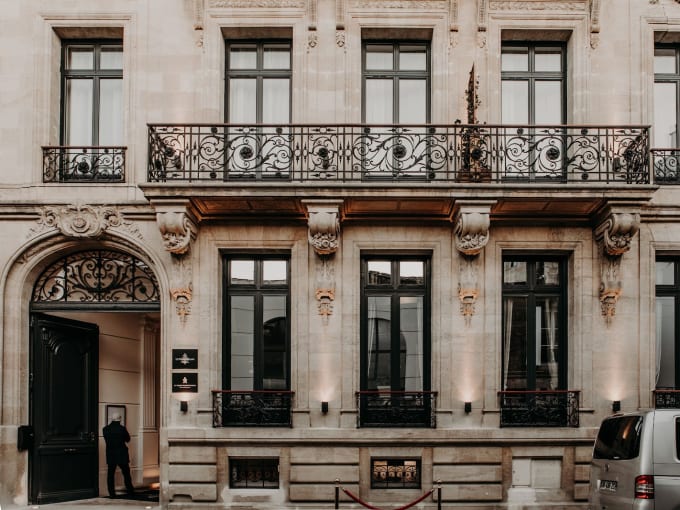
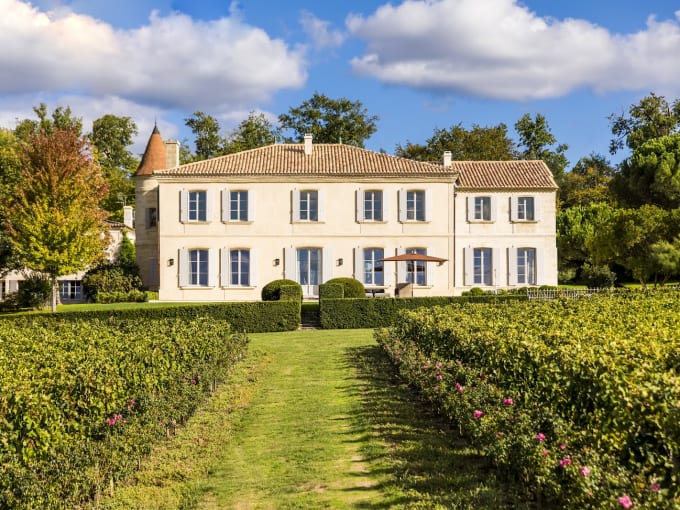
Bordeaux provides a unique canvas for design hotels. The city blends classical façades, urban rehabilitation, a wine culture, and a French flair for understated staging. In this context, hotel design transcends mere decoration; it becomes a way of experiencing the destination. It orchestrates light, materials, flow, and the relationship with heritage. This is precisely what makes this ranking valuable. In Bordeaux, a design hotel can manifest as a very contemporary urban address, or take the form of a more intimate residence, or even a grand hotel that reinterprets its codes. Our advisors consistently observe one point: travellers seek less the spectacular effect than an overall coherence.
To establish this Top 8, we adhered to a strict editorial reading based on visible and verifiable elements. First, the quality of the overall aesthetic project. Then, the relationship between architecture, interior decoration, and the actual use of spaces. We also consider the hotel's location within its neighbourhood, the clarity of design choices, the quality of volumes, and the ability of a hotel to offer a contemporary experience without sacrificing comfort. Service matters, but it does not overshadow the subject. Here, design remains the primary lens. We also took into account the diversity of formats. A palace on the wine-growing outskirts tells a different story than a boutique hotel in the city centre. Yet both can be highly relevant in a design selection.
The Bordeaux landscape is richer than it appears. Mondrian Bordeaux Les Carmes embodies an international vision of hotel design in a neighbourhood that is firmly establishing itself. Burdigala by Inwood Hotels offers a more subdued urban elegance, designed for a fluid use of the city. YNDO Hotel advocates a more domestic, almost collector-like approach, where objects and materials engage in dialogue with intimacy. The Palais Gallien Bordeaux, on the other hand, combines classical elements with contemporary codes, featuring a more theatrical expression. Outside the city limits, Les Sources de Caudalie demonstrates how a grand hotel can articulate landscape, architecture, and well-being without resorting to overt displays. In Saint-Émilion, Badon Boutique Hotel, Château Troplong Mondot, and Château-Hôtel Grand Barrail further broaden the spectrum, balancing characterful homes, wine estates, and château hotels.
For 2025 and 2026, several trends are emerging in this region. The first concerns the return of tactile materials. Wood, stone, thick textiles, ceramics, and leather are taking precedence over overly smooth decorative effects. The second relates to scale. Many travellers now favour places where design genuinely enhances their stay. This involves better thought-out rooms, more liveable common spaces, and improved acoustics. We also observe a strong expectation for contextual design. In clear terms, clients want to feel Bordeaux, or its region, within the project—not merely through a few references to wine, but through a genuine connection to local heritage, Atlantic light, and the concept of a French home. My advice is to look beyond the images. The right design hotel is one that endures over time.
This is where Bordeaux stands out. French luxury, in its truest form, does not always seek to impress overtly. It often prefers composition, balance, and well-placed detail. In this selection, this translates to hotels that know how to balance heritage and contemporaneity. Some embrace a very graphic line, while others favour a more enveloping atmosphere. Still others rely on an old building to create a controlled contrast. It is important to note that Bordeaux's design is not uniform. It can be urban, wine-related, heritage-focused, or almost residential. This plurality also reflects the destination itself. Bordeaux is no longer just a city of façades and fine wines; it is a hotel scene where vision, comfort, and a sense of place advance together.
As always at MyConciergeHotel, this ranking does not claim to designate a universal winner. It offers an editorial hierarchy, useful for guiding choices. Each hotel meets a different expectation. Some will be better suited for a very urban weekend, while others are ideal for a more contemplative interlude amidst vineyards and landscape architecture. A traveller may seek a strong decorative signature, while another may prefer a quieter sophistication. We value this nuance, as it avoids simplistic judgments and respects the personality of each address. What our advisors observe is that the best stays arise from a good accord between the place and the traveller. Design is therefore not a competition of images; it is a promise of use, atmosphere, and coherence.
Here now is our selection of the best design hotels in Bordeaux and its immediate surroundings. Eight addresses, eight narratives, and as many ways to inhabit the destination.