The Centre-Val de Loire naturally lends itself to stays where the spa is as important as the room. The region combines châteaux, forests, vineyards, gardens, and heritage towns. This geography creates a unique rhythm. Mornings are for exploring, while afternoons invite a slower pace. In this context, the hotel with a spa is not merely an additional service; it becomes a way to inhabit the destination. Our advisors often observe this. Travellers come here to alternate between heritage and recovery, wine routes and silence, romantic getaways and wellness retreats. Between Blois, Tours, Cheverny, Chenonceaux, and Chambord, the offerings are increasingly upscale. They are structured around five-star establishments capable of providing a comprehensive experience without losing touch with the local area.
To establish this ranking, MyConciergeHotel never limits itself to the presence of a pool or a few treatment rooms. We first look at the overall coherence. The spa must hold a genuine place in the experience. We assess the hotel category, the reputation of the establishment, local grounding, perceived quality of wet areas, the restful capacity of the rooms, and the appeal of the immediate surroundings. A convincing spa in Centre-Val de Loire must also engage with its environment. A view of the Loire, a wooded park, proximity to a château, a homely atmosphere, or a well-thought-out urban setting—all these factors matter. Ease of use is also essential. A beautiful spa loses its appeal if the layout is poorly designed or if the hotel lacks tranquillity.
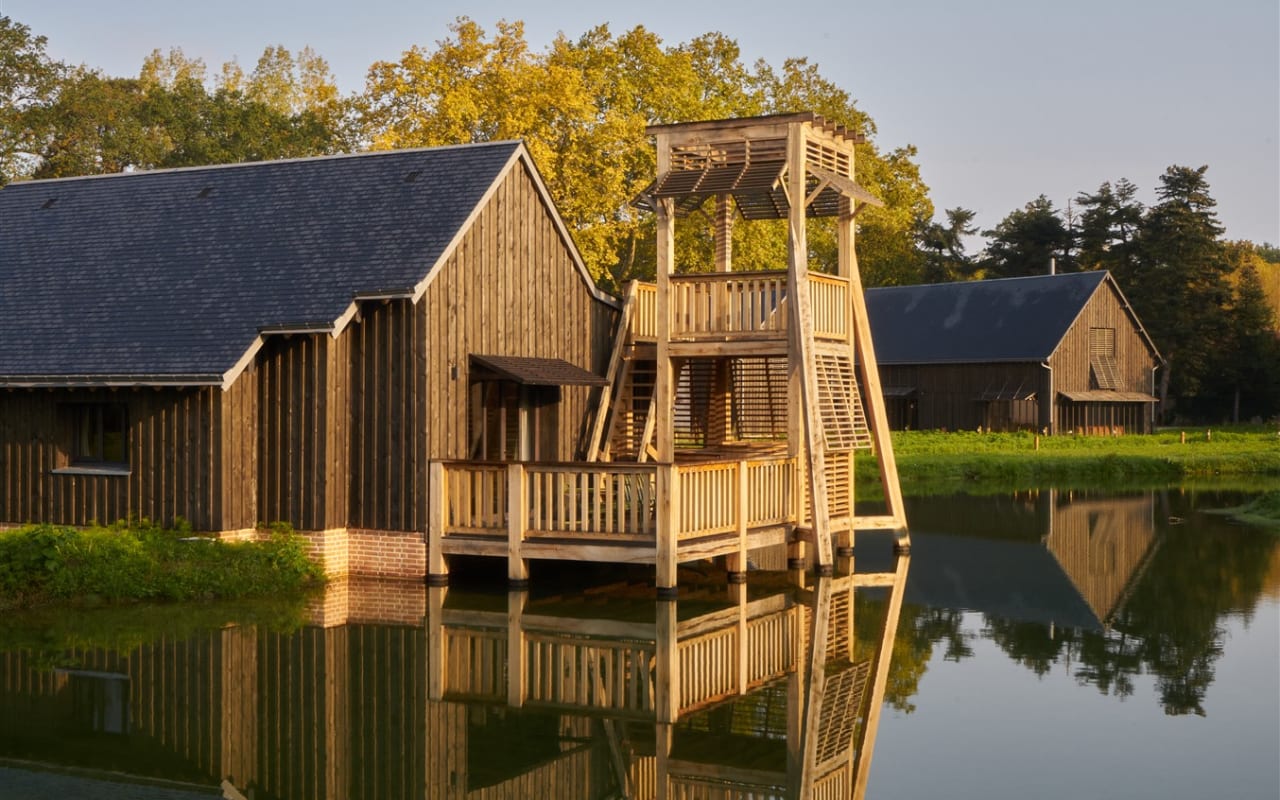
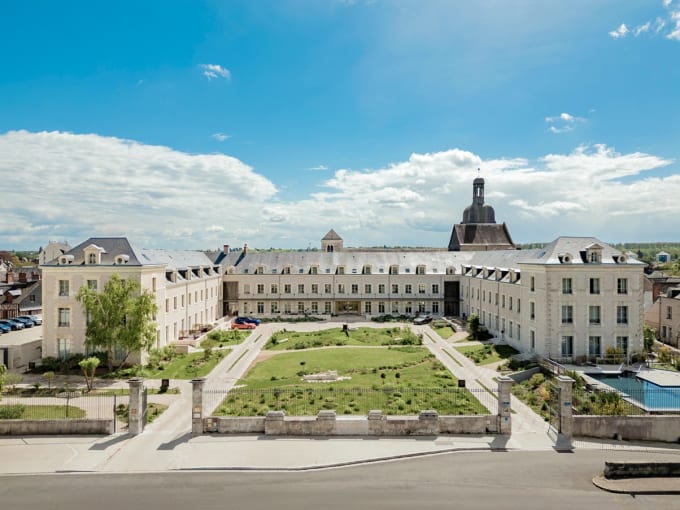
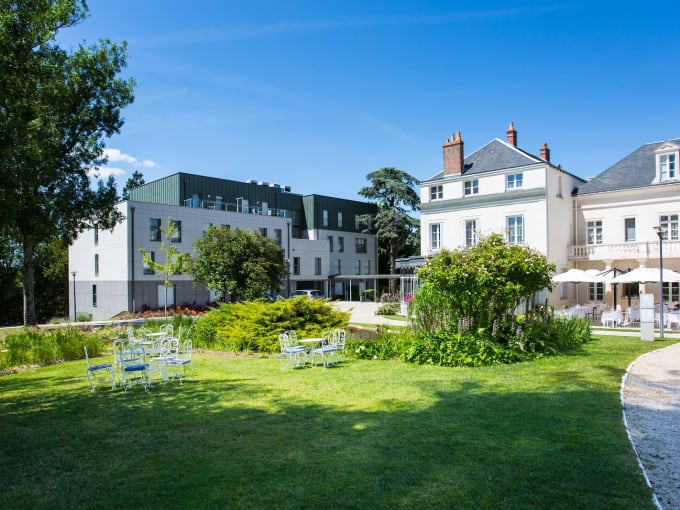
The regional panorama reveals a richness of diversity that is often underestimated. Some establishments embrace a rural retreat ethos, such as Les Sources de Cheverny or the Auberge du Bon Laboureur, with a direct connection to nature and the passage of time. Others adopt a more contemporary interpretation of wellness, like Fleur de Loire in Blois, where the Loire almost serves as a therapeutic backdrop. Tours, for its part, offers several expressions of five-star spa experiences. Château Belmont Tours emphasises space and parkland, while Les Trésorières advocates a more intimate approach. Hôtel Oceania L’Univers and Hôtel Ferdinand contribute to this urban upscale trend. Finally, Relais de Chambord adds the strength of a major heritage site. This variety makes the ranking useful, avoiding overly mechanical comparisons.
For 2025 and 2026, we observe several clear trends. The first concerns the length of stays. The regional spa benefits from the rise of two- or three-night getaways. Clients seek less travel, more recovery, and a genuine sense of disconnection. The second trend relates to design. Travellers are looking for spaces that are understated, clear, bright, and with a perceptible local identity. Wellness is no longer solely about technicality; it also encompasses a sense of naturalness. The third evolution is the complementarity of uses. A good hotel with a spa should cater to both romantic weekends and post-meeting breaks, as well as detours along the châteaux route. Our advisors also note an increased expectation for intimacy. Clients prefer addresses where they can breathe, free from visual saturation and agitation.
French luxury in this region is not merely about ostentation. It often rests on restraint, the quality of materials, the relationship to the landscape, and the precision of service. The spa fully embodies this philosophy. Here, it does not need to be monumental to be relevant. It should be well integrated, well maintained, and designed to extend a certain idea of the stay. After a day at Chenonceaux, Chambord, or wandering the streets of Tours, the body craves not a spectacle but a credible space for recovery. This is where Centre-Val de Loire stands out. It offers a continuity of wellness, not a rupture. My advice for this destination is simple. First, choose the atmosphere you seek. The best spa is not always the most ostentatious; it is often the one that best matches your rhythm.
Thus, this ranking should be read as a curated selection rather than an absolute verdict. Each hotel caters to a specific use. Les Sources de Cheverny will suit those seeking a nature immersion and a destination address. Fleur de Loire will appeal more to travellers sensitive to the Loire and contemporary hospitality. Relais de Chambord will attract fans of significant heritage sites. In Tours, the choice will depend on the desired balance between urban life, discretion, and spaciousness. Château Belmont Tours does not offer the same sensation as Les Trésorières. Hôtel Oceania L’Univers does not provide the same interpretation of the stay as Hôtel Ferdinand. As for the Auberge du Bon Laboureur, its proximity to Chenonceaux completely alters the dynamics of the trip. It is precisely this plurality that makes the region so interesting.
Our top 9 thus brings together hotels where the spa truly influences the booking decision. Some excel in their setting, others in their overall balance, and still others in their ability to transform a simple stopover into a full-fledged stay. Now, let us turn to the addresses to consider as a priority.