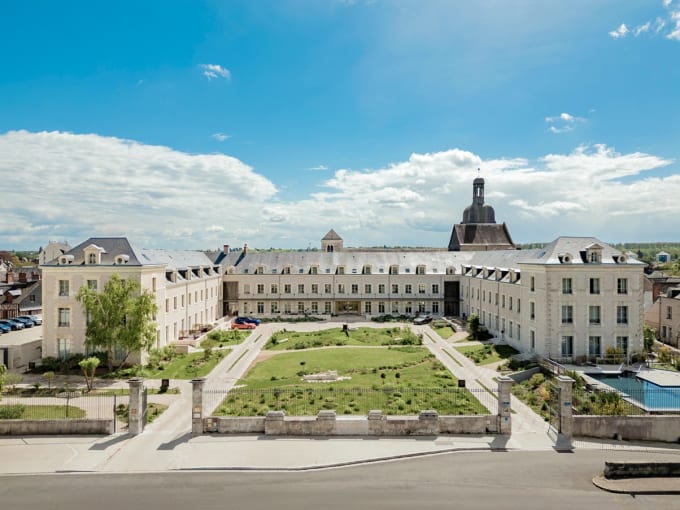
In the Centre-Val de Loire, a gastronomic hotel is not merely a fine dining experience attached to a beautiful location. It is deeply rooted in a landscape of châteaux, gardens, vineyards, and rivers. The Loire, the Cher, and their classified surroundings shape an ancient relationship with the seasons, the produce, and the presentation. This is what makes the region particularly compelling for a gastronomy-focused ranking. In Amboise, Blois, or Cheverny, the culinary experience engages in dialogue with heritage, the rhythm of the river, and the elegance of the residences. Our advisors also note a key point: here, the meal often structures the stay. Guests come not only to sleep in a grand hotel but also to book a table, extend their dinner, and organise their entire trip around this promise.
To establish this Top 3, we did not seek to create a buzz. We focused on clear, useful, and verifiable criteria. First, the hotel's ability to make gastronomy a cornerstone of the overall experience. This includes the reputation of the restaurant, the coherence between the cuisine and the setting, as well as the quality of the service in the dining room. We also consider the context. A gastronomic address is more convincing when it naturally fits into its environment, whether it be Loire Valley, urban, or rural. The hotel standard also matters. Category, architectural uniqueness, quality of the rooms, presence of a spa or relaxation areas enhance the relevance of a stay built around the table. Finally, we favour establishments capable of offering a complete experience, from breakfast to dinner, without a break in tone.
The regional panorama is more varied than one might imagine. Hôtel le Manoir les Minimes in Amboise presents a heritage-focused interpretation of the gastronomic stay. The view of the château, the nearby Loire, and the intimate scale of the house create an inviting setting for travellers who wish to combine history with dining. Fleur de Loire in Blois adopts a different approach. This address is located in a major stopover city of the Loire Valley, with a more contemporary take on the grand gastronomic hotel. Les Sources de Cheverny, on the other hand, shifts the focus towards the countryside and well-being. Here, gastronomy intertwines with the landscape, gardens, and a leisurely pace. It is important to note that these three hotels do not tell the same story of the region. They showcase three credible ways to experience the Centre-Val de Loire through taste.
For 2025 and 2026, several trends are clearly emerging in the region's gastronomic hospitality. The first concerns local anchorage. Travellers are seeking less demonstration and more clarity regarding the origin of products, seasons, and short supply chains. The second relates to the rhythm of the stay. The gastronomic dinner is no longer an isolated moment; it integrates into a broader programme, including spa treatments, walks, estate visits, heritage discoveries, or a pause by the water. The third trend pertains to comfort. Clients desire a high-level dining experience, but also a well-thought-out room, seamless service, and communal spaces that extend the evening. My advice is simple: in the Centre-Val de Loire, the best addresses are often those that avoid a dichotomy between culinary excellence and the art of living.
This region also embodies a very French idea of luxury. Refinement here is less about ostentation and more about precision. A fine material, a framed view of a river, attentive service, a well-curated wine cellar, and a dinner that respects the season are often enough to define the experience. In this context, the gastronomic hotel becomes a place of composition. It brings together heritage, hospitality, and cuisine without seeking to overplay any of these elements. This is particularly evident in the Loire Valley, where history is visibly present. The residences, gardens, and royal towns impose a certain restraint. What our advisors observe is that the most satisfied travellers are not merely seeking culinary performance. They are looking for a place that can give meaning to their stay, from the first coffee to the last drink.
Therefore, this ranking should be read as a guiding tool, not as an absolute verdict. The best gastronomic hotel varies depending on whether one is travelling for a birthday, a romantic weekend, a cultural stopover, or a wellness retreat. Some may prefer the heritage intimacy of Amboise. Others will choose the centrality of Blois and the energy of a large contemporary address. Still others may favour Cheverny for its more contemplative environment and natural breathing space. We value this nuance. A useful ranking distinguishes profiles; it does not erase sensitivities. That is why our selection highlights solid, coherent, and diverse hotels. Each deserves its place for specific reasons. Gastronomy is central, but never detached from the location, service, and territory that hosts it.
Now, let us present our Top 3 of the best gastronomic hotels in the Centre-Val de Loire. Three addresses, three settings, three ways to make the meal the heart of the journey.