Rome is particularly well-suited for family stays. The city boasts walkable distances, lively squares, gardens, ice cream shops, and a heritage that is accessible even to the youngest visitors. For discerning parents, however, the key issue is not just the location. It lies in an hotel’s ability to accommodate the pace of a trip with children. Well-designed rooms, configurable suites, a service that understands flexible schedules, and adaptable dining options are essential. In this regard, Rome offers an interesting landscape. Between grand historic houses, contemporary design addresses, and apartment-style residences, the Italian capital provides various ways to experience the city with children, without compromising on the expected level of service in luxury hospitality.
At MyConciergeHotel, we never reduce the kids-friendly criterion to a mere extra bed or welcome gift. We first examine the structure of the offering. Families need space, easy circulation, and discreet logistics. We therefore look for the presence of suites, connecting rooms, or residence-style options. We also consider the location. A hotel close to Piazza del Popolo, Via del Corso, or the Spanish Steps serves different needs than a more secluded property. The level of service is equally important. It’s worth noting that a large family hotel isn’t necessarily the one with the most activities. Often, it’s the one that makes the stay smoother, from breakfast to post-visit returns.
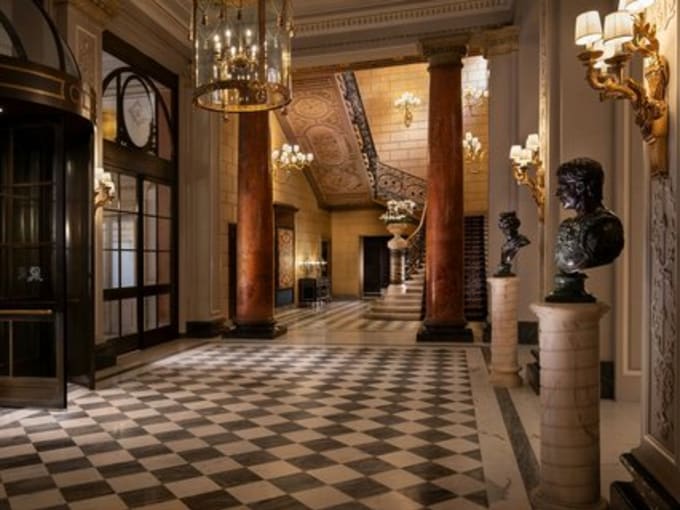
The Roman selection precisely illustrates this diversity. Bvlgari Hotel Roma embodies a contemporary and highly refined interpretation of urban luxury. Hotel de Russie, Rocco Forte Collection, remains a reference for travellers seeking to combine garden, centrality, and hotel tradition. Hôtel Vilòn appeals more to families who prefer a characterful, more intimate address in a highly sought-after area. Portrait Roma and Rocco Forte House introduce a residential logic, often invaluable with children. The Rome EDITION offers a more design-oriented, social atmosphere, and a different relationship with communal spaces. Finally, The St. Regis Rome retains the allure of grand institutions, with volumes and a ceremonial feel that reassure certain intergenerational travellers. This panorama shows that there is no single definition of a successful family stay in Rome.
For 2025 and 2026, our advisors are observing a clear evolution. High-end families are requesting fewer frills and more functionality. Parents want rooms where they can truly live, not just sleep. They are also seeking hotels capable of organising the city around them. This includes simple transfers, visits tailored to the children’s ages, and adaptable meals. Another strong trend concerns privacy. Many travellers now favour more residential formats, with kitchenettes, lounges, or an apartment-like feel, while still enjoying comprehensive hotel services. Rome responds well to this expectation. The city offers several homes where one can alternate between heritage visits, rest periods, and more spontaneous activities, without excessive rigidity in the itinerary.
There is also, in this selection, a distinctly European interpretation of family luxury. The French luxury we advocate does not consist of overstating the exceptional. It rests on precision. A family feels at ease when the welcome is accurate, when the service anticipates without being intrusive, and when the spaces allow everyone to find their rhythm. In Rome, this philosophy takes on a particular form. The best hotels for children are not necessarily those that dramatise the notion of family the most. They are those that know how to balance heritage, discretion, and tangible comfort. My advice for this destination is simple. Choose a property based on how you wish to explore Rome. Some parents want to do everything on foot. Others prioritise tranquillity or the flexibility of a residence format.
Thus, this ranking should be read as a guide to suitability, not as an absolute verdict. Each selected hotel has its audience, its tempo, and its definition of family comfort. A grand institution may be perfectly suited for a trip with grandparents and young children. A more contemporary address may sometimes be better for a short urban stay with teenagers. A luxury residence will better serve those staying several nights and seeking partial autonomy. What our advisors observe is that the success of a family stay often depends on very concrete details. The actual size of accommodations, ease of access to lively neighbourhoods, the quality of in-room service, or the flexibility of the staff matter more than flashy announcements. It is on this basis that we have constructed this Top 7.
Here then is our selection of the best kids-friendly hotels in Rome. You will find different styles, but a consistent level of expectation regarding the family experience.