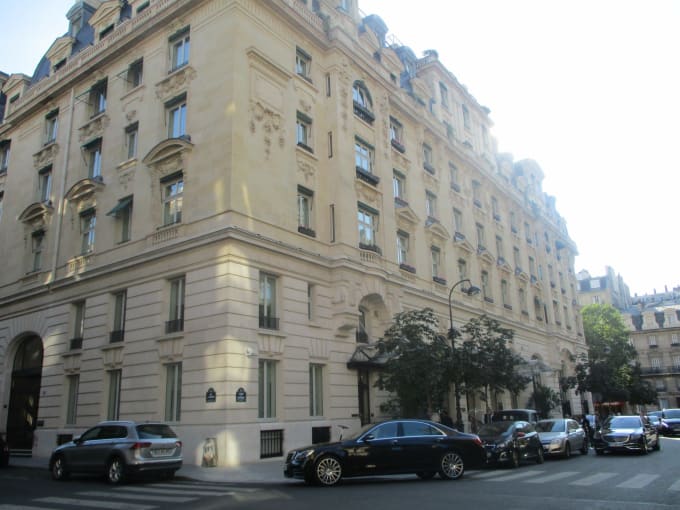
The 16th arrondissement of Paris attracts families looking to combine a prestigious address, urban breathing space, and logistical ease. This district features wide avenues, accessible museums, useful gardens, and several cultural institutions tailored for children. It also allows for quick access to the western part of Paris, the riverbanks, and major thoroughfares. For a family stay, this geography is as important as the hotel’s standing. A kids-friendly hotel is not merely about an extra bed; it must provide spacious areas, responsive service, and an atmosphere that feels welcoming rather than intimidating. In this sector, five names consistently emerge from our advisors: Hôtel The Peninsula Paris, Saint James Paris, Shangri-La Paris, Brach, and Hôtel Raphaël, creating a rare landscape that blends palaces, grand Parisian hotels, and thoughtfully designed lifestyle addresses.
Our methodology is based on concrete, observable, and comparable criteria. We first consider the location within or in immediate proximity to the 16th, as travel time can quickly weigh on young travellers. We then assess a hotel’s ability to accommodate various stay rhythms. This includes the perceived size of spaces, flexibility of configurations, smooth arrivals, and the quality of room service. We also take into account the reputation of the establishment, its level of distinction, brand coherence, and its surroundings. A Palace Atout France does not automatically imply a better family experience; however, it often indicates a depth of service that is beneficial. It is important to note that our ranking prioritises actual usage over mere appearances.
The landscape of the 16th is more nuanced than it may seem. On one side, Hôtel The Peninsula Paris and Shangri-La Paris represent large-scale hospitality, with a strong command of international standards. These establishments reassure families seeking a highly structured environment. Saint James Paris offers a different perspective, with its palace status expressed in a more residential and unique manner. Brach appeals to a generation of parents looking for a less ceremonial Parisian stay, embodying a contemporary energy that allows for more freedom in usage. Finally, Hôtel Raphaël reminds us of the enduring charm of a classic in western Paris. Our advisors often observe that families do not all seek the same experience; some desire space, while others prefer a neighbourhood that is easy to navigate.
For 2025 and 2026, several trends are shaping family demand in the luxury sector of Paris. The first concerns flexibility, with parents expecting hotels to adapt schedules, meals, and the pace of their stay. The second trend relates to intimacy, as families favour establishments where children are welcomed naturally, without excessive staging. The third trend highlights that the destination now matters as much as the room itself. The 16th is appealing because it allows for a mix of culture, leisurely strolls, and a return to tranquillity. The establishments that excel in this segment are those that make Paris accessible, simplifying travel, reducing fatigue, and maintaining a high level of comfort. My advice for this category is to look beyond prestige; a highly sought-after address may be less suitable than a more discreet establishment that is better equipped for family life.
French luxury, in its most compelling form, knows how to remain precise. It does not seek to impress constantly; rather, it organises space, time, and service with a sense of restraint. This is particularly true in the 16th, where elegance is often reflected in the continuity of a neighbourhood, the quality of a welcome, and the ease of a well-orchestrated daily life. With children, this philosophy is particularly relevant. A good family hotel does not turn the stay into a rigid programme; it soothes it, allowing for a stress-free breakfast, a respected nap, and a late return managed without complications. Saint James Paris and Hôtel Raphaël resonate more with those who cherish a certain idea of Paris, while The Peninsula Paris and Shangri-La Paris cater to a very international expectation. Brach offers a more contemporary interpretation of this same demand.
Thus, this ranking should be viewed as a selection of profiles rather than an absolute verdict. The first is not the only good choice, and the fifth is not a secondary option. Each hotel caters to a different way of travelling with children. Some excel due to their setting and global reputation, while others impress with their flexibility, atmosphere, or connection to the neighbourhood. We are not seeking the most spectacular décor; we are looking for establishments that make a family stay more fluid, coherent, and enjoyable. This is an important distinction. In luxury, the most successful experience is often the one that avoids invisible frictions. Simple circulation, attentive service, and a well-chosen environment can sometimes matter more than an accumulation of external signs.
Before we delve into the Top 5, keep a simple idea in mind: the best kids-friendly hotel in the 16th is the one that aligns with the children’s ages, the pace of the trip, and your way of experiencing Paris.