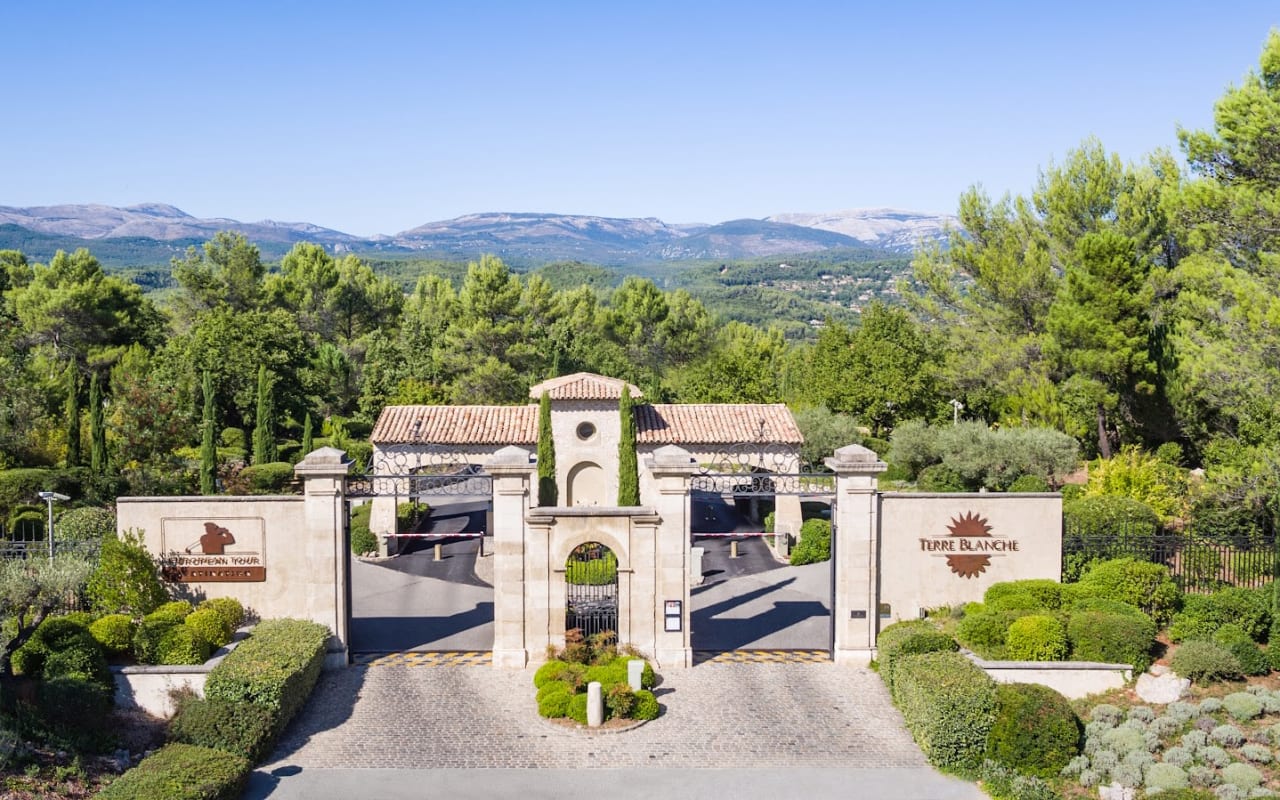
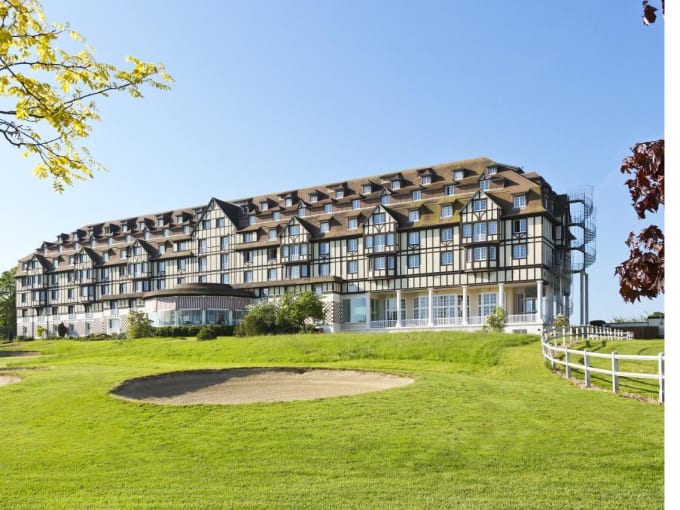
In France, golf hotels hold a unique position in the luxury travel landscape. They cater not only to a sporting activity but also to a rhythm of stay. Mornings begin on the fairway, while afternoons extend to the spa, the terrace, or a nearby village. This segment appeals to both regular players and accompanying travellers, which is a crucial consideration. A good golf hotel never targets solely those passionate about handicaps and indexes; it must also entice those who won’t be playing. In our selection, this promise manifests in various forms. Domaine de Manville in Provence illustrates it differently from Château Golf Spa d'Augerville in Centre-Val de Loire or Domaine de la Bretesche Golf & Spa in Loire-Atlantique.
To establish this ranking, we adhere to clear and verifiable criteria. First, the genuine golf connection. We favour hotels where the course is an integral part of the stay. Next, the overall hotel quality. Category, the establishment's reputation, coherence of spaces, level of service, and ability to provide a complete experience are as important as the design of the holes. We also consider the surroundings. Golf in France is experienced differently in the Alpilles, on the Côte d'Azur, or in a rural bocage setting. Accessibility also plays a role. Finally, we assess the balance between play, relaxation, and destination. Our advisors pay particular attention to couples' stays, short breaks, and multigenerational trips.
The French landscape of golf hotels is more diverse than one might imagine. It is not limited to vast resorts or purely sporting addresses. Some establishments are based in historic domains, while others draw strength from a pronounced natural setting. There are hotels where golf structures the entire experience, and others where it acts as an additional privilege within a broader stay. This variety explains the segment's appeal. A player might seek a course on-site, quick tee times, and straightforward logistics, while their companion may desire a spa, a renowned restaurant, or access to a culturally rich region. It is precisely this plurality that makes France competitive against other European golf hotel destinations.
For 2025 and 2026, several trends are becoming increasingly evident. The first concerns short stays. The two or three-night format is on the rise, particularly from Paris, Lyon, Nantes, Bordeaux, or the Côte d'Azur. The second relates to the use of spaces. Golf is no longer the sole main attraction; it is becoming one pillar among others, alongside wellness, gastronomy, and outdoor activities. We are also observing a stronger demand for courses that are enjoyable to play, easy to navigate, and well-integrated into the landscape. Spectacle alone is no longer sufficient; travellers seek coherence. Finally, the season is extending. Spring and autumn remain central, but winter is gaining traction in the South. My advice: always consider the stay as a whole, not just the scorecard.
France brings a distinctive signature to this segment. French hotel luxury does not always seek ostentation; it often favours restraint, quality of execution, and a connection to the place. In a golf hotel, this changes many aspects. The course is not an isolated backdrop; it interacts with architecture, parkland, light, and local history. It is worth noting that the best French addresses in this category manage to accommodate multiple tempos: that of the early morning player, that of the couple enjoying a long lunch, and that of the family sharing the estate without following the same itinerary. This flexibility is invaluable, explaining why some establishments are equally appealing for a discreet weekend as for a more structured stay centred around the destination.
This ranking should therefore be read without automatic reflexes. The number one is not the only answer. Each hotel corresponds to a specific expectation. Some will be better suited for avid golfers, while others will be more appropriate for a romantic getaway, a relaxing stay, or a first introduction to golf in France. We do not seek to pit different styles of establishments against each other; rather, we aim to prioritise experiences. What our advisors often observe is that a good choice depends less on displayed prestige and more on the actual use of the stay. Do you want to play every day? Do you wish to alternate between courses and visits? Do you prefer a large estate or a more intimate address? These are the questions that give meaning to the ranking.
You will therefore find in this Top 12 complementary profiles. Some names stand out for their golfing coherence, while others for their ability to make golf a natural extension of a grand French stay.