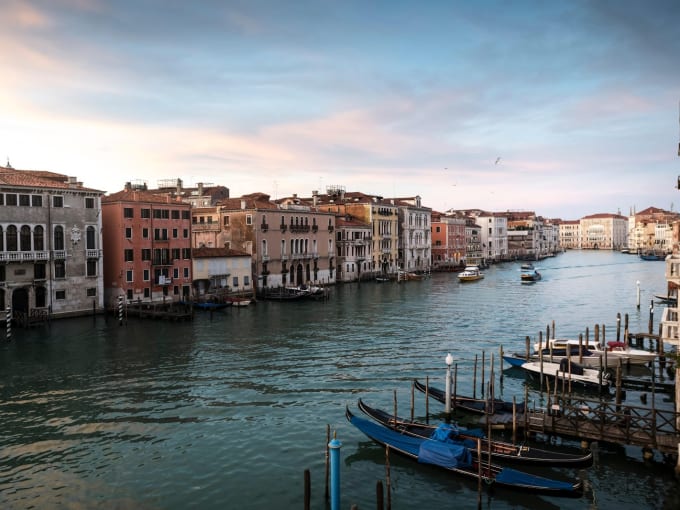
Venice is particularly well-suited for a ranking dedicated to design hotels. The city imposes a rare constraint. Here, architecture is never merely a backdrop; it engages in dialogue with water, light, materials, and memory. In this context, design does not simply refer to signature furniture or a carefully curated palette. It signifies a way of inhabiting a palace, a convent, a patrician residence, or a more contemporary address. This is precisely what makes the selection so exciting. From Aman Venice, Il Palazzo Experimental, Nolinski Venezia, Sina Centurion Palace to The Gritti Palace, each establishment offers a different interpretation of Venice. Some focus on heritage restoration, while others embrace more graphic lines. All remind us that in Venice, style carries more weight when it respects the location.
To establish this ranking, we do not consider design for its own sake. We first observe the overall coherence. The exterior architecture, volumes, circulation, natural light, and relationship to the canals are as important as the decoration. We then assess the quality of the interior intervention. A successful design hotel in Venice must know how to engage with history without freezing it in time. It must also provide contemporary comfort that is clear and sustainable. Our advisors pay close attention to very concrete criteria. Is the address identifiable at first glance? Do the common spaces possess a true personality? Do the rooms extend the narrative? Does the design genuinely enhance the experience? It is important to note that a beautiful hotel does not automatically fall into this category. A clear intention is required, maintained from the lobby to the suites.
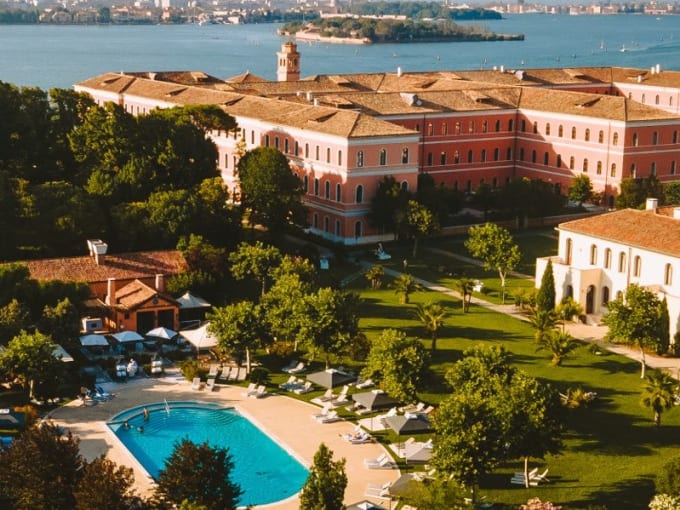
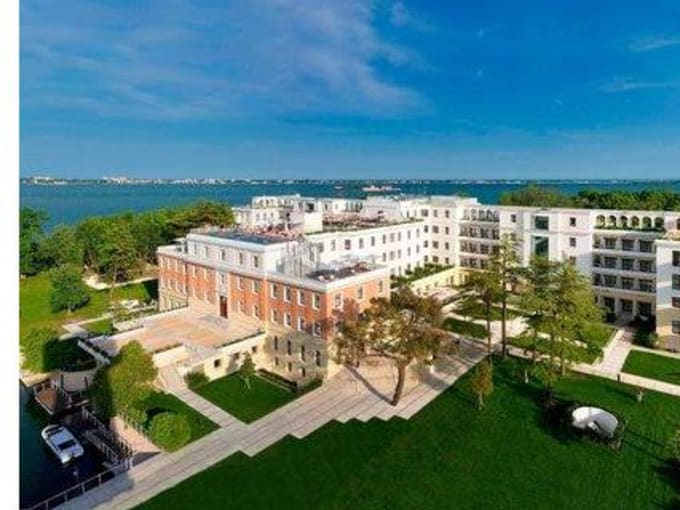
The Venetian panorama is more varied than one might imagine. On one side, Aman Venice and Ca' Sagredo Hotel demonstrate how a historic setting can accommodate a thoughtfully designed interior. On the other, Il Palazzo Experimental champions a more contemporary aesthetic, with a more direct expression. Nolinski Venezia also belongs to this family of addresses where design becomes a brand signature, without losing the sense of place. Sina Centurion Palace offers a bolder interpretation of the Grand Canal. The Gritti Palace, a Luxury Collection Hotel, Venice, illustrates a highly controlled heritage approach. Finally, JW Marriott Venice Resort & Spa and San Clemente Palace Kempinski Venice shift the perspective. On their respective islands, the available space allows for a different relationship with design, more airy, more landscaped, and often more resort-like in spirit.
For 2025 and 2026, several trends are emerging in design hospitality in Venice. The first concerns materials. The most compelling projects return to tactile textures, deep woods, legible stones, and fabrics that absorb the lagoon light well. The second touches on colour. Overly demonstrative palettes are receding, making way for mineral, aquatic, or patinated tones that are better suited to the city. The third evolution sees design becoming more understated. It seeks less the instant image than durability. What our advisors also observe is the growing importance of intermediate spaces. A bar, a library, a garden, a terrace, or a well-designed corridor now count as much as a suite. In Venice, sophistication often comes through restraint.
This perspective aligns with a certain idea of French luxury, which we advocate at MyConciergeHotel. Luxury is not measured by accumulation but recognised by precision. In a Venetian design hotel, this precision lies in the balance between heritage and use. A painted ceiling is only interesting if it dialogues with relevant furniture. A view of the canal matters more when the seating, lighting, and silence allow one to enjoy it. My advice in Venice is always to look beyond the initial visual impact. Ask yourself how you truly experience the hotel. Does the lobby invite you to linger? Does the room rest the eye? Are the bathrooms designed with the same level of demand? The best design addresses are those that remain coherent, even when you stay for several nights.
This ranking should also be read without a reflex for superlatives. The best design hotel in Venice is not the same for all travellers. Some seek the most assertive contemporary intervention, while others prefer a heritage approach, where design discreetly blends into an ancient setting. Others still desire space, gardens, and a more resort-like atmosphere. This is why we value different profiles. Aman Venice tells a different story than Il Palazzo Experimental. Nolinski Venezia does not aim for the same use as San Clemente Palace Kempinski Venice. The Gritti Palace does not offer the same formal reading as Sina Centurion Palace. None of these choices negate the others. Together, they create a credible map of Venetian hotel design, balancing memory, modernity, and attention to detail.
Venice rewards travellers who choose their hotel as one would select a viewpoint. Design changes the way one enters the city. Here is our selection of the eight most compelling addresses.